
Key Takeaways:
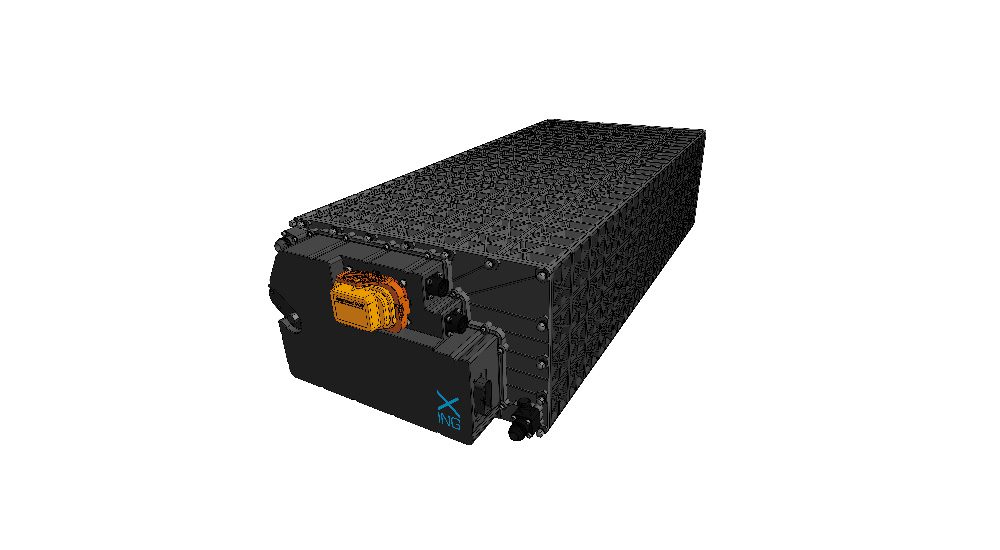
- XING Mobility has launched the IMMERSIO Matrix, a new marine battery system utilizing dielectric immersion cooling technology.
- This innovative design addresses critical challenges in marine electrification: power, space, and safety constraints, particularly against stringent EU regulations.
- Immersion cooling ensures every battery cell is submerged in coolant, effectively preventing thermal runaway and enhancing overall safety and performance.
- The system is already deployed in two vessels, including the zero-emission Porrima P111 in Taiwan and a new vessel by Austrian electric-boating company Smart IQ.
- The IMMERSIO Matrix offers a pathway for shipowners to achieve regulatory compliance and embrace sustainable maritime operations without compromising on safety or efficiency.
Revolutionising Marine Electrification with Advanced Battery Technology
As the global maritime industry navigates increasingly stringent environmental mandates, European shipowners, in particular, face escalating pressure from regulations such as the EU Emissions Trading System and FuelEU Maritime. These directives are driving an urgent need for sustainable solutions, yet the widespread adoption of marine battery-electric propulsion has been significantly hampered by persistent challenges related to power output, space limitations, and, critically, safety concerns.

Addressing these formidable hurdles head-on, XING Mobility, a pioneer in advanced battery technology, has officially launched its groundbreaking IMMERSIO Matrix. This purpose-built marine battery system introduces a revolutionary approach to energy storage in the maritime sector through its proprietary dielectric immersion cooling technology. The innovation promises to redefine the operational parameters and safety standards for electric vessels worldwide.
The Imperative for Sustainable Shipping: Navigating EU Regulations
The European Union has positioned itself at the forefront of global efforts to decarbonise shipping, a sector historically reliant on fossil fuels. The EU Emissions Trading System (ETS) for shipping, effective from January 1, 2024, mandates that shipping companies surrender allowances for their greenhouse gas emissions, imposing a direct financial incentive for decarbonisation.
Complementing this, the FuelEU Maritime regulation, set to apply from January 1, 2025, establishes maximum limits on the greenhouse gas intensity of energy used by ships. These regulations collectively place immense pressure on shipowners to invest in cleaner technologies, including electric and hybrid propulsion systems, to avoid substantial penalties and maintain operational viability within European waters.

Overcoming Traditional Marine Battery Constraints
Conventional marine battery systems have long struggled with a trifecta of limitations that impede broader electrification. The demand for high power output from electric propulsion systems often requires bulky battery packs, which then compete for precious space on board vessels, particularly in smaller or retrofitted ships.
Furthermore, managing heat effectively within these high-density battery arrays is paramount. Traditional cooling methods, such as air-cooling or cold-plate designs, typically manage heat at the module or pack level. While functional, these approaches may not always prevent localised overheating at the individual cell level, posing risks to battery longevity and, more critically, increasing the potential for thermal runaway—a severe safety hazard in enclosed marine environments.
IMMERSIO Matrix: A Paradigm Shift in Battery Safety and Performance
The core innovation behind the IMMERSIO Matrix marine battery system lies in its advanced dielectric immersion cooling. Unlike conventional cooling strategies, this technology ensures that every single battery cell within the system is completely submerged in a specially formulated, non-conductive dielectric coolant. This direct and all-encompassing contact between the cells and the coolant offers unparalleled thermal management capabilities.
By absorbing heat directly at its source, the dielectric fluid efficiently dissipates thermal energy, preventing localised hotspots that can compromise cell integrity and performance. This ‘at-the-source’ cooling is critical for suppressing thermal runaway events, which are a major safety concern in high-power battery applications. Moreover, it actively eliminates cell-to-cell propagation, meaning that if one cell were to experience an issue, the immersion cooling system would prevent that thermal event from spreading to adjacent cells, thus significantly enhancing the overall safety profile of the battery pack.
This superior thermal control not only boosts safety but also allows for higher power density and better performance consistency. Batteries operating within optimal temperature ranges exhibit improved efficiency and longer lifespans, translating into more reliable and cost-effective operations for electric vessels.
Real-World Validation and Strategic Deployments
The efficacy and robustness of XING Mobility’s IMMERSIO Matrix are not merely theoretical; the system is already proving its capabilities in active maritime applications. One notable deployment is onboard the zero-emission Porrima P111 vessel, currently operational in Taiwan. This installation serves as a powerful testament to the battery’s ability to support fully electric propulsion, contributing to cleaner waterways and demonstrating practical environmental stewardship.
Further showcasing its market readiness and international appeal, the IMMERSIO Matrix has also been integrated into the latest vessel from Smart IQ, a prominent Austrian electric-boating company. This collaboration highlights the system’s adaptability and its potential to facilitate the broader adoption of electric propulsion within the European market, directly aligning with the region’s ambitious decarbonisation goals for the maritime sector.
A Vision for the Future of Marine Power
Royce Hong, founder and CEO of XING Mobility, articulated the strategic vision behind this pioneering development. “Our mission has always been to bring disruptive battery solutions to the most extreme environments,” said Hong. He further elaborated on the specific challenges inherent in marine electrification, stating, “Maritime electrification faces dual challenges in safety and space. Our battery architecture ensures shipowners never have to compromise performance for safety.”
This statement underscores the company’s commitment to delivering high-performance solutions that do not necessitate concessions on critical safety aspects, a common trade-off in many engineering applications. The IMMERSIO Matrix represents a significant leap forward, offering a harmonious balance between robust safety protocols and efficient power delivery, tailored specifically for the demanding marine environment.
Impact on the Sustainable Shipping Landscape
The introduction of the IMMERSIO Matrix marine battery system marks a pivotal moment for the maritime industry’s journey towards sustainability. By providing a reliable, safe, and space-efficient power solution, XING Mobility is empowering shipowners to confidently transition to electric propulsion.
This technology not only helps meet immediate regulatory demands but also paves the way for a future where zero-emission vessels become a standard rather than an exception. The ability to overcome previous constraints on power, space, and safety with such an innovative thermal management system could accelerate the pace of decarbonisation across various segments of the maritime sector, from passenger ferries to cargo vessels, contributing significantly to global environmental targets.
Frequently Asked Questions (FAQ)
What is the IMMERSIO Matrix?
The IMMERSIO Matrix is a marine battery system developed by XING Mobility. It is specifically designed for electric vessel propulsion and incorporates advanced dielectric immersion cooling technology to enhance safety, performance, and space efficiency in demanding maritime environments.
How does dielectric immersion cooling work?
Dielectric immersion cooling involves fully submerging every battery cell in a non-conductive liquid coolant. This coolant directly absorbs heat from the cells at its source, effectively preventing overheating, suppressing thermal runaway events, and stopping any thermal issues from spreading between cells.
What challenges in marine electrification does this battery address?
The IMMERSIO Matrix addresses critical constraints in marine battery-electric propulsion, including limitations in power output, the need for efficient space utilization on vessels, and paramount safety concerns, particularly regarding thermal management and the risk of thermal runaway.
What are the key benefits of immersion cooling over traditional methods?
Unlike air-cooled or cold-plate systems that manage heat at the module or pack level, immersion cooling absorbs heat directly from individual cells. This method offers superior thermal stability, significantly reduces the risk of cell-to-cell propagation, and allows for higher performance while ensuring enhanced safety.
Which regulations are driving the need for such marine battery systems?
European shipowners are particularly impacted by the EU Emissions Trading System (ETS) and FuelEU Maritime regulations. These mandates require significant reductions in greenhouse gas emissions from shipping, creating a strong impetus for adopting clean propulsion technologies like the IMMERSIO Matrix.
Where is the IMMERSIO Matrix currently deployed?
The IMMERSIO Matrix is already operational in the zero-emission Porrima P111 vessel in Taiwan. It has also been successfully integrated into the latest vessel manufactured by Smart IQ, an Austrian electric-boating company, demonstrating its global applicability and regional relevance.
How does this technology contribute to sustainable shipping?
By offering a safe, efficient, and high-performance electric propulsion solution, the IMMERSIO Matrix enables vessels to operate with zero emissions. This directly supports the maritime industry’s decarbonisation efforts, helps meet environmental regulations, and contributes to cleaner oceans and air quality globally.