
Key Takeaways:
- Bruker has launched the timsMRMS platform, an innovative mass spectrometry system.
- The technology combines trapped ion mobility spectrometry (TIMS) with magnetic resonance mass spectrometry (MRMS).
- timsMRMS is designed for the molecular-level analysis of highly complex mixtures in next-generation battery materials.
- It offers unprecedented clarity in characterizing electrolyte formulations and solid-electrolyte interphase (SEI) degradation.
- The platform boasts a resolution exceeding 10 million and sub-parts-per-million mass accuracy.
- This advancement is crucial for improving battery lifespan, safety, and overall performance in electric vehicles and energy storage.
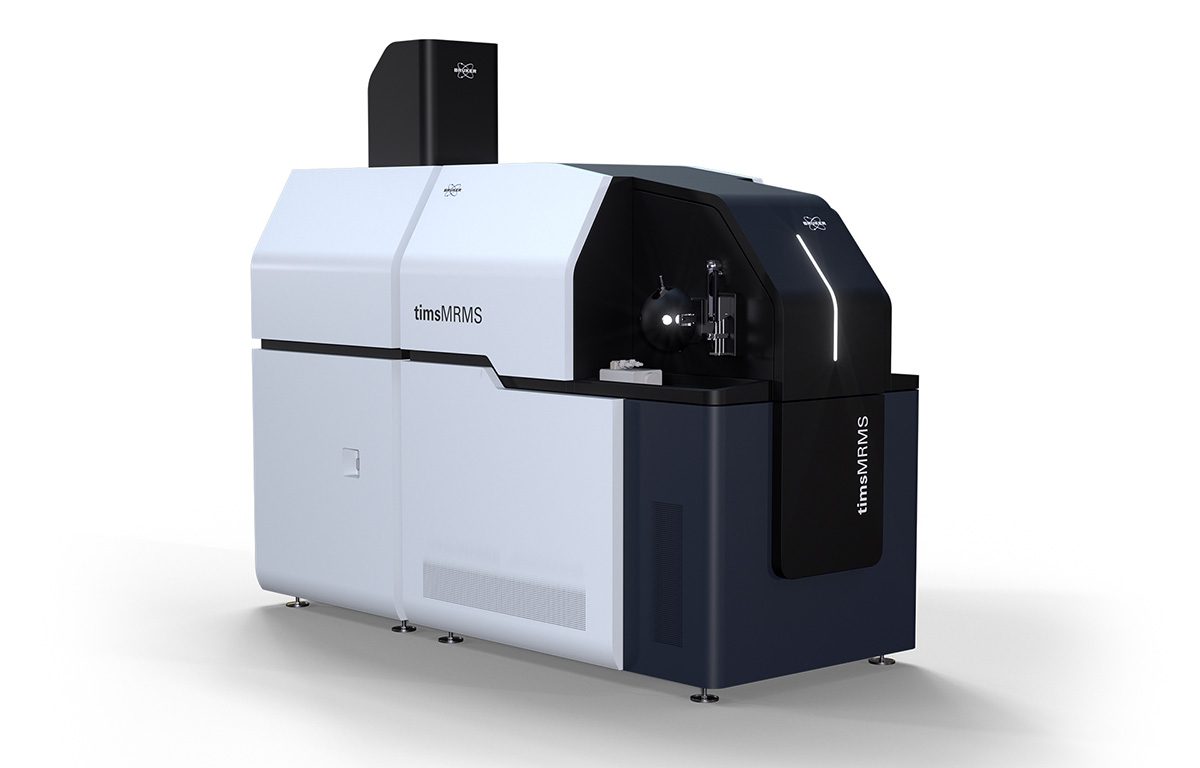
In a significant development for energy research and materials science, Bruker has introduced its groundbreaking timsMRMS platform. This advanced mass spectrometry system is engineered to tackle the intricate molecular complexities inherent in next-generation battery materials and alternative fuels, offering researchers unparalleled analytical capabilities. The platform seamlessly integrates trapped ion mobility spectrometry (TIMS) with magnetic resonance mass spectrometry (MRMS), providing a comprehensive solution for characterizing ultra-complex chemical mixtures.

Revolutionising Battery Electrolyte Analysis
For battery researchers, the timsMRMS platform represents a pivotal tool in deciphering the molecular intricacies that dictate battery performance and longevity. A primary application is the detailed molecular-level analysis of electrolyte formulations. Electrolytes are fundamental components in batteries, facilitating the movement of ions between the anode and cathode. Their precise composition and behavior are critical for efficient energy storage and delivery.
Beyond electrolytes, the system offers crucial insights into the degradation mechanisms of the solid-electrolyte interphase (SEI). The SEI is a thin, passivating layer that forms on the anode surface during the initial charge cycles of a battery. Despite its microscopic nature, this interphase layer exerts an outsized influence on critical battery parameters, including capacity fade, operational safety, and overall lifespan.
Understanding the Solid-Electrolyte Interphase (SEI)
The SEI layer, while essential for battery stability, is notoriously complex. Its formation and evolution under various cycling conditions directly impact the battery’s electrochemical performance. A stable and well-controlled SEI can significantly extend battery life and prevent hazardous conditions, while a compromised or unstable SEI can lead to rapid degradation and safety concerns.

Historically, achieving a precise understanding of the SEI’s exact molecular composition and how it transforms during repeated charge and discharge cycles has presented formidable challenges for scientists. Conventional mass spectrometry tools have often struggled to provide the necessary depth and resolution due to the extreme chemical complexity of these interphase layers.
Unmatched Analytical Power and Precision
The timsMRMS platform directly addresses these analytical limitations through its innovative design and exceptional specifications. The system boasts an impressive resolution of greater than 10 million. This high level of resolution enables researchers to distinguish between molecules that are incredibly similar in mass, which is often crucial in highly complex samples like battery electrolytes and SEI components.
Complementing its superior resolution is its sub-parts-per-million mass accuracy. This extreme precision ensures that the mass measurements obtained are highly reliable, allowing for unambiguous identification of molecular formulas. Furthermore, the platform incorporates isotope fine structure identification, a capability that provides even greater detail, enabling the differentiation of isobaric compounds and providing deeper insights into molecular structures and origins.
The combination of trapped ion mobility spectrometry (TIMS) and magnetic resonance mass spectrometry (MRMS) is key to the platform’s analytical prowess. TIMS separates ions based on their size, shape, and charge, adding another dimension of separation before mass analysis. This pre-separation significantly reduces spectral complexity, making it easier for the subsequent MRMS analysis to achieve its high resolution and accuracy, especially within the context of intricate mixtures encountered in advanced energy materials.
Advancing Energy Research Beyond Batteries
While the focus on battery technology is paramount, the timsMRMS platform’s capabilities extend to other critical areas of energy research. Its capacity to characterize ultra-complex molecular mixtures makes it equally valuable for the analysis of alternative fuels. Understanding the molecular composition and potential degradation pathways in biofuels, for example, is essential for developing more efficient and sustainable energy sources.
Dr. Paul Speir, Senior Vice President, Global MRMS Business at Bruker, underscored the transformative potential of the new system. “Many application areas in energy research present extreme levels of chemical diversity that are incredibly challenging,” Dr. Speir stated. “With the timsMRMS, we are equipping energy researchers with a complete unique tool that provides greater clarity and confidence in characterizing the extreme chemical complexity of next-generation batteries and alternative fuels.”
This enhanced clarity and confidence are expected to accelerate research and development cycles. By providing a deeper, more accurate understanding of the molecular processes within batteries and alternative fuels, the timsMRMS platform can facilitate the design of materials with improved performance, greater safety, and extended operational lifespans. This, in turn, can contribute significantly to the advancement of electric vehicle technology, grid-scale energy storage solutions, and sustainable fuel development.
The launch of the timsMRMS platform marks a pivotal moment in analytical science, offering a powerful new instrument for scientists grappling with the immense chemical diversity found in cutting-edge energy materials. It promises to unlock new discoveries that are crucial for the global transition towards more sustainable and efficient energy systems.
Frequently Asked Questions (FAQ)
What is the Bruker timsMRMS platform?
The Bruker timsMRMS is a state-of-the-art mass spectrometry platform designed for in-depth analysis of complex molecular mixtures. It integrates trapped ion mobility spectrometry (TIMS) with magnetic resonance mass spectrometry (MRMS) to offer exceptional resolution and accuracy, particularly useful for next-generation battery materials and alternative fuels.
How does timsMRMS benefit battery research?
For battery research, timsMRMS enables molecular-level analysis of electrolyte formulations and the degradation of the solid-electrolyte interphase (SEI). Understanding the SEI’s composition and changes is crucial, as it significantly impacts a battery’s capacity fade, safety, and overall lifespan. The platform helps overcome challenges faced by conventional methods.
What is the Solid-Electrolyte Interphase (SEI) and why is it important?
The SEI is a thin layer formed on the anode surface during a battery’s initial charge cycles. It plays a critical role in battery performance and stability. Analyzing its exact composition and how it changes under cycling conditions is essential for developing more durable, safer, and higher-capacity batteries, but this analysis has been challenging due to its chemical complexity.
What are the key technical specifications of the timsMRMS system?
The timsMRMS system offers remarkable analytical capabilities, including a mass resolution greater than 10 million and sub-parts-per-million mass accuracy. These specifications allow for precise molecular identification. Additionally, it features isotope fine structure identification, providing even deeper insights into molecular structures.
Can timsMRMS be used for applications beyond battery analysis?
Yes, while excelling in battery electrolyte analysis, the timsMRMS platform is also highly effective for characterizing complex molecular mixtures in other energy research fields. This includes the analysis of alternative fuels like biofuels, where understanding chemical diversity is vital for developing more efficient and sustainable energy solutions.
What challenge does timsMRMS aim to solve in energy research?
The platform aims to solve the challenge of characterizing extreme levels of chemical diversity found in next-generation energy materials. Prior to timsMRMS, the intricate nature of these mixtures made comprehensive analysis difficult with conventional tools, hindering advancements in battery technology and alternative fuels.