
Key Takeaways:
- Electric Vehicles (EVs) are statistically no more prone to fires than conventional vehicles, but lithium-ion battery fires present unique challenges, including thermal runaway and reignition risks.
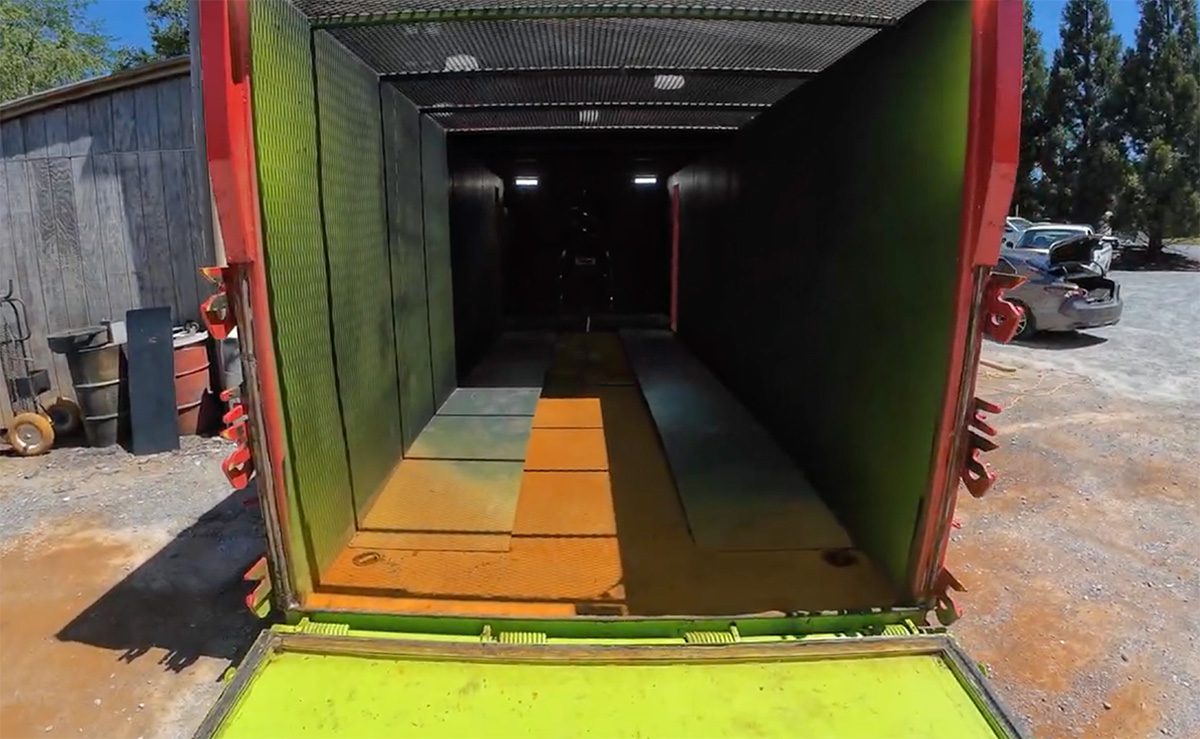
- Ramp Container has introduced EV RESCUE, a pioneering recovery and containment platform designed to address these specific issues.
- The platform leverages liquid cryogen technology to achieve extremely low temperatures, effectively managing thermal risk during post-incident recovery and transport.
- EV RESCUE aims to enhance personnel safety, reduce equipment exposure, ensure safer vehicle transport, minimise environmental impact from suppression runoff, and mitigate reignition risks.
- The innovation seeks to provide a comprehensive, controlled solution for managing compromised EVs from incident site to final disposition.
As the global automotive landscape rapidly transitions towards electrification, concerns surrounding electric vehicle (EV) safety, particularly concerning battery fires, often surface. While statistical data consistently indicates that EVs are no more susceptible to fire incidents than their internal combustion engine counterparts, the nature of lithium-ion battery fires demands specialized response and containment strategies. These incidents, characterised by potential for thermal runaway and unexpected reignition, pose distinct challenges for emergency responders and recovery teams.

Addressing this critical need, Ramp Container, a leader in innovative containment solutions, has unveiled its new EV RESCUE recovery and containment platform. This groundbreaking system is engineered to safely manage, contain, and transport compromised electric vehicles following an incident, significantly enhancing safety protocols across the entire recovery chain.
The Unique Challenges of Electric Vehicle Fire Containment
The inherent properties of lithium-ion batteries, which power modern electric vehicles, necessitate a different approach to fire suppression and post-incident management. Unlike traditional vehicle fires, which are often extinguished relatively quickly with water or foam, EV battery fires can be notoriously difficult to quell.
One of the primary concerns is ‘thermal runaway,’ a phenomenon where a damaged battery cell enters an uncontrolled self-heating state. This reaction can cascade to adjacent cells, leading to intense heat, smoke, and often, violent flame. Crucially, a battery pack that appears to be extinguished can reignite hours or even days later, presenting an ongoing hazard.
Furthermore, the extensive volumes of water typically required to cool and suppress these fires can create significant environmental and cleanup challenges. The runoff water, potentially contaminated with battery chemicals, must be carefully managed to prevent ecological damage after the scene has been cleared. These complexities underscore the urgent need for purpose-built solutions for effective EV fire containment.
Introducing EV RESCUE: A Cryogenic Solution
Ramp Container’s EV RESCUE platform emerges as a pivotal advancement in managing these complex incidents. At the core of its innovative design is the application of liquid cryogen technology. This advanced method involves the use of inert gases that have been liquefied to achieve exceptionally low temperatures.
When deployed, these cryogens rapidly cool the compromised battery pack, effectively interrupting thermal runaway and preventing reignition. This precision cooling capability allows operators to exert crucial control over the thermal risk, thereby reducing operational exposure throughout the entire recovery and transport process.
The EV RESCUE platform offers a seamless solution, from the moment a damaged vehicle is loaded onto the containment unit until its final, safe disposition. This comprehensive approach is vital for ensuring that all phases of post-incident handling are conducted with the highest levels of safety and environmental responsibility.
Operational Benefits and Enhanced Safety Protocols
The strategic deployment of EV RESCUE provides a multifaceted array of benefits for emergency response teams, towing operators, and transportation agencies alike. Its design directly addresses several critical pain points associated with electric vehicle fire containment:
Protecting Personnel During Recovery Operations
By leveraging liquid cryogen technology, EV RESCUE significantly mitigates the direct exposure of recovery personnel to the extreme heat, toxic fumes, and unpredictable reignition risks posed by compromised EV batteries. This substantially enhances safety for those on the front lines of incident response, enabling them to work in a more controlled and secure environment.
Reducing Equipment Exposure to Thermal and Chemical Risk
The platform acts as a robust barrier, protecting valuable recovery equipment, such as tow trucks and other vehicles, from potential thermal damage and corrosive chemical exposure. This preservation of assets translates into reduced maintenance costs and extended operational lifespans for critical emergency response tools.
Supporting Safer Transport of Compromised Vehicles
Ensuring the safe transport of an EV with a potentially compromised battery is paramount. EV RESCUE provides a secure, contained environment that actively manages the thermal state of the battery during transit, eliminating the risk of reignition or further thermal events on public roadways or during storage, thereby ensuring safer transportation.
Minimising Roadway Disruption
The efficient and controlled nature of the EV RESCUE system allows for quicker clearance of incident sites. By rapidly containing and cooling the affected vehicle, the platform helps emergency services reduce the duration of roadway closures and traffic disruptions, ensuring smoother flow for other commuters and minimising secondary incidents.
Managing Reignition Risk Effectively
The persistent threat of reignition from a thermally unstable lithium-ion battery pack is a major concern. The cryogen technology within EV RESCUE actively works to keep the battery temperature below the critical threshold for thermal runaway, providing an unprecedented level of control over this specific danger and ensuring long-term stability.
Limiting Environmental Impact from Suppression Runoff
Traditional EV fire suppression often involves prodigious amounts of water, leading to contaminated runoff. By containing the vehicle and using a closed-loop cooling system, EV RESCUE substantially limits the need for external water application at the scene, thereby minimising the creation of contaminated wastewater and reducing environmental cleanup complexities.
Engaging Stakeholders for Broader Deployment
Ramp Container is actively engaged in demonstrating the capabilities of its EV RESCUE platform to a wide array of stakeholders. This includes collaboration with key transportation agencies, critical emergency response organisations, various towing operators, and municipal partners.
These engagements aim to showcase the platform’s practical applications and discuss deployment opportunities across different regions and operational contexts. The objective is to integrate EV RESCUE into standard operating procedures for post-incident EV management, thereby establishing a new benchmark for safety and efficiency.
A Ramp Container spokesperson emphasised the ongoing nature of battery incidents beyond initial flame suppression. “Battery incidents don’t end when the visible flames are extinguished,” the spokesperson stated. “Recovery teams need practical, purpose-built tools that let them move a compromised vehicle safely, efficiently and with operational control, rather than simply hoping the danger has passed.” This statement highlights the philosophy behind EV RESCUE: providing certainty and control in unpredictable situations.
The Future of Electric Vehicle Safety and Incident Response
As the adoption of electric vehicles continues its upward trajectory globally, the demand for sophisticated and effective EV fire containment solutions will only intensify. Innovations like Ramp Container’s EV RESCUE platform are crucial in building confidence in EV technology, not just among consumers but also within the critical sectors of emergency services and infrastructure management.
By addressing the unique challenges posed by lithium-ion battery fires with cutting-edge technology, Ramp Container is setting a new standard for post-incident recovery and transport. This proactive approach ensures that as the world embraces sustainable mobility, the associated safety and environmental concerns are met with equally advanced, responsible solutions.
Frequently Asked Questions (FAQs)
Are electric vehicles (EVs) more prone to fires than gasoline cars?
No, statistical data consistently indicates that electric vehicles are not inherently more likely to catch fire than traditional gasoline-powered vehicles. However, the nature of lithium-ion battery fires differs significantly, requiring specialised containment and suppression methods due to their unique characteristics and challenges.
What makes EV fires different from traditional vehicle fires?
EV fires primarily involve lithium-ion batteries, which can undergo ‘thermal runaway’—an uncontrolled self-heating reaction. These fires can be intense, challenging to extinguish, and prone to reignition hours or even days after the initial incident. They also require substantial water for cooling, raising environmental runoff concerns.
What is thermal runaway in an EV battery?
Thermal runaway is a critical condition in lithium-ion batteries where an internal or external fault (like impact damage) causes a cell to overheat, leading to a chain reaction of heat generation. This process can rapidly spread to adjacent cells, resulting in intense fire, smoke, and potentially explosive events that are difficult to control.
How does Ramp Container’s EV RESCUE platform work?
EV RESCUE utilises liquid cryogen technology, which involves super-cooled inert gases. When a compromised EV is loaded onto the platform, these cryogens are deployed to rapidly cool the battery pack. This extreme cooling effectively manages the battery’s thermal state, preventing runaway reactions and reignition risks during recovery and transport.
What are the main benefits of using EV RESCUE for incident response?
The platform offers multiple benefits, including enhanced safety for emergency personnel by minimising exposure to heat and fumes, reduced equipment damage, safer transport of compromised vehicles, minimised roadway disruption, effective management of reignition risks, and a significant reduction in environmental impact from suppression runoff.
Who can benefit from the deployment of the EV RESCUE platform?
A wide range of entities can benefit, including transportation agencies, emergency response organisations (fire departments, hazmat teams), towing operators responsible for vehicle recovery, and municipal partners involved in urban planning and public safety. It provides a comprehensive solution for managing post-incident electric vehicle situations safely and efficiently.