
Key Takeaways
- EV startup Fisker is reportedly preparing for a potential bankruptcy filing, having engaged restructuring advisors, as per The Wall Street Journal.
- The move follows the company’s disclosure of “substantial doubt” about its ability to meet financial obligations without significant capital infusion.
- Facing over a billion dollars in debt, declining demand for its Ocean electric SUV, and production challenges, Fisker is actively seeking a strategic partnership and transitioning its sales model.
- The company’s share price has plummeted over 97% since its initial public offering, underscoring its precarious financial state and the uphill battle it faces.
Electric vehicle (EV) startup Fisker is reportedly making preparations for a potential bankruptcy filing, according to a recent report by The Wall Street Journal. This significant development comes on the heels of the company’s earlier disclosure to investors, where it expressed “substantial doubt” regarding its capacity to fulfill financial obligations without a critical infusion of cash.
The highly anticipated report indicates that the troubled EV manufacturer, founded by veteran automotive designer Henrik Fisker, has enlisted the services of restructuring advisors. These professionals are tasked with assisting Fisker through the complex processes associated with a potential bankruptcy, signaling a critical juncture for the aspiring automaker.
Fisker Responds to Speculation
In response to the circulating reports concerning its alleged retention of bankruptcy advisors, Fisker issued a statement addressing the market’s growing concerns.
The company stated: “As a matter of company policy, Fisker does not comment on market rumors and speculation.” It further elaborated, “However, Fisker often works with outside advisors to help manage its business and assist in developing and executing strategies. does not comment on market rumors and speculation. Fisker is focused on raising additional capital and engaging in a strategic partnership with a large automaker. The company is also continuing to pursue its shift to a Dealer Partnership model in both North America and Europe. The leadership team is laser-focused on these efforts.” This statement underscores the company’s efforts to secure its financial future through strategic initiatives.
Production Woes and Sales Struggles
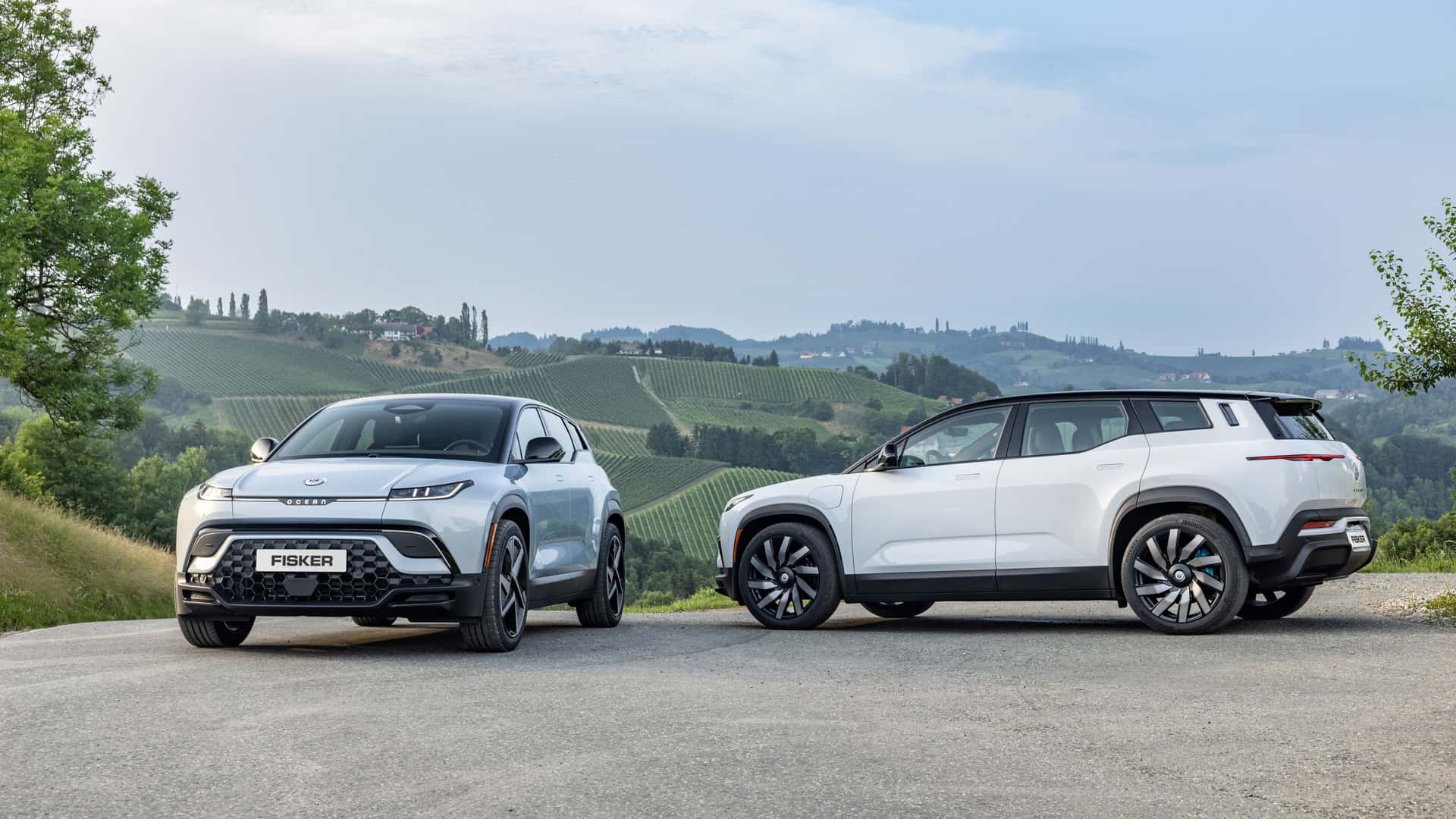
Fisker’s flagship model, the Ocean electric crossover, has faced a challenging market entry. The company, which relies on its supplier Magna for production, has seen approximately 10,000 units of the Ocean manufactured. However, only about half of these vehicles have been successfully sold, highlighting significant difficulties in demand generation and market penetration for the electric SUV.
The Ocean’s launch last summer coincided with a broader trend of slackening demand in the electric vehicle market, a period characterized by increased consumer hesitancy and intensifying competition. This unfavorable market environment exacerbated the challenges for a new entrant like Fisker.
Mounting Issues and Regulatory Scrutiny
Beyond market dynamics, the Fisker Ocean has been plagued by several high-profile issues. These include a regulatory probe initiated over reported braking issues, which naturally raises safety concerns and impacts consumer confidence. Furthermore, the vehicle received a “scorching review” from a prominent global technology reviewer, adding to the negative sentiment surrounding its performance and user experience.
The combination of these factors — weak demand, operational glitches, and critical public reception — compelled Fisker to significantly cut back its production targets in December. The company acknowledged that its existing direct-sales model was proving ineffective in the prevailing market conditions, necessitating a strategic re-evaluation.
Strategic Pivot to a Dealer Partnership Model
To counteract its sales challenges, The Wall Street Journal reports that Fisker is now keen on transitioning its sales strategy from a direct-to-consumer approach to a more traditional dealer partnership model. This shift aims to leverage established dealership networks, potentially expanding reach and offering a more familiar purchasing experience for customers, both in North America and Europe.
However, the feasibility of this transition remains uncertain given the company’s pressing financial constraints. Successfully implementing such a significant operational change would require substantial investment and stability, resources that Fisker is currently struggling to secure.
A Billion-Dollar Debt Burden
Fisker’s financial health is under severe strain, with its last filing revealing a staggering debt of a billion dollars. This colossal debt makes the path to recovery an arduous one, necessitating an extraordinary surge in Ocean sales or a substantial capital injection to avert deeper financial distress. The scale of this financial obligation casts a long shadow over the company’s future prospects.
Consequently, the company’s focus is sharply tuned towards securing additional capital and forging a strategic partnership with a larger, established automaker. Such a partnership could provide the necessary financial lifeline, manufacturing expertise, and distribution channels that Fisker critically lacks.
Potential Partnerships and Industry Risks
Rumors have circulated suggesting that Nissan could be a potential suitor for a strategic partnership with Fisker. However, industry analysts and observers have openly questioned the tangible benefits such a deal would offer a major automaker like Nissan. The value proposition of acquiring a struggling EV startup with limited market success and significant liabilities remains a key point of discussion.
Even Magna, the contract production company responsible for manufacturing the Ocean alongside vehicles for legacy Original Equipment Manufacturers (OEMs) like Mercedes, has publicly listed its business association with Fisker as one of its financial risks. This acknowledgement from a key partner underscores the broader industry’s perception of Fisker’s precarious financial standing and operational challenges.
Investor Confidence Plummets
The company’s deteriorating situation has severely impacted investor confidence. As highlighted by The Wall Street Journal, Fisker’s share price has experienced a precipitous fall, plummeting over 97% since its initial public offering. This dramatic decline reflects deep skepticism among investors regarding the company’s ability to navigate its current difficulties and achieve long-term viability.
Adding to its vulnerabilities, Fisker currently has no new product close to production. This absence of upcoming models limits its ability to generate renewed interest or capture new market segments, further complicating its recovery efforts. The lack of a diverse product pipeline restricts its growth potential.
Missing Key Market Advantages
Compounding its challenges, the Fisker Ocean, despite its initial appeal, has generally not been perceived as particularly compelling by most reviewers, even setting aside the numerous reported bugs and software glitches. The core product itself appears to struggle with market differentiation in a highly competitive EV landscape.
Furthermore, because Fisker’s manufacturing operations are contracted out to Magna in Austria, the company does not possess a production facility within the United States. This crucial absence means that vehicles produced by Fisker do not qualify for federal tax credits in the U.S., placing them at a significant disadvantage compared to domestically produced EVs that offer these incentives to buyers.
In conclusion, Fisker finds itself in turbulent waters, grappling with a complex web of financial pressures, production hurdles, and market resistance. The engagement of bankruptcy advisors suggests the company is actively bracing for the possibility of a Chapter 11 filing, signaling a desperate bid to either restructure or find a viable exit from its current predicament.
Frequently Asked Questions (FAQ)
Q1: What is the main issue Fisker is currently facing?
A1: Fisker is reportedly preparing for a potential bankruptcy filing, having hired restructuring advisors. This comes after the company admitted “substantial doubt” about its ability to meet financial obligations without a significant cash infusion, amidst a billion-dollar debt burden and operational challenges.
Q2: Has Fisker confirmed the bankruptcy preparations?
A2: Fisker has stated, “As a matter of company policy, Fisker does not comment on market rumors and speculation.” However, it acknowledged working with outside advisors to manage its business and develop strategies, confirming a focus on raising capital and pursuing strategic partnerships.
Q3: What problems has the Fisker Ocean electric SUV encountered?
A3: The Fisker Ocean has faced slackening demand in the EV market, leading to only half of its 10,000 produced units being sold. It has also encountered high-profile issues, including a regulatory probe over braking, a critical review from a major tech reviewer, and production cutbacks.
Q4: What is Fisker’s strategy to improve its sales model?
A4: Fisker is looking to transition from its current direct-sales approach to a dealer partnership model in both North America and Europe. This shift aims to leverage established dealership networks to boost sales and market penetration.
Q5: Why is Fisker’s manufacturing location a disadvantage?
A5: Fisker’s vehicles are manufactured by Magna in Austria, meaning they do not qualify for federal tax credits in the U.S. This puts the company at a competitive disadvantage compared to EVs produced within the United States, which often offer these incentives to consumers.
Q6: How has this situation impacted Fisker’s stock performance?
A6: Fisker’s share price has experienced a significant decline, falling over 97% since its initial public offering. This dramatic drop reflects widespread investor skepticism and concern over the company’s financial stability and future prospects in the competitive EV market.
Q7: What is the significance of a potential partnership with a larger automaker?
A7: A strategic partnership with a larger automaker is crucial for Fisker to secure additional capital, gain access to established manufacturing and distribution capabilities, and potentially share development costs. This could offer a lifeline for the company to continue operations and address its financial woes.