
Key Takeaways:
- EV startup Fisker is reportedly preparing for a potential bankruptcy filing, according to sources cited by The Wall Street Journal.
- The company has engaged restructuring advisors to navigate a possible Chapter 11 process, following its earlier warning of “substantial doubt” regarding its ability to meet financial obligations.
- Fisker has produced approximately 10,000 Ocean electric crossovers but has only sold about half, struggling with weak demand and operational issues since its launch.
- The company faces over a billion dollars in debt and a share price decline of over 97% since its initial public offering.
- Efforts are underway to secure additional capital, form a strategic partnership with a major automaker, and transition to a dealer partnership model.
Fisker Engages Restructuring Advisors Amid Bankruptcy Speculation
In a significant development for the electric vehicle (EV) startup sector, Fisker is reportedly making preparations for a potential bankruptcy filing. Sources familiar with the matter, as reported by The Wall Street Journal, indicate that the company has engaged restructuring advisors to assist in navigating the complexities of a possible bankruptcy process.

This news follows Fisker’s previous disclosure to investors, where it expressed “substantial doubt” about its capacity to meet its financial obligations in the absence of a critical cash infusion. The California-based company, founded by automotive design veteran Henrik Fisker, has been grappling with a series of financial and operational challenges.
Mounting Financial Pressures and Market Performance
Fisker’s financial health has been a growing concern within the automotive industry. As per its most recent filings, the company carries a substantial debt burden exceeding one billion dollars. This considerable liability underscores the urgent need for significant capital to stabilize its operations and sustain future growth.
Investor confidence in Fisker has waned dramatically. The company’s share price has plummeted by more than 97% since its initial public offering (IPO), a stark indicator of the market’s apprehension regarding its viability and long-term prospects. This steep decline reflects the challenging environment for many emerging EV manufacturers.

Production and Sales Woes for the Ocean EV
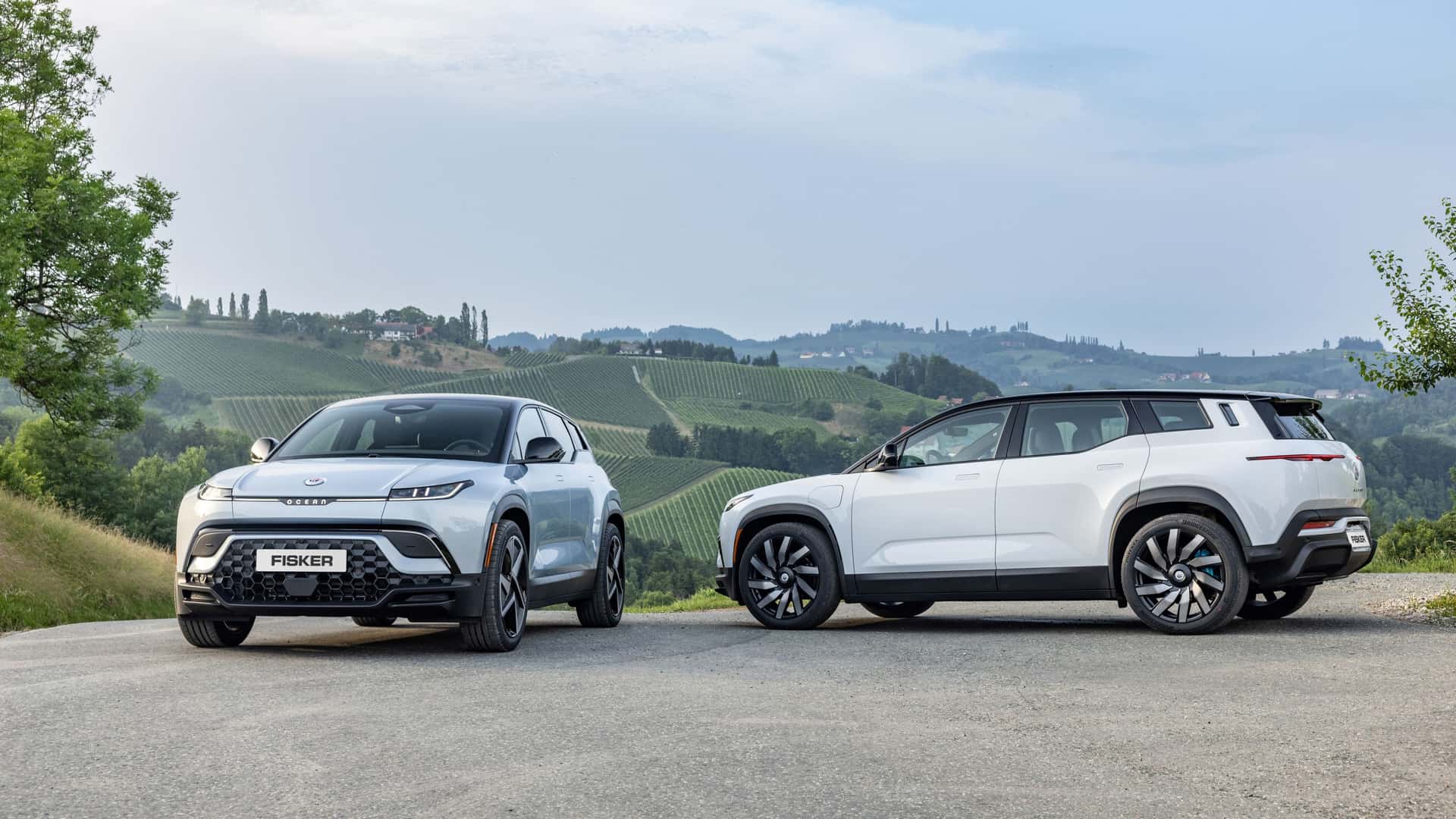
A central pillar of Fisker’s strategy has been the Ocean electric crossover. While its contract manufacturing partner, Magna, produced approximately 10,000 units of the Ocean, the company has managed to sell only about half of that volume. This significant disparity between production and sales figures highlights deep-seated issues with consumer demand and market penetration.
The Ocean’s launch in the summer of the previous year coincided with a period of slackening demand across the broader EV market. This unfavorable timing, coupled with specific challenges faced by Fisker, exacerbated the difficulties in moving its inventory.
Operational Hurdles and Critical Acclaim
Beyond market dynamics, the Fisker Ocean has encountered several high-profile issues that have marred its reputation. These include a regulatory probe initiated over braking issues, which naturally raises safety concerns and can deter potential buyers.
Furthermore, the vehicle received a particularly scorching review from a prominent tech reviewer, an event that can significantly impact public perception and sales for a new product, especially in the competitive EV segment. Such criticisms, alongside reported bugs and uncompelling features, have complicated the company’s efforts to gain traction.
Strategic Shifts: From Direct Sales to Dealer Partnerships
In response to persistent weak demand and the apparent ineffectiveness of its initial sales model, Fisker took measures to cut back production in December. The company is actively pursuing a strategic shift in its distribution approach, aiming to transition from a direct-sales model to a dealer partnership model.
This pivot seeks to leverage established dealership networks, potentially improving sales reach and customer service infrastructure in both North America and Europe. However, the success of this ambitious transition hinges on the company’s ability to remain solvent long enough to implement it effectively.
Search for Strategic Alliances and Capital Injection
Recognizing the severity of its financial situation, Fisker has been intensely focused on securing additional capital. A key component of this strategy involves engaging in a strategic partnership with a large automaker. Such an alliance could provide not only a much-needed cash infusion but also access to critical manufacturing expertise, supply chains, and market credibility.
Rumors have circulated suggesting that Nissan might be a potential interested party in such a deal. However, industry analysts have questioned the strategic benefits for a major automaker like Nissan, raising doubts about what tangible advantages it would gain from an association with the beleaguered EV startup.
Magna’s Stance and Manufacturing Constraints
Magna, the contract production company responsible for manufacturing the Fisker Ocean—alongside vehicles for established original equipment manufacturers (OEMs) like Mercedes—has publicly acknowledged its business with Fisker as one of its financial risks. This disclosure from a major manufacturing partner underscores the precarious nature of Fisker’s operational stability.
The reliance on an external manufacturer in Austria also presents a critical strategic disadvantage for Fisker. The absence of a U.S. production facility means that its vehicles currently do not qualify for federal tax credits, a significant incentive for EV buyers in the United States. This inability to offer competitive pricing through tax credits further hampers its sales potential in a crucial market.
Fisker’s Official Statement on Speculation
In response to reports concerning the alleged retention of bankruptcy advisors, Fisker issued a statement outlining its ongoing strategic efforts. The company stated: “As a matter of company policy, Fisker does not comment on market rumors and speculation. However, Fisker often works with outside advisors to help manage its business and assist in developing and executing strategies. Fisker is focused on raising additional capital and engaging in a strategic partnership with a large automaker. The company is also continuing to pursue its shift to a Dealer Partnership model in both North America and Europe. The leadership team is laser-focused on these efforts.”
This statement reiterates the company’s commitment to its current strategic initiatives aimed at financial stabilization and long-term viability, despite the ongoing speculation about its future.
Outlook Amidst Stormy Waters for the EV Startup
With a considerable debt load, faltering sales, and no new product nearing production, Fisker finds itself navigating extremely challenging waters. The reported move to engage bankruptcy advisors suggests a pragmatic approach to confronting these formidable obstacles, potentially preparing for various scenarios to safeguard assets and explore restructuring options.
The unfolding situation at Fisker serves as a stark reminder of the intense capital requirements, market volatility, and operational complexities inherent in the highly competitive and rapidly evolving electric vehicle industry.
Frequently Asked Questions (FAQ)
Q1: Is Fisker filing for bankruptcy?
A1: Reports from The Wall Street Journal indicate that Fisker is preparing for a possible bankruptcy filing and has hired restructuring advisors. The company has acknowledged “substantial doubt” about its ability to meet financial obligations without a cash infusion, but has not officially filed.
Q2: What is Fisker’s current financial situation?
A2: Fisker reported over a billion dollars in debt in its last filing. Its share price has fallen by more than 97% since its initial public offering, reflecting significant financial distress and investor concern about the EV startup’s future.
Q3: What challenges has the Fisker Ocean faced?
A3: The Fisker Ocean has faced several challenges, including slackening EV demand, a regulatory probe over braking issues, and critical reviews. Despite producing around 10,000 units, only about half have been sold.
Q4: What strategic steps is Fisker taking to address its problems?
A4: Fisker is actively focused on raising additional capital, pursuing a strategic partnership with a large automaker, and transitioning its sales model from direct-to-consumer to a dealer partnership approach in North America and Europe.
Q5: Why are Fisker vehicles not eligible for federal tax credits?
A5: Fisker’s Ocean electric crossovers are manufactured by its partner Magna in Austria. Because they lack a U.S. production facility, these vehicles do not qualify for the federal tax credits available to consumers in the United States, hindering their competitiveness.