
Key Takeaways for Tesla Model Y Buyers
Choosing the right Tesla Model Y involves more than just selecting a trim; subtle year-to-year changes can significantly impact the ownership experience. From interior aesthetics and comfort features to crucial hardware and battery advancements, each model year, from its 2020 debut through projected 2026 refresh, offers a distinct set of attributes. Prospective buyers should meticulously evaluate these variations based on their priorities for range, charging speed, interior luxury, and future-proofing capabilities like Full Self-Driving (FSD) hardware. This comprehensive guide, informed by expert analysis, delves into the specific evolutions of the Tesla Model Y to help inform your decision.
The Evolving Tesla Model Y: A Chronicle of Subtle Yet Significant Changes
Since its market introduction, the Tesla Model Y has undergone a series of incremental updates, rather than traditional annual refreshes. These rolling changes, often implemented mid-year, mean that no two model years, or even production batches within the same year, are entirely identical. This continuous evolution presents a unique challenge and opportunity for consumers eyeing a Tesla Model Y, whether new or pre-owned.

For those considering a purchase, understanding these nuanced differences is crucial. The decision of which Tesla Model Y year to acquire hinges on a buyer’s specific needs, priorities, and budget. What might seem like a minor tweak in one year could be a deal-breaker for another driver.
Andrew Lambrecht, a seasoned EV enthusiast and contributor, meticulously documented these variations in a video featured on the Ever YouTube channel. His detailed analysis highlights how Tesla’s approach to updates has created a diverse landscape across the Model Y generations, making a deep dive into each year’s specifics indispensable for an informed buying choice.
2020 Tesla Model Y: The Inaugural Offering
The first iteration of the Tesla Model Y, launched in 2020, set the stage for Tesla’s popular electric SUV. All original 2020 Model Y vehicles were equipped with what Tesla termed the “premium interior.” This package notably included heated seats for both the front and rear rows, along with a sophisticated 15-speaker sound system, offering an elevated cabin experience from the outset.

However, the 2020 Tesla Model Y also featured a glossy black plastic center console, a design choice that proved somewhat divisive due to its susceptibility to fingerprints and minor scratches. Additionally, early production units of the 2020 model year were fitted with single-pane windows. Later in the production cycle for the 2020 Tesla Model Y, a significant comfort and acoustic upgrade was introduced: dual-pane windows, enhancing cabin quietness and insulation.
2021 Tesla Model Y: Range and Interior Refinements
The 2021 Tesla Model Y brought forth several notable enhancements. A primary improvement was an increase in overall range, a critical factor for many electric vehicle purchasers. This year also saw the brief introduction of a Standard Range version, which, however, was available for only about a month before being discontinued, making it a rare find in the used market.
Interior updates in the 2021 Tesla Model Y addressed some of the previous year’s feedback. The glossy black center console was replaced with an updated matte finish, offering a more resilient and aesthetically pleasing surface. Furthermore, the 2021 Model Y introduced a heated steering wheel, a highly coveted feature, particularly for drivers in colder climates. Interestingly, later builds of the 2021 Tesla Model Y saw the removal of passenger lumbar support, a feature that could be a significant consideration for individuals prioritizing passenger comfort.
2022 Tesla Model Y: Battery Innovation and Comfort Upgrades
The 2022 Tesla Model Y marked a pivotal moment with the introduction of the Standard Range All-Wheel Drive variant, notable for being equipped with the highly anticipated 4680 battery cells. These next-generation cells were expected to deliver efficiency and cost benefits. However, as highlighted by Andrew Lambrecht and other observers, this particular configuration of the Tesla Model Y exhibited an unusually slow charging rate for a Tesla, with power dipping below 100 kW after reaching approximately a 30% state of charge.
Beyond battery advancements, the 2022 Tesla Model Y also received interior refinements. These included the addition of wood trim on the door cards, elevating the cabin’s premium feel. Practicality was also improved with manual backup releases for the rear doors, a safety enhancement. Crucially, some 2022 Model Y vehicles began to feature a “comfort suspension” system. This was a welcome development for many, as the Model Y had previously garnered feedback for its stiff ride quality, making this a significant improvement for ride comfort.
2023 Tesla Model Y: Hardware for the Future and Software-Locked Potential
The 2023 Tesla Model Y stood out for a crucial hardware upgrade: the implementation of Hardware 4. This new computing platform is essential for running the latest and most advanced versions of Tesla’s Full Self-Driving (FSD) software, positioning the 2023 Model Y as more future-proof regarding autonomous driving capabilities. Buyers prioritizing access to the bleeding edge of FSD technology would find this update particularly appealing.
Another intriguing aspect of the 2023 Tesla Model Y was the availability of a Standard Range option that, paradoxically, utilized the same physical battery pack as the longer-range versions. This additional range was merely software-locked, meaning owners could pay Tesla a fee to unlock up to an additional 50 miles of range. This unique offering presented a potential “sleeper deal” for savvy buyers looking to incrementally upgrade their Tesla Model Y’s capabilities after purchase.
2024 and 2025 Tesla Model Y: Interim Period Before a Major Overhaul
The 2024 and 2025 model years of the Tesla Model Y saw relatively minor, iterative updates. These periods typically involved software enhancements, minor cosmetic adjustments, or small-scale component revisions, rather than significant architectural changes. For buyers considering these models, the focus would largely remain on the accumulated improvements from prior years and the existing performance metrics.
These years represented a consolidation of the ongoing refinement process for the Tesla Model Y, preparing the ground for more substantial future developments. While lacking headline-grabbing innovations, these models still benefited from Tesla’s continuous over-the-air software updates and manufacturing efficiencies.
2026 Tesla Model Y: The Anticipated “Juniper” Refresh
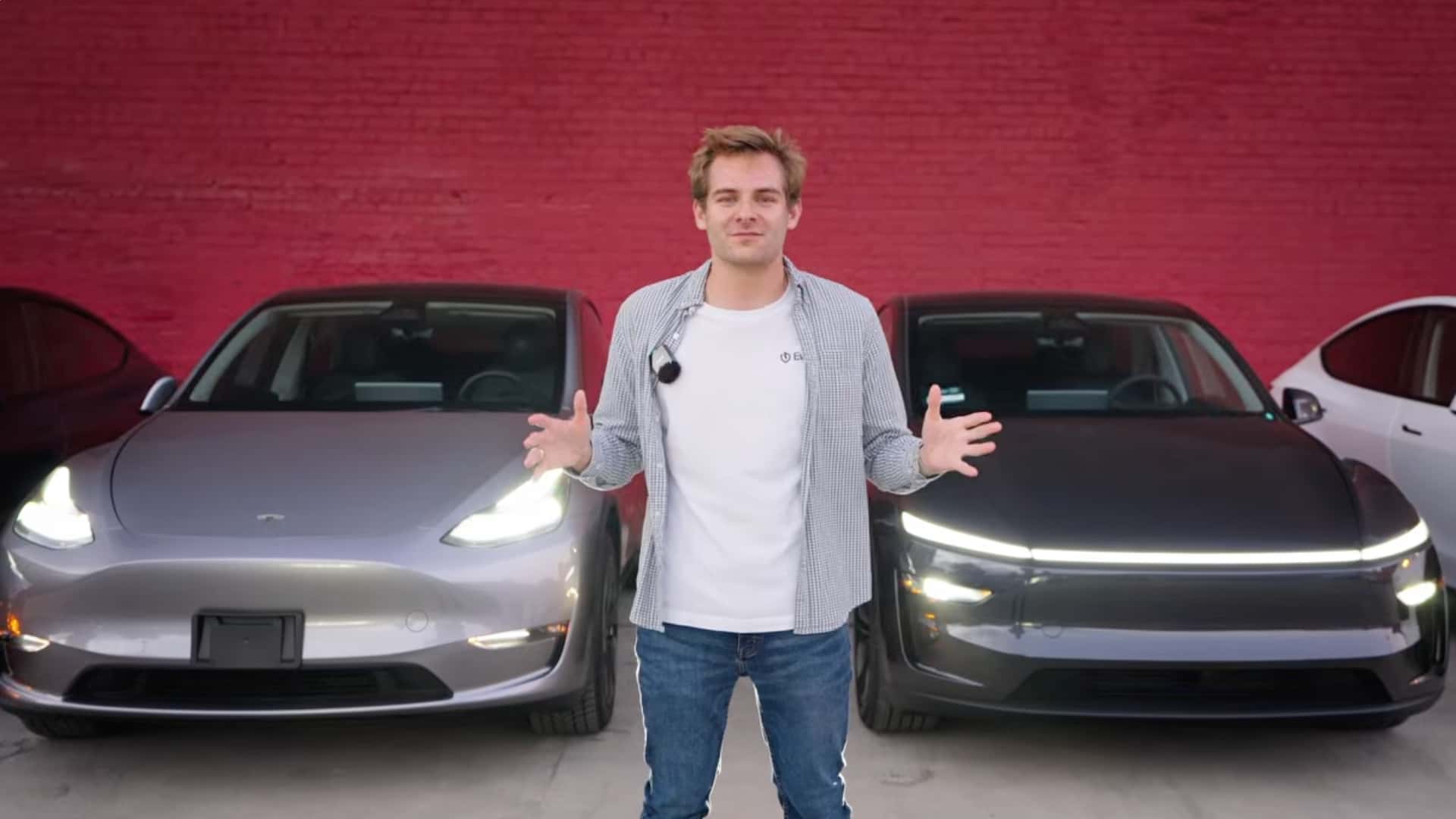
Looking ahead, the 2026 Tesla Model Y is poised to receive a more comprehensive overhaul, internally codenamed “Juniper.” This anticipated refresh promises to be more than just subtle tweaks, bringing significant aesthetic and functional changes. Key among these are expected to be redesigned front and rear fascias, potentially incorporating new light bar signatures that align with Tesla’s evolving design language.
Furthermore, the “Juniper” refresh is expected to standardize dual-pane windows across all sides of the vehicle, offering enhanced acoustic comfort and energy efficiency. While the full scope of the “whole slew of changes” mentioned remains to be seen, this extensive refresh is anticipated to make the 2026 Tesla Model Y a distinctly different proposition from its predecessors, potentially influencing residual values of earlier models and setting new benchmarks for the popular electric SUV.
Choosing Your Ideal Tesla Model Y: Key Considerations
When deciding which Tesla Model Y to purchase, several factors should guide your decision. Early models (2020-2021) might appeal to those seeking value, though they might lack some modern conveniences like a heated steering wheel or dual-pane windows in all builds. The 2021 Model Y’s added range and matte console offer practical upgrades.
The 2022 Tesla Model Y, with its comfort suspension, could be a strong contender for those prioritizing ride quality, despite the noted charging limitations of its 4680-cell Standard Range AWD variant. For tech-forward buyers, the 2023 Model Y with Hardware 4 and the potential for a software-unlocked range increase represents a compelling package for advanced FSD capabilities and flexible range options.
Ultimately, the best Tesla Model Y year is subjective and depends on individual preferences for interior features, charging performance, FSD readiness, and budget. Each iteration reflects Tesla’s philosophy of continuous improvement, ensuring a varied market for new and used Tesla Model Y vehicles.
Frequently Asked Questions About Tesla Model Y Model Years
What are the primary differences between early and later Tesla Model Y years?
Early Tesla Model Y models (2020) featured a glossy black center console and often single-pane windows, while later years introduced a matte console, dual-pane windows, and a heated steering wheel. Hardware updates for FSD and changes in battery cell types also distinguish newer models, impacting performance and future compatibility.
Is the 2023 Tesla Model Y’s Hardware 4 essential for Full Self-Driving?
The 2023 Tesla Model Y introduced Hardware 4, which is considered essential for running the latest and most advanced iterations of Tesla’s Full Self-Driving (FSD) software. While older hardware can support FSD, Hardware 4 provides enhanced processing power for future FSD capabilities and updates.
Are there any charging issues with specific Tesla Model Y battery types?
The 2022 Tesla Model Y’s Standard Range All-Wheel Drive variant, equipped with 4680 cells, has been noted for unusually slow charging rates. Observations indicate a significant drop in charging power, often falling below 100 kW, after the battery reaches approximately a 30% state of charge.
What is the “software-locked range” feature in the 2023 Tesla Model Y?
The 2023 Tesla Model Y Standard Range option sometimes shipped with the same larger battery pack as the longer-range versions. The full capacity was software-locked, meaning owners could pay Tesla a fee to electronically unlock up to 50 additional miles of range, effectively upgrading their vehicle’s capabilities.
When is the next major refresh expected for the Tesla Model Y?
A significant overhaul, known as the “Juniper” refresh, is anticipated for the 2026 Tesla Model Y. This refresh is expected to bring substantial exterior changes, including new front and rear designs with light bars, and standardize features like dual-pane windows across the vehicle for improved comfort and aesthetics.
How does the “comfort suspension” in the 2022 Model Y affect ride quality?
Some 2022 Tesla Model Y units received an updated “comfort suspension” system. This modification aimed to address previous feedback regarding the Model Y’s stiff ride. Vehicles equipped with this suspension typically offer a smoother and more compliant ride, enhancing overall passenger comfort, especially on varied road surfaces.