
Key Takeaways
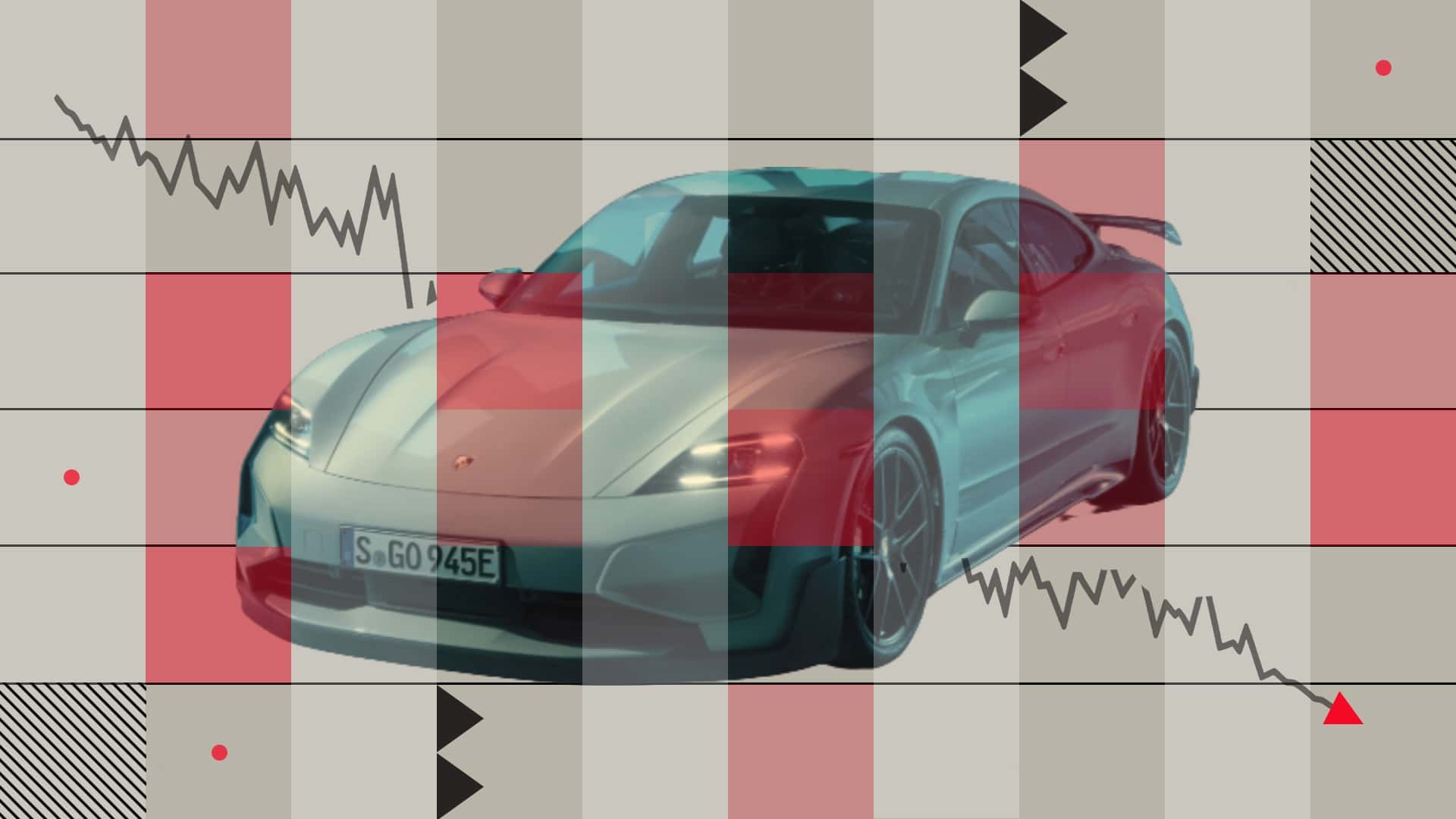
Porsche, the luxury sports car manufacturer, is implementing substantial job reductions, with approximately 9,000 positions set to be trimmed by 2035, constituting over 21% of its total workforce. This strategic adjustment comes as the company grapples with a significant downturn in the crucial Chinese market and a challenging, often fluctuating, transition to electric vehicles (EVs). The financial pressures resulting from these market dynamics are compelling Porsche to re-evaluate its investment in ambitious EV programs and potentially scale back electrification plans for key models. This shift could have broader implications for the premium EV segment, signalling a more cautious approach from legacy automakers.
Porsche’s Workforce Restructuring: A Deep Dive
Stuttgart, Germany — Porsche AG, the renowned German luxury sports car manufacturer, has announced a significant workforce restructuring plan, targeting the elimination of approximately 9,000 jobs by 2035. This represents more than 21% of its total employee base, which stood at 42,066 during fiscal year 2025, according to the company’s latest sustainability report.
The comprehensive plan aims to achieve these reductions primarily through natural attrition, early retirement schemes, and voluntary buy-outs. This measure reflects the profound challenges the company is currently facing, particularly a contracting market in China and the complex, capital-intensive pivot towards electric vehicle production.
These newly announced cuts of 5,000 jobs are in addition to roughly 4,000 previously declared workforce reductions. The cumulative impact underscores a period of intense financial strain and strategic re-evaluation within the premium automotive industry, particularly concerning the trajectory of electrification and global market dynamics.
The Dual Challenge: China’s Market Shift and EV Adoption
Porsche’s current predicament is largely attributed to a confluence of factors, with a collapsing business in China playing a pivotal role. Once a burgeoning market and a significant revenue driver for luxury automotive brands, China’s landscape has rapidly evolved, presenting unique hurdles for manufacturers like Porsche.
The Chinese automotive market has seen an accelerated shift towards indigenous electric vehicle brands, which often offer competitive technology at aggressive price points. This rapid transition has put pressure on traditional foreign premium brands, diminishing their long-standing prestige and market share.
Data reveals a stark decline in Porsche’s performance in China. Last year, the company sold just under 42,000 cars in the country. This figure represents less than half of its peak sales volume of 95,671 units recorded in 2021, highlighting a precipitous drop in demand and brand traction within one of its most critical global markets.
Pioneering Electric Vehicles: The Taycan’s Legacy and Subsequent Hurdles
Porsche has historically been recognized for its engineering prowess and technological innovation. This reputation was extended into the electric age with the introduction of the Porsche Taycan in 2019.
The Taycan arrived as a sophisticated electric vehicle, setting benchmarks for legacy automakers. It featured an 800-volt architecture, enabling exceptionally fast charge times and robust cooling capacity designed to withstand the rigours of track driving. Continuous updates have further enhanced its charging curve and range capabilities, with some newer models now exceeding 300 miles on a single charge.
The initial success and advanced capabilities of the Taycan positioned it as a testament to Porsche’s commitment to leading in the electric vehicle segment. It signalled the company’s intent to maintain its technological edge even as the automotive industry transitioned towards sustainable mobility solutions.
Following the Taycan’s debut, Porsche outlined ambitious plans for further electrification. These included transitioning the popular Macan crossover to an electric-only platform and developing all-electric versions of the Boxster and Cayman sports cars as direct replacements for their gasoline counterparts.
Strategic Reversals and Model Line Adjustments
However, the journey towards a fully electrified portfolio has proven to be fraught with challenges and strategic reversals for the luxury carmaker. The electric Macan, while lauded for its technical prowess upon arrival, faced headwinds due to its premium price point and a persistent consumer preference for gasoline engines among Porsche’s loyal buyer base.
Recognizing the potential for ‘kneecapping’ its highest-volume product, the company swiftly initiated the development of a new gas-powered Macan. This decision highlighted a miscalculation in the market’s readiness for a complete switch to electric powertrains in a high-demand model.
Similar delays and reconsiderations have plagued the electric Boxster and Cayman projects. Initially envisioned as pure electric replacements, their launch dates were repeatedly pushed back. Subsequently, Porsche announced that ultra-high-performance versions would retain gasoline engine options, a strategy that further evolved into plans for gas variants across the entire model line.
The frequent adjustments to its electrification strategy for core models have not been without cost. These ‘whipsawing’ decisions on electrification have incurred significant financial outlay and reputational strain for the company, contributing to the cash flow issues it now seeks to address through workforce reductions.
The Cayenne Electric and Future Implications for Innovation
Despite the challenges, Porsche continues to introduce impressive electric offerings. The new Cayenne Electric, which launched in U.S. showrooms this year, exemplifies cutting-edge EV technology.
This electric SUV boasts features such as wireless charging, ultra-fast DC fast charging capabilities, and a highway range that, in independent testing by InsideEVs, exceeded 350 miles. However, even this advanced model is not intended as a complete replacement for its internal combustion engine counterpart; a new gas-powered Cayenne is slated to follow.
The broader implications of these financial pressures and strategic adjustments are concerning for enthusiasts of electric vehicles. In the mid-2010s, there was an expectation that the high-end automotive market would rapidly electrify, spurring traditional luxury and performance manufacturers to invest heavily in securing a technological lead.
Today’s job cuts and strategic shifts serve as a potent reminder that misjudging market timelines can lead to catastrophic financial consequences. For niche, low-volume manufacturers like Porsche, with lengthy development cycles and limited capital, the ability to constantly ‘rejigger’ model plans is severely constrained.
The Porsche of 2017 or 2018, operating in a more favourable market and economic climate, might have had the financial flexibility to undertake significant ‘moonshot’ EV projects, such as the Taycan, to solidify its reputation for technological leadership, even if immediate per-unit profits did not match those of its conventional SUV offerings.
However, the current iteration of Porsche is operating under different circumstances. It faces capital constraints and carries the bruises of a half-decade marked by confusing and costly strategic indecision. This revised operational context is likely to temper its appetite for pioneering, high-risk EV products and reduce its willingness to aggressively push customers towards full electrification across its portfolio.
Instead, the company may adopt a strategy increasingly observed among other legacy automakers: maximizing profitability from gasoline-powered vehicles for as long as feasible, while cautiously developing a viable and profitable electric vehicle business for the future. While this approach might align with shareholder interests in the short term, it could potentially slow the pace of innovation and excitement for electric vehicle fans.
A spokesperson for Porsche declined to comment for this story.
FAQ Section
What is the scale of Porsche’s job cuts?
Porsche plans to eliminate approximately 9,000 jobs by 2035, representing over 21% of its total workforce. These reductions will be managed primarily through natural attrition, early retirement programs, and voluntary buy-outs, aiming to streamline operations and enhance financial stability amidst ongoing market challenges.
Why is Porsche implementing these workforce reductions?
The job cuts are a direct response to two major factors: a significant decline in sales and market share in China, once a vital growth region, and the substantial financial strain incurred during its complex and often revised transition to electric vehicles. These measures aim to stem cash flow losses and adapt to new market realities.
How has the China market impacted Porsche?
China, a key market for luxury vehicles, has seen a rapid pivot towards domestic EV brands, challenging traditional foreign premium automakers. Porsche’s sales in China dropped significantly from a peak of 95,671 units in 2021 to under 42,000 units last year, indicating a severe contraction in demand for its products.
What challenges has Porsche faced with its EV strategy?
Despite pioneering models like the Taycan, Porsche faced difficulties with its broader EV rollout. Plans for electric-only Macan, Boxster, and Cayman models were met with buyer resistance to high prices and a strong preference for gasoline engines, leading to strategic reversals and the reintroduction of internal combustion engine options for future models.
What does this mean for future Porsche EV development?
The current financial constraints and the lessons learned from its tumultuous EV transition suggest that Porsche may adopt a more conservative approach to future electric vehicle innovation. Ambitious ‘moonshot’ EV projects might be less frequent, with a greater focus on profitable, market-driven electrification alongside continued gasoline vehicle sales.
Are other luxury automakers facing similar challenges?
While specific details vary, many legacy luxury automakers are grappling with similar challenges. These include navigating the high costs of EV development, adapting to rapid market shifts in key regions like China, and balancing consumer demand for traditional internal combustion engines with the push towards electrification.