
Key Takeaways:
- The Trump Administration, through NHTSA, enacted significant reforms to accelerate autonomous vehicle deployment by reducing regulatory hurdles.
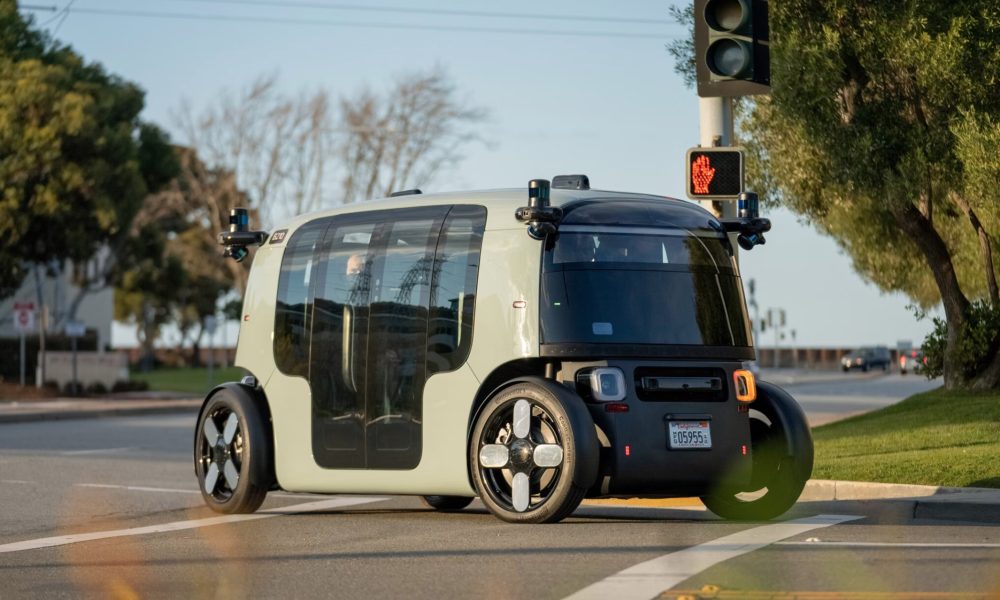
- These measures included a temporary exemption for Zoox to commercially deploy up to 2,500 robotaxis annually for two years.
- A $5 million partnership with SAE ITC was established to develop the first national AV performance standards, aiming to unify regulations.
- NHTSA streamlined the exemption application process (Part 555) and updated vehicle safety standards (FMVSS) relevant to driverless technologies.
- The changes seek to foster a more efficient regulatory landscape, positioning the U.S. for leadership in the global autonomous vehicle sector.
WASHINGTON D.C. – On July 30, 2026, the Trump Administration initiated a series of pivotal regulatory reforms aimed at significantly reducing autonomous vehicle red tape, a move poised to unlock substantial growth and innovation within the burgeoning sector. These strategic interventions, spearheaded by the National Highway Traffic Safety Administration (NHTSA), directly address long-standing concerns regarding an overly complex and fragmented regulatory environment that has, for years, challenged the widespread deployment of driverless technology.
The changes signal a clear intent from the administration to foster a more agile and responsive regulatory framework, thereby accelerating the commercialization of automated driving systems (ADS). Industry stakeholders and technology developers have long advocated for such streamlining, emphasizing its critical role in enhancing public safety through standardized protocols and fostering a competitive landscape for American innovation.
Addressing Regulatory Fragmentation in Autonomous Mobility
For many years, the autonomous vehicle industry grappled with a convoluted regulatory landscape, characterized by a patchwork of state and federal guidelines that often lacked cohesion. This inconsistency not only created significant operational challenges for companies developing self-driving cars but also slowed the pace of technological advancement and commercial deployment. The inherent complexity of autonomous vehicle red tape acted as a deterrent, impeding the sector’s potential to revolutionize transportation and mobility.
The NHTSA’s recent announcements represent a concerted effort to dismantle these barriers, replacing them with a more unified and efficient system. Secretary Sean Duffy, articulating the administration’s vision, underscored the importance of a regulatory environment that supports both innovation and robust safety oversight, ensuring that the United States maintains its competitive edge in this critical technological race.
Key Regulatory Reforms for Driverless Technology
The administration, through NHTSA, implemented five core terms designed to invigorate the autonomous vehicle sector. These measures span from granting specific company exemptions to establishing foundational national safety standards and modernizing existing regulatory processes, all with the goal of creating a clearer path for commercial deployment.
Zoox Secures Commercial Deployment Exemption
A significant highlight of the new regulatory approach was the decision to grant a temporary two-year exemption to Zoox, an innovator in the autonomous vehicle space. This exemption permits the commercial deployment of up to 2,500 of the company’s robotaxis annually, a move that provides a crucial pathway for the direct operation of their driverless technology on public roads.
This approval is contingent upon an adaptable oversight structure designed to evolve with Zoox’s technological advancements. The decision not only validates the company’s progress but also serves as a precedent for how future commercial deployment of highly automated vehicles might be approached under a more flexible regulatory framework.
Partnership for National AV Performance Standards
To address the pressing need for unified safety benchmarks, NHTSA forged a strategic partnership with the SAE Industry Technologies Consortia (ITC). This collaboration will fund a three-year, $5 million initiative known as “A2SCEND,” bringing together leading experts to gather essential data and accelerate the creation of the first-ever national autonomous vehicle performance standards.
The objective is to establish a single, comprehensive national standard for AV safety, effectively eliminating the fragmented regulatory landscape that has historically stifled innovation across states. This standardization is critical for ensuring consistent safety levels and facilitating scalable deployment of self-driving cars nationwide.
Interim Final Rule for Exemption Eligibility
In a move to modernize the application process and enhance accessibility for innovators, NHTSA published an interim final rule. This new rule allows vehicles manufactured prior to an exemption’s effective date to be eligible for commercial deployment exemptions. This grants the NHTSA Administrator greater discretion to apply temporary exemptions retroactively, offering more flexibility to developers who have invested in manufacturing prototypes or early production units.
This policy adjustment is expected to streamline the path to market for cutting-edge driverless technologies, reducing bureaucratic delays and better aligning regulatory timelines with product development cycles in the fast-paced autonomous vehicle industry.
Streamlining Part 555 Exemption Process
Recognizing the need for a more efficient pathway for testing new technologies, NHTSA announced updates to the Part 555 exemption process. This process traditionally allowed automakers to temporarily sell a limited number of non-compliant vehicles for testing purposes.
By updating guidance and actively soliciting public feedback, NHTSA aims to create a more flexible oversight structure for these exemptions. This includes expanding exemption pathways, streamlining crash reporting protocols, and continuing efforts to modernize Federal Motor Vehicle Safety Standards (FMVSS) to better accommodate autonomous capabilities.
New Federal Docket for AV Development Guidance
A critical step towards ensuring public safety and industry transparency involved establishing a new Federal Docket for public feedback. This docket will gather input on NHTSA’s updated technical guidance for autonomous vehicles, marking the first update since 2017.
The revised guidance will focus on key safety areas integral to driverless deployments, including emergency responder interactions, robust safety management systems, effective remote assistance capabilities, and predictable post-crash behavior. This collaborative approach aims to help the industry safely scale up driverless operations while maintaining public trust.
Modernizing Federal Motor Vehicle Safety Standards
Beyond the five core reforms, NHTSA also confirmed significant modernization efforts across several Federal Motor Vehicle Safety Standards (FMVSS). These updates are crucial for integrating autonomous vehicle red tape into existing automotive safety regulations, ensuring that driverless systems operate within well-defined safety parameters.
Proposed updates touch upon a range of standards, including:
- FMVSS 102 – Transmission shifting mechanisms.
- FMVSS 103/104 – Windshield defrosting and wiping systems.
- FMVSS 110 – Tire placards and information.
- FMVSS 135 – Braking systems, crucial for automated control.
- FMVSS 101 – Controls and displays, adapting to non-human operators.
- FMVSS 108 – Vehicle lighting, considering sensor integration.
- FMVSS 111 – Mirrors and rearview displays, for situational awareness.
- FMVSS 126 – Electronic stability control systems, for vehicle dynamics.
- FMVSS 201/208 – Sun visors and warning labels, for cabin safety.
These comprehensive updates reflect a forward-thinking approach to safety, acknowledging the paradigm shift introduced by automated driving systems. By adapting these foundational standards, NHTSA aims to create a cohesive regulatory environment that fosters technological innovation while steadfastly prioritizing public protection.
Future Outlook for US Dominance in Autonomous Vehicles
The Trump Administration’s decisive actions to cut autonomous vehicle red tape are anticipated to have a transformative impact on the U.S. position in the global race for autonomous mobility. By fostering a more streamlined and efficient regulatory process, the government aims to create an attractive ecosystem for research, development, and commercialization of self-driving cars.
This strategic push is designed to enable the U.S. to achieve dominance over autonomous vehicle systems, driving economic growth, creating new job opportunities, and enhancing the safety and efficiency of transportation for all. The commitment to a single national standard, combined with flexible exemption pathways, positions the country to lead the next era of automotive innovation.
Frequently Asked Questions (FAQ)
What was the primary goal of the Trump Administration’s announcement on autonomous vehicles?
The primary goal was to slash autonomous vehicle red tape, thereby streamlining the regulatory process and fostering innovation. This was intended to accelerate the deployment of driverless technology and position the U.S. as a leader in the global autonomous vehicle sector.
Which government agency was responsible for implementing these changes?
The National Highway Traffic Safety Administration (NHTSA), under the direction of Secretary Sean Duffy, was the key government agency responsible for implementing the new terms and modernizing the regulatory framework for autonomous vehicles.
What specific benefit did Zoox receive from these new regulations?
Zoox received a temporary two-year exemption allowing the commercial deployment of up to 2,500 robotaxis annually. This exemption is crucial for the company to operate its driverless technology commercially on public roads under an adaptable oversight structure.
How will the new partnership with SAE ITC impact the autonomous vehicle industry?
The $5 million partnership with SAE ITC will fund the “A2SCEND” consortium to develop the first-ever national AV performance standards. This aims to create a single, unified national standard for AV safety, eliminating regulatory fragmentation and accelerating innovation across the industry.
What is the purpose of modernizing Federal Motor Vehicle Safety Standards (FMVSS) for autonomous vehicles?
Modernizing FMVSS is crucial to adapt existing safety regulations to the unique characteristics of driverless technology. These updates ensure that automated driving systems operate safely and effectively, addressing aspects like braking, lighting, controls, and other critical vehicle functions without human intervention.
How does the new interim final rule affect autonomous vehicle developers?
The interim final rule modernizes the application process by allowing vehicles manufactured before an exemption’s effective date to be eligible for commercial deployment exemptions. This provides the NHTSA Administrator discretion to apply temporary exemptions retroactively, offering greater flexibility and streamlining market access for innovators.
Why was a new Federal Docket established for public feedback on AV guidance?
A new Federal Docket was established to solicit public feedback on NHTSA’s updated technical guidance for autonomous vehicles. This ensures transparency and incorporates diverse perspectives on critical safety areas like emergency responder interactions and remote assistance, helping the industry safely scale up driverless deployments.
What is the envisioned long-term impact of these regulatory reforms on the U.S. economy?
The long-term impact is expected to include heightened U.S. dominance in the autonomous vehicle sector. By reducing autonomous vehicle red tape, the reforms aim to stimulate economic growth, foster job creation, and enhance transportation efficiency and safety, making the U.S. a leader in next-generation mobility solutions.