
Key Takeaways
- A recent report from the Insurance Institute for Highway Safety (IIHS) indicates Waymo autonomous vehicles are involved in fewer crashes than human-driven cars, though direct comparisons present methodological challenges.
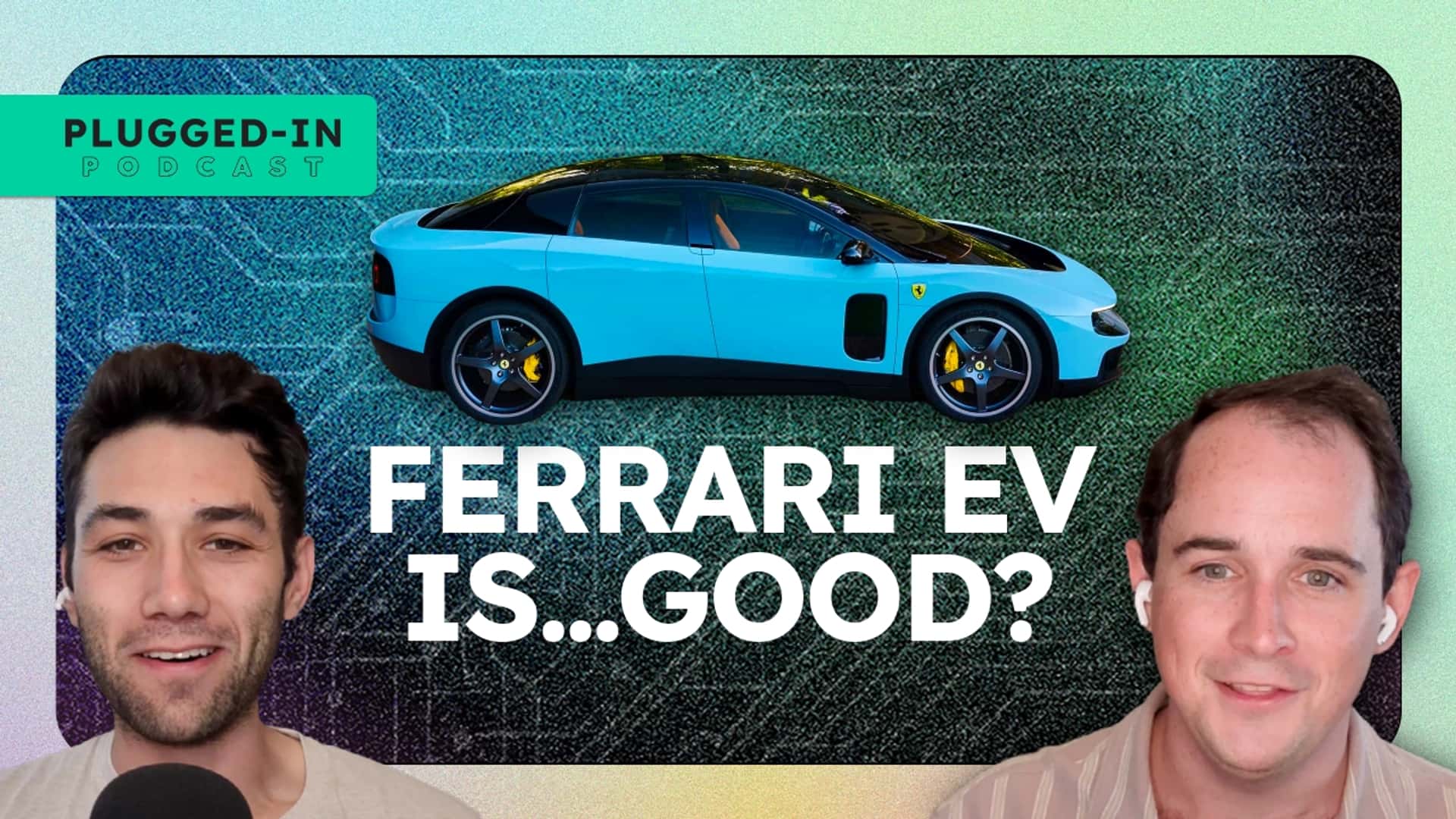
- Initial reviews of early prototypes for the Ferrari Luce EV reveal an “absolute joy to drive,” potentially silencing critics of the luxury brand’s foray into electrification.
- Real-world highway range tests for the Rivian R2, conducted by experts like Tom Moloughney and Out of Spec, are crucial for assessing its competitiveness against established models such as the Tesla Model Y by 2026.
The electric vehicle (EV) sector continues its rapid evolution, marked by advancements in autonomous technology, groundbreaking luxury models, and the ongoing race for consumer appeal. Recent discussions among industry experts have cast a spotlight on three critical areas shaping the future of mobility: the safety metrics of Waymo’s autonomous vehicles, the initial driving impressions of the highly anticipated Ferrari Luce electric vehicle, and the real-world performance assessments of the Rivian R2.
These diverse developments, ranging from foundational safety research to the performance of cutting-edge automotive engineering, offer significant EV market insights. They collectively highlight the dynamic challenges and opportunities facing manufacturers, regulators, and consumers as the world transitions towards an electrified and increasingly automated transportation ecosystem.
Assessing Autonomous Safety: The Waymo Conundrum
The integration of autonomous vehicles (AVs), particularly in commercial services like robotaxis, raises profound questions about safety and public trust. The Insurance Institute for Highway Safety (IIHS), a respected authority in vehicle safety research, has released a new report attempting to quantify the safety performance of Waymo’s self-driving cars compared to human-operated vehicles.
The research sought to address a pivotal question for the burgeoning robotaxi industry: Are autonomous vehicles inherently safer than human drivers? The findings indicated that, indeed, Waymo vehicles experienced fewer crashes when juxtaposed against human-driven counterparts. This statistic offers a glimpse into the potential for AV technology to enhance road safety.
However, the IIHS report also introduced a critical caveat, underscoring the inherent difficulties in establishing a truly equitable comparison. Industry experts, including those consulted by podcast hosts, have elaborated on these complexities. Factors such as varied operational domains for AVs versus human drivers, differing data collection methodologies, and the sheer variability of human driving behavior make direct, apples-to-apples comparisons challenging.
Understanding these nuances is vital for policymakers and the public alike. While the initial data on Waymo autonomous safety is encouraging, the ongoing research into how these systems interact with real-world complexities will be instrumental in building robust safety frameworks for the future of autonomous transportation.
The Ferrari Luce EV: A Triumph Over Skepticism?
Ferrari’s venture into the fully electric vehicle segment has been one of the most keenly watched and, at times, controversial developments in the luxury automotive world. The unveiling of the Ferrari Luce electric vehicle, positioned as a flagship in the brand’s electrified future, has drawn significant attention and debate among purists and EV enthusiasts alike.
Many questioned whether Ferrari could translate its legendary performance, visceral driving experience, and iconic sound into an electric powertrain without compromising its core identity. The term “world’s most controversial EV” has frequently been associated with the Luce, reflecting the high stakes and diverse opinions surrounding its development.
Recent developments, however, suggest a potential shift in this narrative. Initial reviews of early prototypes of the Ferrari Luce EV have now emerged, providing the first tangible driving impressions from independent testers. These reviews have been remarkably positive, with reports universally describing the car as an “absolute joy to drive.”
This early validation is a significant milestone for Ferrari. It suggests that the brand may have successfully navigated the formidable challenge of electrifying its portfolio while preserving the exhilaration and engagement that define a Ferrari. These positive assessments could help to quiet the skepticism and establish the Ferrari Luce electric vehicle as a credible contender in the ultra-luxury EV segment, influencing broader EV market insights.
Rivian R2: Real-World Range and the Competitive Landscape
The Rivian R2 represents a strategic expansion for the American EV manufacturer, aiming to capture a broader market segment with its more accessible pricing and versatile SUV design. As the anticipated 2026 launch approaches, the performance metrics of the Rivian R2 are under intense scrutiny, particularly its real-world driving range.
To provide accurate consumer expectations, independent evaluations are critical. Experts like Tom Moloughney and Out of Spec, known for their rigorous testing protocols, have begun conducting real-world Rivian R2 range tests. These evaluations often focus on highway range, a crucial metric that reflects sustained performance under typical long-distance driving conditions, which can differ significantly from official EPA estimates.
The results of these highway range evaluations are pivotal for the R2’s market viability. They directly inform the ongoing debate within the EV community: Does the Rivian R2 possess the necessary attributes, particularly in terms of range and efficiency, to effectively compete in 2026? The competitive landscape is formidable, with well-established and highly popular models already vying for consumer attention.
A primary benchmark for the R2 is often the Tesla Model Y. Comparisons frequently arise regarding charging infrastructure, software experience, and overall value proposition. The successful performance of the Rivian R2 in these real-world tests will be crucial for its ability to carve out a significant market share and provide compelling reasons for consumers to choose it over alternatives like the Tesla Model Y, further enriching EV market insights.
Charting the Future of Electric Mobility
The ongoing discourse around Waymo safety, the surprising performance of the Ferrari Luce electric vehicle, and the critical real-world evaluations of the Rivian R2 collectively paint a vivid picture of the dynamic and rapidly maturing EV industry. These insights are not isolated but rather interconnected facets of a larger transformation in personal and public transportation.
From ensuring the reliability of autonomous systems to pushing the boundaries of electric luxury and delivering practical, high-performing consumer vehicles, the EV sector is continually innovating. Each development, whether a breakthrough in safety research or a new product launch, contributes to the collective understanding of electric vehicle market dynamics and consumer preferences.
As these technologies evolve, the focus remains on enhancing user experience, addressing environmental concerns, and fostering widespread adoption. The lessons learned from areas like autonomous safety protocols and real-world EV range tests will undoubtedly shape future designs, regulatory frameworks, and consumer perceptions, driving the global shift towards sustainable mobility.
FAQ Section
What did the IIHS report reveal about Waymo autonomous vehicles?
The Insurance Institute for Highway Safety (IIHS) report indicated that Waymo autonomous vehicles were involved in fewer crashes compared to human-driven cars. However, it also highlighted the inherent difficulties in making direct, equivalent comparisons due to varying operational conditions and data collection methods.
Why is the Ferrari Luce EV considered controversial?
The Ferrari Luce EV generated controversy due to skepticism about whether a traditional luxury performance brand could transition to electric powertrains without losing its signature driving characteristics, sound, and overall appeal to purists. There were concerns about maintaining the brand’s iconic identity in an electric format.
What were the initial reviews of the Ferrari Luce EV prototypes?
Initial reviews of early Ferrari Luce EV prototypes have been overwhelmingly positive. Testers described the experience as an “absolute joy to drive,” suggesting that Ferrari has successfully integrated an electric powertrain while preserving the engaging and high-performance driving dynamics expected from the marque.
Who conducted the real-world range tests for the Rivian R2?
Real-world highway range evaluations for the Rivian R2 were conducted by prominent automotive experts, including Tom Moloughney and Out of Spec. These tests aim to provide practical insights into the R2’s performance under typical driving conditions, offering a more realistic assessment than laboratory ratings.
How does the Rivian R2 aim to compete in the EV market by 2026?
The Rivian R2 is designed to compete by offering a more accessible electric SUV option, leveraging Rivian’s brand reputation for adventure and utility. Its success in 2026 will depend on its real-world range, charging speed, competitive pricing, and ability to stand out against rivals like the popular Tesla Model Y.
Why is comparing autonomous vehicle safety to human drivers difficult?
Comparing autonomous vehicle safety to human drivers is challenging due to several factors. These include differences in the environments and conditions in which AVs currently operate, inconsistencies in crash reporting data for both human and autonomous vehicles, and the variability and unpredictability inherent in human driving behavior.