
Key Takeaways:
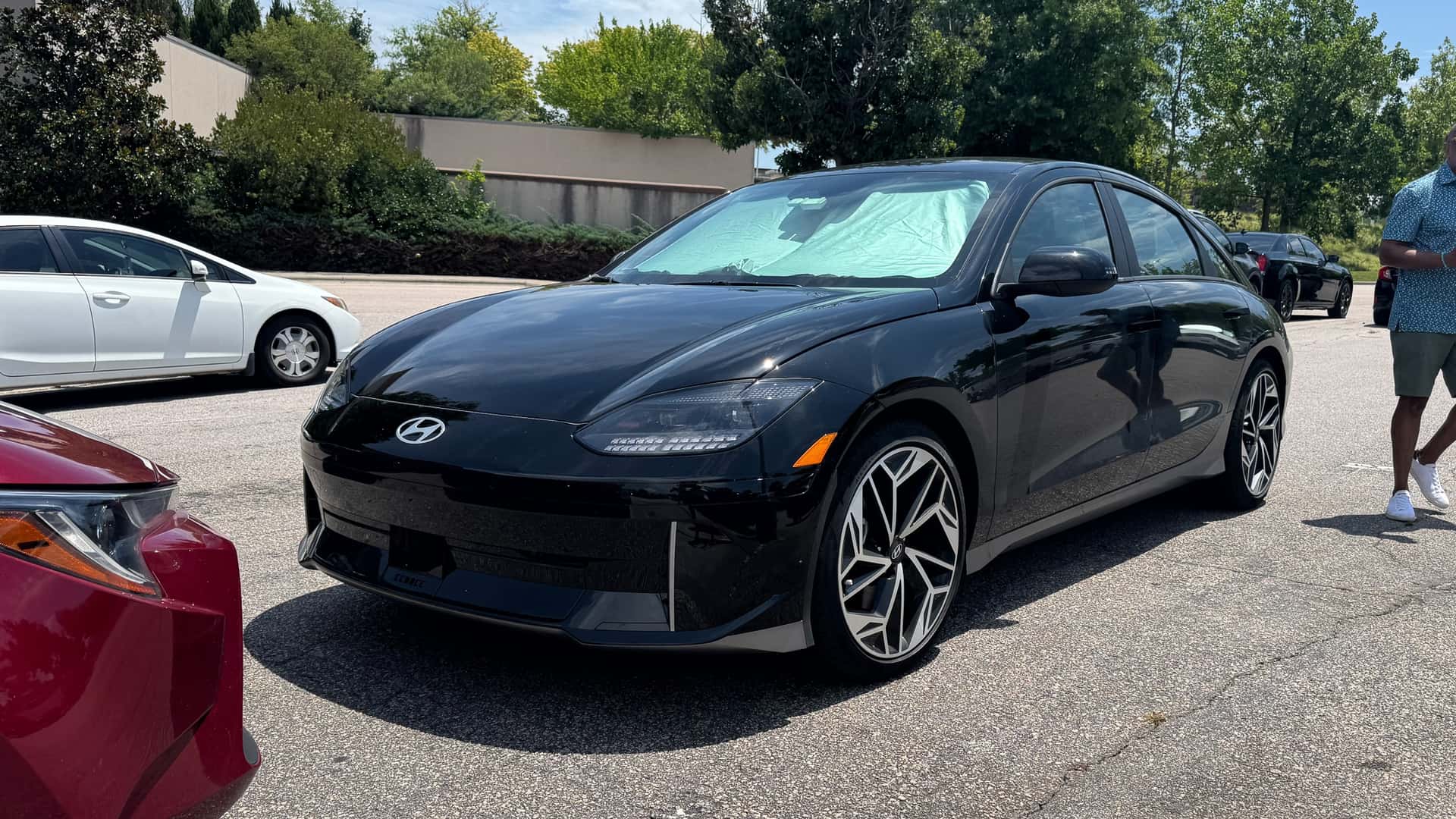
- A couple in their 60s and 70s residing in rural North Carolina successfully transitioned to a full electric vehicle (EV) lifestyle, replacing both their gasoline cars with a Hyundai Ioniq 6.
- Initial concerns regarding their lack of prior EV knowledge, the absence of nearby public charging infrastructure, and their age demographic were quickly disproven.
- The couple proactively invested in a Tesla Universal Wall connector for home charging, transforming their ‘EV living’ experience into one of convenience and cost-effectiveness.
- Their successful long-distance road trip to Atlanta further validated the practicality of electric vehicles for varied travel needs, even for those accustomed to traditional combustion engines.
- This case study underscores that the benefits of electric vehicle ownership, particularly with home charging, can appeal to and be managed by a broad demographic, challenging common preconceptions about EV adoption.
The landscape of electric vehicle adoption often conjures images of urban dwellers and tech-savvy individuals. However, a recent development in rural North Carolina challenges these conventional notions, highlighting the surprising ease with which even seasoned retirees can embrace a fully electric lifestyle. The unexpected shift of a couple in their 60s and 70s, from a Lincoln Corsair and Mini Cooper to a single Hyundai Ioniq 6, offers compelling insights into the practicality and appeal of modern EVs.

This transition initially sparked apprehension due to the couple’s age, their rural location — an hour’s drive from the nearest major city — and their perceived limited knowledge of electric vehicle ownership and charging infrastructure. Despite these concerns, their experience over subsequent months provided a definitive answer: ‘EV living’ can seamlessly integrate into daily routines, proving its intrinsic value without extensive prior expertise.
The Unexpected Leap to Electric Vehicle Ownership
The decision to go fully electric was a surprising turn for the couple, who had a long-standing association with Ford Motor Company due to the husband’s prior employment. Historically, their vehicle choices leaned towards Ford products, often small crossovers leased with a retiree discount. Their past interest in an electrified vehicle had previously extended only to a failed attempt to lease a Ford Maverick Hybrid, suggesting a preference for hybrid models over full EVs.
Initial conversations hinted at a gradual move towards electrification, with inquiries about hybrid models like the Toyota Venza or Honda Civic Hybrid. The couple expressed some confusion regarding the charging requirements for plug-in hybrids (PHEVs), often assuming that many hybrids on the market necessitated plugging in. Reassurance was provided that models such as the new Toyota Prius were available in non-PHEV forms, thus not requiring external charging.

The pivotal moment arrived in March when the husband inquired about the 2025 Hyundai Ioniq 6, a model that had seen significant market discussion due to its U.S. cancellation and attractive lease deals. While initially perceived as passive interest, this query soon led to a swift decision. Within five days, the couple had test-driven both a Mustang Mach-E and the Ioniq 6.
The husband’s account of the process was direct: “Yesterday, we drove the Mustang Mach-E and liked it, but I thought they wanted too much even with my retiree discount. Today, we drove the Ioniq 6. I loved it, and the price was right. It’s in our garage now.” This rapid acquisition underscored their criteria for a new vehicle: a low-slung car, suitable for their small garage, and a desire to reduce overall expenses, ruling out pricier options like the Mini Countryman S and SE or the Toyota Prius Prime.
Initial Hurdles in Rural EV Adoption
Despite the excitement, the immediate practicalities presented a challenge. The couple’s rural home lacked dedicated electric vehicle charging infrastructure, and the nearest DC fast charger was approximately 30 minutes away. This raised legitimate concerns about potential range anxiety and the convenience of daily ‘EV living’ without readily accessible charging options. The initial weeks of ownership proved to be a learning curve.
The wife reflected on this period, stating, “Yeah, those first couple of weeks took a bit of adjustment; charging bills were a little more expensive than we thought they’d be, and sometimes it doesn’t go as fast as we thought, either.” This feedback aligns with common challenges faced by new EV owners, particularly those navigating public charging networks without prior experience.
The Transformative Impact of Home Charging
The turning point in their ‘EV living’ experience came swiftly. After the first month of owning the Hyundai Ioniq 6, the couple sold their Mini Cooper and repurposed the funds to install a Tesla Universal Wall connector at their residence. This single investment proved to be a game-changer. Operating at 48 amps, the new home charging unit could efficiently recharge the Ioniq 6’s 77.4 kWh battery from empty to full overnight.
With home charging established, the couple’s perception of electric vehicle ownership shifted dramatically. The initial concerns about convenience and cost largely dissipated. “Yeah, we don’t really even notice the power bill, to be honest. It’s gone up a little bit, but we really don’t even feel it,” the wife explained, highlighting the seamless integration of charging into their household expenses.
Embracing the Full EV Living Experience
The couple’s newfound confidence in their Hyundai Ioniq 6 extended beyond daily commutes. They embarked on a 400-mile road trip to Atlanta, a journey that might typically provoke range anxiety for many first-time EV owners, especially in an area with sparse charging options. However, their experience proved remarkably smooth. They reported only two charging stops – one on the outward journey and another on the return – leveraging the Ioniq 6’s EPA-rated range of 270 miles.
Their driving habits, characterized by moderate speeds, further enhanced the vehicle’s efficiency. For the couple, the approximately 30 minutes required for a charging stop became an opportune moment for a restful break and a meal, transforming potential inconvenience into a “relaxing” part of their travel routine. This perspective offers a valuable lesson in adapting travel habits to the realities of electric vehicles.
Overcoming Skepticism and Redefining Convenience
The couple’s journey from skepticism to enthusiastic endorsement of ‘EV living’ serves as a powerful testament to the evolving practicality of electric vehicles. Their experience resonates particularly given the widespread hesitations regarding EV adoption among the general public, especially those in non-urban settings. Many often express doubts about readiness for electric cars, citing concerns that were directly addressed and overcome by this couple.
The psychological shift was profound. “I never realized how much I didn’t ever really like going to gas stations. I don’t really ever want to have to go to them again,” the wife candidly expressed. The husband echoed similar sentiments, praising the simplicity of the charging process and the user-friendliness of public charging applications. For them, ‘EV living’ means simply unplugging their car and departing, free from the traditional burdens of fuel stops or range anxiety.
Their story provides a compelling narrative for the future of EVs across America. While challenges in broader adoption, such as expanding public charging networks and educating consumers, remain, this couple’s success demonstrates the inherent appeal and viability of electric vehicles. If ‘EV living’ can win over retirees in rural North Carolina with minimal prior knowledge of electrification, it strongly suggests the potential for widespread acceptance across diverse demographics.
FAQ Section
Is EV ownership feasible in rural areas?
Yes, this couple’s experience demonstrates that EV ownership is feasible in rural areas, especially with a home charging solution. While public charging infrastructure may be less dense, home charging can alleviate many concerns related to range and accessibility for daily use.
What were the initial concerns about the couple’s EV transition?
Initial concerns centered on the couple’s age (60s and 70s), their rural North Carolina location (an hour from a major city), their presumed lack of EV knowledge, and the absence of home charging infrastructure.
How did the couple overcome their charging challenges?
The couple proactively installed a Tesla Universal Wall connector at their home. This 48-amp charger allows them to fully recharge their Hyundai Ioniq 6’s 77.4 kWh battery overnight, effectively eliminating their initial public charging dependencies.
What type of EV did the couple purchase?
They purchased a Hyundai Ioniq 6 SEL AWD. This model met their criteria for a low-slung vehicle suitable for their small garage and offered an attractive price point compared to other options they considered.
How did their perception of power bills change after installing home charging?
Initially, charging bills were slightly higher than expected. However, after installing home charging, the convenience outweighed the cost, with the wife noting, “we don’t really even notice the power bill, to be honest. It’s gone up a little bit, but we really don’t even feel it.”
Did the couple experience range anxiety on long trips?
No, they reported a seamless experience on a 400-mile road trip, making only two charging stops. They found the 270-mile EPA-rated range of their Ioniq 6 sufficient, and the charging breaks served as relaxing rest periods.
What is the significance of their story for broader EV adoption?
Their story highlights that the practical benefits and ease of ‘EV living’ can appeal to and be successfully managed by a wide range of demographics, including older individuals in rural settings, challenging common misconceptions about electric vehicle feasibility.