
Key Takeaways:
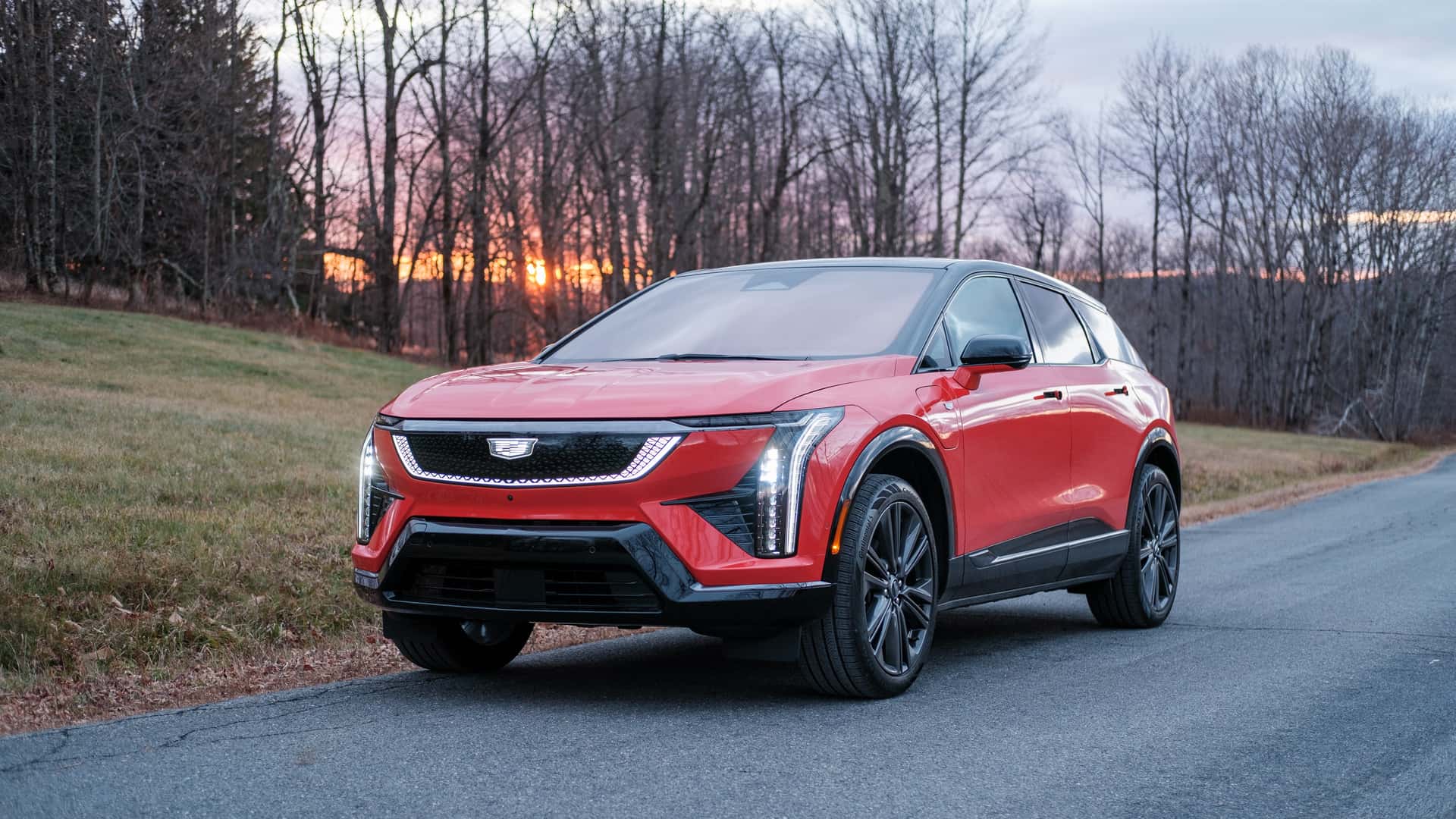
- General Motors is poised to integrate a high-tech electric vehicle platform, engineered in China, into future versions of the Cadillac Optiq.
- This specific iteration of the Cadillac Optiq featuring the China-developed EV platform will not be available in the U.S. market, adhering to existing restrictions on Chinese hardware and software.
- The strategic decision underscores a growing trend among leading global automakers to leverage advanced Chinese technology to maintain competitiveness in the rapidly evolving international electric vehicle landscape.
- The Xiao Yao platform, a 900-volt capable architecture developed by SAIC-GM’s Pan Asia Technical Automotive Center (PATAC), is designed for flexibility across various powertrain types and body styles.
- GM’s move reflects its adaptation to market demands, particularly in China and other overseas territories where locally optimized EV solutions are crucial for challenging established domestic players.
In a significant development reflecting the evolving dynamics of the global automotive industry, General Motors (GM) is set to equip certain versions of its Cadillac Optiq with an advanced electric vehicle (EV) platform developed through its joint venture in China. This strategic pivot, initially reported by Reuters and subsequently confirmed by GM, highlights a growing reliance by Western automakers on Chinese technological prowess, particularly for markets outside the United States.
While the U.S. market will not see the Cadillac Optiq utilizing this China-developed EV platform due to existing hardware and software restrictions, the decision signals a broader trend. International car manufacturers are increasingly looking to China’s burgeoning EV ecosystem for innovative solutions to remain competitive in various global territories.
General Motors’ Strategic Pivot in EV Architecture
The move to incorporate a China-developed EV platform into the Cadillac Optiq is a calculated response to the intense competition and rapid technological advancements observed in the Chinese electric vehicle market. General Motors operates two prominent joint ventures in China: one with the state-owned SAIC Corporation and another tripartite partnership involving SAIC and Wuling.
According to the Reuters report, the forthcoming Cadillac Optiq models destined for select international markets will utilize the Xiao Yao platform. This sophisticated electric vehicle architecture was conceived and refined at the Pan Asia Technical Automotive Center (PATAC) in Shanghai, a key research and development hub established by the SAIC-GM joint venture.
The Xiao Yao Platform: A Deep Dive into China-Developed EV Technology
The Xiao Yao platform represents a significant leap in electric vehicle design, showcasing capabilities that position it as a formidable competitor in the global market. Unlike GM’s American-designed Ultium platform, which has faced challenges gaining traction in China, the Xiao Yao platform is specifically tailored for the unique demands and rapid innovation cycle of the Asian market.
One of the key technical highlights of the Xiao Yao platform is its 900-volt capability. This high-voltage architecture typically translates into significantly faster charging speeds, a critical factor for consumer adoption and convenience in the EV segment. This advanced voltage system is already in use across multiple Buick models, including the Electra L7 and the E7, which are sold in the Chinese market.
Software-Defined Flexibility and Advanced Features
Last year, SAIC-GM officially unveiled the Xiao Yao platform, emphasizing its design as a truly software-defined vehicle (SDV) architecture. This designation means the platform boasts exceptional flexibility and adaptability, allowing for seamless integration of new functionalities and updates through software rather than requiring extensive hardware modifications. This characteristic is vital in an industry where technological cycles are increasingly short.
The platform’s versatility extends to its support for various powertrain configurations, encompassing pure electric vehicles (EVs), plug-in hybrids (PHEVs), and extended-range vehicles. Furthermore, it can be adapted to nearly all body types, from multi-purpose vehicles (MPVs) and sedans to sport utility vehicles (SUVs), providing manufacturers with immense design freedom. It also accommodates front-wheel-drive, rear-wheel-drive, and all-wheel-drive configurations, catering to diverse performance and consumer preferences.
Beyond its structural and powertrain flexibility, the Xiao Yao platform places a strong emphasis on integrating advanced cockpit technologies, optimizing energy efficiency, and enabling high-speed charging. These features are paramount in meeting the expectations of modern EV consumers, who demand cutting-edge digital experiences, extended range, and minimal charging downtime.
Impact on Global Cadillac Optiq Offerings
The integration of the Xiao Yao platform suggests that certain Cadillac Optiq models sold in overseas markets could potentially offer superior charging speeds, more advanced battery technologies, and highly sophisticated in-cabin experiences compared to their U.S. counterparts. This distinction could prove crucial for the Optiq’s competitiveness, particularly in regions like Europe, which are witnessing a rapid influx of highly advanced Chinese electric vehicles.
General Motors already sells the Cadillac Optiq and Lyriq in Europe. Adapting the Optiq with more advanced, locally developed Chinese technology for these markets would be a pragmatic strategy to enhance its appeal and market share where the Ultium platform has struggled to gain significant traction against nimble local competitors and other global players.
The Broader Trend: Western Automakers Leaning on Chinese Innovation
The decision by General Motors is not an isolated incident but rather indicative of a broader industry-wide trend. Western automakers are increasingly recognizing China not just as a vast consumer market but also as a powerhouse of electric vehicle research and development. The speed of innovation, technological maturity, and often cost-effectiveness of solutions originating from China are proving irresistible to global brands striving to stay ahead.
For example, Renault has also engaged with Chinese expertise, developing its latest Twingo E-Tech at its dedicated R&D center in Shanghai. Similarly, premium German brands like Audi and South Korean giant Hyundai are reportedly planning to establish or expand their research and development hubs in China. This movement signifies a strategic shift, acknowledging China’s leading role in certain facets of EV technology, particularly in software integration, battery advancements, and manufacturing efficiency.
This trend underscores a future where automotive technology will increasingly flow in multiple directions globally, challenging the historical dominance of traditional automotive powerhouses. For consumers in markets open to these China-developed platforms, it could mean access to more technologically advanced and competitively priced electric vehicles.
U.S. Market Remains Distinct
It is important to reiterate that the U.S. market, with its specific regulatory framework and concerns regarding technology transfer and national security, will continue to operate under different conditions. General Motors has clearly stated that the Xiao Yao platform will not be introduced into the United States. This ensures that the Cadillac Optiq models sold stateside will remain based on GM’s global architecture, such as the Ultium platform, thereby having no direct impact on U.S. consumers or their vehicle offerings.
This dual-platform strategy allows GM to tailor its products to meet the diverse regulatory and competitive landscapes of different global regions while navigating geopolitical considerations. The ongoing developments serve as a compelling narrative of how global automakers are adapting their strategies to thrive in a fragmented yet interconnected international EV market.
The integration of the China-developed EV platform into the Cadillac Optiq for specific markets is a testament to the dynamic and competitive nature of the global electric vehicle sector. It underscores the importance of regional innovation hubs and strategic partnerships in delivering advanced, market-specific solutions, setting a precedent for how global automotive brands may operate in the years to come.
FAQ
What is the Cadillac Optiq China platform?
The Cadillac Optiq China platform refers to the Xiao Yao electric vehicle architecture developed by SAIC-GM’s Pan Asia Technical Automotive Center (PATAC) in Shanghai. This advanced platform is set to be used in specific versions of the Cadillac Optiq destined for certain international markets, showcasing capabilities like 900-volt charging and a software-defined design for enhanced flexibility.
Why is GM using a China-developed platform for the Cadillac Optiq?
General Motors is leveraging the China-developed platform to enhance the Cadillac Optiq’s competitiveness in overseas markets, particularly in China and Europe. This strategy responds to the rapid technological advancements by local EV manufacturers in China and the comparatively sluggish sales of GM’s Ultium-based models there, aiming to offer more advanced and market-tailored features.
Will the Cadillac Optiq with the Chinese platform be available in the U.S.?
No, General Motors has confirmed that the Cadillac Optiq featuring the China-developed Xiao Yao platform will not be available in the U.S. market. This decision is primarily due to existing restrictions and regulations concerning Chinese hardware and software in the United States, ensuring no impact on the Optiq models sold stateside.
What are the key features of the Xiao Yao platform?
The Xiao Yao platform is a 900-volt capable, software-defined vehicle architecture. It supports a wide range of powertrains (EVs, PHEVs, extended-range) and body types (MPVs, sedans, SUVs), including various drive configurations (FWD, RWD, AWD). It also prioritizes advanced cockpits, high energy efficiency, and fast-charging capabilities, making it highly competitive.
How does this move impact GM’s global EV strategy?
This move signifies a strategic adaptation by General Motors to the diverse global EV landscape. By utilizing a China-developed platform for specific markets, GM can offer more competitive and technologically advanced vehicles tailored to regional demands, acknowledging China’s leadership in certain EV innovations and reinforcing its commitment to localized solutions.
Are other Western automakers also using Chinese EV technology?
Yes, the trend extends beyond General Motors. Other major Western automakers are increasingly leaning on Chinese EV technology and R&D. Examples include Renault, which developed its latest Twingo E-Tech at its Shanghai R&D center, and both Audi and Hyundai, which are reportedly planning to expand their research and development operations in China.
What is the difference between Ultium and Xiao Yao platforms?
The Ultium platform is GM’s proprietary, U.S.-designed EV architecture underpinning most of its electric vehicles in North America. The Xiao Yao platform, developed in China by SAIC-GM, is a China-tailored platform focusing on agility, software-defined flexibility, and features like 900-volt charging to compete effectively with advanced local EV offerings in Asian and potentially European markets, where Ultium has faced challenges.