
Key Takeaways:
- Scandium Canada and the University of Windsor’s CHARGE center have initiated a significant research collaboration.
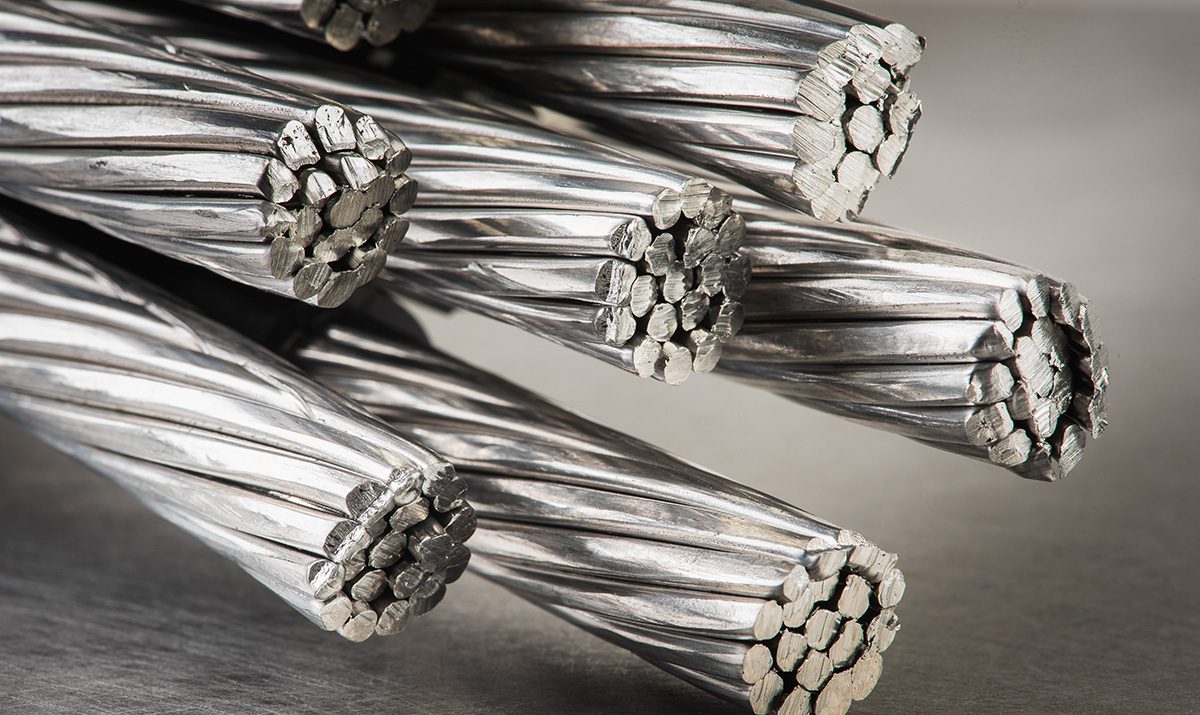
- The partnership aims to evaluate aluminum-scandium (Al-Sc) alloy wire as a potential game-changer for electric vehicle (EV) traction motor windings.
- The research will comprehensively assess Al-Sc wire’s functionality, durability, practicality, and cost-effectiveness compared to traditional copper.
- Al-Sc offers the promise of lighter EV motors with comparable electrical conductance and enhanced mechanical strength.
- Successful outcomes will be commercialized through Scalium+, a subsidiary of Scandium Canada, potentially accelerating advancements in EV efficiency and range.
Revolutionizing EV Powertrains with Advanced Material Science
In a strategic move set to potentially redefine electric vehicle (EV) motor technology, Scandium Canada and the University of Windsor’s Centre for Hybrid Automotive Research and Green Energy (CHARGE) have announced a pioneering collaboration. The two entities have formalized their intent through a non-exclusive memorandum of understanding (MOU) to rigorously investigate the application of aluminum-scandium (Al-Sc) alloy wire as a groundbreaking winding material for EV traction motors. This collaborative endeavor, publicly announced on August 5, 2026, marks a critical step towards developing lighter, more efficient, and robust power systems for the burgeoning electric automotive sector.

The joint research project is designed to undertake a thorough evaluation, assessing the functionality, durability, practicality, and cost-effectiveness of Al-Sc wire within demanding traction motor environments. The initiative underscores a shared vision to push the boundaries of material science in automotive engineering, addressing key performance metrics that are paramount for the next generation of electric vehicles.
The Collaborative Framework: Roles and Research Scope
Under the terms of the agreement, each party will leverage its distinct expertise to advance the research objectives. Scandium Canada, a key player in advanced material development, will be responsible for the intricate process of developing and producing the specialized aluminum-scandium alloy wire. This includes providing precise wire specifications crucial for the subsequent testing phases.
Conversely, the University of Windsor’s CHARGE center, recognized for its cutting-edge automotive research capabilities, will spearhead several critical aspects of the project. Their responsibilities include leading comprehensive electrical simulations, conducting detailed motor segment and system testing, and developing an optimized wire coating process. This division of labor ensures that both material innovation and practical application testing are meticulously covered.
Rigorous Benchmarking and Performance Evaluation
A central component of this research is the rigorous benchmarking of the aluminum-scandium EV motor wire against established copper wire materials. Copper has long been the industry standard for electrical conductors due to its excellent conductivity. However, the drive for enhanced EV performance necessitates exploring alternatives that offer superior attributes in specific applications.
Both Scandium Canada and CHARGE will actively participate in a comprehensive suite of physical, mechanical, and specialized tests. These include evaluating dielectric strength, which measures a material’s electrical insulating properties, and assessing heat resistance—a crucial factor for motors operating under high loads and temperatures. The proposed research will meticulously measure Al-Sc wire’s performance against the demanding requirements of electric traction motors, where conductor weight, thermal management, and mechanical integrity directly impact motor efficiency and, consequently, vehicle range and overall performance.
Unpacking the Potential of Aluminum-Scandium Alloys
The selection of aluminum-scandium alloy as a potential replacement for copper in EV motor windings is predicated on its unique combination of properties. The inherent weight of copper, while offering high conductance, poses a significant challenge in EV design, where every kilogram saved contributes to increased range and efficiency.
Mark S. Kozdras, Strategic Advisor to Scandium Canada, highlighted the compelling advantages of this innovative material. “Preliminary results tell a consistent story. Copper is the reference conductor in electric motors, but it is heavy. Aluminum delivers comparable conductance at roughly half the weight. Minor additions of scandium to aluminum alloys significantly increase their strength, and the alloy remains malleable enough to draw into wire and form into windings,” Kozdras stated, emphasizing the material’s promise.
The ability of aluminum to offer comparable electrical conductance at approximately half the weight of copper presents a substantial opportunity for lightweighting EV motors. Furthermore, the strategic addition of scandium to aluminum alloys dramatically enhances their strength without compromising the malleability required to draw the material into fine wires and form complex windings. This combination of lightweighting, strength, and workability makes aluminum-scandium EV motor wire a highly attractive candidate for next-generation electric powertrain components.
From Lab to Market: Commercialization Strategy
The collaboration is not merely focused on scientific discovery; it also has a clear path towards commercialization. Any marketable outcomes that demonstrate viability will be strategically pursued through Scalium+, formerly Ferreol Technologies. Scalium+ is Scandium Canada’s wholly owned commercialization subsidiary, specifically established to bring advanced aluminum-scandium alloys to market across various industries.
Félix Lapointe, CEO of Scalium+, underscored the significance of the partnership for immediate validation and future market integration. “This collaboration puts our R&D infrastructure on aluminum-scandium alloys directly in front of one of North America’s leading electric powertrain teams. It is a concrete step toward technical and commercial validation of our aluminum-scandium wire concept for powertrains, and it advances on the strength of the science, independent of the Crater Lake mine timeline,” Lapointe explained, signaling confidence in the scientific merit and commercial potential of the aluminum-scandium EV motor wire concept.
This forward-looking approach ensures that successful research findings can rapidly transition from laboratory prototypes to commercially available solutions, thereby accelerating their impact on the global EV market.
Broader Implications for the EV Industry
The success of this research into aluminum-scandium EV motor wire could have profound implications for the electric vehicle industry. Lightweight conductors are crucial for enhancing the power-to-weight ratio of electric motors, which directly translates to improved vehicle performance, extended range, and potentially smaller, more efficient battery packs.
Beyond performance, the adoption of advanced materials like Al-Sc could also address supply chain concerns associated with traditional materials like copper, contributing to more resilient and diversified manufacturing ecosystems. The development of robust, heat-resistant, and mechanically strong conductors is essential for the longevity and reliability of EV powertrains, reducing maintenance needs and improving overall cost of ownership.
As the automotive industry continues its rapid transition towards electrification, innovations in material science, particularly for core components like electric motors, will be pivotal in overcoming existing limitations and unlocking new frontiers in sustainable mobility. This partnership between Scandium Canada and the University of Windsor exemplifies the collaborative spirit required to drive such transformative advancements.
Frequently Asked Questions (FAQ)
What is the primary goal of the Scandium Canada-University of Windsor collaboration?
The collaboration aims to research and assess the potential use of aluminum-scandium (Al-Sc) alloy wire as a superior winding material for electric vehicle (EV) traction motors, focusing on functionality, durability, practicality, and cost-effectiveness.
Why is aluminum-scandium being considered for EV motors?
Al-Sc alloy wire offers comparable electrical conductance to copper but at roughly half the weight. The addition of scandium significantly increases aluminum’s strength while maintaining malleability, making it ideal for lightweight, high-performance EV motor windings.
What specific roles do Scandium Canada and the University of Windsor play?
Scandium Canada is responsible for developing and producing the Al-Sc alloy wire. The University of Windsor’s CHARGE center leads electrical simulations, motor testing, and wire coating process development. Both conduct joint benchmarking and specialized testing.
How does Al-Sc compare to traditional copper wire in EV motor applications?
While copper is a standard conductor, its weight is a drawback for EVs. Al-Sc offers similar conductance with a significant weight reduction, along with enhanced strength and heat resistance, which are critical for EV motor efficiency and vehicle range.
What are the potential commercial outcomes of this research?
Successful and viable research outcomes will be commercialized through Scalium+, Scandium Canada’s subsidiary dedicated to bringing Al-Sc alloys to market. This strategy aims to rapidly integrate advanced materials into EV manufacturing, boosting efficiency and performance.
When was this collaboration announced?
The non-exclusive memorandum of understanding (MOU) between Scandium Canada and the University of Windsor’s CHARGE center was publicly announced on August 5, 2026, marking the official start of this significant research initiative.
How could this innovation impact the future of electric vehicles?
The development of a viable aluminum-scandium EV motor wire could lead to lighter, more efficient electric motors, directly contributing to extended vehicle range, improved performance, and potentially more sustainable manufacturing processes for electric vehicles globally.