
Key Takeaways / Summary Box (TL;DR)
- Skyfly Technologies is making its proprietary electric propulsion system, originally designed for its vertical take-off and landing (VTOL) Axe aircraft, available to other original equipment manufacturers (OEMs).
- The core offering includes an Integrated Motor Inverter, co-developed with SciMo, which serves as a direct, electrified replacement for a 100 hp Rotax engine, facilitating easier airframe electrification.
- The company also unveiled a new hybrid propulsion system specifically for unmanned aircraft, designed to offer extended range (400+ miles) and operational flexibility through in-flight charging and multi-fuel capability (JP-8).
- Skyfly’s propulsion technology is engineered to meet FAA Light Sport Aircraft (LSA) requirements, with the company actively participating in the FAA’s Modernization of Special Airworthiness Certification (MOSAIC) rule-making committee, whose provisions took effect on July 24, 2026.
- This strategic move aims to accelerate the adoption of electric and hybrid solutions across the aviation industry by lowering the barriers to entry for manufacturers looking to electrify their platforms.
Skyfly Unveils Innovative Propulsion Solutions for Aviation Sector
In a significant development for the burgeoning electric aviation industry, Skyfly Technologies has announced the strategic decision to make its advanced electric aircraft propulsion system, initially developed for its groundbreaking two-seat vertical take-off aircraft, the Axe, accessible to other aircraft manufacturers. This move marks a pivotal shift, aiming to democratize access to cutting-edge electrification technology within the aerospace sector.

Concurrently, the British aerospace innovator has introduced a distinct hybrid propulsion system specifically engineered for unmanned aerial vehicles (UAVs) that leverage distributed electric propulsion. This dual-pronged approach underscores Skyfly’s commitment to addressing diverse energy and performance requirements across both manned and unmanned aviation platforms.
Expanding the Horizon: Skyfly’s Electric Propulsion for OEMs
At the heart of Skyfly’s offering to other original equipment manufacturers (OEMs) is the Integrated Motor Inverter. This sophisticated combined motor and inverter unit represents a culmination of collaborative engineering efforts with German firm SciMo, known for its expertise in electric drive systems.
Skyfly positions this unit as a direct, high-performance replacement for a conventional 100 horsepower Rotax engine. Such a design choice is particularly strategic, as it allows OEMs to transition existing airframes to electric power without the extensive re-engineering often associated with adopting entirely new powerplants. The direct swap capability is expected to significantly reduce development cycles and integration costs for manufacturers aiming to electrify their current aircraft designs.
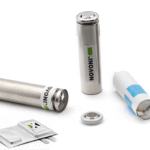
The Integrated Motor Inverter: A Direct Swap Solution
The decision to offer the Integrated Motor Inverter on the secondary market provides a critical pathway for aircraft builders to integrate advanced electric aircraft propulsion system technology more efficiently. By mitigating the need for manufacturers to design bespoke installations around unfamiliar power systems, Skyfly is effectively streamlining the electrification process for the wider aviation community.
This approach not only supports a broad range of aircraft configurations but also accelerates the adoption of electric flight, addressing industry demands for cleaner, more sustainable aviation solutions. The robust design and collaborative development with SciMo ensure a reliable and high-performance component ready for demanding aerospace applications.
Completing the Electric Package: Power and Battery Systems
Beyond the core motor-inverter unit, Skyfly’s comprehensive electric propulsion package includes a sophisticated Power Distribution Unit (PDU) and an 800V class battery system. The PDU has been meticulously designed by Skyfly to align with its specific architectural requirements and adhere to the stringent safety standards applicable to Light Sport Aircraft (LSA).
The high-voltage battery system, developed in-house by Skyfly, is a critical component for delivering the necessary energy density and power output for electric flight. Both the PDU and the battery system are currently undergoing active development, with full specifications and availability timelines anticipated to be released in the near future. These components are vital for creating a fully integrated and efficient electric aircraft propulsion system.
Navigating Regulatory Compliance: FAA LSA and MOSAIC
A key aspect of Skyfly’s electric propulsion technology is its design philosophy, engineered from the outset to meet the rigorous requirements set forth by the Federal Aviation Administration (FAA) for Light Sport Aircraft. This proactive approach to certification readiness underscores the company’s commitment to safety and regulatory adherence.
Furthermore, Skyfly holds an influential seat on the rule-making committee for the FAA’s Modernization of Special Airworthiness Certification (MOSAIC) rule. This significant regulatory update, which officially saw its aircraft certification provisions take effect on July 24, 2026, is poised to redefine the light sport aircraft category. Skyfly’s active involvement ensures that its technologies are developed in alignment with future regulatory landscapes, paving the way for broader market acceptance and integration.
Unveiling the Hybrid Propulsion System for Unmanned Aircraft
Parallel to its electric offerings for manned aircraft, Skyfly has introduced an innovative Hybrid Propulsion System tailored for unmanned platforms. Unlike its LSA-focused electric counterpart, this system combines the efficiency of a turbine generator with electric propulsion, catering to the unique endurance and operational demands of UAVs.
This hybrid solution offers a compelling alternative to purely battery-electric systems, particularly for missions requiring extended operational durations and greater range. Its design focuses on maximizing flight time and operational flexibility in challenging environments.
Enhanced Range and Fuel Flexibility
The hybrid system boasts an impressive range of over 400 miles, significantly extending the operational envelope for unmanned aircraft. A crucial feature is its ability to recharge in flight, minimizing downtime and maximizing mission readiness. Additionally, the system can be recharged on the ground, even in off-grid locations, enhancing its utility in remote or austere environments.
Further bolstering its versatility, the hybrid propulsion system is designed to run on JP-8, the standard jet fuel utilized by the US military. This fuel compatibility ensures seamless integration into existing logistical chains for various defense and commercial applications. The hybrid system is currently in active development, with ongoing testing and refinement.
Strategic Industry Impact and Vision
Michael Thompson, CEO of Skyfly Technologies, articulated the strategic vision behind these dual announcements. “Opening that technology to the wider OEM community means other manufacturers no longer have to build this capability from scratch,” Thompson stated, highlighting the company’s aim to accelerate innovation across the industry by sharing its proven electric aircraft propulsion system.
Regarding the hybrid solution, Thompson added, “Our Hybrid Propulsion System addresses a very different need, giving unmanned platforms using distributed electric propulsion the range and endurance that pure battery-electric systems can’t yet match.” This clarifies Skyfly’s differentiated approach to addressing specific market needs, recognizing the limitations of current battery technology for certain long-endurance applications.
By making its electric and hybrid propulsion technologies available, Skyfly Technologies is positioning itself as a key enabler for the future of aviation. The company’s efforts in both manned electric flight and long-endurance unmanned operations underscore a comprehensive strategy to drive innovation and provide practical, scalable solutions for the evolving demands of the global aerospace market.
Frequently Asked Questions (FAQ)
What is Skyfly Technologies making available to other OEMs?
Skyfly Technologies is releasing its electric aircraft propulsion system, including an Integrated Motor Inverter co-developed with SciMo, for other original equipment manufacturers (OEMs). This system was originally designed for Skyfly’s own production-spec Axe two-seat vertical take-off and landing (VTOL) aircraft.
What is the key benefit of the Integrated Motor Inverter for OEMs?
The Integrated Motor Inverter is designed as a direct replacement for a 100 hp Rotax engine. This makes it easier for OEMs to electrify existing airframes without the need for extensive redesigns, reducing development time and costs for electric aircraft conversions.
What other components complete Skyfly’s electric propulsion package?
The full electric propulsion package includes a Power Distribution Unit (PDU) and an 800V class battery system. Both components are developed in-house by Skyfly and are currently in active development, engineered to meet Light Sport Aircraft (LSA) safety requirements.
What is the FAA MOSAIC rule and Skyfly’s involvement?
The FAA’s Modernization of Special Airworthiness Certification (MOSAIC) rule rewrites the light sport aircraft category. Skyfly Technologies holds a seat on the rule-making committee, ensuring its electric aircraft propulsion system aligns with these updated regulations, which became effective on July 24, 2026.
What are the key features of Skyfly’s new Hybrid Propulsion System?
The Hybrid Propulsion System is designed for unmanned platforms, pairing a turbine generator with electric propulsion. It offers a range of over 400 miles, features in-flight charging, can recharge off-grid on the ground, and operates on JP-8, the standard US military jet fuel.
Why is Skyfly offering these systems to external manufacturers?
According to CEO Michael Thompson, opening this technology to the wider OEM community allows other manufacturers to adopt electric capabilities without building them from scratch. The hybrid system specifically addresses the need for extended range and endurance in unmanned platforms, which pure battery-electric systems cannot yet match effectively.
Which companies are involved in the development of Skyfly’s propulsion systems?
The Integrated Motor Inverter unit was co-developed with the German engineering firm SciMo. Skyfly Technologies developed its Power Distribution Unit and 800V class battery system in-house, while the overall propulsion technology originates from Skyfly itself.