
Key Takeaways:
- Denver Public Schools (DPS) has significantly expanded its electric school bus fleet to 28 vehicles, integrating 25 new Blue Bird Vision e-buses.
- Kempower has deployed a state-of-the-art DC fast charging system at DPS’s Hilltop Bus Terminal to support this electrification.
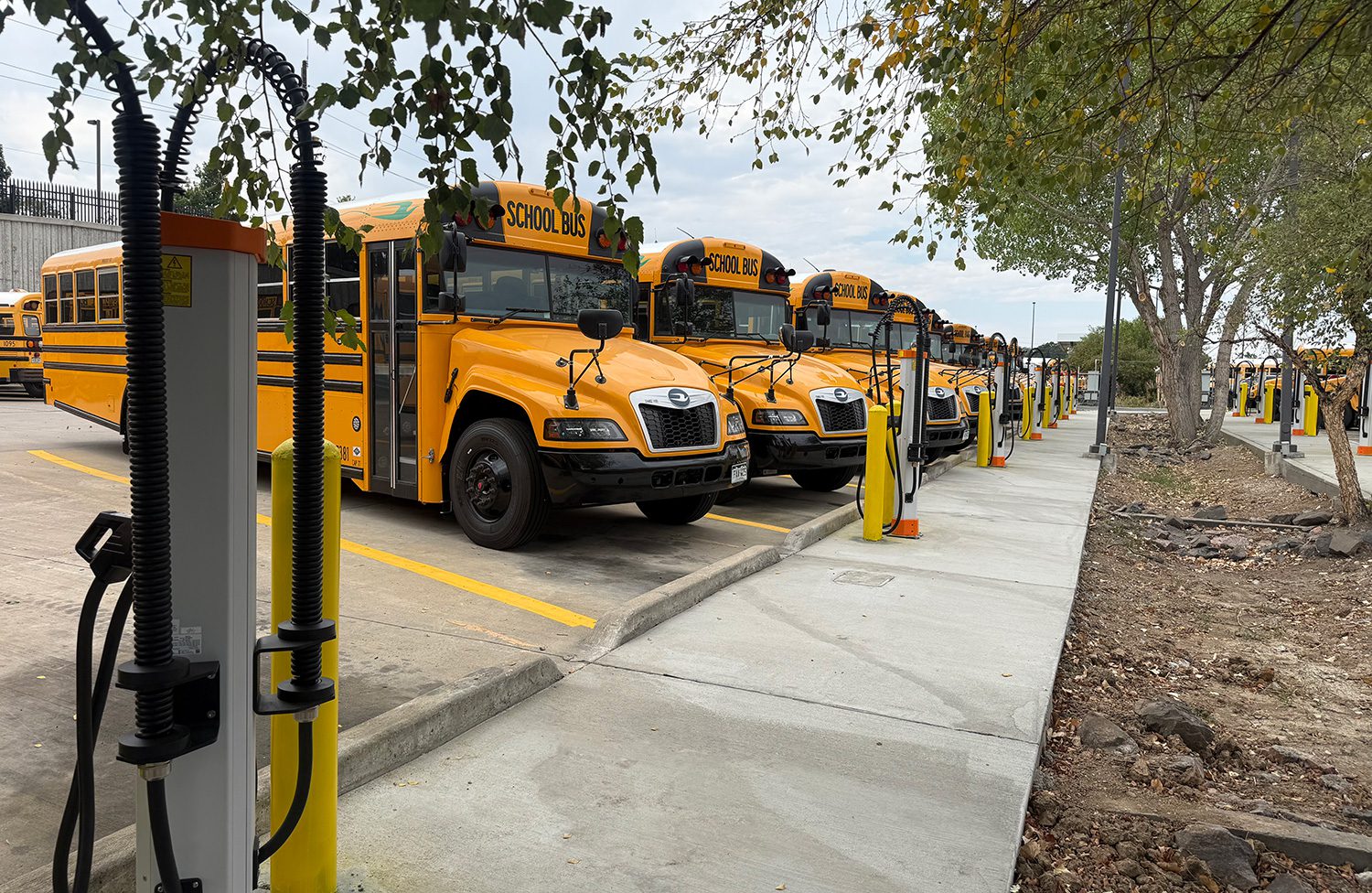
- The charging infrastructure features 650 kilowatts of total power and 13 dual-port Kempower Satellite dispensers, providing 26 charging plugs.
- A dynamic power distribution system ensures buses are efficiently charged and ready for daily routes, crucial for maintaining operational schedules.
- The project was successfully led by electrical solutions provider Winn-Marion, with PowerFlex partnering in smart charging and energy management.
Denver Public Schools (DPS) has taken a significant leap forward in sustainable student transportation, announcing the deployment of advanced DC fast charging infrastructure from Kempower for its rapidly expanding electric school bus fleet. This strategic move cements DPS’s commitment to cleaner air and operational efficiency, significantly impacting the daily commute for thousands of students across the city.

The latest expansion sees the district adding 25 new Blue Bird Vision electric school buses, elevating its total count of zero-emission buses to 28. This substantial increase underscores a growing trend among educational institutions to embrace electric vehicles, driven by environmental benefits and long-term cost savings.
State-of-the-Art Charging Infrastructure Powers New Fleet
To support its burgeoning electric school bus fleet, Denver Public Schools selected Kempower to implement the crucial DC fast charging solutions at its Hilltop Bus Terminal. The comprehensive project, expertly managed by electrical solutions provider Winn-Marion, ensures that the district’s electric buses are consistently charged and prepared for their demanding daily schedules.
The deployed charging system is a distributed network boasting a formidable 650 kilowatts of total power. This robust infrastructure is equipped with 13 dual-port Kempower Satellite dispensers, collectively offering 26 charging plugs. This capacity allows for the simultaneous charging of numerous vehicles, optimizing efficiency and minimizing downtime.

Dynamic Power Distribution for Seamless Operations
A cornerstone of the Kempower system is its dynamic power distribution capability. This intelligent feature allows the system to flexibly allocate available power across multiple vehicles, adapting to their individual charging needs and the operational demands of the bus terminal. Such adaptability is paramount for school districts, where adherence to strict transportation timetables is non-negotiable.
Monil Malhotra, President of Kempower North America, emphasized the importance of this technological sophistication in the context of public transport. “Electrifying a school bus fleet requires charging infrastructure that works around the realities of daily transportation schedules,” Malhotra stated. “Kempower technology keeps electric school buses charged, ready, and on the road, helping Denver Public Schools deliver reliable, cleaner transportation for students every day.”
Collaborative Effort Drives Electrification Success
The success of the Denver Public Schools electrification initiative is a testament to strong collaborative partnerships. Winn-Marion, as the lead electrical solutions provider, played a pivotal role in orchestrating the project from conception to deployment, ensuring seamless integration of the advanced charging technology.
Jim Hussey, Electrification Solutions Specialist at Winn-Marion, praised the synergistic efforts of all parties involved. “We couldn’t be more pleased with the entire team’s performance on this project,” Hussey remarked. He further highlighted the integral contributions of key partners, stating, “Denver Public Schools is a smart, organized group, Kempower has been highly supportive from day one, and PowerFlex (formerly The Mobility House) has proven to be an outstanding partner in the smart charging and energy management space.”
The collaboration with PowerFlex, specializing in smart charging and energy management, underscores the complex requirements of modern fleet electrification. Their expertise helps optimize energy consumption, manage grid impact, and potentially reduce operational costs for the expanding electric school bus fleet.
Environmental and Operational Benefits
The transition to an electric school bus fleet offers a multitude of benefits, extending beyond mere compliance. Environmentally, these buses produce zero tailpipe emissions, leading to cleaner air quality around schools and in communities, which is particularly beneficial for children’s respiratory health. This commitment to sustainability aligns with broader global efforts to combat climate change and reduce carbon footprints.
Operationally, electric school buses often boast lower fuel and maintenance costs compared to their diesel counterparts. While initial investment can be higher, these long-term savings contribute to a more financially sustainable transportation model for school districts. Reliable charging infrastructure is critical to realizing these savings and ensuring consistent service.
Kempower’s Expanding Footprint in Fleet Electrification
Denver Public Schools is not an isolated case for Kempower’s innovative charging solutions. The company is actively deploying its technology across North America, supporting various fleet electrification projects. This widespread adoption underscores the reliability and scalability of Kempower’s offerings in diverse operational environments.
Beyond Denver, Kempower solutions are currently powering electric school bus charging depots in several other key regions, including Quebec in Canada, and the US states of Louisiana, Kansas, Massachusetts, Indiana, and Wisconsin. This growing portfolio demonstrates Kempower’s significant contribution to the evolving landscape of electric vehicle infrastructure for public and commercial fleets.
The Future of Sustainable Student Transportation
The move by Denver Public Schools to expand its electric school bus fleet and invest in robust charging infrastructure serves as a compelling model for other districts nationwide. As concerns about air quality and climate change continue to grow, the adoption of electric school buses is poised to accelerate, supported by technological advancements and strategic partnerships.
Reliable and efficient charging infrastructure is the backbone of successful fleet electrification. Projects like the one at Denver Public Schools highlight the importance of integrated solutions that combine advanced hardware, intelligent software, and collaborative expertise to ensure a smooth transition to sustainable transportation for future generations.
Source: Kempower
Frequently Asked Questions About Electric School Bus Fleets
What is the size of Denver Public Schools’ electric school bus fleet?
Denver Public Schools has significantly expanded its electric school bus fleet to a total of 28 vehicles. This recent increase includes the addition of 25 new Blue Bird Vision electric school buses, marking a substantial commitment to sustainable student transportation and a cleaner environment.
What charging technology is used for the DPS electric school bus fleet?
Kempower has deployed a DC fast charging system at DPS’s Hilltop Bus Terminal. This advanced infrastructure provides 650 kilowatts of total power distributed through 13 dual-port Kempower Satellite dispensers, offering 26 charging plugs for the fleet.
Who are the key partners involved in this electrification project?
The project was a collaborative effort led by electrical solutions provider Winn-Marion. Kempower supplied the DC fast charging technology, while PowerFlex (formerly The Mobility House) contributed its expertise in smart charging and energy management solutions, ensuring efficient operation.
Why is dynamic power distribution important for school bus charging?
Dynamic power distribution is crucial because it allows the charging system to intelligently allocate available power across multiple electric school buses. This ensures that all vehicles are charged efficiently and ready for their daily transportation schedules, which are often time-sensitive and non-negotiable.
What are the primary benefits of an electric school bus fleet?
Electric school bus fleets offer numerous advantages, including zero tailpipe emissions, which leads to cleaner air for students and communities. They also typically provide lower operational costs due to reduced fuel expenses and simplified maintenance compared to traditional diesel buses.
Where else does Kempower provide electric school bus charging solutions?
Beyond Denver, Kempower’s charging solutions are deployed at electric school bus depots in various locations across North America. These include Quebec in Canada, and several US states such as Louisiana, Kansas, Massachusetts, Indiana, and Wisconsin, showcasing a broad impact on fleet electrification.