
Key Takeaways
- Denver Public Schools (DPS) has significantly expanded its electric school bus fleet, now totaling 28 zero-emission vehicles.
- Kempower has deployed a sophisticated DC fast charging system at DPS’s Hilltop Bus Terminal to support the growing fleet.
- The infrastructure features 650 kilowatts of total power distributed across 13 dual-port Kempower Satellite dispensers, providing 26 charging plugs.
- A key aspect of the system is its dynamic power distribution, which optimizes charging across multiple buses to meet daily operational schedules.
- The project was a collaborative effort, led by electrical solutions provider Winn-Marion, with smart charging and energy management expertise from PowerFlex (formerly The Mobility House).
- This initiative positions DPS at the forefront of sustainable student transportation, contributing to cleaner air and reduced operational costs.
Denver Public Schools (DPS) has taken a significant leap forward in its commitment to sustainable student transportation, announcing the deployment of advanced DC fast charging infrastructure from Kempower. This crucial development supports the district’s rapidly expanding electric school bus fleet, cementing its role as a leader in green transit solutions.
The move comes after DPS added 25 new Blue Bird Vision electric school buses, elevating its total count of zero-emission buses to 28. This substantial increase necessitated a robust and efficient charging ecosystem, leading the district to select Kempower for its proven expertise in electric school bus charging infrastructure.
Expanding the Electric Fleet: A Commitment to Clean Transportation
The decision by Denver Public Schools to expand its electric bus fleet underscores a growing trend among educational institutions nationwide to embrace environmentally friendly transportation options. By integrating more electric vehicles, DPS aims to reduce its carbon footprint, improve local air quality, and provide a healthier commute for students.
The addition of 25 Blue Bird Vision electric school buses marks a pivotal moment for the district. These modern vehicles are designed to offer a quieter, cleaner, and more efficient ride, aligning with broader goals for urban sustainability and public health.
With 28 electric buses now in operation, Denver Public Schools is setting a precedent for other districts considering fleet electrification. This strategic investment reflects a forward-thinking approach to operational efficiency and environmental stewardship, directly impacting the well-being of the Denver community.

The Backbone of Electrification: Advanced Charging Infrastructure
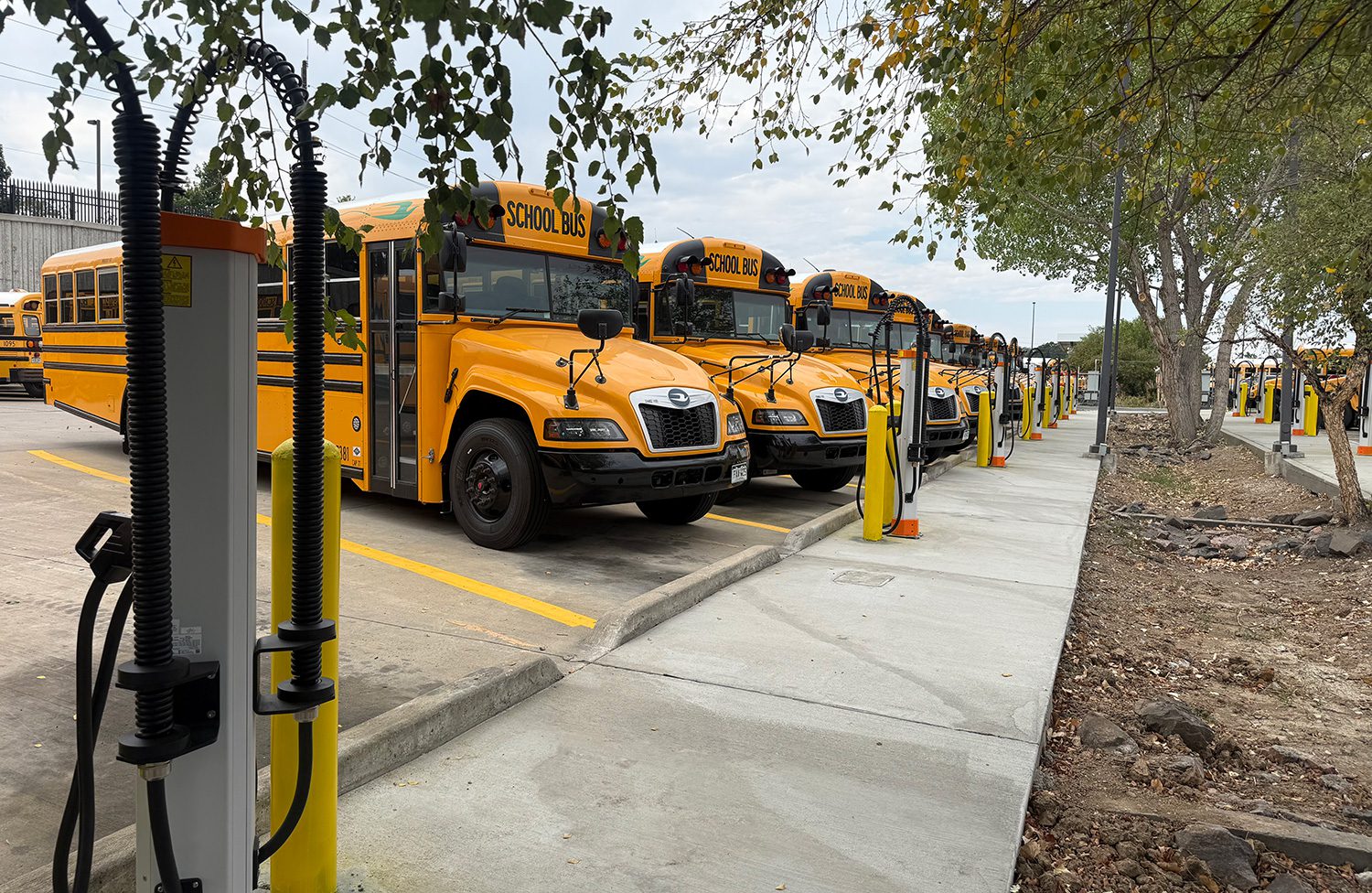
Central to the success of DPS’s expanded electric fleet is the sophisticated electric school bus charging infrastructure provided by Kempower. Located at the district’s Hilltop Bus Terminal, the new charging depot is engineered for high performance and operational reliability.
The system boasts 650 kilowatts of total power, meticulously distributed to meet the demands of a large-scale electric bus operation. This substantial power capacity ensures that multiple buses can be charged concurrently and efficiently, preparing them for their daily routes.
Thirteen dual-port Kempower Satellite dispensers form the core of the charging setup, offering a total of 26 plugs. This configuration allows for flexible charging options, accommodating the varied schedules and power needs of the entire fleet. The modular design of the Kempower system also offers scalability for future expansions.
Dynamic Power Distribution for Operational Efficiency
A standout feature of the Kempower system is its dynamic power distribution capability. This intelligent technology automatically allocates available power across multiple vehicles, optimizing charging times and ensuring all buses are ready when needed.
Monil Malhotra, President of Kempower North America, highlighted the importance of this adaptive technology. “Electrifying a school bus fleet requires charging infrastructure that works around the realities of daily transportation schedules,” Malhotra stated.
He further added, “Kempower technology keeps electric school buses charged, ready, and on the road, helping Denver Public Schools deliver reliable, cleaner transportation for students every day.” This dynamic approach minimises downtime and maximises vehicle availability, crucial for a demanding school transportation schedule.
A Collaborative Effort: Project Leadership and Expertise
The successful implementation of this extensive electric school bus charging infrastructure at Denver Public Schools was the result of a concerted effort involving several key partners. The project was expertly led by Winn-Marion, an electrical solutions provider renowned for its capabilities in complex infrastructure deployments.
Jim Hussey, Electrification Solutions Specialist at Winn-Marion, expressed immense satisfaction with the collaborative spirit and execution of the project. “We couldn’t be more pleased with the entire team’s performance on this project,” Hussey remarked.
Hussey further praised the involved entities, saying, “Denver Public Schools is a smart, organized group, Kempower has been highly supportive from day one, and PowerFlex (formerly The Mobility House) has proven to be an outstanding partner in the smart charging and energy management space.” The synergy between these organizations was vital in overcoming the complexities inherent in such a large-scale electrification initiative.
PowerFlex, a leader in smart charging and energy management solutions, played a critical role in optimising the charging operations. Their expertise ensures that the electric school bus charging infrastructure not only functions effectively but also integrates seamlessly with the district’s energy demands, potentially managing grid impacts and energy costs.
Beyond Denver: A Growing Trend in Sustainable Transportation
The deployment in Denver is part of a broader trend towards school bus fleet electrification across North America. Kempower’s advanced charging solutions are not exclusive to Colorado; they are actively powering electric school bus charging depots in various other regions, underscoring the widespread adoption of sustainable transportation.
These locations include Quebec, Louisiana, Kansas, Massachusetts, Indiana, and Wisconsin. Each of these projects represents a step forward in reducing emissions and fostering cleaner environments for communities. The growing footprint of Kempower’s electric school bus charging infrastructure highlights the increasing demand for reliable and scalable charging solutions.
This expansion reflects a global shift towards decarbonising public and commercial fleets, with school districts often at the forefront due to the direct impact on children’s health and the opportunity to educate future generations about sustainability.
Benefits of Fleet Electrification for Schools and Communities
The transition to electric school buses, supported by robust electric school bus charging infrastructure, offers a multitude of benefits that extend beyond environmental considerations. For Denver Public Schools, this initiative translates into significant operational advantages and community improvements.
Environmentally, electric buses produce zero tailpipe emissions, leading to cleaner air around schools and residential areas. This reduction in air pollutants is crucial for public health, particularly for children who are more susceptible to respiratory issues.
Operationally, electric buses typically incur lower fuel and maintenance costs compared to their diesel counterparts. The cost savings over the lifespan of the vehicles can be redirected to other vital educational programs, making fleet electrification a financially sound decision in the long run.
Moreover, the quieter operation of electric buses reduces noise pollution, creating a more peaceful environment for students during their commute and for communities along bus routes. This comprehensive approach to sustainability makes projects like DPS’s a model for responsible public service.
Looking Ahead: The Future of Student Transportation
The successful implementation of Kempower’s electric school bus charging infrastructure at Denver Public Schools represents more than just a technological upgrade; it signifies a definitive step towards a sustainable future for student transportation.
As concerns about climate change and air quality continue to grow, the adoption of electric fleets by public institutions like school districts will only accelerate. The lessons learned and the operational efficiencies gained from projects like Denver’s will serve as valuable blueprints for other communities embarking on similar electrification journeys.
Denver Public Schools is not merely purchasing buses; it is investing in a comprehensive ecosystem that supports zero-emission travel, innovative energy management, and a healthier environment for its students and staff. This forward-looking strategy positions DPS as a leader in educational transportation, ready to meet the demands of tomorrow.
Frequently Asked Questions (FAQ)
What is the total number of electric school buses in the Denver Public Schools fleet?
Denver Public Schools (DPS) has expanded its electric school bus fleet to a total of 28 vehicles. This includes 25 new Blue Bird Vision electric school buses recently added to their existing fleet.
Which company provided the DC fast charging infrastructure for DPS?
Kempower supplied the DC fast charging infrastructure for Denver Public Schools. Their system is deployed at the district’s Hilltop Bus Terminal to support the growing electric bus fleet.
What are the key technical specifications of the charging system?
The charging system features 650 kilowatts of total power. It includes 13 dual-port Kempower Satellite dispensers, providing a total of 26 plugs for charging the electric school buses.
How does Kempower’s charging system manage power distribution?
Kempower’s system dynamically distributes available power across multiple vehicles. This intelligent feature ensures that buses are charged efficiently according to daily transportation schedules, maximising operational readiness.
Who were the main partners involved in this electrification project?
The project was led by electrical solutions provider Winn-Marion. Kempower provided the charging technology, and PowerFlex (formerly The Mobility House) served as a key partner for smart charging and energy management solutions.
Where else has Kempower deployed its electric school bus charging solutions?
Beyond Denver, Kempower’s solutions are also powering electric school bus charging depots in various regions across North America, including Quebec, Louisiana, Kansas, Massachusetts, Indiana, and Wisconsin.
What are the primary benefits of electrifying school bus fleets?
Electrifying school bus fleets offers numerous benefits, including reducing greenhouse gas emissions, improving local air quality around schools, lowering operational costs through reduced fuel and maintenance, and providing quieter transportation for students.