
Key Takeaways (TL;DR):
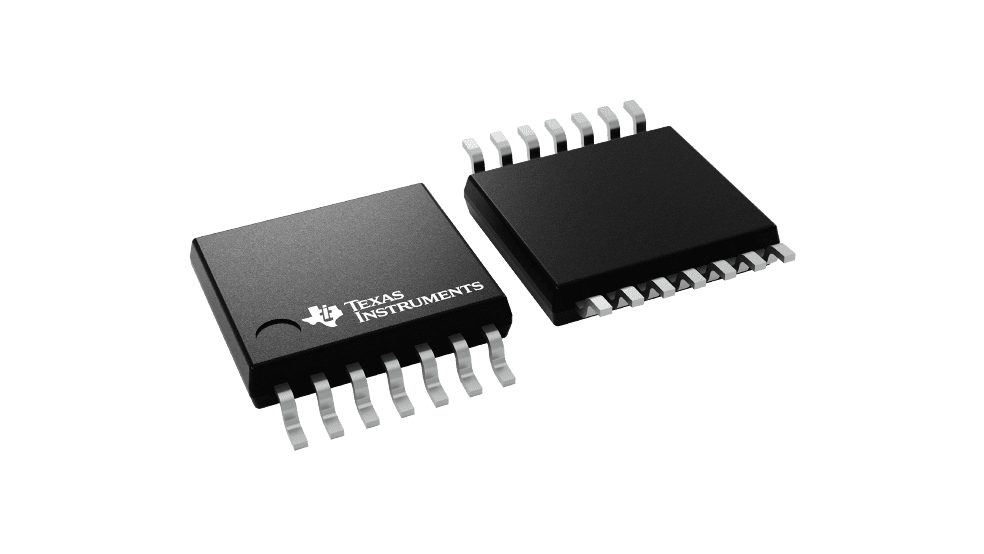
- Texas Instruments (TI) has launched the TMCS2100-Q1, a new coreless Hall-effect current sensor designed specifically for hybrid and electric vehicle (EV) traction inverters.
- This innovative sensor measures current on two axes, significantly improving accuracy compared to traditional single-axis coreless designs, particularly under the dynamic conditions of vehicle vibration.
- The TMCS2100-Q1 is engineered to optimize torque control, boost overall system efficiency, and effectively reduce magnetic crosstalk and torque ripple in EV powertrains, contributing to smoother acceleration and potentially extended vehicle range.
- It boasts up to 20 times greater accuracy than single-axis coreless alternatives, with displacement error kept below 1% at 0.4 mm of movement, addressing critical precision challenges in advanced 800V EV architectures.
- Beyond its precision, the sensor’s design offers greater mechanical flexibility for traction inverter layouts and contributes to reducing the overall physical footprint of these crucial EV components.
A Leap in EV Current Sensing Technology
In a significant development for the electric vehicle industry, Texas Instruments (TI) has introduced the TMCS2100-Q1, an advanced coreless Hall-effect current sensor engineered to redefine precision in hybrid and electric vehicle traction inverters. This new component distinguishes itself by measuring the magnetic field around a conductor in both horizontal and vertical directions, a marked departure from conventional single-axis measurement.

Current sensing is a critical function within EV powertrains, particularly for traction inverters that convert direct current from the battery into alternating current to power the electric motor. Accurate current measurement is fundamental for precise motor control, efficient power delivery, and ensuring the smooth, reliable operation of electric vehicles across various driving conditions.
Addressing Core Challenges in Traction Inverters
The TMCS2100-Q1 directly confronts long-standing trade-offs in current sensing technologies. Traditional Hall-effect current sensors typically fall into two main categories: those built around a magnetic core (C-core implementations) and coreless designs. While C-core sensors are known for their high accuracy, they inherently add size and weight, posing challenges for space-constrained EV designs.
Conversely, existing coreless designs offer the advantage of smaller size and lighter weight but often compromise on precision, particularly due to susceptibility to displacement error and magnetic crosstalk. This is where TI’s innovative approach aims to bridge the gap, delivering coreless form factor benefits without sacrificing crucial accuracy.

Hall-effect current sensors operate by detecting the magnetic field generated by current flowing through a busbar, which typically connects the traction inverter to the electric motor. In a running vehicle, constant vibration creates minute movements between the sensor and the conductor. For single-axis differential coreless sensors, this dynamic spacing leads to a significant loss of accuracy, impacting the overall performance of the EV’s electric motor control system.
The Precision of Multiaxial Sensing
The core innovation of the TMCS2100-Q1 lies in its multiaxial measurement capability. By simultaneously measuring magnetic fields along two axes, the sensor dramatically reduces vibration-induced error. TI highlights that this multiaxial approach is up to 20 times more accurate than single-axis coreless alternatives, setting a new benchmark for precision in EV current sensing.
The company reports impressive accuracy figures for the new sensor: displacement error is less than 1% at 0.4 mm of movement, and this figure drops even further to as low as 0.25% at 0.1 mm. This level of precision is paramount for enhancing the torque control loop within the EV powertrain, ensuring optimal efficiency and consistent power delivery regardless of fluctuating load and thermal conditions.
The ability to mitigate errors caused by movement between the sensor and the busbar is a significant advancement. By measuring both horizontal and vertical magnetic fields, the TMCS2100-Q1 provides a more robust and accurate reading, less susceptible to the dynamic environment of an operating electric vehicle. This robust measurement capability directly translates into more reliable motor control and improved overall powertrain performance.
Impact on EV Performance and Design
The enhanced accuracy offered by the TMCS2100-Q1 has a direct positive impact on several critical aspects of EV performance and design. By reducing vibration-induced error, the sensor effectively limits magnetic crosstalk and torque ripple. Magnetic crosstalk refers to unwanted interference between magnetic fields, which can degrade signal integrity, while torque ripple describes fluctuations in the motor’s output torque.
Torque ripple is a significant concern in EV powertrains. It can manifest as jerky acceleration, contribute to undesirable motor noise, and lead to inefficient operation, ultimately reducing the vehicle’s driving range. By minimizing these issues, TI’s new sensor promises a smoother, quieter, and more efficient driving experience for electric vehicle users.
From a design perspective, the TMCS2100-Q1 also offers considerable advantages. While existing differential coreless parts often necessitate modifications to the busbar—such as notches, slices, or holes—which can complicate thermal management, the new TI sensor’s design circumvents this issue. Its ability to be positioned relative to an unmodified busbar provides designers with greater flexibility.
This design flexibility allows engineers to adapt more easily to various mechanical configurations, optimize board space within the traction inverter, and ultimately contribute to a reduction in the overall size and complexity of the traction inverter system. Such optimizations are crucial in the competitive and rapidly evolving landscape of automotive electronics, where every millimeter and gram counts.
Meeting the Demands of 800V Architectures
The automotive industry is rapidly moving towards 800V electric vehicle architectures, which promise faster charging times, improved efficiency, and enhanced performance. However, these higher voltage systems also place significantly greater demands on component precision and reliability.
Jason Cole, TI’s Vice President and General Manager of Sensing Products, underscored the importance of this innovation, stating, For the first time, engineers have a Hall-effect current sensor that breaks through the limitations of existing solutions, which is especially critical as 800 V architectures raise the bar for traction inverter accuracy.
This highlights the sensor’s timely arrival and its critical role in enabling the next generation of high-performance electric vehicles.
The enhanced accuracy of the TMCS2100-Q1 is precisely what is needed for these advanced systems, ensuring that power electronics can operate at peak efficiency and safety within stricter tolerances. As the e-mobility market continues its robust growth, components that offer superior performance and reliability will be instrumental in driving further innovation and adoption.
Availability and Future Implications
Texas Instruments has announced that production quantities of the TMCS2100-Q1 are available upon request. To facilitate integration and development for automotive manufacturers and engineers, an evaluation module, a characterization module, and a comprehensive reference design are also readily available. This support infrastructure will enable quicker adoption and faster development cycles for new EV models.
The introduction of the TMCS2100-Q1 represents a significant step forward in current sensing technology for electric vehicles. By addressing fundamental challenges in accuracy, size, and design flexibility, TI is empowering automotive engineers to develop more efficient, reliable, and higher-performing EV traction inverters. This innovation contributes to the ongoing evolution of the EV ecosystem, promising a future of smoother rides and extended ranges.
Frequently Asked Questions (FAQ)
What is the TMCS2100-Q1 sensor?
The TMCS2100-Q1 is a new coreless Hall-effect current sensor from Texas Instruments, specifically designed for hybrid and electric vehicle (EV) traction inverters. Its key innovation is the ability to measure current by detecting magnetic fields along two axes (horizontal and vertical).
How does multiaxial sensing improve accuracy in EVs?
Multiaxial sensing improves accuracy by detecting magnetic fields in two directions simultaneously. This approach significantly reduces errors caused by vibration and movement between the sensor and the current-carrying busbar, which is a common challenge in dynamic EV environments.
What is “displacement error” and how does the new sensor reduce it?
Displacement error occurs when the spacing between a current sensor and its conductor changes, typically due to vehicle vibration, leading to inaccurate readings. The TMCS2100-Q1 reduces this error by measuring on two axes, maintaining high precision even with movements up to 0.4 mm.
What is torque ripple and why is it a problem in electric vehicles?
Torque ripple refers to unwanted fluctuations in the output torque of an electric motor. In EVs, it can cause jerky acceleration, increase motor noise, and lead to inefficient power usage, thereby reducing the vehicle’s overall range and driving comfort.
How does the TMCS2100-Q1 benefit EV traction inverter design?
The sensor’s coreless, multiaxial design allows for greater mechanical flexibility, as it doesn’t require modifications to the busbar. This helps designers optimize board space, simplifies thermal management, and can lead to a reduction in the overall size and complexity of the traction inverter system.
Why is higher accuracy critical for 800V EV architectures?
Higher accuracy is critical for 800V EV architectures because these advanced systems operate at tighter tolerances to maximize efficiency, enable faster charging, and ensure safety. Precise current sensing is essential for optimal control and protection in these high-performance, high-voltage environments.