
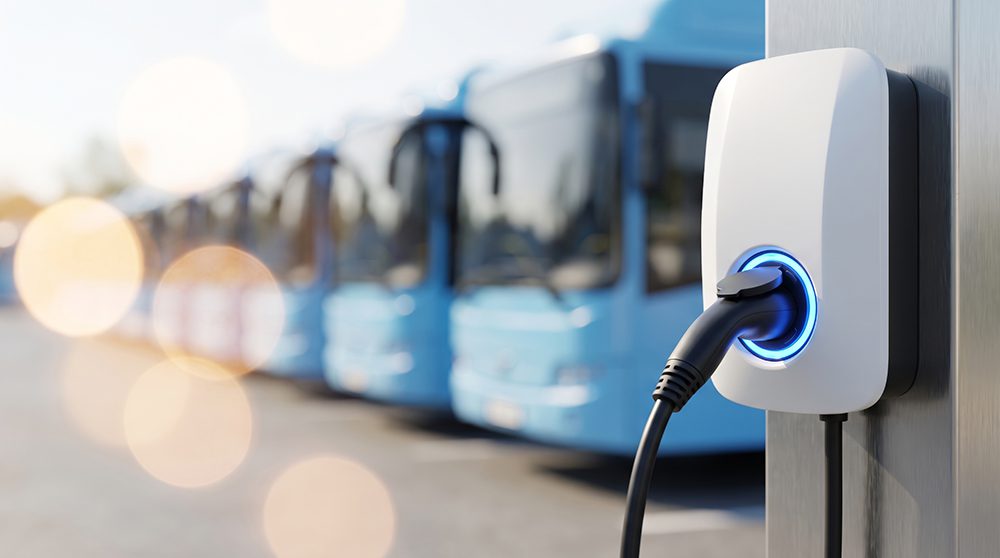
In a significant boost to India’s burgeoning electric vehicle (EV) ecosystem, intercity bus operator Fresh Bus has announced a substantial expansion of its electric fleet, adding 400 new electric buses to its network. This strategic move deepens its existing partnership with ChargeZone, a prominent public EV charging network operator, which will provide critical charging infrastructure for the expanded fleet. The initiative underscores a growing confidence in sustainable public transport solutions across the nation.
This development is set to connect 20 cities and extend services to 17 additional towns across the key southern Indian states of Tamil Nadu, Karnataka, Andhra Pradesh, and Telangana over the next 15 months. The expansion is a testament to the increasing viability and scalability of electric intercity travel, promising more dependable and affordable options for passengers.

Key Takeaways
- Fresh Bus is adding 400 new electric buses, bringing its total fleet powered by ChargeZone to 500.
- The expansion will connect 20 cities and 17 towns across Tamil Nadu, Karnataka, Andhra Pradesh, and Telangana within 15 months.
- ChargeZone will deploy an additional 30 MW of charging capacity, supplementing the existing 10 MW dedicated infrastructure for Fresh Bus.
- This move is part of ChargeZone’s broader ambition to add 200 MW of charging capacity across its national network.
- The partnership highlights the critical role of reliable charging infrastructure in scaling commercial electric mobility, particularly in intercity public transport.
Expanding the Electric Bus Charging Network Across South India
The latest announcement solidifies the collaboration between Fresh Bus and ChargeZone, moving beyond the initial deployment of 100 electric buses already serviced by ChargeZone’s robust EV charging network. The commitment to introduce 400 additional buses signifies a robust confidence in the operational efficiency and economic benefits of electric vehicles in the public transport sector.
This ambitious expansion is geographically strategic, targeting critical routes and enhancing connectivity within and between major states in South India. The addition of 20 cities and 17 towns within a challenging 15-month timeframe reflects a determined push towards a greener transportation future.
ChargeZone’s Growing Footprint in EV Charging Infrastructure
ChargeZone, a key player in the EV charging space, boasts an extensive public EV charging network with over 15,000 charging points spread across 1,200 locations. Its operations span both India and the UAE, catering to a diverse range of electric passenger and commercial vehicles.

The company’s commitment to building a comprehensive EV charging infrastructure is evident through its collaborations with leading automotive manufacturers. These partnerships include industry giants such as Tata, Hyundai, Volvo, Mercedes, BMW, and VinFast, showcasing ChargeZone’s pivotal role in supporting the broader electric vehicle ecosystem.
To facilitate Fresh Bus’s expanded fleet, ChargeZone is set to augment its dedicated infrastructure by adding 30 MW of charging capacity. This substantial increase will build upon the 10 MW of infrastructure already in place, ensuring seamless operations for the larger fleet. This expansion is also a vital component of ChargeZone’s wider national plan to integrate 200 MW of charging capacity across its entire network, signaling a major push in national EV charging infrastructure development.
Catalysing Commercial Mobility Electrification
Industry leaders are emphasizing the transformative potential of such partnerships. Kartikey Hariyani, founder and CEO of ChargeZone, highlighted the critical role of commercial mobility in accelerating EV adoption. “Commercial mobility, particularly intercity public transport, can play a critical role in taking electrification to scale because these vehicles operate frequently, travel longer distances and depend on predictable infrastructure,” Hariyani stated.
He further elaborated on the success of their collaboration with Fresh Bus, noting that when charging capacity, uptime, and energy availability are meticulously aligned with the operational requirements of fleet services, operators gain the confidence needed to scale electric mobility effectively. This perspective underscores the symbiotic relationship between advanced EV charging network solutions and large-scale fleet operations.
Sudhakar Reddy, founder of Fresh Bus, echoed this sentiment, underscoring the vital role of ChargeZone’s reliability. “The reliability of their network is what has allowed us to move from proving the model to scaling it with confidence,” Reddy affirmed. The expansion to 500 buses and 40 MW of dedicated charging capacity, according to Reddy, is more than just a fleet decision.
He emphasized, “it’s a statement that electric intercity travel can be dependable, affordable, and ready for the passengers.” This statement signifies a strong endorsement of electric buses as a practical and sustainable alternative for intercity travel, addressing common concerns regarding range anxiety and operational efficiency.
Impact on India’s Sustainable Transport Vision
This collaborative effort between Fresh Bus and ChargeZone is poised to have a ripple effect across India’s transportation sector. The expansion of the electric bus charging network not only provides tangible benefits for passengers through dependable and affordable travel but also contributes significantly to national sustainability goals.
By transitioning a large fleet of intercity buses to electric power, the initiative directly addresses carbon emissions and reduces the reliance on fossil fuels. Such large-scale commercial fleet electrifications are crucial for India to meet its ambitious climate targets and foster a cleaner environment in its rapidly urbanizing regions.
The Road Ahead: Scaling Sustainable Transport
The commitment by ChargeZone to add 200 MW of charging capacity nationally, with 30 MW specifically for Fresh Bus, signals an aggressive push towards building a robust EV charging infrastructure ready for the future. This move supports the broader trend of fleet electrification, which is emerging as a cornerstone of India’s EV revolution.
As more operators witness the proven reliability and economic viability demonstrated by partnerships like Fresh Bus and ChargeZone, the adoption of electric commercial vehicles, particularly in the intercity segment, is expected to accelerate. This sets a precedent for sustainable public transport that is both practical and commercially sound.
Source: CNBC TV18
Frequently Asked Questions (FAQ)
What is the core announcement regarding Fresh Bus and ChargeZone?
Fresh Bus is significantly expanding its electric bus fleet by adding 400 new electric buses, bringing its total to 500 buses powered by ChargeZone’s EV charging network. This expands their partnership to enhance intercity electric travel.
Which regions will benefit from Fresh Bus’s expanded operations?
The expanded operations will connect 20 cities and cover 17 additional towns across the South Indian states of Tamil Nadu, Karnataka, Andhra Pradesh, and Telangana within the next 15 months, boosting regional electric mobility.
How much additional charging capacity will ChargeZone provide?
ChargeZone will add 30 MW of dedicated charging capacity to support Fresh Bus’s expanded fleet, bringing the total dedicated capacity to 40 MW. This is part of ChargeZone’s larger plan to install 200 MW nationwide.
What is ChargeZone’s existing network like?
ChargeZone operates a public EV charging network with over 15,000 charging points across 1,200 locations in India and the UAE, supporting various electric passenger and commercial vehicle brands including Tata, Hyundai, and Volvo.
Why is this partnership important for electric commercial mobility?
This partnership demonstrates that reliable charging infrastructure, coupled with predictable operations, can confidently scale electric commercial mobility, especially in high-frequency, long-distance intercity public transport, fostering greater adoption and investment.
What benefits does electric intercity travel offer to passengers?
As stated by Fresh Bus, this expansion makes electric intercity travel dependable, affordable, and ready for passengers. It offers a sustainable and potentially more cost-effective alternative to traditional bus services, contributing to cleaner air.
What is the long-term vision of ChargeZone regarding its EV charging network?
ChargeZone plans to add a total of 200 MW of charging capacity across its national network. This aggressive expansion aims to build a robust and widespread EV charging infrastructure to support India’s growing electric vehicle market.
How does this initiative contribute to India’s environmental goals?
By electrifying a large fleet of intercity buses, the initiative significantly reduces carbon emissions and dependence on fossil fuels in the public transport sector, aligning with India’s broader climate targets and efforts towards cleaner, sustainable mobility.