
Key Takeaways:
- The evolving landscape of eMobility demands highly flexible and scalable measurement systems for efficient testing.
- The VIO system addresses these challenges with compact hardware, modular measurement cards, and seamless vMeasure software integration.
- It simplifies test setup, significantly expands channel count, and improves overall measurement efficiency for modern EV validation tasks.
- A dedicated webinar on September 17, 2026, will showcase VIO’s capabilities for desk, lab, and comprehensive electrification test workflows.
- This session is part of the larger Virtual Conference on EV Engineering, running from September 14-17, 2026, covering the entire EV engineering supply chain.
- The conference offers insights into critical areas like battery systems, power electronics, thermal management, and motor design, all requiring robust testing solutions.
As the global automotive industry accelerates its transition towards electric vehicles, the complexity of eMobility development presents unprecedented challenges for engineers. Ensuring the reliability, safety, and performance of these advanced systems hinges critically on accurate and scalable measurement solutions. To address this pressing need, a forthcoming webinar will delve into how innovative measurement technologies are streamlining EV validation, offering essential insights for professionals across the sector.

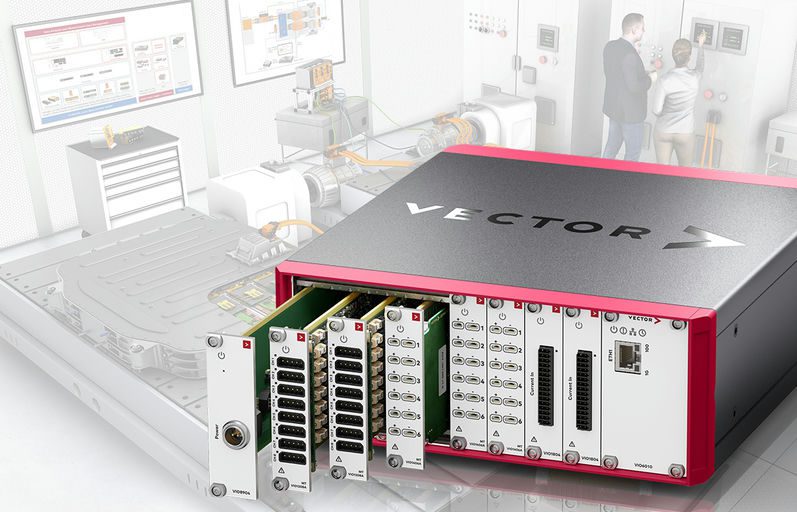
The session, titled “Scalable Measurement At Your Desk: Centralized And Flexible,” will introduce the VIO system, a sophisticated tool designed to revolutionize analog measurement workflows. Scheduled for September 17, 2026, at 11:00 am EDT, this free-to-attend event promises to showcase how a centralized and flexible approach to data acquisition can significantly enhance efficiency in eMobility development.
Addressing the Evolving Demands of eMobility Development
The rapid pace of innovation in electric vehicle technology requires testing and validation systems that are not only precise but also highly adaptable. Traditional measurement setups often struggle to keep pace with dynamic project requirements, leading to bottlenecks and extended development cycles. Modern eMobility development projects, ranging from intricate battery management systems to high-power motor control units, necessitate continuous adjustments to test parameters and expansion of measurement channels.
This dynamic environment underscores the critical need for flexible, scalable measurement solutions that can seamlessly transition between different stages of the development process. From initial prototyping at the engineer’s desk to comprehensive validation in dedicated test labs, the demand for adaptable hardware and intuitive software integration has never been greater.

The VIO System: A Paradigm Shift in Measurement Efficiency
The VIO system emerges as a powerful answer to these challenges, offering a robust platform for efficient analog measurement. Its design philosophy centers around combining compact hardware with modular measurement cards, ensuring both versatility and a minimal footprint. This modularity allows engineers to configure and reconfigure test setups quickly, accommodating changing requirements without significant overhead.
Central to the VIO system’s utility is its integration with vMeasure software. This synergistic combination facilitates streamlined data acquisition, analysis, and management, thereby enhancing overall measurement efficiency. The software interface is engineered for ease of use, enabling engineers to set up complex tests with greater simplicity and confidence.
Enhancing EV Validation Across Workflows
The webinar aims to illustrate how the VIO system’s capabilities translate into tangible benefits for modern EV validation tasks. By simplifying setup procedures, engineers can dedicate more time to critical analysis rather than laborious configuration. The ability to expand channel count readily means that comprehensive data can be collected from multiple points within an EV system simultaneously, offering a holistic view of performance.
Whether it involves monitoring cell voltages in a battery pack, analyzing current flow in power electronics, or evaluating sensor outputs in thermal management systems, the VIO system supports a broad spectrum of applications. Its flexibility allows it to be deployed effectively at the desk for preliminary checks, within the lab for detailed validation, and across various electrification test workflows, ensuring consistent and accurate data collection throughout the eMobility development lifecycle.
The Virtual Conference on EV Engineering: A Hub for Innovation
The webinar on the VIO system is a key component of the broader Virtual Conference on EV Engineering, a significant industry event scheduled from September 14 to 17, 2026. This comprehensive conference serves as a vital platform for engineers, researchers, and industry leaders to explore the latest advancements and tackle the complex challenges inherent in electric vehicle technology.
The conference content is meticulously curated to cover the entire EV engineering supply chain and ecosystem. This includes, but is not limited to, critical areas such as motor and power electronics design and manufacturing, advanced cell development, sophisticated battery systems, and rigorous testing methodologies. Attendees will gain insights into cutting-edge solutions for powertrains, thermal management, circuit protection, wire and cable applications, and crucial EMI/EMC considerations.
A Glimpse into Key Conference Sessions
Beyond the VIO system presentation, the Virtual Conference on EV Engineering offers a diverse array of sessions designed to foster knowledge exchange and collaboration. These sessions delve into highly specialized topics, reflecting the multi-faceted nature of eMobility development:
- Advancing Battery Safety Through Early Thermal Runaway Detection With Infineon Sensors: Exploring innovative sensor technologies to enhance battery safety.
- Scalable And Cost-Efficient Testing Of State-of-the-Art Battery Management Systems: Addressing the economic and technical aspects of BMS validation.
- CoolGaN™ Automotive Bidirectional Switch: Shaping Single-Stage On-Board Chargers: Focusing on next-generation power semiconductor technology.
- Microseconds Matter: High-Fidelity FPGA Motor Models For Real-Time HIL Validation: Discussing advanced simulation techniques for motor control.
- Simplifying Commercial EV Power Distribution With Integrated Off-the-Shelf Solutions: Exploring practical solutions for complex power architectures.
- From Lab To Vehicle: Driving Reliable Insulation Systems For E-mobility Innovation: Highlighting the critical role of insulation in EV performance and safety.
- Driving Efficiency In EV Manufacturing: Ultrasonic Solutions For Critical Connections: Showcasing manufacturing advancements for robust electrical connections.
- How To Test For Anti-Islanding In EV Chargers, OBCs, And V2G Systems: Addressing regulatory compliance and safety in charging infrastructure.
- Multiphysics Modeling Of Transport Phenomena In Cells With Gas Diffusion Electrodes: Delving into the theoretical and computational aspects of battery chemistry.
- Optimizing HV/LV Power Conversion For Next-Generation xEV Architectures: Examining efficiency improvements in power conversion for hybrid and electric vehicles.
- Beyond Sealing: Extrusion And Co-Extrusion For Thermal, Electrical, And Sensing Applications: Exploring advanced material solutions for various EV components.
Each session underscores the intricate requirements for precise measurement, robust testing, and continuous innovation that are fundamental to successful eMobility development. Professionals from companies like Vector Informatik contribute significantly to these discussions, sharing their expertise and presenting cutting-edge solutions.
Register for Free Access to Critical Insights
The opportunity to participate in these insightful sessions, including the detailed presentation on the VIO system, is offered free of charge. This accessibility ensures that a wide audience of engineers, researchers, and decision-makers can benefit from the latest knowledge and engage with leading experts in the field of EV engineering. Registering now for the webinar and other conference sessions will secure a spot for live attendance or on-demand viewing, providing invaluable resources for anyone involved in eMobility development.
The future of transportation is electric, and the pace of this transformation is dictated by the ability to innovate, test, and validate new technologies efficiently. Events like the Virtual Conference on EV Engineering and webinars on advanced measurement systems are pivotal in equipping the industry with the tools and knowledge required to accelerate this transition successfully.
Frequently Asked Questions (FAQ)
What is the primary purpose of the VIO system in eMobility development?
The VIO system’s primary purpose is to provide flexible and scalable analog measurement capabilities for eMobility development. It streamlines testing workflows by offering compact hardware, modular measurement cards, and intuitive software integration, ensuring efficient data acquisition and analysis across various stages of EV validation, from desk-based tasks to comprehensive lab testing.
How does the VIO system enhance measurement efficiency for EV validation?
The VIO system significantly enhances measurement efficiency by simplifying test setup, thereby reducing preparation time. Its modular design allows for easy expansion of channel count, enabling comprehensive data collection simultaneously. This adaptability improves the accuracy and speed of validation tasks for complex EV components, ultimately accelerating the overall eMobility development cycle.
When and where can one attend the webinar on the VIO system?
The webinar titled “Scalable Measurement At Your Desk: Centralized And Flexible” is scheduled for September 17, 2026, at 11:00 am EDT. It is a virtual event, accessible online, and completely free to attend. Registration is required to secure a spot and receive access details for live viewing or on-demand playback, providing flexibility for attendees.
What is the scope of the Virtual Conference on EV Engineering?
The Virtual Conference on EV Engineering, running from September 14 to 17, 2026, encompasses the entire EV engineering supply chain and ecosystem. Its extensive scope covers topics such as motor and power electronics design, cell development, battery systems, comprehensive testing, powertrains, thermal management, circuit protection, wire and cable solutions, and EMI/EMC considerations, offering a holistic view of the industry.
Who would benefit most from attending the Virtual Conference and its associated webinars?
Engineers, researchers, product developers, and technical managers involved in various aspects of eMobility development would greatly benefit. This includes professionals working on battery management systems, power electronics, electric motors, thermal management, vehicle integration, and quality assurance. The free access makes it an invaluable resource for industry veterans and aspiring engineers alike seeking to stay abreast of the latest innovations.
Are the sessions from the Virtual Conference available on demand?
Yes, attendees who register for the Virtual Conference on EV Engineering sessions, including the webinar on the VIO system, will have the option to watch them live or on demand. This flexibility ensures that participants can access the valuable content at their convenience, even if they cannot attend the live broadcast due to time zone differences or scheduling conflicts.