
Key Takeaways
- Maxion Structural Components and Novelis have collaboratively developed Maxion InVolt, an innovative aluminum battery housing for electric commercial vehicles.
- The InVolt housing, manufactured from a newly developed rolled aluminum alloy using a stamping process, is approximately 35% lighter than traditional extruded aluminum housings.
- This significant weight reduction is crucial for enhancing the range, payload capacity, and energy efficiency of electric buses and trucks, directly contributing to lower CO₂ emissions.
- The design is highly adaptable, catering to various vehicle sizes from light to heavy commercial applications, and is targeted for global markets.
- Beyond weight savings, the stamped aluminum approach offers cost-effectiveness and facilitates easier maintenance access to internal battery components.
- Aluminum’s inherent properties, including low weight, superior impact absorption, and infinite recyclability, align perfectly with the safety, performance, and sustainability demands of the rapidly evolving electric vehicle sector.
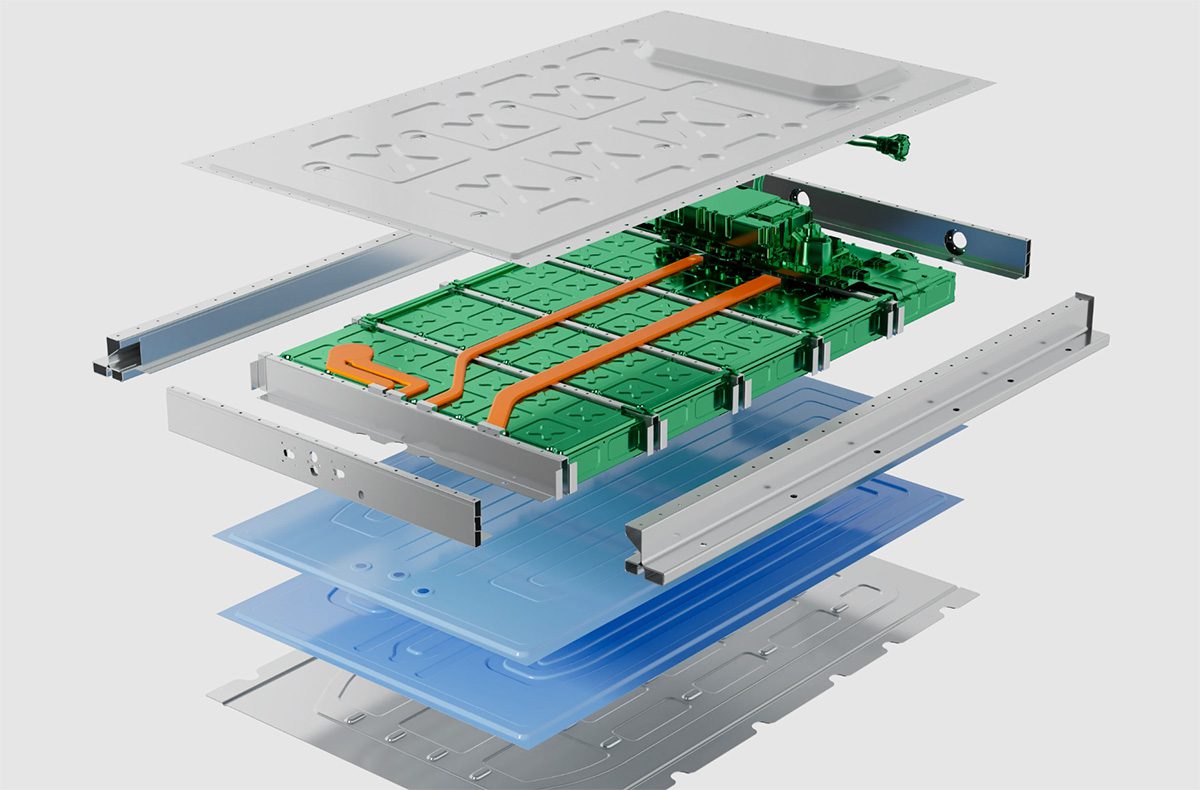
In a significant stride towards advancing sustainable mobility, Maxion Structural Components and Novelis have jointly introduced Maxion InVolt, a groundbreaking battery housing solution designed specifically for electric commercial vehicles. This innovative housing, crafted from a newly engineered rolled aluminum alloy, promises to redefine efficiency and performance standards for battery-electric buses and trucks globally.
The collaboration leverages the combined expertise of Maxion in structural components and Novelis in advanced aluminum materials. The Maxion InVolt housing is manufactured through a sophisticated stamping process, utilizing a bespoke aluminum alloy developed specifically for this application.

Revolutionising Weight Reduction in Electric Commercial Transport
A primary challenge in the widespread adoption and operational efficiency of battery-electric buses and trucks remains their inherent weight. Heavy battery packs often constrain vehicle range and payload capacity, directly impacting operational logistics and economic viability.
The Maxion InVolt directly addresses this critical issue. The companies report that this new stamped aluminum housing is approximately 35% lighter when compared to an extruded aluminum housing designed to meet the same stringent technical specifications. This substantial weight reduction is not merely an engineering feat but a pivotal factor in unlocking greater potential for electric commercial vehicle performance.
The Advantages of Stamped Aluminum
Stamped aluminum, a manufacturing process already widely adopted across various segments of the automotive industry, brings a multitude of benefits to battery housing production. Compared to current processes, the stamped approach employed for Maxion InVolt offers enhanced cost-effectiveness in manufacturing.

Furthermore, the design facilitates significantly easier access to internal components for maintenance. This operational advantage can translate into reduced downtime for vehicles, lower servicing costs, and ultimately, a more efficient fleet management system for commercial operators.
Engineered for Performance, Safety, and Adaptability
The strategic choice of aluminum as the primary material for the Maxion InVolt housing is rooted in its intrinsic properties. Novelis, a leader in rolled aluminum products and raw-material expertise, highlights aluminum’s unique combination of low weight and exceptional impact absorption capabilities.
These characteristics are crucial for meeting the rigorous safety and performance demands placed upon modern electric commercial vehicles. Battery packs are vital, high-value components, and their protection against impact and other external stressors is paramount for both vehicle safety and longevity.
Scalability Across Vehicle Segments
Another defining feature of the Maxion InVolt design is its inherent adaptability. The housing can be tailored to suit a diverse range of vehicle sizes and configurations, spanning from lighter commercial vehicles to the heaviest duty trucks and buses. This versatility positions Maxion InVolt as a scalable solution capable of addressing the varied needs of the global electric commercial vehicle market.
By offering a modular and adaptable battery housing, Maxion and Novelis aim to streamline the integration process for vehicle manufacturers, enabling them to incorporate this advanced lightweight solution across multiple platforms without extensive redesigns.
Driving Sustainability Through Material Innovation
Beyond immediate performance benefits, the Maxion InVolt battery housing underscores a deep commitment to environmental sustainability. Aluminum stands out as a material that can be repeatedly recycled without any degradation in its inherent properties. This characteristic makes it a cornerstone of circular economy principles within manufacturing.
Novelis emphasizes that the high recyclability of aluminum can lead to a significant reduction in greenhouse gas emissions—potentially by up to 95%. This factor is increasingly important as the automotive industry strives to minimize its carbon footprint throughout the entire vehicle lifecycle, from production to end-of-life recycling.
The light weighting achieved by the Maxion InVolt also contributes directly to reducing CO₂ emissions. Lighter vehicles require less energy to move, leading to lower energy consumption over their operational lifespan. This efficiency gain is critical for electric vehicles, where every kilogram saved translates into extended range and reduced charging requirements.
Strategic Visions from Industry Leaders
The development of Maxion InVolt is a testament to the strategic vision of both companies to foster more sustainable and efficient transportation solutions. Leaders from both Maxion and Novelis have articulated the importance of this joint venture.
Daniele Albagli, Vice President of Sales for Novelis South America, highlighted the company’s long-standing dedication to innovation: “With over 40 years of experience in the automotive sector, Novelis is focused on co-creating innovative and customized solutions to meet the demand for more sustainable mobility.” This sentiment underscores Novelis’s role in providing advanced material science to address contemporary industry challenges.
Similarly, Marco Tulio Ricci, Global Director of Innovation and Engineering at Maxion Structural Components, emphasized the strategic implications for electric commercial vehicles: “The development of this solution represents a crucial step in our strategy to reduce the weight of electric commercial vehicles and, consequently, contribute to reducing CO₂ emissions without compromising vehicle load capacity.” His statement directly links the product’s benefits to core objectives of the electric vehicle industry, particularly in maintaining critical payload capabilities while enhancing environmental performance.
Outlook for the Global Electric Commercial Vehicle Market
As governments and industries worldwide intensify their efforts to decarbonize transportation, the demand for high-performance, efficient, and sustainable components for electric commercial vehicles is soaring. The Maxion InVolt battery housing, with its compelling combination of lightweight design, cost-effectiveness, and environmental benefits, is well-positioned to meet this escalating demand.
The product’s global market target reflects the universal imperative to transition towards cleaner transport solutions. Innovations like Maxion InVolt are instrumental in accelerating the adoption of electric commercial vehicles by making them more practical, affordable, and environmentally friendly for operators across various sectors, from logistics and public transport to heavy-duty hauling.
This collaboration between Maxion Structural Components and Novelis exemplifies how material science and manufacturing innovation are converging to solve complex challenges in the electric vehicle ecosystem, paving the way for a more sustainable future in commercial transportation.
Frequently Asked Questions (FAQ)
What is Maxion InVolt?
Maxion InVolt is a new battery housing specifically designed for electric commercial vehicles, developed jointly by Maxion Structural Components and Novelis. It is made from a newly created rolled aluminum alloy using a stamping process.
How much lighter is Maxion InVolt compared to existing solutions?
The Maxion InVolt housing is approximately 35% lighter than an extruded aluminum housing built to the same technical specifications. This significant weight reduction improves vehicle efficiency and performance.
What are the key benefits of using stamped aluminum for battery housings?
Stamped aluminum offers multiple advantages, including substantial weight reduction, improved cost-effectiveness in manufacturing, and easier access to internal components for maintenance, which can reduce operational downtime.
How does Maxion InVolt contribute to sustainability?
The use of aluminum, which is repeatedly recyclable without property loss, helps reduce greenhouse gas emissions by up to 95%. Additionally, a lighter battery housing contributes to lower overall vehicle weight, leading to reduced energy consumption and CO₂ emissions.
Can the Maxion InVolt housing be used in different types of electric commercial vehicles?
Yes, the design of the Maxion InVolt housing is highly adaptable. It can be tailored to fit various sizes of electric commercial vehicles, ranging from light-duty vans to heavy-duty trucks and buses, making it a versatile solution for the global market.
Why is weight reduction critical for electric commercial vehicles?
Weight is a central constraint for electric buses and trucks. Reducing the weight of components like battery housings directly enhances the vehicle’s range, increases its payload capacity, and improves overall energy efficiency, making electric commercial transport more viable.
Which companies collaborated on the development of Maxion InVolt?
Maxion Structural Components, known for its expertise in structural components, collaborated with Novelis, a leader in rolled aluminum products and material science, to develop the Maxion InVolt battery housing.