
Key Takeaways
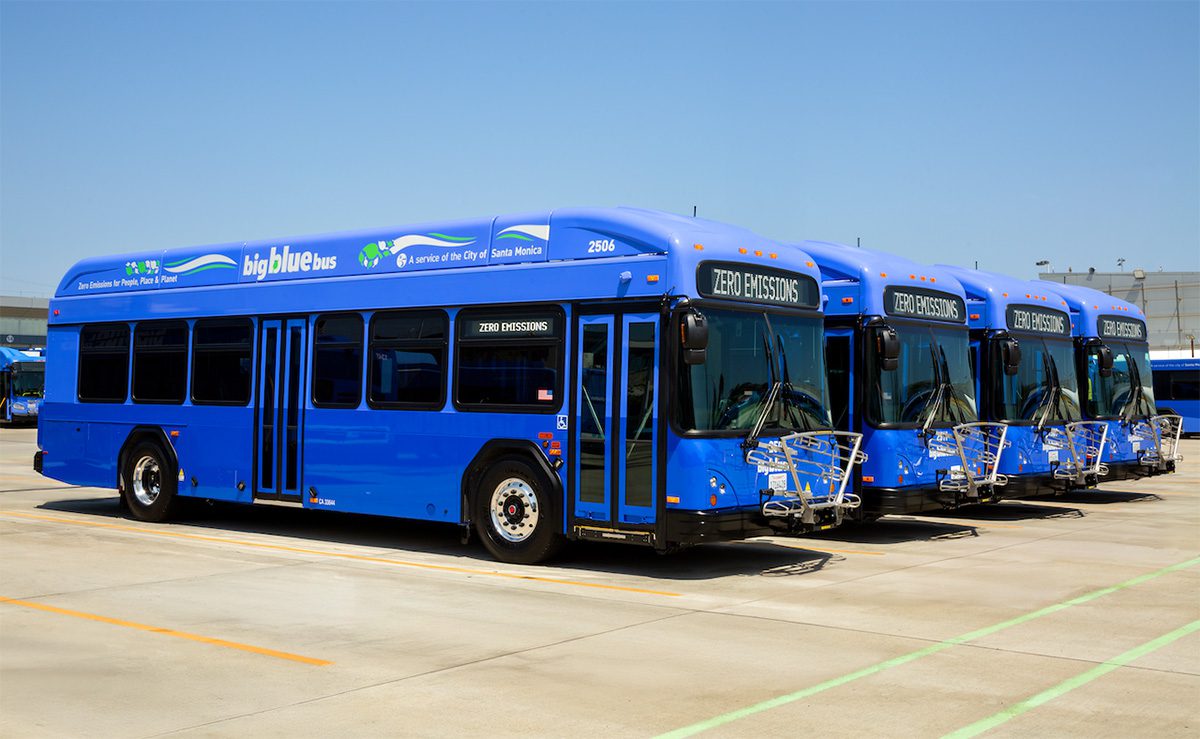
- Santa Monica’s Big Blue Bus is spearheading a comprehensive transition to a fully zero-emission public transit fleet by 2032, backed by a substantial $56-million investment.
- This ambitious undertaking is powered by a strategic collaboration between ChargePoint, a leading EV charging giant, and Eaton, an intelligent power management company, to deploy advanced EV charging infrastructure.
- The project will integrate 130 ChargePoint Express Plus DC fast charging ports with Eaton’s robust electrical infrastructure, including medium-voltage switchgear and energy management solutions.
- The initiative is poised to deliver significant environmental and operational benefits, including healthier air quality, reduced noise pollution, and a more efficient, comfortable experience for riders and transit staff alike.
- This public-private partnership exemplifies a scalable model for urban fleet electrification, addressing the complex demands of large-scale public transportation decarbonization efforts across the nation.
Santa Monica, California – The City of Santa Monica is taking a decisive step towards a sustainable urban future, committing to a fully zero-emission public transit fleet by 2032. This ambitious environmental objective is being significantly advanced through a landmark partnership between two industry leaders: EV charging giant ChargePoint and intelligent power management company Eaton. Together, they are set to deploy state-of-the-art EV charging infrastructure for Big Blue Bus, the public transit agency serving Santa Monica and the wider Westside region of Los Angeles County.
This initiative represents a pivotal moment in urban sustainable mobility, showcasing how strategic collaborations and innovative technology can drive large-scale decarbonization efforts within public transportation. The multi-million dollar investment underscores Santa Monica’s unwavering commitment to fostering a cleaner, healthier urban environment for its residents and commuters.
A $56-Million Investment in Sustainable Urban Mobility
Santa Monica’s Department of Transportation has earmarked a substantial $56 million investment to fortify its electric transit fleet infrastructure. This significant financial commitment highlights the city’s proactive approach to addressing climate change and enhancing public health through cleaner air initiatives. The partnership with ChargePoint and Eaton forms the backbone of this extensive infrastructure overhaul.
The project is designed to integrate ChargePoint’s advanced DC fast charging solutions and comprehensive fleet software with Eaton’s sophisticated electrical infrastructure and energy management expertise. This holistic approach ensures not only efficient charging but also robust, reliable power delivery and intelligent energy optimization across the entire bus depot.
ChargePoint’s High-Power DC Fast Charging Solutions
At the core of Big Blue Bus’s electrification strategy is the planned deployment of 130 DC fast charging ports, exclusively featuring ChargePoint’s Express Plus line of equipment. These high-power chargers are critical for the rapid turnaround times required by busy public transit operations, minimizing downtime and maximizing fleet availability.
Rick Wilmer, CEO at ChargePoint, emphasized the scale and significance of this undertaking. “This project represents one of ChargePoint’s largest transit deployments to date, showcasing how our scalable, high-power charging solutions can meet the complex needs of large bus fleets and help agencies transition to fully electric operations while delivering a lower total cost of ownership,” he stated.
The Express Plus system is engineered to provide modular and scalable power, allowing Big Blue Bus to expand its charging capabilities as its electric fleet grows. This flexibility is crucial for long-term planning and ensures that the EV charging infrastructure can adapt to future demands without extensive overhauls.
Eaton’s Expertise in Electrical Infrastructure and Energy Management
Complementing ChargePoint’s charging technology, Eaton is providing the essential electrical infrastructure that forms the backbone of the charging network. This includes medium-voltage switchgear, switchboards, and panelboards, all critical components for safe and efficient power distribution.
Eaton’s role extends beyond supplying hardware; their engineering expertise is vital in designing a resilient and optimized power system capable of handling the substantial energy demands of 130 DC fast chargers. Their energy management solutions will ensure that power consumption is optimized, grid integration is seamless, and operational costs are minimized for the public transit agency.
Paul Ryan, Vice President and General Manager, Energy Transition at Eaton, highlighted the company’s commitment to simplifying the electrification process. “Whether you’re electrifying a fleet or a personal vehicle, Eaton is making electrification easier, faster and more flexible—helping customers maximize infrastructure investments, optimize energy use and unlock greater value from the grid,” Ryan commented, underscoring the integrated value proposition.
Transforming Public Transit: Benefits for Santa Monica
The transition to a fully zero-emission bus fleet is expected to yield profound benefits for the City of Santa Monica and its residents. Beyond the immediate environmental advantages, the project aims to enhance the overall quality of urban life and public transit experience.
Anuj Gupta, Director of Transportation for the City of Santa Monica, articulated the broader vision behind this significant investment. “By investing in clean, electric transit, we’re creating healthier air for our communities, a quieter and more comfortable experience for riders, and a safer, more efficient environment for our workforce,” Gupta said, emphasizing the multifaceted positive impacts.
Environmental and Health Improvements
The elimination of tailpipe emissions from buses will directly contribute to improved air quality, reducing respiratory illnesses and improving public health outcomes across Santa Monica. This move aligns with global efforts to combat urban air pollution and foster sustainable city living. Reduced particulate matter and nitrogen oxides are direct benefits of moving away from fossil fuel-powered buses.
Enhanced Rider Experience and Operational Efficiency
Electric buses are inherently quieter than their diesel counterparts, leading to a more peaceful journey for passengers and reduced noise pollution in urban areas. This creates a more pleasant experience for riders and contributes to a calmer streetscape. For operators, the advanced fleet software provides real-time data and management capabilities, enhancing routing efficiency and predictive maintenance.
Economic and Grid Modernization Advantages
While the initial investment is significant, electric fleets often offer a lower total cost of ownership over their lifecycle due to reduced fuel costs and simplified maintenance requirements. Furthermore, intelligent energy management systems from Eaton can help Big Blue Bus interact more effectively with the electricity grid, potentially leveraging off-peak charging to reduce costs and support grid stability. This maximizes infrastructure investments and unlocks greater value from the grid, as noted by Eaton’s Paul Ryan.
A Model for Future Urban Electrification
The Santa Monica project serves as an important blueprint for other municipalities contemplating or embarking on their own fleet electrification journeys. It demonstrates the necessity of a comprehensive approach that encompasses not just the vehicles, but also the critical EV charging infrastructure and the underlying electrical power management systems.
This collaboration between a major transit agency, an EV charging innovator, and a power management expert exemplifies the type of integrated partnership required to scale sustainable transportation solutions. It underscores the complexity and coordinated effort needed to transition large-scale public services to zero-emission operations, setting a precedent for robust and future-proof electrification strategies.
Conclusion
Santa Monica’s commitment to a fully zero-emission bus fleet by 2032, propelled by the strategic partnership between ChargePoint and Eaton, marks a significant milestone in the evolution of sustainable public transportation. This $56-million investment in advanced EV charging infrastructure is more than just a technological upgrade; it is a profound investment in the city’s environmental health, the well-being of its citizens, and the future of urban mobility. By embracing high-power charging solutions and sophisticated electrical management, Santa Monica is not only transforming its own transit system but also paving the way for other cities to accelerate their transition to a cleaner, electric future.
FAQ Section
What is the primary goal of the Santa Monica transportation project?
The Santa Monica Department of Transportation aims to transition its entire Big Blue Bus fleet to fully zero-emission operations by 2032. This ambitious goal is part of the city’s broader commitment to environmental sustainability and improving public health through reduced air and noise pollution in urban areas.
Who are the key partners involved in developing the EV charging infrastructure?
The critical EV charging infrastructure for Big Blue Bus is being developed through a strategic collaboration between ChargePoint, a leader in electric vehicle charging solutions, and Eaton, an intelligent power management company. Their combined expertise ensures a robust and efficient charging network.
What is the total investment in Santa Monica’s electric transit fleet infrastructure?
Santa Monica has committed a significant $56 million investment towards electrifying its transit fleet infrastructure. This substantial funding covers the deployment of advanced charging technology, essential electrical upgrades, and comprehensive energy management systems to support a large-scale electric bus operation.
How many charging ports will be deployed and what type are they?
The project will involve the deployment of 130 DC fast charging ports. These ports will exclusively feature ChargePoint’s Express Plus line of equipment, designed for high-power, rapid charging crucial for maintaining the operational efficiency and tight schedules of a public bus fleet.
What specific contributions is Eaton making to the project?
Eaton is providing crucial electrical infrastructure for the project, including medium-voltage switchgear, switchboards, and panelboards. Additionally, Eaton is contributing its engineering expertise and advanced energy management solutions to ensure the optimal performance, safety, and efficiency of the entire charging network.
What benefits are expected for Santa Monica residents and transit riders?
Residents and riders in Santa Monica can expect several benefits, including healthier air quality due to zero tailpipe emissions, a quieter and more comfortable experience on electric buses, and reduced urban noise pollution. The transition also aims for a safer and more efficient operational environment for the transit workforce.
What does a “lower total cost of ownership” mean for an electric bus fleet?
A lower total cost of ownership for an electric bus fleet implies reduced operational expenses over the vehicle’s lifespan. This typically includes significant savings on fuel costs compared to diesel buses, decreased maintenance requirements due to fewer moving parts, and potential benefits from intelligent energy management and grid interaction.
Why is this project considered a model for other cities?
This project is viewed as a model because it demonstrates a comprehensive, integrated approach to large-scale public transit electrification. The collaboration between a transit agency, a charging technology provider, and an electrical infrastructure specialist offers a replicable blueprint for addressing the complex technical, operational, and financial challenges of transitioning to zero-emission fleets.