
Key Takeaways
- New York City has partnered with Brooklyn-based It’s Electric to deploy 700 new Level 2 curbside EV chargers over the next three years.
- This significant expansion aims to bolster EV charging infrastructure, particularly targeting densely populated neighborhoods and areas with a high concentration of rideshare drivers across all five boroughs.
- The initiative addresses a critical gap in urban EV charging, making electric vehicle adoption more feasible for residents without access to private off-street parking, a model prevalent in Europe but less common in major U.S. cities.
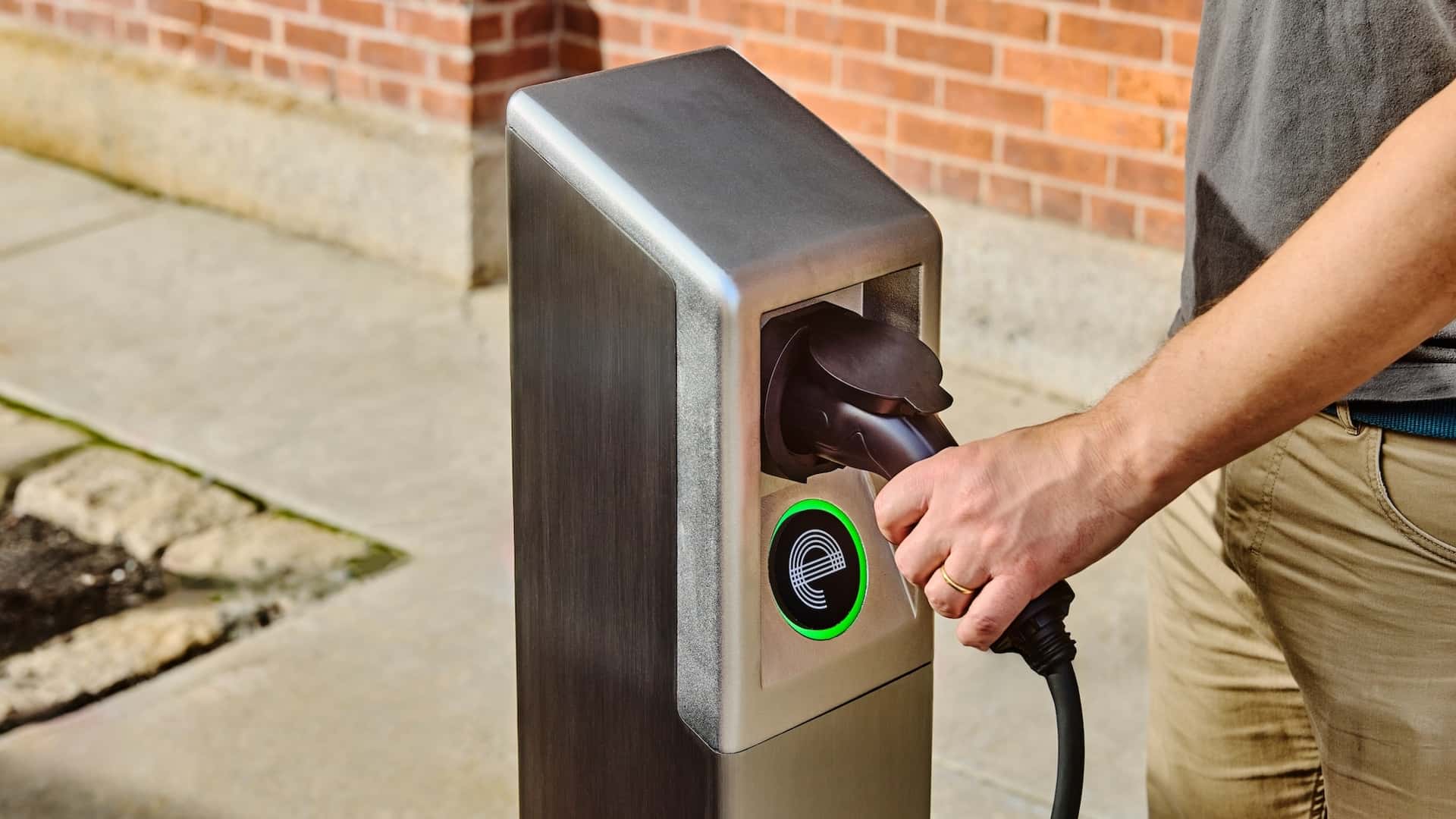
- It’s Electric’s innovative hardware design, which eschews built-in cords, screens, and credit card readers, was specifically developed to integrate seamlessly with New York’s urban aesthetic and regulatory requirements.
- The project builds on the success of an earlier pilot program, which saw existing curbside chargers achieve occupancy rates as high as 99%, underscoring the strong demand for accessible public EV charging solutions.
New York City is poised for a significant transformation in its electric vehicle landscape with the announcement of a massive expansion in its curbside EV charging infrastructure. The city has officially partnered with It’s Electric, a Brooklyn-based startup, to install 700 Level 2 chargers across its five boroughs over the next three years. This ambitious project aims to democratize electric vehicle ownership in one of the densest urban environments globally.
The strategic deployment of these new chargers directly addresses a critical challenge for many city residents: the scarcity of off-street parking and, consequently, accessible charging options. This initiative seeks to replicate the successful urban EV charging models commonly found in European cities, which have long relied on convenient curbside solutions to support widespread electric vehicle adoption.

Bridging the Urban Charging Divide
For years, the decision to switch to an electric vehicle in New York City has been complicated by the practicalities of charging. Unlike residents in detached homes with private garages or driveways, apartment dwellers have faced a significant hurdle in maintaining a charged EV. The reliance on often distant fast-charging stations or, in some cases, makeshift solutions like extension cords from windows, has highlighted a glaring gap in the city’s electric vehicle charging infrastructure.
Tiya Gordon, co-founder and COO of It’s Electric, underscored this disparity, stating, “Once you leave L.A. and you go to Boston, you go to New York, you go to San Francisco, you go to D.C., you go to Philadelphia, you go to New York, it’s a desert.” This observation succinctly captures the challenge for major U.S. cities striving for greater EV adoption without robust public charging networks.
A Targeted Rollout for Maximum Impact
The 700 new Level 2 chargers are not merely being scattered randomly across the city. The deployment strategy is highly targeted, focusing on neighborhoods with high concentrations of rideshare drivers. This deliberate approach is crucial for accelerating the city’s broader environmental goals, including its objective of making all rideshare vehicles electric by 2030.

The current system often forces rideshare drivers to travel long distances to fast-charging stations. They then endure extended wait times, pay higher per-kilowatt-hour rates (reportedly 50 cents per kilowatt-hour), and face additional commute times back to their service areas. Placing these new chargers directly in residential neighborhoods where drivers typically park overnight offers a transformative solution.
As Gordon elaborated, “By putting chargers in the neighborhoods where these rideshare drivers just park overnight and go to sleep, they’re waking up and they have that full battery.” This convenience is expected to be a significant catalyst for the city’s estimated 80,000 rideshare drivers to transition to electric vehicles, bolstering the city’s EV charging infrastructure for commercial fleets.
Learning from Past Successes
The decision to dramatically expand the curbside EV charging network comes on the heels of a highly successful pilot program. New York City previously installed 88 curbside Flo chargers, which proved to be immensely popular with EV owners. The city’s Department of Transportation (DOT) reported impressive utilization rates for these pilot stations.
Data showed that these sites were occupied by an EV approximately 70% of the time, with some individual stations experiencing occupancy rates as high as 99%. Crucially, when occupied, these chargers were actively supplying energy 85% of the time, indicating high demand and effective use. These statistics provided compelling evidence for the necessity and viability of expanding public EV charging infrastructure.
The existing Flo chargers will eventually be replaced by the new It’s Electric units, signaling a seamless transition and upgrade for the city’s EV users.
Innovative Design for an Iconic City
It’s Electric’s hardware differentiates itself through a thoughtful, user-centric design tailored specifically for New York City’s demanding urban environment. The sleek, stainless steel posts are notably minimalist, lacking built-in cords, screens, or credit card readers. Instead, drivers utilize their own charging cords, which are provided by the company.
This design choice serves multiple purposes. It reduces street clutter, a key consideration for the city’s Public Design Commission, which reviews all street furniture to maintain aesthetic standards. Gordon noted, “New York has been like the apex city for us in a lot of ways, and so we knew that we had to do things in a very specific way to win a city like New York.” The chargers are also designed to draw power from nearby apartment buildings, a method that It’s Electric claims makes the infrastructure cheaper and quicker to deploy.
These new EV charging infrastructure components will be strategically dispersed, with no more than two units on any given block to ensure equitable access and avoid over-concentration. Furthermore, reflecting a commitment to local economic development, the manufacturing of these charging units will take place in Queens, New York.
The Broader Impact of Expanded EV Charging Infrastructure
The expansion of New York City’s EV charging infrastructure represents more than just added convenience for electric vehicle owners; it is a critical step towards achieving broader environmental and economic objectives. By making EV ownership more accessible and practical, the city can significantly reduce carbon dioxide emissions from its transportation sector, contributing to cleaner air and a healthier urban environment.
Moreover, the focus on rideshare drivers highlights an innovative approach to urban decarbonization. Empowering a high-mileage, professional driving segment to transition to electric vehicles has a disproportionately positive impact on overall emissions. It also offers economic benefits to drivers through reduced fuel and maintenance costs, even after accounting for electricity tariffs.
Beyond New York, It’s Electric is already making inroads in other major U.S. cities, having secured contracts in Boston, Los Angeles, San Francisco, and Philadelphia. This broader expansion, coupled with a recent funding round that brought its total funding to $15 million, indicates strong confidence in its model. The company currently operates 50 chargers and serves 700 customers, all coming online since April of last year, demonstrating rapid growth in the burgeoning electric vehicle charging market.
This initiative by New York City sets a precedent for how dense urban areas can successfully deploy robust EV charging infrastructure, addressing specific challenges like parking constraints and supporting critical sectors like rideshare. As more chargers come online, the convenience of going electric in the Big Apple is set to become a reality for thousands more residents and professionals.
Frequently Asked Questions
What is New York City’s plan for EV charging infrastructure?
New York City is significantly expanding its EV charging infrastructure by installing 700 new Level 2 curbside chargers across all five boroughs. This initiative, in partnership with It’s Electric, aims to provide accessible charging solutions for residents, particularly those without private parking, and support the city’s transition to electric vehicles over the next three years.
Who is installing the new EV chargers in NYC?
Brooklyn-based startup It’s Electric has been selected by New York City to install the 700 new curbside EV chargers. The company specializes in developing and deploying urban charging solutions, with its hardware designed to meet the specific aesthetic and functional requirements of dense city environments like New York.
How will the new curbside chargers benefit rideshare drivers?
The new EV charging infrastructure will significantly benefit rideshare drivers by placing chargers in their residential neighborhoods. This allows them to charge their vehicles overnight, eliminating the need to drive long distances to fast-charging stations, wait in queues, and pay higher rates. It supports the city’s goal of electrifying all rideshare vehicles by 2030.
What makes It’s Electric’s chargers unique?
It’s Electric’s chargers feature a distinct design optimized for urban settings. They are sleek, stainless steel posts without built-in cords, screens, or credit card readers; drivers use their own provided cords. This minimalist approach was developed to satisfy New York’s Public Design Commission and reduce street clutter, ensuring seamless integration into the city’s landscape.
Where will the power for these new chargers come from?
The new EV charging infrastructure will draw power from nearby apartment buildings. This method is touted by It’s Electric as a more cost-effective and quicker way to build out the charging network. Chargers will be distributed throughout the city, with a maximum of two units per block to ensure wide coverage and accessibility.
What was the success of the previous EV charging pilot program?
A previous pilot program involving 88 curbside Flo chargers demonstrated significant demand and success. The city reported that these stations were occupied by an EV 70% of the time, with some reaching up to 99% occupancy. When occupied, they were supplying energy 85% of the time, highlighting strong utilization and the clear need for expanded EV charging infrastructure.
What are New York City’s broader goals with this EV charging expansion?
New York City’s broader goals include reducing CO2 emissions and transitioning all rideshare vehicles to electric by 2030. This expansion of EV charging infrastructure is a critical component of these environmental objectives, making electric vehicle adoption more feasible and convenient for a wider segment of the population, including its large fleet of rideshare drivers.