
Key Takeaways
- Tesla is initiating a significant European charging infrastructure project for its Semi truck.
- Over 100 megawatt-capable Megacharger stalls are planned across 21 stations in Germany, France, the UK, Sweden, Belgium, the Netherlands, and Luxembourg.
- Each Megacharger can deliver up to 1.2 megawatts, charging the Semi’s battery to 60% in approximately 30 minutes.
- Tesla will also sell Megacharger and Basecharger units to logistics companies for private depot charging.
- The rollout is critical for enabling the Tesla Semi’s European launch, with first deliveries expected next year.
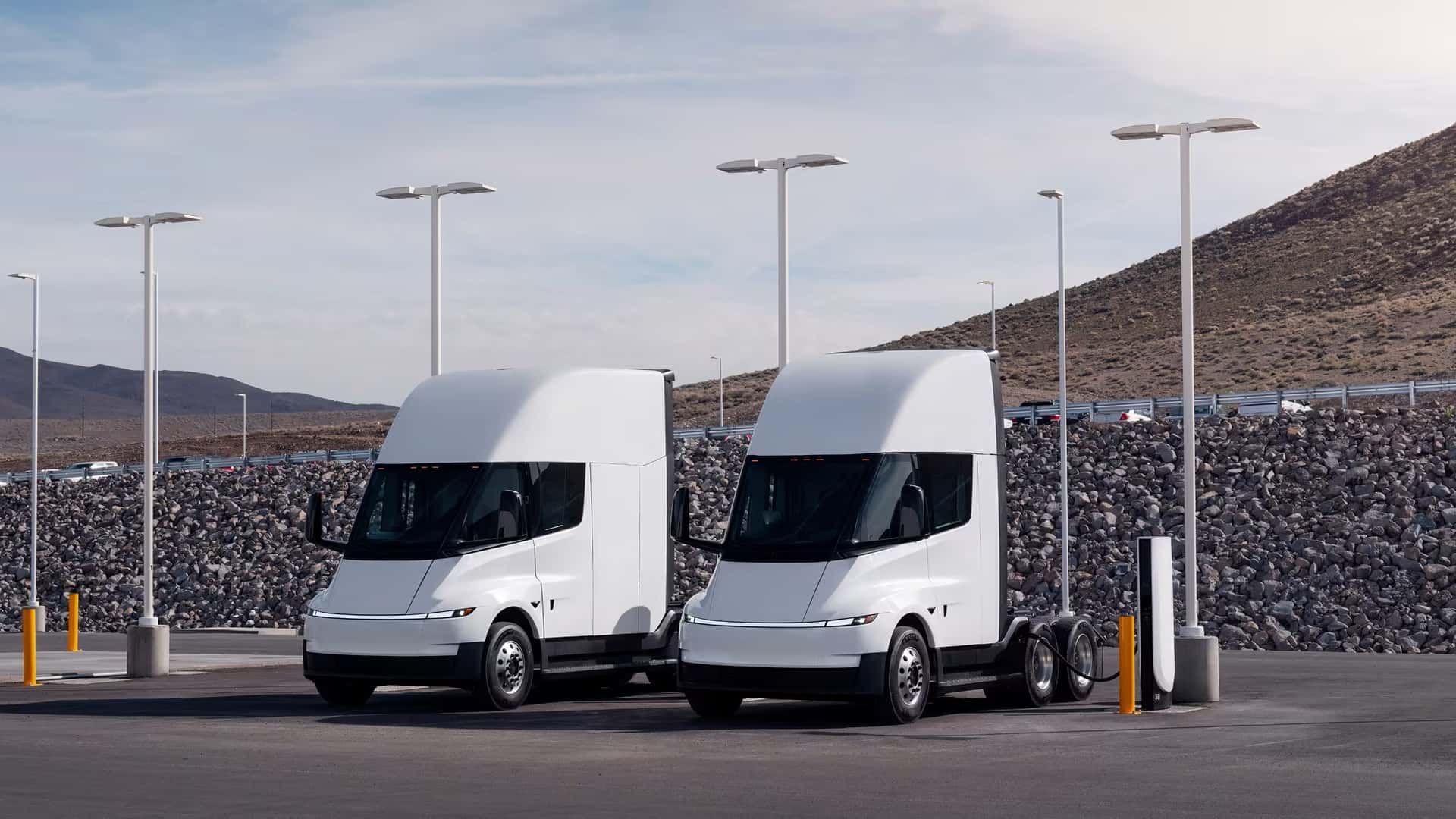
Tesla is poised to revolutionize the European heavy-duty transport sector with a strategic deployment of its high-powered Megacharger network. This crucial infrastructure development directly supports the impending launch of the Tesla Semi truck across the continent, signaling a new era for electric freight. The company has detailed plans to install over 100 megawatt-capable charging stalls at 21 strategic locations, addressing a fundamental requirement for the widespread adoption of electric heavy-duty vehicles.
Unlike traditional diesel trucks, the long-haul electric tractor demands an exceptionally robust and powerful charging ecosystem. This extensive rollout of advanced charging facilities is designed to ensure the Tesla Semi’s operational viability and efficiency in European logistics, a region increasingly committed to decarbonizing its transport sector.

The Strategic European Megacharger Rollout
The initial phase of Tesla’s charging infrastructure expansion in Europe targets seven key countries: Germany, France, the United Kingdom, Sweden, Belgium, the Netherlands, and Luxembourg. These nations represent significant economic hubs and critical corridors within the European freight network, making them ideal locations for pioneering electric truck charging solutions.
According to Dan Priestley, Tesla’s head of Semi development, the company will establish these more than 100 Megachargers across the 21 stations. While a precise timeline for the completion of this initial rollout was not disclosed during Priestley’s presentation at this year’s IAA Transportation fair in Hanover, the commitment underscores Tesla’s dedication to building a foundational network ahead of vehicle deliveries.
This concentrated effort in strategically chosen regions highlights Tesla’s understanding of the commercial vehicle market’s unique needs. Ensuring reliable, high-speed charging in vital logistical areas is paramount to minimizing downtime and maximizing the operational benefits of electric trucks for European businesses.

Technical Prowess of Tesla Megachargers
The Megacharger technology represents a significant leap in electric vehicle charging capabilities, tailored specifically for the enormous battery capacities of heavy-duty trucks like the Tesla Semi. Each Tesla Megacharger unit is designed to deliver an impressive 1.2 megawatts (MW) of power, facilitating rapid energy replenishment for long-haul operations.
This immense power output is critical for commercial applications, where every minute of charging directly impacts profitability. The ability to restore a substantial portion of the Semi’s battery pack to 60% in approximately 30 minutes significantly enhances the truck’s operational range and reduces turnaround times at depots and along major freight routes.
In Europe, these Megachargers will feature a 1,000-volt power cabinet, a critical component that manages the high voltage required for such rapid charging. Each station will also include two dedicated stalls capable of sending up to 1,500 amperes to a compatible electric vehicle. This high amperage flow is essential for quickly transferring large amounts of electricity to the Semi’s extensive battery system, setting a new standard for electric truck charging.
Interoperability and Connector Standards
A key technical detail highlighted in the rollout plans is the connector standard. Both the Tesla Semi and the dedicated Megacharger units are fitted with a proprietary MCS 3.2 connector. This means that, initially, other electric heavy-duty trucks not equipped with this specific connector will not be able to utilize Tesla’s megawatt-capable chargers in the region.
However, Tesla is also planning to provide CCS adapters to Semi customers. This pragmatic approach ensures that while the proprietary Megacharger network offers optimal performance for the Tesla Semi, fleet operators will also have the flexibility to recharge their vehicles at existing CCS2 stalls across Europe. The CCS2 standard is widely adopted for passenger EVs and some commercial electric vehicles in Europe, providing a broader, albeit slower, charging alternative.
This dual-charging strategy aims to mitigate potential range anxiety and enhance operational flexibility for businesses investing in the Tesla Semi. It recognizes the current diverse landscape of EV charging infrastructure while pushing forward with a high-power standard optimized for heavy-duty applications.
Empowering Logistics: Charger Sales and Basecharger Option
Beyond establishing a public Megacharger network, Tesla is adopting a multifaceted strategy by offering its charging solutions directly to commercial entities. The company will sell its sleek Megacharger dispensers to businesses, such as large logistics hubs and freight depots, that require dedicated, on-site charging capabilities. This business model allows companies to integrate high-speed charging seamlessly into their operational infrastructure.
The order books for both the Megacharger and the lower-powered Basecharger are already open, with the first European deliveries anticipated in the middle of next year. A Megacharger bundle, which includes a power cabinet and two stalls, is priced at €163,000. This investment allows freight companies to establish their own ultra-fast charging points, optimizing fleet management and ensuring maximum uptime for their electric trucks.
For companies with different operational needs, Tesla also offers the Basecharger. This all-in-one unit, priced at €17,000 (with a mandatory two-unit minimum order), integrates all necessary components into a single housing. Designed for scenarios where electric trucks can be recharged over longer periods, the Basecharger provides a DC output of 120 kW and an AC output of 125 kW.
According to Tesla, the Basecharger can increase the Semi’s state of charge to 80% in approximately four hours. This makes it an ideal solution for overnight charging at depots, offering a cost-effective and efficient way to ensure trucks are ready for their next route without requiring the ultra-fast speeds of a Megacharger.
The Future of European Electric Freight
The initiation of the Tesla Megacharger European rollout marks a pivotal moment for the electrification of heavy-duty transport. With the Tesla Semi’s first deliveries scheduled for next year, the parallel development of a robust charging network underscores the comprehensive approach required to transition away from fossil fuels in the logistics sector.
This infrastructure investment not only addresses the immediate charging needs of the Tesla Semi but also contributes to the broader ecosystem of electric truck adoption in Europe. The availability of high-power charging solutions, both public and private, is fundamental to building confidence among fleet operators and accelerating the shift towards more sustainable freight transport solutions across the continent.
FAQ Section
What is a Tesla Megacharger?
A Tesla Megacharger is a high-power charging station specifically designed for heavy-duty electric trucks like the Tesla Semi. It delivers up to 1.2 megawatts of power, enabling rapid recharging of large battery packs, crucial for commercial operations and long-haul freight.
Where will the first European Megachargers be installed?
The initial European Megacharger rollout will cover 21 stations across seven countries: Germany, France, the United Kingdom, Sweden, Belgium, the Netherlands, and Luxembourg. These locations are strategically chosen for their importance in the European logistics network.
How fast can a Tesla Semi charge with a Megacharger?
A Tesla Megacharger can replenish the Semi’s large battery pack to approximately 60% state of charge in roughly 30 minutes. This rapid charging capability is essential for minimizing downtime and maximizing the operational efficiency of electric trucks.
Can other electric trucks use Tesla Megachargers?
The Tesla Megacharger uses a proprietary MCS 3.2 connector, meaning other electric trucks will not be able to use these chargers directly unless they also adopt this standard. However, Tesla will provide CCS adapters to Semi customers for wider compatibility.
What is the Tesla Basecharger?
The Basecharger is a lower-powered charging solution offered by Tesla, integrating all components into a single unit. It provides 120 kW DC and 125 kW AC output, capable of charging a Semi to 80% in about four hours, ideal for overnight depot charging.
What is the cost of a Tesla Megacharger for businesses?
A Megacharger bundle, including a power cabinet and two stalls, costs €163,000 for businesses. The Basecharger is available for €17,000, with a mandatory two-unit order. These options allow logistics companies to set up private charging infrastructure.
When will the Tesla Semi and Megachargers be available in Europe?
The first deliveries of the Tesla Semi in Europe are scheduled for next year. Similarly, the first European deliveries of both the Megacharger and Basecharger units for commercial purchase are anticipated in the middle of next year, aligning with the vehicle launch.