
Key Takeaways
- General Motors (GM) has officially commenced installing electric vehicle batteries containing recycled materials into new production models, a significant step in sustainable manufacturing.
- The pilot program, in collaboration with Cirba Solutions, successfully recovered critical minerals like nickel, cobalt, and manganese from 80 end-of-life batteries.
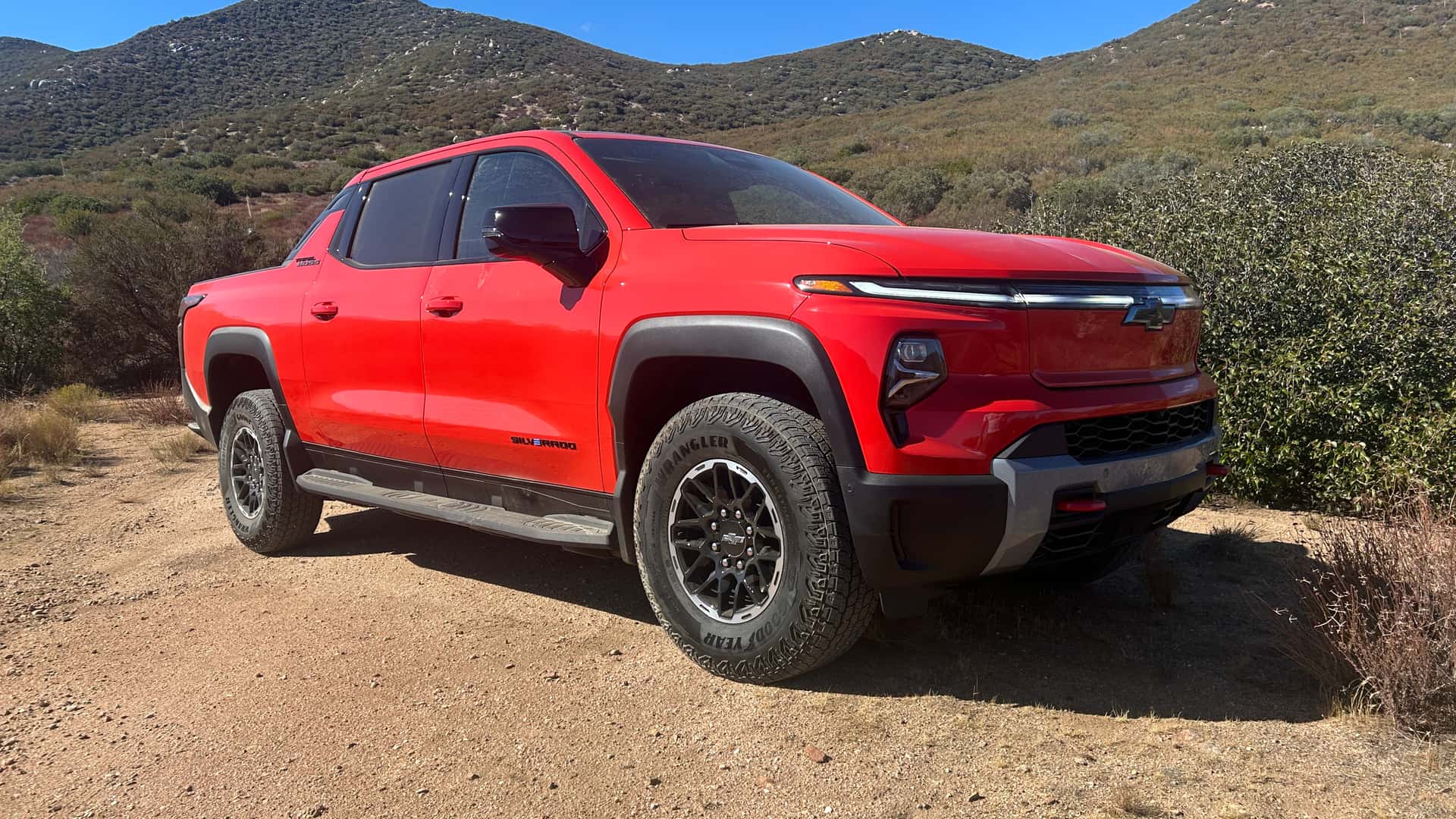
- This initiative transforms ‘black mass’ into new cathode active material, now powering vehicles such as the Cadillac Lyriq and Chevrolet Silverado EV Trail Boss.
- GM affirms that batteries made with these recycled components meet the same stringent quality, safety, and performance standards as those from virgin materials.
- The move underscores a broader industry shift towards a circular economy for electric vehicles, aiming to reduce costs, minimise environmental impact, and enhance supply chain resilience.
In a landmark move signaling a significant stride towards sustainable automotive manufacturing, General Motors (GM) announced Tuesday the integration of batteries containing recycled materials from old electric vehicle (EV) packs into its new production models. This initiative is part of an innovative pilot program designed to enhance the circular economy within the burgeoning EV sector.
The strategic incorporation of recycled battery materials into vehicles like the Cadillac Lyriq and Chevrolet Silverado EV Trail Boss marks a pivotal moment for the auto giant. It demonstrates GM’s commitment to reducing its environmental footprint and fostering a more resilient supply chain for its Ultium electric vehicles.
Pioneering Closed-Loop Recycling for EV Batteries
The battery stands as the most expensive component in an electric vehicle, making its efficient recycling crucial for both economic viability and environmental responsibility. GM’s pilot program highlights the high recyclability of these complex power units, capable of yielding substantial amounts of valuable resources.
According to GM, depending on the battery chemistry and the specific recycling process employed, up to 95% of nickel, cobalt, and manganese, along with 80% of the lithium, can be effectively recovered. These critical minerals are then processed for reuse in the production of brand-new battery cells, creating a truly closed-loop system.
The Role of Cirba Solutions in Material Recovery
Central to this groundbreaking effort is GM’s collaboration with battery recycling specialist Cirba Solutions. In the initial phase of the pilot, Cirba Solutions was instrumental in recovering essential materials from 80 end-of-life batteries, laying the groundwork for subsequent processing.
The recovery process yields what is known as ‘black mass’—a dark, powdery mixture comprising cathode and anode materials. This includes vital elements such as lithium, nickel, cobalt, manganese, and graphite. While black mass is not directly reusable, it serves as a critical intermediary material that undergoes sophisticated chemical processing.
From Black Mass to New Cathode Active Material
The transformation of black mass is an intricate step, converting it into new cathode active material (CAM). The cathode is a fundamental component within a battery cell, acting as the destination for charged particles during vehicle operation. The specific chemical composition of the cathode defines the battery’s chemistry, such as lithium iron phosphate or nickel cobalt aluminum.
For this pilot, the recovered black mass was meticulously processed to produce an impressive 12 metric tons of new CAM. Significantly, this new material was composed of 100% recycled nickel, cobalt, and manganese, showcasing the remarkable potential of advanced EV battery recycling technologies.
Integrating Recycled Batteries into Production Vehicles
The newly manufactured battery cells, powered by these recycled materials, have been successfully integrated into GM’s production lineup. This transition from laboratory experimentation to real-world application underscores the maturity and viability of the recycling process.
Current models benefiting from this sustainable integration include a range of high-profile GM electric vehicles. Among them are the luxurious Cadillac Lyriq, Vistiq, Escalade IQ, and IQL, alongside the robust Chevrolet Silverado EV Trail Boss and the GMC Sierra EV AT4. This widespread adoption across diverse models demonstrates GM’s confidence in the recycled components.
Uncompromised Quality and Performance
A crucial aspect of this initiative is ensuring that recycled materials do not compromise the stringent performance and safety standards expected of new vehicles. Kurt Kelty, Vice President of Battery and Sustainability at GM, provided a reassuring statement on this front.
“This new cathode active material was validated to the same high quality, safety and performance standards required for use in an electric vehicle, and cells made with recycled materials performed as well as those made from virgin material,” Kelty affirmed in a social media post. This validation is critical for consumer confidence and the broader acceptance of EV battery recycling.
Beyond First Life: Second-Life Applications for EV Batteries
The journey of an EV battery doesn’t necessarily conclude when it can no longer meet the demanding requirements of a vehicle. Before being dismantled for material recovery, many batteries possess sufficient capacity for ‘second-life’ applications, primarily in energy storage systems.
GM is actively pursuing this avenue through a partnership with Redwood Materials, aiming to deploy approximately 10,000 used EV batteries for grid-scale energy storage solutions. Once these batteries eventually reach the definitive end of their useful life in secondary applications, they can then be efficiently recycled, with their valuable components feeding back into the production of new EV batteries.
A Growing Industry Trend Towards Sustainable EV Production
General Motors is not alone in its pursuit of sustainable EV battery strategies. The automotive industry is witnessing a concerted effort by major players to embrace recycled materials and circular economy principles. This collective movement is driven by environmental imperatives, economic advantages, and the need for greater supply chain security amidst rising demand for critical minerals.
Just last week, Porsche announced its successful production of prototype battery cells utilizing recycled materials, with ambitious plans to incorporate them into production vehicles by 2028. Similarly, Rivian is collaborating with Redwood Materials to power its Illinois factory operations using second-life batteries integrated into energy storage systems, showcasing diverse applications for used EV components.
Tesla, a pioneer in mass-produced electric vehicles, also boasts a robust EV battery recycling program. In a recent blog post, the company articulated its commitment to “working to reduce our reliance on newly mined critical materials” and confirmed that in 2025, it recycled thousands of metric tons of material through its own facilities and third-party recyclers. “Wherever possible, we return these materials to our battery supply chain, refining them into components for new batteries,” the company stated, underscoring the industry’s widespread adoption of this crucial practice.
The Future of Sustainable Mobility
The integration of recycled battery materials into new electric vehicles by General Motors signifies more than just an engineering feat; it represents a foundational shift towards a truly sustainable future for the automotive industry. This approach promises to mitigate the environmental impact associated with mineral extraction, reduce manufacturing costs, and enhance the overall resilience of the EV supply chain.
As the global transition to electric mobility accelerates, the importance of robust EV battery recycling infrastructure and innovative closed-loop systems will only grow. GM’s pilot program provides a tangible example of how yesterday’s batteries can indeed power today’s and tomorrow’s electric vehicles, paving the way for a cleaner, more efficient, and resource-independent era of transportation.
FAQ Section
Q1: What is General Motors’ new initiative regarding EV batteries?
General Motors has started installing batteries containing recycled materials from old packs into new electric vehicle models. This pilot program aims to establish a closed-loop recycling system, significantly reducing reliance on newly mined critical minerals and promoting sustainable EV manufacturing practices across its product line.
Q2: Which materials are being recovered from old EV batteries?
GM’s process, in collaboration with Cirba Solutions, focuses on recovering valuable materials like nickel, cobalt, and manganese, with up to 95% efficiency, and lithium, with up to 80% recovery. These critical minerals are essential components of high-performance lithium-ion battery cells used in electric vehicles.
Q3: How are the recovered materials used in new batteries?
Recovered materials from end-of-life batteries are first processed into ‘black mass.’ This black mass then undergoes chemical refining to transform it into new cathode active material (CAM). This CAM is subsequently used to manufacture brand-new battery cells, ensuring the material re-enters the EV supply chain for new vehicles.
Q4: Do recycled batteries perform as well as those made from virgin materials?
Yes, General Motors has confirmed that the cells made with recycled materials have been validated to meet the same high quality, safety, and performance standards as batteries produced from virgin materials. This ensures that vehicles equipped with these sustainable batteries deliver equivalent performance and reliability to consumers.
Q5: Which GM electric vehicles are currently using these recycled batteries?
The new battery cells incorporating recycled materials are being integrated into various production models. These include luxury EVs like the Cadillac Lyriq, Vistiq, Escalade IQ, and IQL, as well as utilitarian models such as the Chevrolet Silverado EV Trail Boss and the GMC Sierra EV AT4.
Q6: What are the benefits of EV battery recycling for the environment and economy?
EV battery recycling offers multiple benefits. Environmentally, it significantly reduces the need for new mineral extraction, lessening mining’s environmental impact and energy consumption. Economically, it helps lower battery production costs, stabilizes supply chains by reducing reliance on volatile raw material markets, and supports the growth of a circular economy for electric vehicles.
Q7: What is the concept of ‘second-life’ for EV batteries?
Before undergoing full material recycling, EV batteries that are no longer suitable for vehicle propulsion can be repurposed for less demanding applications, such as stationary energy storage systems. GM is exploring this ‘second-life’ concept with Redwood Materials, extending the operational utility of batteries before their ultimate material recovery.