
Key Takeaways
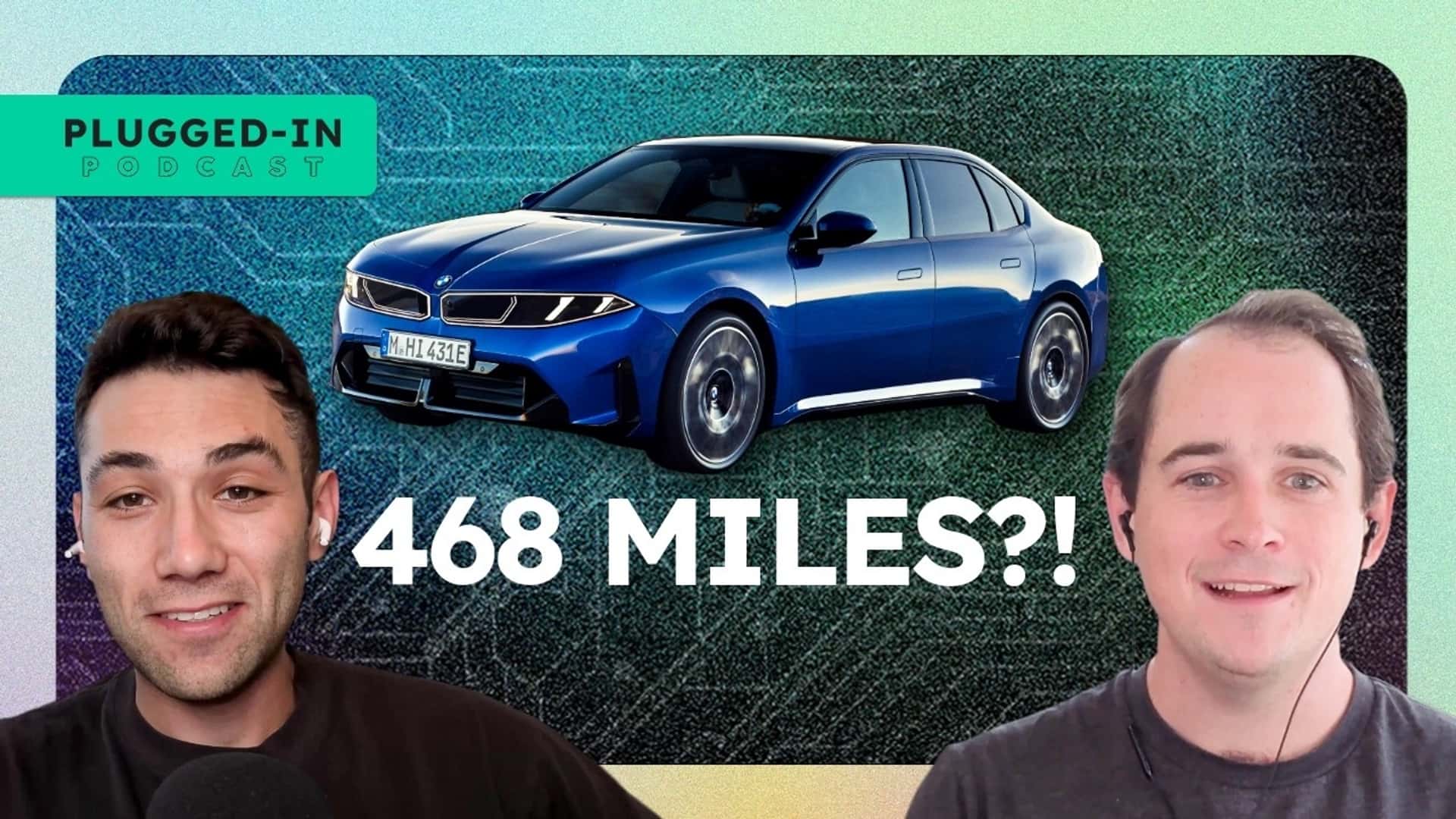
- The new BMW i3 sedan boasts an impressive EPA-rated range of up to 468 miles in its all-wheel-drive 50 xDrive trim.
- This significant electric vehicle range surpasses current market leaders, including all Tesla models, and sets a new benchmark for luxury EVs.
- The introduction of the i3 follows BMW’s successful iX3 crossover, reinforcing the brand’s commitment to advanced electric mobility.
- Industry discussions are now focused on whether such an extensive range is a market necessity or a strategic ‘overkill’ given evolving charging infrastructure.
- While a larger battery contributes to higher costs, the i3 50 xDrive is positioned competitively against its internal combustion engine counterparts.
Munich, Germany – BMW has once again captured the attention of the global automotive industry with the unveiling of its groundbreaking i3 electric sedan. Following the successful reception of the iX3 crossover, the German luxury automaker has introduced an electric vehicle that promises an unparalleled driving experience, primarily due to its staggering electric vehicle range. The all-new i3 sedan, particularly in its all-wheel-drive 50 xDrive variant, is set to deliver an impressive EPA-rated range of up to 468 miles, establishing a new benchmark in the competitive electric vehicle market.
This remarkable feat places the BMW i3 at the forefront of electric mobility, outperforming virtually every other electric model currently available, including all offerings from Tesla, which had previously set the standard for long-range EVs. The first variant of this highly anticipated electric 3-Series is slated for release early next year, promising to reshape consumer perceptions of electric vehicle capabilities and challenge existing market dynamics.

A New Benchmark in Electric Vehicle Range
The announcement of the BMW i3’s 468-mile range has sent ripples through the industry. This figure is not merely an incremental improvement; it represents a significant leap forward, offering drivers an extensive travel radius that minimizes range anxiety, a critical factor influencing electric vehicle adoption. BMW’s strategic move to equip its bread-and-butter 3-Series with such a robust electric powertrain underscores its ambition to lead the luxury EV segment.
For context, Tesla was the first to achieve a 400-mile EPA rating with its Model S in 2020. Since then, hitting the 400-mile mark has become an increasingly common goal for high-end electric vehicles. The Audi A6 E-Tron, for instance, boasts a 395-mile rating, while the Volvo EX60 is estimated to achieve approximately 400 miles. Mercedes-Benz’s C-Class is also expected to fall within a similar range. However, the BMW i3 decisively surpasses most of these formidable competitors, positioning itself as a dominant force in terms of sheer range.
The Evolving Landscape of EV Range and Consumer Expectations
The rapid evolution of electric vehicle range in the United States, despite recent market fluctuations, is astonishing. What was once considered a niche capability for premium models is now becoming a standard expectation for many luxury electric sedans. This progression highlights significant advancements in battery technology, energy management systems, and aerodynamic design, all contributing to greater efficiency and extended driving distances.

Historically, the Lucid Air has maintained America’s range crown for five years, offering an impressive 500-plus-mile rating. While the i3 doesn’t surpass the Lucid Air in absolute terms, its entry into the high-volume luxury sedan segment with a near-500-mile range is particularly impactful. It democratizes ultra-long range capabilities, making them accessible in a more conventional and widely recognized vehicle platform like the 3-Series.
Beyond the Numbers: The Debate on Range Necessity
The introduction of such an extensive electric vehicle range naturally sparks a crucial debate: Is 468 miles truly necessary for the average driver, or does it represent an ‘overkill’? Tesla, for example, has achieved substantial success with models offering range figures in the mid-300s. This prompts a question about the optimal balance between range, cost, and practical utility for consumers.
One perspective suggests that providing an abundance of range can be a powerful psychological tool. Surveys consistently indicate that ‘range anxiety’ remains a significant concern for American car buyers, often hindering electric vehicle sales and broader adoption. An ‘absurd’ amount of range, as some experts describe it, could effectively dismantle this psychological barrier, instilling a sense of security and freedom that encourages more consumers to transition to electric vehicles without constantly monitoring their battery levels.
Furthermore, practical considerations strongly support the case for extended range. For individuals who frequently undertake long highway journeys or reside in regions with cold climates, a 400-mile-plus electric vehicle range can be indispensable. Cold weather inherently reduces battery efficiency, and high-speed highway driving consumes energy at a faster rate. In such scenarios, a generous range buffer ensures that drivers can reach their destinations comfortably and reliably, mitigating concerns about finding charging stations frequently.
Economic Implications and Market Positioning
However, the pursuit of maximum range is not without its trade-offs. Achieving a longer range necessitates the inclusion of a larger battery pack, and every kilowatt-hour of battery capacity adds to the overall cost of the vehicle. This raises questions about the economic viability and optimal pricing strategy for ultra-long-range EVs.
The BMW i3 50 xDrive, priced at $61,500, appears to be strategically positioned. It is considered fairly well-priced when compared to its gasoline-powered equivalents within the 3-Series lineup, suggesting BMW is absorbing some of the additional battery cost to maintain competitive pricing. Nevertheless, a variant offering a slightly reduced range, perhaps around 350 miles, could potentially serve a significant portion of the market while offering an even more attractive price point, appealing to a wider demographic of electric vehicle buyers.
The internal industry discussions reflect this dichotomy. While some argue that more range is always better for overcoming initial adoption hurdles, others contend that a range in the 300s represents a ‘sweet spot’ for most consumers, balancing utility with affordability. They posit that exceeding this threshold for the majority of daily driving needs might indeed be considered excessive.
The Future of Electric Charging and Range Perception
The importance of absolute electric vehicle range is also intrinsically linked to the ongoing development of charging infrastructure. As public charging networks become increasingly faster, more reliable, and more ubiquitous, the emphasis on an extremely large battery capacity might gradually diminish. Significant investments are being made globally to expand charging points, improve charging speeds, and enhance the overall user experience.
This paradigm shift is already underway. With the proliferation of high-speed chargers along major routes and in urban centers, the need for a massive range buffer to alleviate ‘charging anxiety’ will likely decrease over time. Once charging facilities are as readily available and efficient as traditional petrol stations, consumers may prioritize factors like vehicle performance, interior comfort, technological features, and initial cost over extreme range capabilities.
In essence, as the charging ecosystem matures, the collective obsession with absolute electric vehicle range may evolve. The future could see carmakers and the public moving towards a more balanced view, where sufficient range for daily needs and convenient access to rapid charging facilities become the prevailing considerations, rather than the pursuit of ever-increasing maximum mileage.
Conclusion
The debut of the BMW i3 electric sedan with its impressive 468-mile range marks a pivotal moment in the electric vehicle industry. It not only demonstrates BMW’s engineering prowess but also ignites a vital conversation about the optimal balance between range capabilities, consumer needs, economic factors, and the future of charging infrastructure. As the electric vehicle market continues to mature, the i3’s entry will undoubtedly play a significant role in shaping both consumer expectations and strategic developments within electric mobility.
FAQ
What is the maximum range of the new BMW i3?
The new BMW i3 electric sedan offers an impressive EPA-rated range of up to 468 miles, specifically in its all-wheel-drive 50 xDrive trim. This positions it among the market leaders for electric vehicle range.
How does the BMW i3’s range compare to Tesla models?
The BMW i3’s 468-mile range surpasses the range offered by all current Tesla models, establishing a new competitive benchmark in the luxury electric vehicle segment.
When will the BMW i3 be available?
The first variant of the BMW i3 electric sedan, the 50 xDrive trim, is expected to become available for purchase early next year, according to BMW’s official announcements.
Is a 468-mile range considered ‘overkill’ for an EV?
The necessity of a 468-mile range is a subject of ongoing debate among experts. While some argue it addresses range anxiety and supports long-distance travel, others suggest that 300-mile range is sufficient for most drivers, especially with improving charging infrastructure.
What are the implications of such a high range for EV pricing?
Achieving a 468-mile range typically requires a larger battery, which increases manufacturing costs. However, BMW has positioned the i3 50 xDrive competitively at $61,500, aligning it with its gasoline counterparts.
How does improved public charging affect the need for long EV range?
As public charging networks become faster, more reliable, and widely available, the critical need for an extremely high absolute range in electric vehicles may diminish. Convenient charging could shift consumer focus to other vehicle attributes.
Which other luxury EVs offer comparable range figures?
While the i3 sets a new high, other luxury EVs like the Audi A6 E-Tron (395 miles) and Volvo EX60 (400 miles estimate) are also pushing towards the 400-mile mark. The Lucid Air still holds the absolute range crown with over 500 miles.