
Key Takeaways:
- BMW has introduced the i3 sedan with an impressive EPA-rated range of 468 miles in its all-wheel-drive 50 xDrive trim, setting a new benchmark for luxury electric vehicles.
- This achievement surpasses the range offerings of all current Tesla models and most other high-end competitors, including the Audi A6 E-Tron and Volvo EX60.
- The extended range addresses a significant consumer concern: ‘range anxiety,’ potentially accelerating broader electric vehicle adoption, especially for long-distance drivers and those in colder climates.
- Despite its premium range, the i3 50 xDrive is competitively priced at $61,500, aligning it closely with its gasoline-powered counterparts.
- Industry discussions are ongoing regarding the necessity of such extensive range, balancing consumer demand for longer travel with the practicalities of battery size, cost, and the rapid evolution of charging infrastructure.
BMW i3 Unveils Groundbreaking Range
BMW has once again surpassed market expectations, this time with the unveiling of its i3 sedan. Following the successful introduction of the iX3 crossover, the German automaker is poised to launch a formidable contender in the luxury electric vehicle (EV) segment, setting a new standard for driving range.

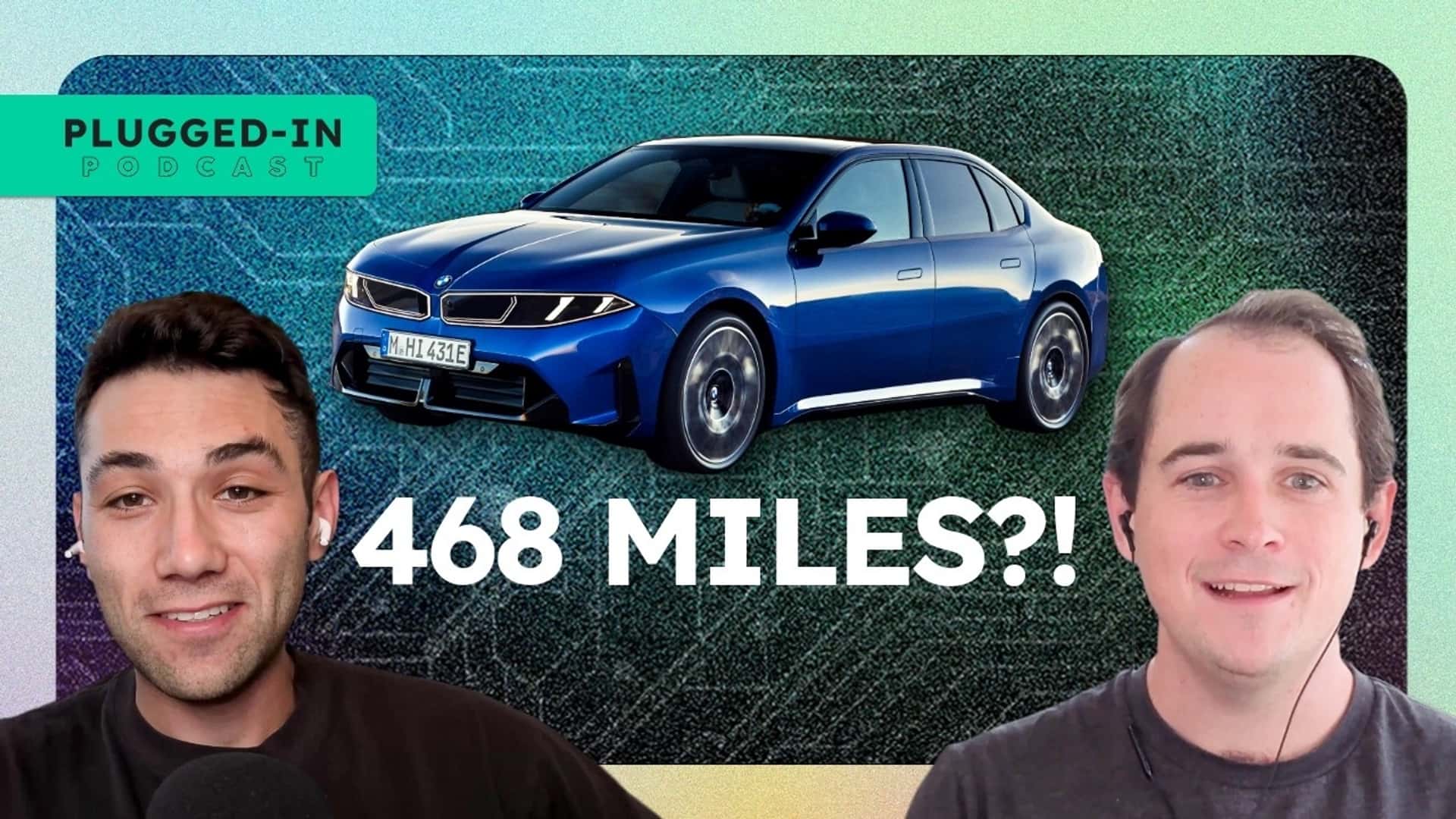
The electric 3-Series, specifically its all-wheel-drive 50 xDrive trim, is slated to offer an remarkable EPA-rated range of up to 468 miles. This variant is expected to be the first in the lineup, making its debut early next year.
This substantial range rating positions the BMW i3’s 468-mile range as a leader in the current market, outperforming virtually every other EV available, including offerings from industry pioneer Tesla.
A New Benchmark in Electric Vehicle Performance
The announcement of the BMW i3’s 468-mile range underscores the rapid advancements in electric vehicle technology within a relatively short timeframe. Just a few years ago, achieving a 400-mile EPA rating was a monumental feat, first accomplished by the Tesla Model S in 2020.

Today, a 400-mile capability is increasingly becoming the expected standard for high-end electric vehicles. For instance, the Audi A6 E-Tron boasts a 395-mile rating, while the Volvo EX60 is projected to offer an estimated 400 miles. The upcoming Mercedes C-Class electric variant is also anticipated to achieve similar figures.
Yet, the BMW i3 trounces much of this competition, cementing BMW’s commitment to pushing the boundaries of electric mobility. This aggressive move is particularly fitting for the first-ever electric iteration of its iconic and top-selling 3-Series sedan.
The Evolving Landscape of EV Range
While the BMW i3’s 468-mile range represents a significant technological leap, it also ignites a broader discussion within the automotive industry: how much range is truly necessary for an electric vehicle? Current market leader, the Lucid Air, has held the distinction of America’s range crown for half a decade with its impressive 500-plus-mile rating.
Meanwhile, Tesla has achieved considerable success with models offering ranges in the mid-300s. This prompts a crucial question about the optimal balance between battery capacity and practical consumer needs. The continuous advancement in battery technology and electric powertrain efficiency remains a core focus for automakers worldwide.
The Great Debate: Is 468 Miles Necessary?
The introduction of the BMW i3’s 468-mile range reignites the debate over whether such extensive capability is essential for the average consumer or if it represents an ‘overkill’ scenario. Proponents argue that an exceptionally long range can play a pivotal role in accelerating the widespread adoption of electric vehicles.
Addressing Range Anxiety and Consumer Psychology
Industry surveys consistently highlight range anxiety as a primary impediment to widespread electric vehicle adoption among potential buyers. Many consumers express concern about the possibility of running out of charge, particularly on longer journeys or when charging infrastructure is perceived as inadequate or unreliable.
An absurdly generous range, such as the BMW i3’s 468-mile range, could be the key to dismantling this psychological barrier. By offering a buffer so substantial that the thought of running out of power rarely crosses a driver’s mind, manufacturers might unlock a new segment of buyers who prioritize peace of mind on the road.
Practical Considerations: Highway Driving and Climate
Beyond psychological comfort, extended range offers tangible benefits for specific driving scenarios. Drivers who frequently undertake long highway journeys, where energy consumption is typically higher, will find significant value in the BMW i3’s 468-mile range.
Furthermore, electric vehicle performance can be notably affected by cold climates, where battery efficiency decreases and energy is diverted to cabin heating. For those residing in such regions, a larger battery capacity and greater range can provide the necessary resilience and reliability, ensuring consistent performance even in challenging conditions.
The Cost-Benefit Analysis of Extended Range
However, the pursuit of maximum range is not without its trade-offs. Achieving an extended range necessitates a larger battery, and every additional kilowatt-hour of battery capacity contributes to the overall cost and weight of the vehicle. This economic factor is a critical consideration for both manufacturers and consumers.
Despite the substantial range, the BMW i3 50 xDrive, priced at $61,500, maintains a competitive position when compared to its gasoline-powered counterparts. Nevertheless, some analysts suggest that a model offering approximately 350 miles of range might fulfill the needs of a broader consumer base while simultaneously presenting an even more attractive price point.
Market Competition and Strategic Positioning
The entry of the BMW i3’s 468-mile range into the market further intensifies competition within the premium electric sedan segment. BMW’s strategic decision to ‘swing for the fences’ with the 3-Series’ electrification highlights the brand’s ambition to lead in automotive innovation.
By directly challenging the range capabilities of established players like Tesla and Lucid, BMW aims to capture a significant share of the evolving EV market. This robust range, combined with BMW’s reputation for luxury and driving dynamics, positions the i3 as a compelling option for discerning buyers.
The Future of EV Charging and Range Perception
The ongoing expansion and improvement of public charging infrastructure also play a critical role in shaping the perception of how much range is truly needed. As charging stations become faster, more reliable, and more ubiquitous, the emphasis on absolute range may gradually diminish.
With ubiquitous charging access, the necessity for a massive range buffer could fade, shifting consumer focus towards other attributes such as charging speed, vehicle performance, and overall value. This evolution in infrastructure suggests a future where charging convenience might supersede raw mileage figures as the primary concern for electric vehicle owners.
Frequently Asked Questions
What is the EPA-rated range of the new BMW i3?
The all-wheel-drive BMW i3 50 xDrive trim boasts an impressive EPA-rated range of up to 468 miles. This substantial figure positions the electric sedan as a top contender in the luxury EV market, offering extensive travel capabilities on a single charge.
How does the BMW i3’s range compare to Tesla models?
The BMW i3’s 468-mile range surpasses the range offerings of all current Tesla models available on the market. This achievement marks a significant milestone in the competitive landscape of electric vehicle performance and range capabilities.
Is the 468-mile range considered excessive for an EV?
The necessity of a 468-mile range is a subject of ongoing debate. While some argue it’s ‘overkill’ for most daily commutes, others believe it’s crucial for alleviating range anxiety, supporting long-distance highway travel, and maintaining efficiency in cold climates, thereby accelerating EV adoption.
What is the price point of the BMW i3 50 xDrive?
The BMW i3 50 xDrive is priced at $61,500. This pricing strategy places it competitively within its segment, offering a premium electric vehicle experience with a class-leading range that aligns closely with its gasoline-powered luxury counterparts.
When will the BMW i3 be available for purchase?
The first variant of the BMW i3 sedan, the 50 xDrive trim with its 468-mile range, is expected to become available to consumers early next year. This launch marks a significant expansion of BMW’s electric vehicle portfolio.
How does improving charging infrastructure impact the need for long EV range?
As public charging networks become faster, more reliable, and more widespread, the absolute necessity for extremely long EV ranges may decrease. Enhanced charging convenience could shift consumer priorities from maximum range to charging speed and accessibility, reducing the need for large battery buffers.