
Key Takeaways
- General Motors has officially designated its Ultium Cells joint venture plant in Spring Hill, Tennessee, for the mass production of its advanced lithium-manganese-rich (LMR) battery cells.
- This move marks a significant step towards the automaker’s next-generation EV battery technology, which promises a 33% increase in range over current lithium-iron-phosphate (LFP) cells.
- The Spring Hill facility is set to become the world’s first plant to mass-produce prismatic LMR cells, with factory upgrades commencing later this year and reaching completion by 2028.
- LMR batteries aim to deliver over 400 miles of EPA range for GM’s full-size electric trucks and SUVs, offering a cost-effective yet high-performance alternative to traditional nickel-manganese-cobalt (NMC) chemistries.
- By leveraging a higher percentage of manganese, GM seeks to reduce reliance on expensive and complex-to-mine cobalt and nickel, thereby optimizing supply chain sustainability and cost.
General Motors has unveiled a significant development in its ambitious electric vehicle (EV) strategy, confirming the production site for its revolutionary lithium-manganese-rich (LMR) battery cells. The automaker announced that its Ultium Cells joint venture facility with LG Energy Solution in Spring Hill, Tennessee, will undertake the mass production of these next-generation EV batteries.
This decision, disclosed recently, marks the first official acknowledgment by General Motors regarding a dedicated manufacturing location for its cutting-edge battery technology. The move underscores the company’s unwavering commitment to advancing EV capabilities despite ongoing investments in conventional internal combustion engine vehicles, particularly gas-powered trucks.

Spring Hill Plant: A Global First for LMR Battery Production
The Ultium Cells plant in Spring Hill, Tennessee, is poised to become a global pioneer in battery manufacturing. General Motors anticipates that this facility will be the first worldwide to mass-produce prismatic LMR cells, signifying a monumental leap in the evolution of EV power sources.
Preparations for this groundbreaking venture are already underway. GM has confirmed that factory upgrades necessary for LMR battery production will commence towards the end of the current year. These extensive enhancements are projected to be completed by 2028, paving the way for the full-scale output of these advanced cells.
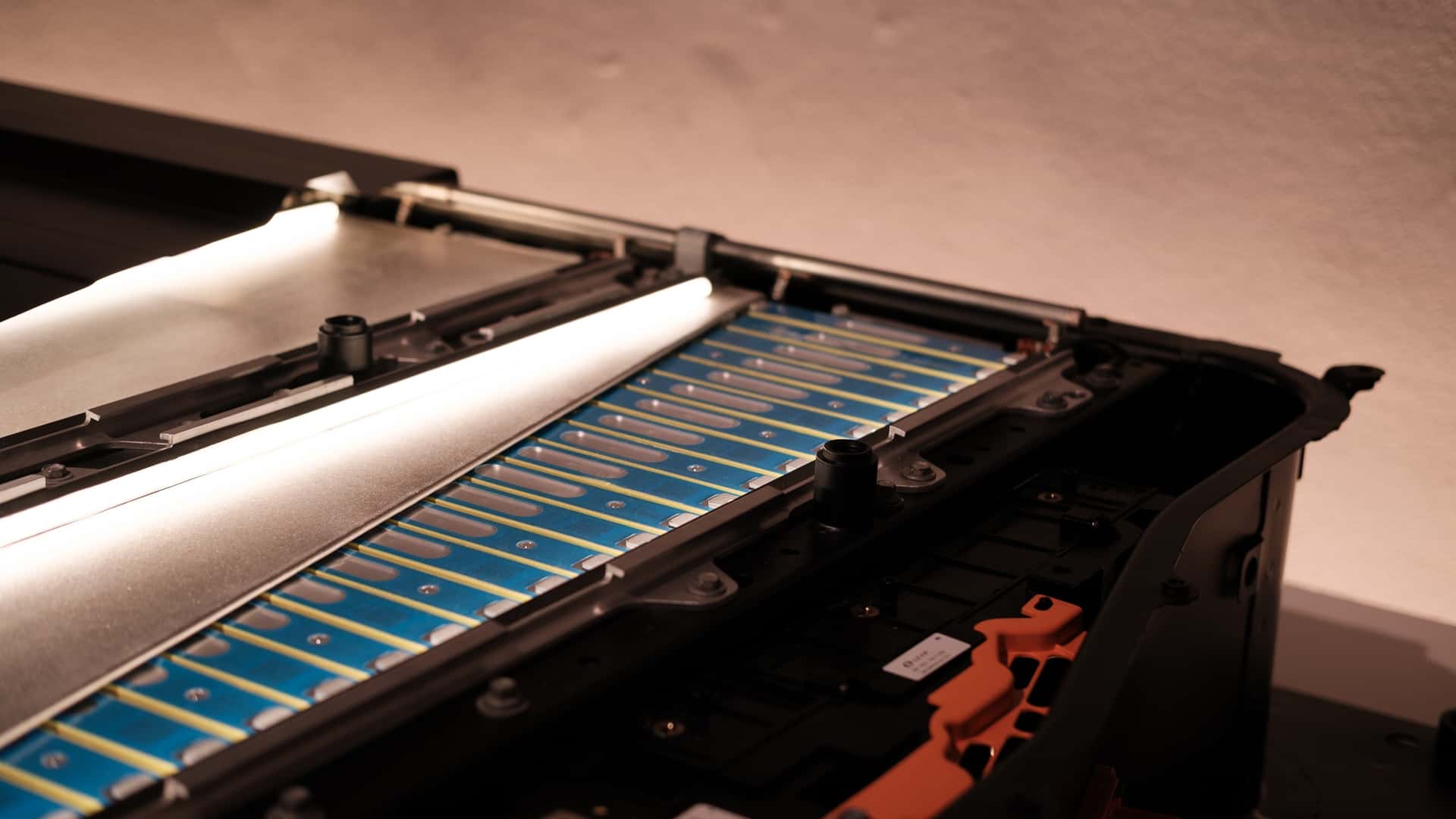
The development journey for these batteries has been meticulous. Last year, General Motors provided an exclusive glimpse into its research and development operations at the Warren, Michigan R&D facility, where the LMR cells were undergoing rigorous development and testing. This foundational work has now culminated in a clear path to mass production.

Understanding Lithium-Manganese-Rich (LMR) Technology
The LMR battery chemistry represents a strategic advancement designed to strike an optimal balance between performance, cost, and resource sustainability. At its core, LMR technology shares structural similarities with traditional nickel-manganese-cobalt (NMC) cells, which are widely recognized for their high energy density.
However, the distinguishing characteristic of LMR batteries lies in their elemental composition. They significantly reduce the proportion of cobalt and nickel, two materials known for their high cost, environmental impact during mining, and complex supply chain dynamics. Instead, LMR batteries incorporate a much higher percentage of manganese.
Manganese offers compelling advantages in this context. General Motors highlighted that manganese is both easier to source and considerably less expensive to mine and process compared to cobalt and nickel. This material shift is pivotal to achieving cost efficiencies while maintaining robust performance characteristics for electric vehicles.
Enhanced Range and Strategic Positioning in GM’s EV Portfolio
A primary objective of the LMR battery technology is to deliver superior driving range for electric vehicles. General Motors projects that its LMR chemistry will provide a substantial 33% more range than existing lithium-iron-phosphate (LFP) batteries. LFP cells, while cost-effective and prevalent in markets like China, generally offer lower energy density than NMC variants.
The automaker intends to integrate these high-performance LMR batteries into its range of full-size electric trucks and SUVs. This strategic deployment aims to equip these larger, often heavier, vehicles with an impressive EPA estimated range exceeding 400 miles, directly addressing consumer demand for extended travel capabilities in larger EV segments.
From a cost perspective, the LMR battery is designed to be highly competitive. General Motors anticipates that the LMR battery will cost nearly the same as the more budget-friendly LFP batteries, all while delivering superior driving range. This cost-to-performance ratio positions LMR as a compelling middle ground within GM’s diverse EV battery ecosystem.
Specifically, LMR cells are envisioned to slot between the highest-range NMC batteries—reserved for GM’s premium, long-distance EVs—and the more economical LFP cells. This tiered approach allows General Motors to optimize battery chemistry for different vehicle segments and price points, catering to a broader spectrum of consumer needs and market demands.
The Role of Ultium Cells LLC
The development and upcoming production of the General Motors next-gen EV battery are central to the operations of Ultium Cells LLC. This joint venture between General Motors and LG Energy Solution is fundamental to GM’s electrification strategy, focusing on scaling battery production to meet anticipated EV demand.
Beyond the groundbreaking LMR cells, Ultium Cells LLC is also responsible for manufacturing other crucial battery chemistries. Notably, the joint venture produces lithium-iron-phosphate (LFP) batteries, which are primarily utilized for energy storage systems. This diversified production capability highlights the venture’s comprehensive approach to energy solutions, extending beyond just automotive applications.
The collaboration with LG Energy Solution brings extensive expertise in battery manufacturing and supply chain management. This partnership is vital for GM to secure a robust and localized battery supply, reducing reliance on external markets and bolstering the domestic EV manufacturing ecosystem.
Future Implications for the EV Market
The introduction of LMR batteries and their mass production timeline hold significant implications for the broader electric vehicle market. By offering a high-range, cost-competitive battery alternative, General Motors aims to accelerate EV adoption, particularly in segments dominated by larger vehicles where range and charging infrastructure remain key considerations for buyers.
The first electric vehicles equipped with these innovative LMR cells are slated to debut in 2028. This timeframe allows for thorough integration and testing, ensuring that the new battery technology delivers on its promised performance and durability. Industry observers will keenly watch whether these developments meaningfully alter the economic landscape of owning and operating large electric SUVs and trucks compared to contemporary offerings.
General Motors’ strategic pivot towards LMR technology underscores a broader industry trend of diversifying battery chemistries. This diversification is crucial for mitigating supply chain risks, managing raw material costs, and tailoring battery performance to specific vehicle applications, ultimately driving the automotive sector towards a more sustainable and electrified future.
Frequently Asked Questions (FAQ)
What is the significance of General Motors’ announcement regarding LMR batteries?
General Motors’ announcement is highly significant as it confirms the mass production location for its next-generation lithium-manganese-rich (LMR) battery cells. This marks a major step in GM’s EV roadmap, promising enhanced range and cost efficiency for future electric vehicles, particularly large trucks and SUVs, with production beginning at the Spring Hill plant by 2028.
Where will General Motors’ next-gen EV battery cells be produced?
The next-generation General Motors next-gen EV battery cells, specifically the lithium-manganese-rich (LMR) prismatic type, will be mass-produced at the Ultium Cells joint venture plant with LG Energy Solution in Spring Hill, Tennessee. This facility is set to become the world’s first to undertake such large-scale production of these advanced cells.
How do LMR batteries compare to current EV battery technologies like LFP and NMC?
LMR batteries aim to bridge the gap between lithium-iron-phosphate (LFP) and nickel-manganese-cobalt (NMC) cells. They offer 33% more range than LFP batteries at a similar cost, while using significantly less expensive and supply-chain-sensitive cobalt and nickel than NMC batteries. This makes them a cost-effective, high-range alternative.
What are the key advantages of using manganese in EV batteries?
The primary advantage of using a higher percentage of manganese in LMR batteries is its availability and cost-effectiveness. Manganese is easier to source and less expensive to mine and process compared to cobalt and nickel. This helps reduce overall battery costs and dependence on critical, often controversially sourced, raw materials, improving sustainability.
Which vehicles will utilize the new LMR battery technology?
General Motors plans to install the new lithium-manganese-rich (LMR) batteries primarily in its full-size electric trucks and SUVs. The goal is to provide these larger vehicles with an impressive EPA estimated range exceeding 400 miles, making long-distance travel more feasible and appealing for consumers in these demanding segments.
When can consumers expect to see EVs with LMR batteries?
The first electric vehicles equipped with the advanced lithium-manganese-rich (LMR) cells from General Motors are projected to roll out to consumers starting in 2028. This timeline allows for the completion of factory upgrades at the Spring Hill plant and comprehensive integration into GM’s future EV models.