
Key Takeaways:
- General Motors confirms its Spring Hill, Tennessee plant, a joint venture with LG Energy Solution, will mass-produce next-generation lithium-manganese-rich (LMR) batteries.
- This strategic move, announced on Tuesday, marks the first disclosed production location for GM’s innovative EV battery technology.
- Factory upgrades are slated to commence by late 2023 and conclude by 2028, positioning the facility as the world’s first for mass-producing prismatic LMR cells.
- LMR batteries are projected to offer a 33% increase in range compared to existing lithium-iron-phosphate (LFP) cells, delivering over 400 miles of EPA range for full-size GM trucks and SUVs.
- The new chemistry significantly reduces reliance on expensive and environmentally intensive cobalt and nickel by utilizing a higher percentage of manganese, making it cost-competitive with LFP while offering superior performance.
- First electric vehicles equipped with these advanced LMR cells are expected to launch in 2028.
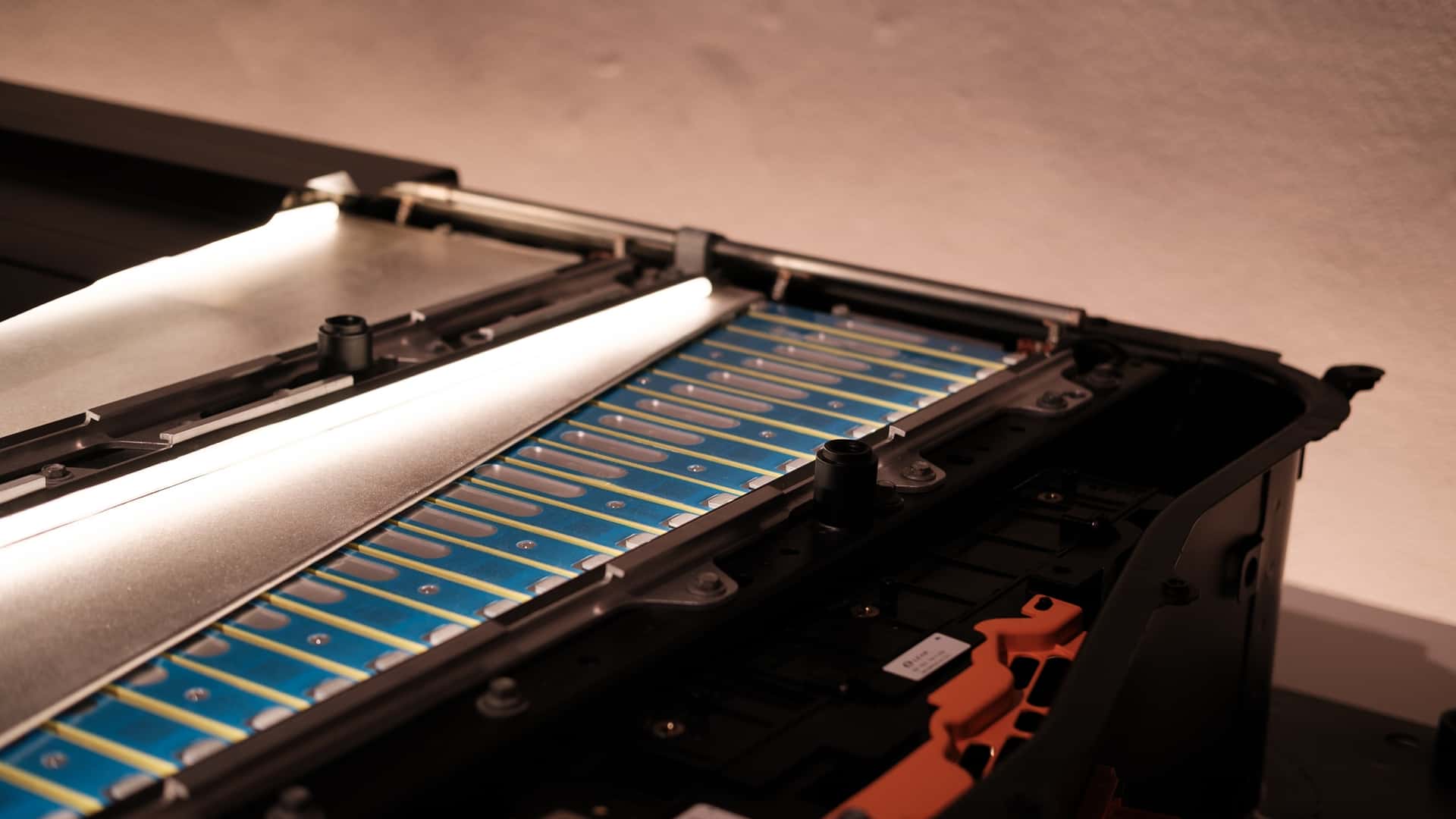
In a significant stride towards solidifying its electric vehicle (EV) ambitions, General Motors (GM) has officially announced the chosen location for the mass production of its groundbreaking lithium-manganese-rich (LMR) battery cells. The Ultium Cells joint venture plant with LG Energy Solution in Spring Hill, Tennessee, is set to become the global hub for this next-generation battery technology, marking a pivotal moment in the automaker’s electrification strategy.

This confirmation, made public on Tuesday, signals GM’s unwavering commitment to advancing EV battery development, even as it continues strategic investments in conventional fuel-powered vehicles. The decision underpins a broader effort to secure a competitive edge in the rapidly evolving electric mobility landscape, offering consumers more efficient and cost-effective EV options.
The Dawn of a New Battery Era for General Motors
General Motors’ LMR battery represents a crucial evolutionary step in EV power storage. Unlike the more prevalent lithium-iron-phosphate (LFP) batteries, which are recognized for their cost-effectiveness and widespread use, especially in China, LMR cells promise a substantial boost in performance without a proportional increase in cost.
The automaker projects that its LMR chemistry will deliver an impressive 33% more range than current LFP batteries. This enhancement is particularly critical for larger electric vehicles, such as full-size trucks and SUVs, where range anxiety can be a significant deterrent for potential buyers. GM anticipates that vehicles powered by these new batteries will achieve an EPA-estimated range exceeding 400 miles.

Strategic Production Hub: Spring Hill, Tennessee
The selection of the Spring Hill, Tennessee, facility for LMR battery production is a strategic move for General Motors. This plant, a cornerstone of the Ultium Cells joint venture with LG Energy Solution, is poised for significant transformation. Factory upgrades are scheduled to commence towards the end of this year, with a targeted completion date of 2028.
Upon its full operational capacity for LMR cells, the Spring Hill plant will hold the distinction of being the world’s first to mass-produce prismatic LMR cells. This commitment to domestic manufacturing for advanced battery technology underscores GM’s efforts to localize its supply chain and enhance its control over critical components for its electric fleet.
Performance and Cost Advantages of LMR Technology
At its technological core, the LMR battery chemistry shares fundamental similarities with traditional nickel-manganese-cobalt (NMC) cells, which currently power many high-performance EVs. However, the key differentiator lies in its composition. GM’s LMR battery drastically reduces the proportion of cobalt and nickel, both of which are expensive and associated with challenging mining practices and environmental concerns.
In their place, the LMR battery integrates a significantly higher percentage of manganese. This strategic shift is not merely about environmental responsibility; it also offers tangible economic benefits. Manganese is considerably easier to source and less costly to mine and process compared to its cobalt and nickel counterparts.
Chemistry Rationale: A Shift Towards Manganese
The reliance on a higher manganese content is a deliberate engineering choice designed to optimize the balance between performance, cost, and sustainability. By minimizing the use of cobalt and nickel, General Motors aims to mitigate supply chain risks and reduce the overall manufacturing cost of its advanced batteries.
This innovative approach allows GM to produce LMR batteries at a cost profile that is nearly identical to that of LFP batteries, while simultaneously offering superior driving range capabilities. Such a cost-performance parity could be a game-changer for the mass adoption of electric vehicles, making long-range EVs more accessible to a broader consumer base.
Shaping the Future of Electric Mobility
General Motors has positioned its LMR battery technology to slot strategically within its broader battery portfolio. While NMC batteries will continue to serve vehicles demanding the absolute highest driving ranges, LMR cells are designed to bridge the gap between these premium options and the more budget-friendly LFP cells. This tiered approach allows GM to tailor battery technology to specific vehicle segments and consumer needs effectively.
The initial deployment of EVs featuring these LMR cells is anticipated in 2028. This timeline provides the automaker with sufficient lead time to complete factory modifications, fine-tune production processes, and integrate the new battery packs into its next generation of full-size electric trucks and SUVs. The success of this rollout will be critical in determining the economic viability of large electric vehicles on a wider scale, potentially reshaping market dynamics for these popular segments.
Market Positioning and Industry Implications
The development and planned mass production of the General Motors next-gen EV battery signify more than just a technological upgrade; they represent a strategic re-alignment within the automotive industry’s electrification race. By offering a high-performance, cost-effective alternative that reduces reliance on critical and often volatile raw materials, GM is positioning itself as a leader in sustainable battery innovation.
This move could set new industry benchmarks for battery chemistry and manufacturing, influencing how other automakers approach their EV battery strategies. The anticipated impact on the economics of driving large electric SUVs and trucks could be substantial, potentially accelerating the transition away from internal combustion engines in these lucrative vehicle categories.
The journey from research and development at its Warren, Michigan, facility, where InsideEVs was invited for a detailed tour last year, to mass production in Spring Hill highlights GM’s holistic approach to its EV future. As the global automotive landscape continues its rapid shift towards electric, GM’s investment in LMR technology underscores its ambition to lead the charge, offering consumers a compelling blend of range, performance, and value in its forthcoming electric lineup.
FAQ Section
Q1: What are General Motors’ next-gen EV batteries?
General Motors’ next-gen EV batteries refer to their new lithium-manganese-rich (LMR) cells. These batteries are designed to provide improved range and cost-efficiency by utilizing a higher percentage of manganese, reducing reliance on more expensive and environmentally intensive materials like cobalt and nickel.
Q2: Where will General Motors mass-produce these new LMR batteries?
General Motors will mass-produce its next-gen LMR batteries at the Ultium Cells joint venture plant with LG Energy Solution located in Spring Hill, Tennessee. This facility will undergo significant upgrades starting late 2023 and concluding by 2028.
Q3: What are the key advantages of LMR battery chemistry?
LMR battery chemistry offers several advantages, including a projected 33% more range than current LFP batteries, delivering over 400 miles of EPA range. It also achieves cost parity with LFP cells due to the increased use of easier-to-source and cheaper manganese, while providing superior performance.
Q4: Which GM vehicles will use the new LMR batteries?
The LMR batteries are specifically intended for General Motors’ full-size electric trucks and SUVs. This integration aims to provide these larger vehicles with extended driving ranges, making them more competitive and appealing to consumers in the EV market.
Q5: When can consumers expect EVs equipped with LMR batteries?
The first electric vehicles equipped with General Motors’ next-gen LMR cells are anticipated to roll out to the market in 2028. This timeline allows for the completion of factory upgrades and the comprehensive integration of the new battery technology into GM’s future EV models.
Q6: How does LMR compare to other battery technologies like LFP and NMC?
LMR batteries are positioned between lithium-iron-phosphate (LFP) and nickel-manganese-cobalt (NMC) cells. LFP is known for low cost, while NMC offers the highest range. LMR provides superior range compared to LFP at a similar cost, while using less cobalt and nickel than NMC for better sustainability and cost-effectiveness.
Q7: What is the significance of manganese in LMR batteries?
Manganese is a critical component in LMR batteries because it is easier to source and less expensive to mine and process compared to cobalt and nickel. Its higher percentage in the battery chemistry helps reduce overall costs and reliance on ethically or environmentally challenging materials, making the batteries more sustainable and affordable.