
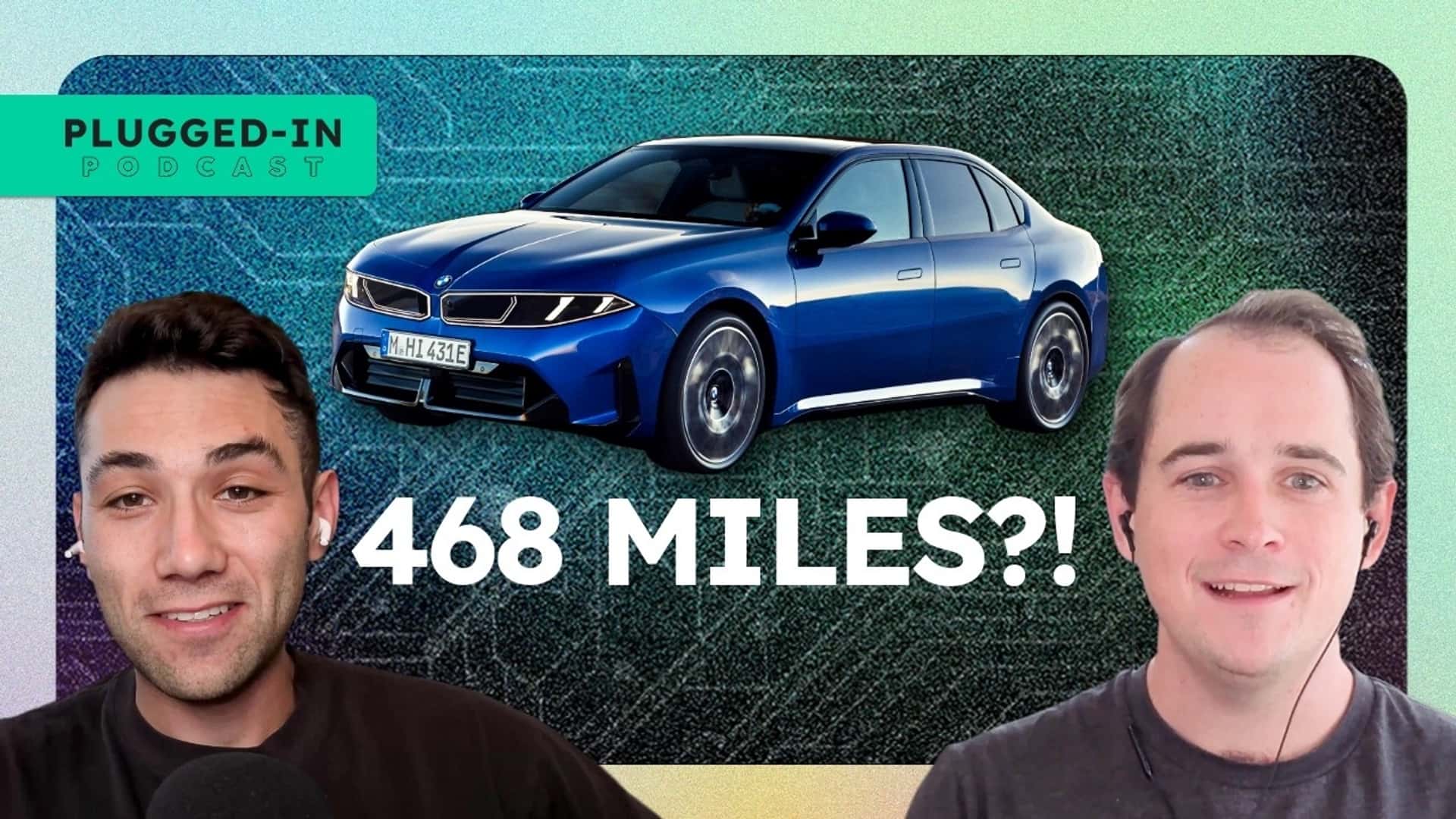
Key Takeaways:
- The new BMW i3 sedan, in its all-wheel-drive 50 xDrive trim, is set to offer an impressive EPA-rated range of up to 468 miles, positioning it as a leader in the luxury electric vehicle segment.
- This significant range surpasses nearly all current market offerings, including every Tesla model, highlighting BMW’s commitment to advancing electric mobility.
- The introduction of the i3 sedan follows BMW’s success with the iX3 crossover, further cementing the brand’s presence in the evolving EV landscape.
- The debate around whether such extensive range is ‘overkill’ or a crucial step in overcoming ‘range anxiety’ among potential buyers remains a central point of discussion.
- Factors such as vehicle cost, battery size, and the rapid evolution of public charging infrastructure are influencing the perceived necessity of ultra-long electric vehicle range.
BMW has once again made significant strides in the electric vehicle (EV) market, following the positive reception of its iX3 crossover. The German automaker has now unveiled a formidable contender in the luxury electric sedan segment: the BMW i3. This new electric 3-Series is poised to redefine expectations for electric vehicle range, presenting a compelling option for discerning consumers.

The highly anticipated all-wheel-drive 50 xDrive trim of the electric BMW i3 is slated for release early next year. This variant promises an astonishing EPA-rated range of up to 468 miles, a figure that has sent ripples across the automotive industry. This benchmark range positions the BMW i3’s 468-mile range as a direct challenger to established players, notably outperforming every Tesla model currently available.
The Evolution of Electric Vehicle Range: A New Benchmark
The rapid advancement in electric vehicle range within the U.S. market has been nothing short of remarkable. Just a few years ago, achieving a 400-mile EPA rating was a pioneering feat. Tesla’s Model S first crossed this threshold in 2020, setting a new standard for long-distance electric travel.
Today, a 400-mile range is increasingly becoming a common benchmark for high-end electric vehicles. Competitors like the Audi A6 E-Tron are rated at approximately 395 miles, while the Volvo EX60 is estimated to achieve a 400-mile range. The forthcoming Mercedes C-Class electric variant is also expected to hover around this impressive figure, illustrating a competitive push for extended capabilities.

In this burgeoning landscape, the BMW i3’s 468-mile range distinctly trounces most of its rivals. This aggressive move by BMW to equip its flagship 3-Series with such a robust electric powertrain signifies the brand’s ambition to lead the premium EV market. The i3 sedan represents BMW’s concerted effort to deliver unparalleled performance and utility in its first-ever all-electric version of the iconic 3-Series.
Is a 468-Mile Range an Overkill or a Strategic Advantage?
The introduction of the BMW i3’s 468-mile range naturally sparks a crucial question within the industry: Is such an extensive range truly necessary? While Tesla has achieved considerable success with models offering a mid-300-mile range, the market also features the Lucid Air, which has held America’s range crown for five years with its impressive 500-plus-mile rating.
From one perspective, a substantial electric vehicle range can be a significant market differentiator. Surveys consistently indicate that ‘range anxiety’ remains a primary concern for many potential electric car buyers in the United States. This apprehension about having insufficient battery charge is often cited as a deterrent to broader EV adoption.
Proponents argue that an ‘absurd amount of range’ could effectively dismantle this psychological barrier. By offering a range that far exceeds typical daily driving needs, manufacturers can provide consumers with peace of mind, allowing them to embark on journeys without constant worry about recharging opportunities. This approach could be key to accelerating the transition to electric vehicles, particularly among a segment of the population still hesitant about the technology.
Practicalities of Extended Range
Beyond psychological comfort, extended range offers tangible practical benefits. For individuals who frequently engage in long-distance highway driving, particularly in colder climates where battery efficiency can be reduced, a 400-mile or greater range may be precisely what is required. The ability to cover vast distances between charges can be a game-changer for cross-country commuters and those living in areas with sparse charging infrastructure.
However, not all industry experts concur on the necessity of such a substantial range. Some argue that a range in the mid-300s represents a ‘sweet spot’ for most consumers, offering a balance between utility and cost-effectiveness. For these experts, anything beyond this point could be considered excessive for the majority of daily driving scenarios.
The Economics of Electric Vehicle Range
It is important to acknowledge that extended range comes with inherent costs. Achieving a greater range necessitates a larger battery capacity, and every additional kilowatt-hour adds to the manufacturing expense. This increased cost is ultimately reflected in the vehicle’s retail price.
The BMW i3 50 xDrive, with its 468-mile range, is priced at $61,500. This pricing strategy places it fairly competitively with its gasoline-powered equivalent, demonstrating BMW’s efforts to make advanced EV technology accessible within its luxury segment. Nevertheless, the possibility of a 350-mile variant could cater to a broader demographic, offering a more budget-friendly option without sacrificing significant utility for many drivers.
The Role of Evolving Charging Infrastructure
The ongoing development and expansion of public charging infrastructure also play a critical role in the discussion surrounding optimal electric vehicle range. As charging stations become faster, more reliable, and more ubiquitous, the absolute need for an exceedingly long range may diminish. The rapid deployment of high-speed chargers in urban centers and along major highway corridors means that drivers can quickly replenish their battery power, making frequent, shorter charges a viable alternative to extensive range.
Industry observers anticipate that as this charging network matures, the consumer and manufacturer preoccupation with absolute range figures will gradually subside. Once charging becomes as convenient and widespread as traditional fueling, the necessity for a massive range buffer will naturally fade, allowing for a re-evaluation of design and cost priorities in electric vehicle development.
The Future Outlook for EV Range
The BMW i3’s 468-mile range marks a significant milestone in the journey towards mainstream electric vehicle adoption. It addresses a key psychological barrier for many consumers and provides practical advantages for specific driving conditions. Yet, the broader conversation around optimal range continues to evolve, influenced by technological advancements, market demands, and the development of robust charging ecosystems.
Ultimately, the balance between providing ample range and optimizing cost and efficiency will likely define the future of electric vehicle offerings. The BMW i3 sedan, with its impressive capabilities, undoubtedly pushes the boundaries of what consumers can expect from luxury electric cars, contributing to a more diversified and capable EV market.
FAQ Section
Q1: What is the EPA-rated range of the new BMW i3 sedan?
The BMW i3 sedan, specifically the all-wheel-drive 50 xDrive trim, boasts an impressive EPA-rated range of up to 468 miles. This significant range places it among the top electric vehicles in terms of long-distance capability, surpassing many luxury EV competitors currently on the market, including all Tesla models.
Q2: How does the BMW i3’s range compare to other luxury EVs?
The BMW i3’s 468-mile range largely surpasses most luxury EV competitors. While models like the Audi A6 E-Tron offer around 395 miles and the Volvo EX60 is estimated at 400 miles, the i3 sets a new benchmark, coming closer to the Lucid Air’s 500+ mile rating, which has held the range crown for several years.
Q3: Why is such a long electric vehicle range considered important?
An extended electric vehicle range, like the BMW i3’s 468 miles, is crucial for mitigating ‘range anxiety’ – a common concern among potential EV buyers. It provides psychological comfort, especially for long-distance drivers or those in cold climates where battery efficiency can decrease. This helps accelerate broader adoption of electric mobility.
Q4: What is the starting price for the BMW i3 50 xDrive?
The BMW i3 50 xDrive trim, offering up to 468 miles of range, is priced at $61,500. This pricing positions it competitively within the luxury sedan segment, particularly when compared to its gasoline-powered counterparts, making advanced electric vehicle technology accessible to premium car buyers.
Q5: Will the need for extremely long EV range diminish over time?
Many experts believe that as public charging infrastructure becomes more widespread, faster, and reliable, the intense focus on absolute maximum range will likely decrease. The ability to quickly and conveniently recharge will reduce the perceived necessity for ultra-long ranges, shifting consumer priorities towards other factors like charging speed and network availability.
Q6: What other factors influence the perceived value of high EV range?
Beyond addressing range anxiety, high EV range is influenced by factors such as battery cost, vehicle weight, and overall efficiency. While more range means a larger battery and higher cost, it also caters to specific user needs like frequent highway travel or driving in regions with limited charging options, enhancing practical utility.