
Key Takeaways
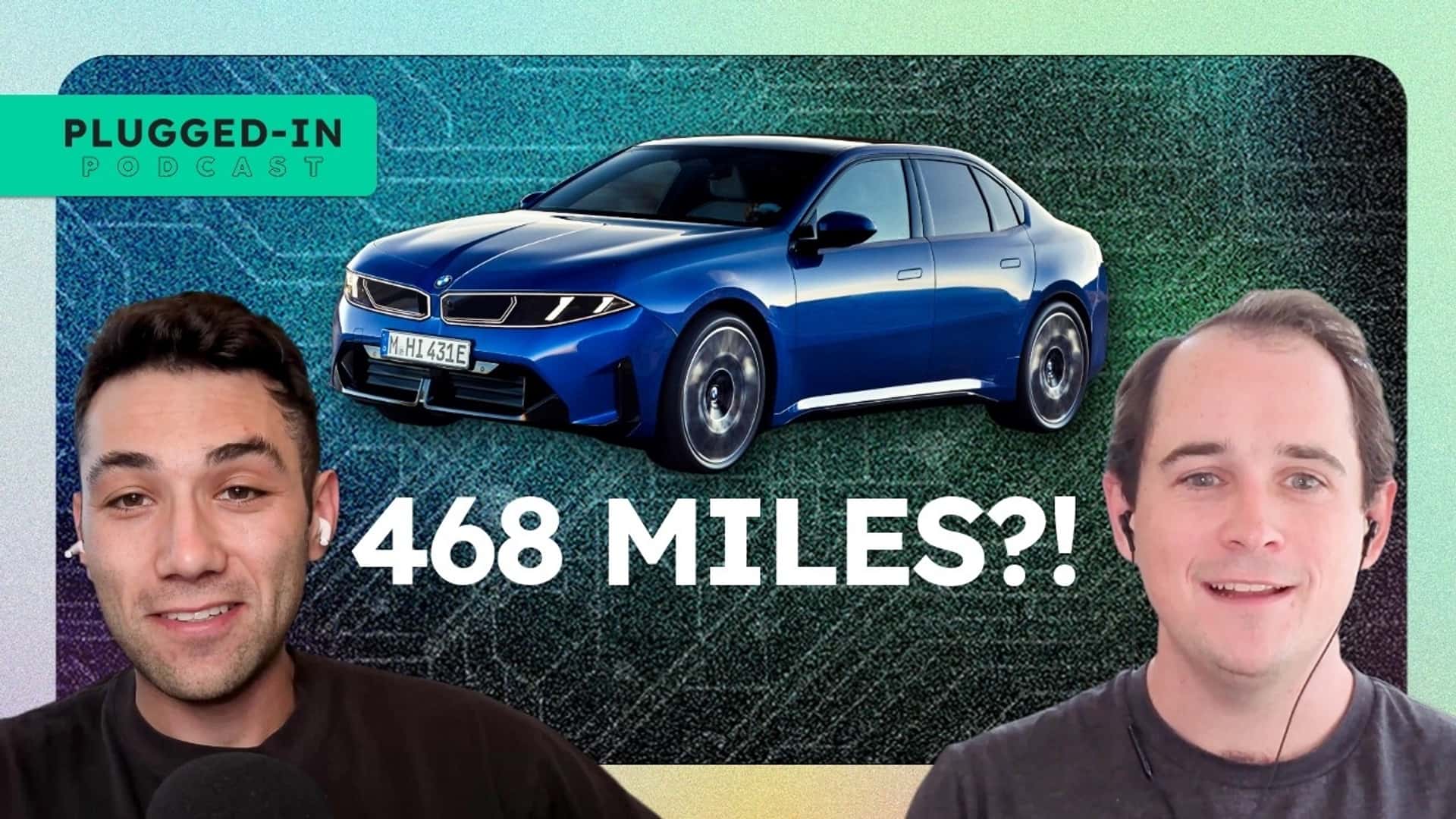
- BMW has introduced the i3 sedan, boasting an EPA-rated range of up to 468 miles in its 50 xDrive trim, setting a new benchmark in the luxury electric vehicle (EV) segment.
- This significant range surpasses that of many current market leaders, including all Tesla models, positioning the i3 as a formidable competitor.
- The debut of the BMW i3’s 468-mile range reignites the debate on optimal EV range: whether such extensive capabilities are essential for broader adoption or constitute an unnecessary ‘overkill’ for most drivers.
- Concerns about range anxiety among consumers persist, suggesting that higher range figures could accelerate EV adoption by mitigating psychological barriers.
- However, extended range necessitates larger batteries, increasing vehicle cost and weight, while advancements in public charging infrastructure may diminish the perceived need for exceedingly long ranges.
BMW i3 Redefines Electric Range Expectations
In a significant development for the electric vehicle market, BMW has unveiled its i3 sedan, a model poised to redefine expectations for long-range performance. Following the positive reception of the iX3 crossover, the German automaker has introduced the i3 with an impressive EPA-rated range of up to 468 miles.

This remarkable figure is attributed to the all-wheel-drive 50 xDrive trim, which is slated to be the first variant available early next year. The BMW i3’s 468-mile range establishes it as a formidable contender, surpassing the range capabilities of nearly every other electric vehicle currently available on the market, including all offerings from Tesla.
The Evolving Landscape of EV Range
The introduction of the BMW i3 highlights the rapid advancements in electric vehicle technology and the increasing range capabilities available to consumers. Just a few years ago, achieving a 400-mile EPA rating was considered a groundbreaking achievement.
Tesla’s Model S pioneered this benchmark in 2020, becoming the first vehicle to cross the 400-mile threshold. This feat set a new standard, pushing other manufacturers to innovate and expand their own range offerings.

Competitive Range Offerings in the Luxury Segment
Today, a 400-mile range is increasingly becoming a standard expectation for high-end electric vehicles. Several luxury automakers have introduced models that closely approach or meet this benchmark, signaling a collective industry push towards greater range assurance for consumers.
For instance, the Audi A6 E-Tron boasts an estimated 395-mile rating, while the Volvo EX60 is projected to offer around 400 miles. Similarly, the Mercedes C-Class is expected to feature a range in a comparable vicinity, showcasing a consistent trend across premium brands.
In this competitive environment, the BMW i3’s 468-mile range significantly outperforms many of its rivals. This assertive move by BMW underscores its ambition to lead in the luxury electric sedan segment, particularly with the inaugural electric rendition of its widely popular 3-Series.
The Range Debate: Is More Always Better?
The advent of vehicles like the BMW i3 with its extensive range naturally sparks a critical discussion within the electric vehicle community: Is a 468-mile range truly necessary, or does it represent an over-engineering for typical driving needs?
This question gains particular relevance when considering that Tesla, a pioneer in the EV market, has achieved considerable success with models offering ranges predominantly in the mid-300s. The long-standing benchmark for extreme range has been held by the Lucid Air, which has maintained America’s range crown for five years with its impressive 500-plus-mile rating, setting a high bar for competitors.
Addressing Range Anxiety and Consumer Adoption
Despite the proliferation of electric vehicle options offering ranges well over 300 miles, consumer surveys consistently indicate that concerns about sufficient range remain a significant barrier to wider EV adoption. This psychological apprehension, often termed ‘range anxiety,’ can deter potential buyers from making the switch to electric.
One perspective suggests that providing exceptionally high ranges, such as the BMW i3’s 468-mile range, could be instrumental in overcoming these psychological barriers. By offering an ‘absurd amount’ of range, consumers might no longer need to constantly consider their vehicle’s charge status, thereby fostering greater confidence and accelerating the transition to electric mobility for a specific demographic.
Practicalities of Extended Range
Beyond psychological comfort, extended range offers tangible practical benefits for certain segments of the driving population. Individuals who frequently undertake long-distance highway journeys, or those residing in colder climates where battery performance can be diminished, may find that a 400-mile-plus range is precisely what they require.
In such scenarios, a substantial range buffer ensures reliability and convenience, reducing the frequency of charging stops and mitigating the impact of environmental factors on driving distance. This caters to a segment of the market where every mile of range translates directly into enhanced usability.
The Counterargument: Is 468 Miles Overkill?
Conversely, some industry analysts and consumers argue that a range exceeding 300-350 miles might be considered excessive for the majority of daily driving requirements. For many, a range within the 300s represents a ‘sweet spot,’ offering ample distance for commutes and errands without the added complexities of larger batteries.
This viewpoint posits that for most drivers, additional range beyond this optimal threshold may not translate into proportional benefits, leading to an ‘overkill’ scenario that might not be cost-effective or practical for the average user.
Cost and Consumer Value
The pursuit of greater range is not without its trade-offs, particularly concerning cost. Achieving a higher range inherently demands a larger battery, and each additional kilowatt-hour of battery capacity contributes to the overall manufacturing expense, which is subsequently passed on to the consumer.
The BMW i3 50 xDrive, priced at $61,500, is considered fairly well-aligned with its gasoline-powered equivalents in terms of cost. However, a model with a slightly reduced range, perhaps around 350 miles, could offer a more accessible price point for a broader segment of the population, providing excellent value while still meeting the practical needs of many drivers.
The Future of EV Charging and Range
As the electric vehicle ecosystem continues to evolve, the significance of absolute range may undergo a notable shift. The ongoing expansion and improvement of public charging infrastructure, characterized by faster charging speeds and enhanced reliability and availability, are pivotal factors in this transformation.
As charging stations become ubiquitous and charging times diminish, the imperative for an exceptionally large battery capacity in every vehicle may gradually lessen. The convenience of readily accessible and rapid charging could eventually diminish the perceived necessity for extensive range buffers, allowing both manufacturers and consumers to re-evaluate their priorities regarding EV specifications.
Ultimately, the discussion around the BMW i3’s 468-mile range encapsulates a dynamic tension within the burgeoning electric vehicle market. It balances the undeniable appeal of extended driving capabilities with considerations of cost-effectiveness, practicality, and the rapid evolution of supporting infrastructure. The market will closely observe whether this new benchmark sets a lasting precedent or if a more balanced approach to range will ultimately prevail as EVs become mainstream.
FAQ Section
Q: What is the EPA-rated range of the new BMW i3 sedan?
A: The BMW i3 sedan boasts an impressive EPA-rated range of up to 468 miles in its all-wheel-drive 50 xDrive trim. This figure positions it as one of the longest-range electric vehicles currently available in the market, surpassing many of its competitors.
Q: How does the BMW i3’s 468-mile range compare to other electric vehicles?
A: The BMW i3’s 468-mile range significantly exceeds that of most current electric vehicles, including all Tesla models. While the Lucid Air still holds the crown with over 500 miles, the i3 surpasses vehicles like the Audi A6 E-Tron (395 miles) and Volvo EX60 (400 miles).
Q: Is a 468-mile range considered ‘overkill’ for most drivers?
A: Opinions vary. While some argue that 300-350 miles is sufficient for most daily needs, others believe the BMW i3’s 468-mile range addresses consumer range anxiety and provides significant practical benefits for long-distance drivers and those in cold climates.
Q: What are the benefits of such an extended EV range?
A: An extended range like the BMW i3’s 468-mile range can significantly reduce range anxiety, making EVs more appealing to potential buyers. It also offers practical advantages for drivers who cover long distances regularly or operate in conditions that can reduce battery efficiency, such as cold weather.
Q: How does a larger battery for extended range impact vehicle cost?
A: Generally, a larger battery capacity, which is necessary for extended range, increases the overall manufacturing cost of an electric vehicle. This added cost is typically reflected in the vehicle’s retail price, as seen with the $61,500 price tag for the i3 50 xDrive model.
Q: Will improving charging infrastructure reduce the need for such high ranges?
A: Many experts believe that as public charging infrastructure becomes faster, more reliable, and more widely available, the perceived necessity for exceptionally high vehicle ranges may decrease. Easier access to charging could shift consumer priorities away from absolute range towards charging convenience.