
Key Takeaways
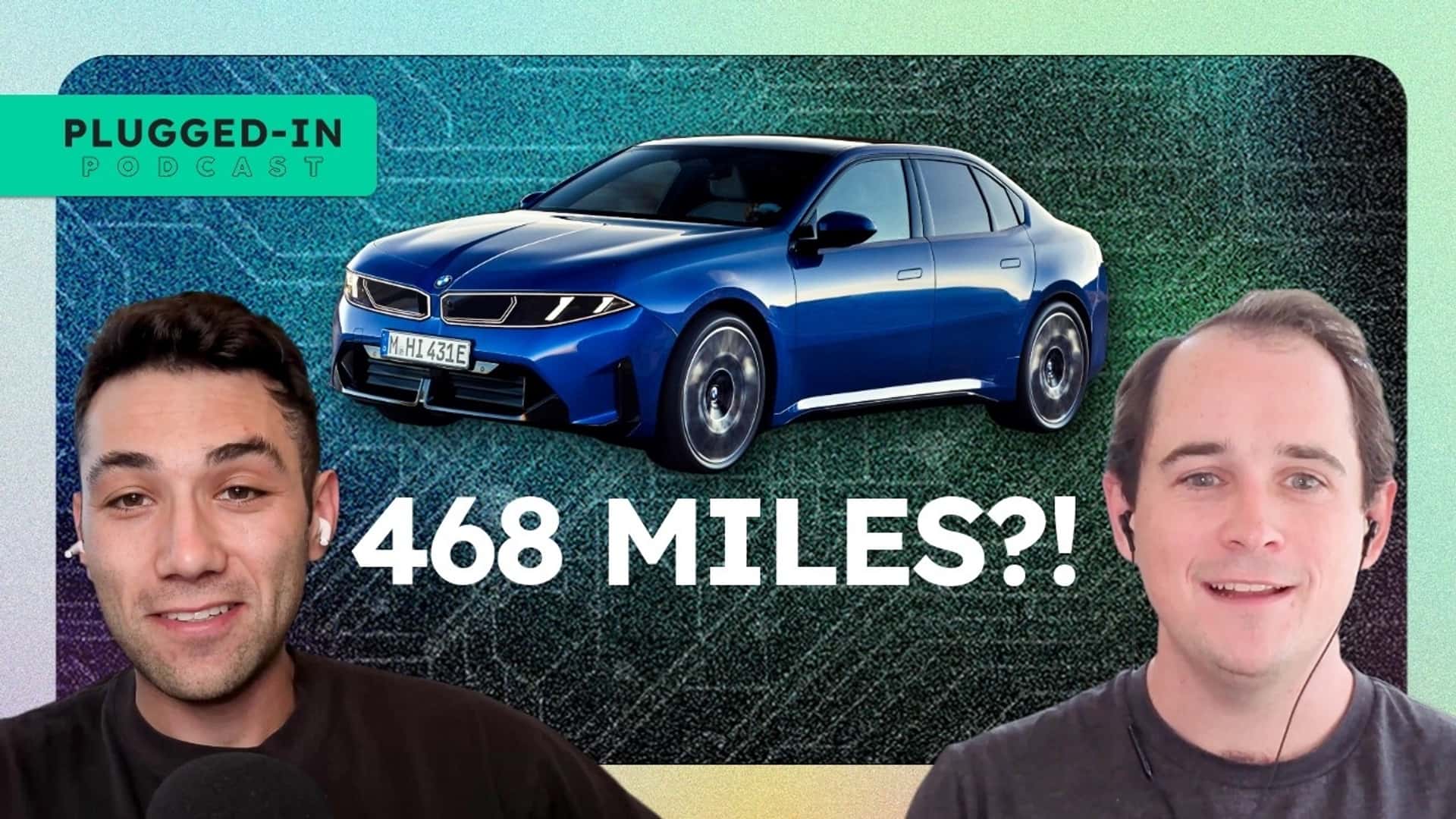
- The newly unveiled BMW i3 sedan, particularly the all-wheel-drive 50 xDrive trim, is set to offer an impressive EPA-rated range of 468 miles, surpassing most electric vehicles currently on the market, including all Tesla models.
- This significant jump in electric vehicle range reignites the debate within the automotive industry: Is an extensive range like 468 miles a necessary step to alleviate range anxiety and boost EV adoption, or does it represent an unnecessary ‘overkill’ for the average consumer?
- Experts hold differing views; some argue that such a substantial BMW i3 468-mile range is crucial for long-distance drivers and those in cold climates, while others suggest that a mid-300-mile range remains the practical ‘sweet spot.’
- The development also highlights the evolving landscape of EV technology and charging infrastructure, prompting questions about the economic and environmental trade-offs associated with larger batteries.
- The i3 50 xDrive will be available early next year, priced at $61,500, positioning it competitively against its internal combustion engine counterparts.
In a significant development for the electric vehicle market, BMW has once again exceeded industry expectations with the official unveiling of its i3 sedan. Following the successful reception of the iX3 crossover, the German automaker has introduced an electric 3-Series variant poised to reset benchmarks for electric vehicle range, particularly with its all-wheel-drive 50 xDrive trim.
This highly anticipated electric sedan is projected to offer an impressive EPA-rated range of up to 468 miles. This figure not only places the BMW i3 468-mile range at the forefront of the burgeoning luxury EV segment but also notably surpasses the current range capabilities of every model offered by Tesla, a long-standing leader in electric propulsion.

The BMW i3’s Bold Entry into the EV Market
The upcoming i3 50 xDrive, slated for release early next year, marks a pivotal moment for BMW. The 3-Series has historically been a cornerstone of the brand’s global sales, and its electrification signifies a robust commitment to sustainable mobility within a core product line.
With an initial price point of $61,500, the i3 50 xDrive is positioned to compete effectively in the premium electric sedan category. This pricing strategy aims to make the long-range electric offering accessible, challenging perceptions about the cost of high-performance EVs.
Redefining Long-Range Electric Vehicles
The achievement of a 468-mile EPA rating for the BMW i3 468-mile range underscores the rapid advancements in battery technology and electric powertrain efficiency. Just four years ago, in 2020, Tesla’s Model S was the first to cross the 400-mile threshold, a milestone that was then considered groundbreaking.

Today, a range exceeding 400 miles is increasingly becoming a standard feature among high-end electric vehicles. Competitors such as the Audi A6 E-Tron are rated at 395 miles, while the Volvo EX60 is estimated to achieve approximately 400 miles. Mercedes-Benz’s C-Class electric variant is also expected to approach similar figures.
Despite these advancements, the Lucid Air has maintained its position as America’s range champion for five years, boasting ratings exceeding 500 miles. The i3’s entry into this competitive landscape highlights BMW’s intent to not just participate but to lead in key performance metrics.
Addressing the ‘Range Anxiety’ Conundrum
The introduction of such an extensive electric vehicle range by the BMW i3 inevitably reopens a critical discussion within the EV community: is 468 miles genuinely necessary for the average driver, or does it veer into the territory of ‘overkill’? This question delves into the core of consumer psychology and practical utility.
Industry surveys consistently indicate that one of the primary deterrents for potential electric vehicle buyers in markets like the United States is ‘range anxiety.’ This psychological barrier stems from fears of running out of charge unexpectedly or encountering unreliable or unavailable charging infrastructure, particularly during long journeys or in remote areas.
The Argument for Extended EV Range
Proponents of ultra-long-range EVs, including the author of a recent podcast discussion on the topic, argue that a substantial range, such as the BMW i3 468-mile range, could be the key to unlocking broader adoption. By offering such a significant buffer, manufacturers can effectively mitigate ‘range anxiety,’ making the transition to electric vehicles more appealing to a wider segment of the population.
For individuals who frequently undertake long-distance highway travel, or those residing in regions characterized by cold climates, extended range capabilities offer tangible benefits. Cold weather can significantly reduce battery efficiency, and a larger initial range provides a much-needed practical safeguard against unforeseen charging challenges.
The psychological comfort of knowing an electric vehicle can cover vast distances without frequent stops is a powerful selling point, potentially converting hesitant buyers who prioritize convenience and uninterrupted travel.
The ‘Overkill’ Perspective: Practicality vs. Cost
Conversely, a compelling counter-argument suggests that a range exceeding 400 miles, including the BMW i3 468-mile range, may be excessive for the majority of daily driving needs. This viewpoint, articulated by podcast co-host Mack, posits that a range in the mid-300s represents a ‘sweet spot’ for most consumers, balancing utility with other important factors.
The most significant trade-off for extended range is the battery itself. Achieving more range necessitates a larger battery pack, which comes with several implications:
- Increased Cost: Every additional kilowatt-hour of battery capacity contributes directly to the vehicle’s manufacturing cost and, consequently, its retail price. While the i3 50 xDrive is deemed ‘fairly well-priced’ at $61,500 compared to its petrol-powered equivalent, a variant with a 350-mile range could potentially offer an even more attractive value proposition for many buyers.
- Weight and Efficiency: Larger batteries add considerable weight to a vehicle, which can impact driving dynamics, overall energy consumption, and tire wear. While not explicitly detailed, the balance between range and performance is a constant engineering challenge.
- Environmental Footprint: The production of larger batteries requires more raw materials, intensifying concerns about resource extraction and the environmental impact of manufacturing.
The Evolving Role of Charging Infrastructure
Another crucial element in the debate over optimal electric vehicle range is the rapid evolution of public charging infrastructure. As charging stations become more ubiquitous, faster, and more reliable, the perceived necessity for an exceptionally long range diminishes.
Significant investments are being made globally to expand charging networks, including high-speed DC fast chargers capable of replenishing a substantial portion of a battery’s capacity in minutes. This shift promises to reduce charging times and improve accessibility, making the experience of owning an EV more akin to refueling a traditional gasoline car.
As this infrastructure matures, it is plausible that both automakers and consumers will become less fixated on absolute range numbers. The focus may shift towards efficiency, charging speed, and the overall convenience of the charging ecosystem, rather than solely on maximum distance per charge.
Looking Ahead: Balancing Innovation and Practicality
The BMW i3’s impressive 468-mile range stands as a testament to the relentless innovation driving the electric vehicle industry. It pushes the boundaries of what is currently available and directly addresses one of the most persistent concerns among potential EV buyers.
However, the ongoing discourse regarding whether this level of range is truly necessary or simply a technological flex highlights the complex interplay between engineering prowess, market demand, and economic realities. As the EV market continues to mature, manufacturers will likely offer a diverse portfolio of models, catering to varying consumer preferences and practical requirements.
The conversation around the BMW i3 468-mile range, as featured in the recent Plugged-In Podcast, serves as a microcosm of the broader evolution occurring across the automotive landscape. It underscores a dynamic period where electric vehicle capabilities are rapidly expanding, yet the ultimate sweet spot for range, cost, and practicality remains a subject of informed debate.
Frequently Asked Questions (FAQ)
What is the EPA-rated range of the new BMW i3?
The new BMW i3 sedan, specifically the all-wheel-drive 50 xDrive trim, boasts an impressive EPA-rated range of up to 468 miles. This positions it among the market leaders in electric vehicle range, surpassing many established competitors.
How does the BMW i3’s range compare to Tesla vehicles?
With its 468-mile EPA rating, the BMW i3 50 xDrive surpasses the current range capabilities of every Tesla model available. This marks a significant competitive achievement in the luxury electric sedan segment.
When will the BMW i3 50 xDrive be available?
The all-wheel-drive 50 xDrive trim of the BMW i3 is scheduled to be available to consumers early next year. Its launch is highly anticipated as it introduces a new level of range performance in the segment.
What is the price of the BMW i3 50 xDrive?
The BMW i3 50 xDrive is priced at $61,500. This pricing is considered competitive, especially when comparing its extensive electric vehicle range and features to both its gas-powered equivalents and other luxury EVs.
What is ‘range anxiety’ in the context of EVs?
‘Range anxiety’ refers to the fear among electric vehicle drivers or potential buyers of running out of battery charge before reaching a charging station or their destination. High-range vehicles like the BMW i3 aim to alleviate this concern.
Is a 468-mile EV range considered ‘overkill’ by some experts?
Yes, some experts argue that while impressive, a 468-mile range might be ‘overkill’ for most daily driving scenarios. They suggest that a range in the mid-300s is sufficient for the majority of users and could offer a better balance of cost and utility.
How does improving charging infrastructure affect the need for long EV range?
As public charging infrastructure becomes faster, more reliable, and more widespread, the absolute necessity for extremely long EV ranges diminishes. Enhanced charging accessibility can reduce the practical concerns associated with shorter-range vehicles, shifting focus from maximum range to overall charging convenience.
What are the trade-offs for achieving a longer electric vehicle range?
Achieving a longer electric vehicle range typically requires a larger battery pack, which increases the vehicle’s cost, adds weight (potentially affecting efficiency and handling), and carries a larger environmental footprint due to increased material extraction and manufacturing demands.