
Key Takeaways / Summary
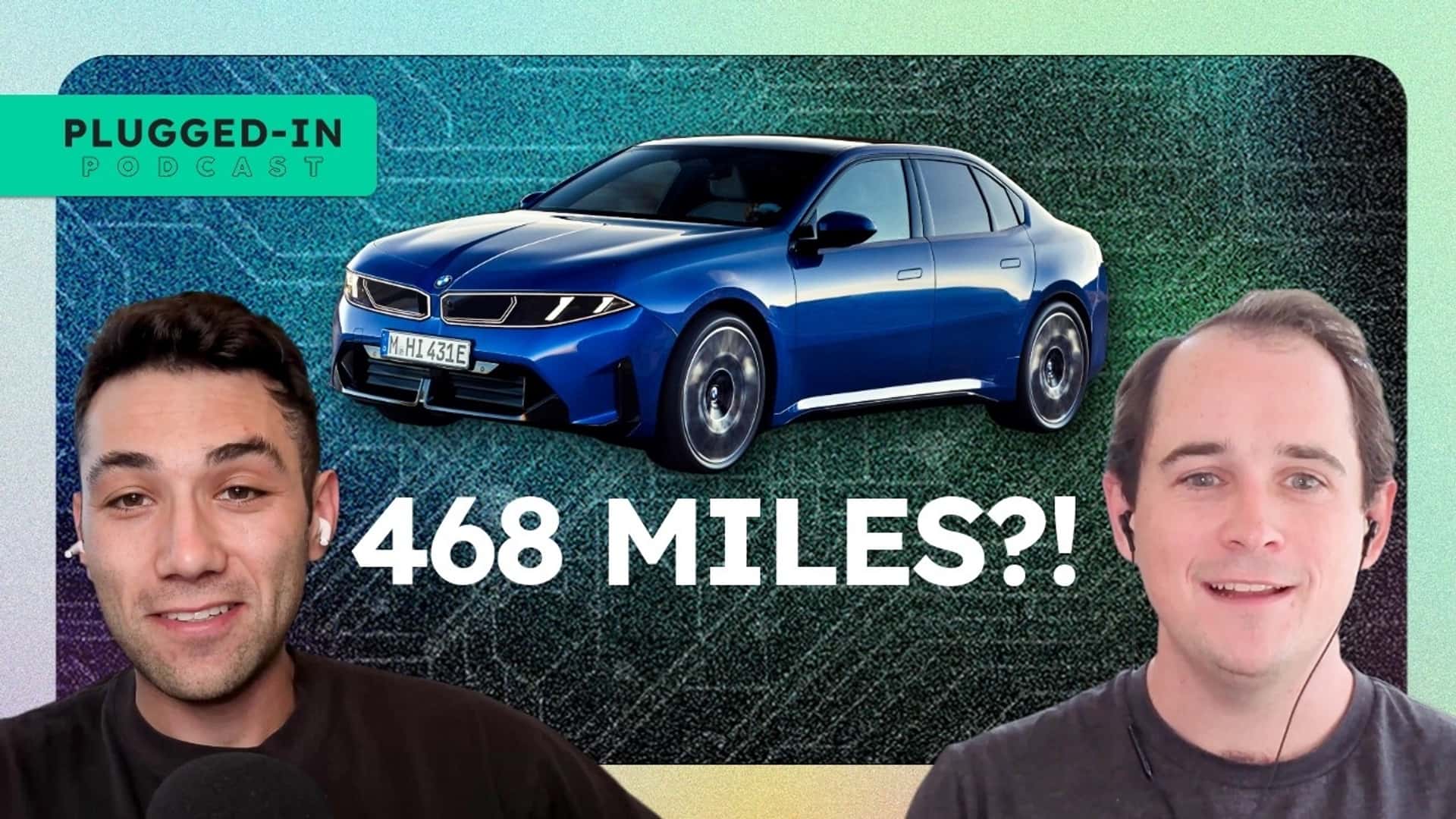
- BMW’s new i3 sedan is set to achieve an impressive 468-mile EPA-rated range in its all-wheel-drive 50 xDrive trim, surpassing most current electric vehicles, including all Tesla models.
- This significant range positions the BMW i3 as a formidable contender in the luxury EV market, closely trailing the Lucid Air’s 500+ mile benchmark.
- The introduction of such extended range sparks a crucial debate: while it addresses consumer ‘range anxiety’ and offers practical benefits for long-distance and cold-climate driving, it also raises questions about necessity, cost implications, and the evolving role of charging infrastructure.
- Industry discussions highlight a spectrum of views, with some experts advocating for more moderate ranges (e.g., 300-350 miles) as optimal for most users, balancing performance with affordability.
- As public charging networks improve in speed and reliability, the emphasis on absolute maximum range may shift, potentially favouring a balance of performance, cost, and convenient charging access.
The electric vehicle (EV) landscape is witnessing a significant shift, with BMW once again making headlines. Following the strong performance of its iX3 crossover, the German automaker has now unveiled the i3 sedan, a vehicle poised to set new standards in electric driving range. This latest offering challenges existing benchmarks and ignites a crucial conversation within the automotive industry regarding the optimal balance of power, endurance, and practicality in luxury electric cars.

The forthcoming BMW i3 sedan, specifically in its all-wheel-drive 50 xDrive trim, is projected to deliver an astonishing 468 miles of EPA-rated range. This figure, expected to be available early next year, represents a substantial leap forward, positioning the i3 above nearly every other electric vehicle currently on the market, notably surpassing the entire Tesla lineup in terms of a single-charge endurance.
The Evolving Landscape of Electric Vehicle Range
The progression of electric vehicle range in the United States has been remarkable, rapidly advancing despite various market challenges. Just a few years ago, achieving a 400-mile EPA rating was considered a groundbreaking feat. Tesla pioneered this benchmark in 2020 with its Model S, setting a new high for the industry.
However, what was once an exceptional figure is increasingly becoming the expected norm for high-end electric vehicles. Contemporary luxury EVs like the Audi A6 E-Tron are entering the market with approximate 395-mile ratings, while the Volvo EX60 is estimated to offer around 400 miles. Similarly, the Mercedes C-Class is anticipated to land in a comparable range, indicating a clear trend towards greater endurance.

Against this backdrop, the impressive 468-mile BMW i3 range decisively outpaces many of its competitors. It marks a significant statement from BMW, particularly as the i3 represents the first all-electric iteration of its iconic 3-Series, a model renowned as a cornerstone of the brand’s global sales.
Defining the New Benchmark: BMW i3 Range vs. The Competition
While the BMW i3’s 468-mile EPA rating is a substantial achievement, it comes close to, but does not unseat, the current record holder in America. For the past five years, the Lucid Air has maintained its position as the range king, offering over 500 miles on a single charge. This long-standing benchmark highlights the ongoing pursuit of maximum efficiency and battery capacity in the premium EV segment.
The introduction of the high-performance BMW i3 range, however, forces a re-evaluation of what constitutes ‘necessary’ range in a luxury electric vehicle. Tesla, for instance, has achieved considerable market success with models offering ranges in the mid-300s, suggesting that for a large segment of buyers, extreme mileage might not be the sole determinant of purchase decisions.
Addressing Range Anxiety: The Case for Extended Range
Despite the growing number of electric vehicle options offering ranges well over 300 miles, consumer surveys consistently indicate that concerns about sufficient driving range remain a significant impediment to broader EV adoption. This psychological barrier, often termed ‘range anxiety,’ can deter potential buyers from making the switch to electric mobility.
In this context, an ‘absurd’ amount of BMW i3 range, such as 468 miles, could serve as a powerful psychological antidote. By offering such extensive endurance, manufacturers aim to provide a buffer so substantial that the average driver may rarely, if ever, need to consciously think about recharging during daily use. This could be a pivotal factor in overcoming hesitations among a certain segment of the population, particularly during the current transitional phase of electric vehicle integration.
Beyond psychological comfort, substantial range also offers practical advantages for specific driving conditions. Individuals who frequently engage in long-distance highway travel, or those living in colder climates where battery efficiency can be impacted, may find a 400-mile-plus BMW i3 range to be not merely desirable but essential for their daily needs and peace of mind.
The Pragmatic Perspective: Is More Always Better?
While the benefits of an extended BMW i3 range are clear, industry experts and consumers alike are increasingly questioning whether such extreme mileage is always necessary. A contrasting view suggests that a range in the 300s represents a ‘sweet spot’ for most drivers, offering ample distance for daily commutes and occasional longer trips without incurring the additional complexities and costs associated with larger battery packs.
It is important to acknowledge that increased range is not without its trade-offs. Achieving greater mileage typically necessitates a larger battery, and every additional kilowatt-hour of capacity adds to the vehicle’s weight, manufacturing cost, and potentially, its environmental footprint. These factors contribute to the overall price point of the vehicle, which can influence market accessibility.
For example, while the BMW i3 50 xDrive, priced at $61,500, is considered fairly competitive with its gasoline-powered equivalents, a variant offering a more modest 350-mile range could potentially be offered at an even more attractive price point. Such an option might appeal to a broader segment of the market for whom the absolute maximum range is not the primary concern.
Economic Considerations and Market Positioning
The pricing strategy for luxury electric vehicles like the BMW i3 is critical in the competitive EV market. At $61,500 for the i3 50 xDrive, BMW positions its electric sedan to be financially comparable to its internal combustion engine counterpart, an important psychological bridge for consumers considering the transition to electric.
However, the underlying cost of the larger battery required to achieve the 468-mile BMW i3 range is significant. This leads to an ongoing discussion within the industry: could a slightly reduced, yet still highly capable, range offering open up new market segments by lowering the entry price? A model with a 350-mile range, for instance, might prove to be an even better value proposition for a substantial portion of buyers who do not regularly push the limits of their vehicle’s range capabilities.
The Future of EV Range and Charging Infrastructure
A key factor in the long-term relevance of ultra-high range electric vehicles is the continuous development and expansion of public charging infrastructure. As charging stations become faster, more reliable, and more ubiquitous, the perceived need for a massive range buffer in an electric vehicle is likely to diminish.
The automotive sector is already witnessing this transformation. Rapid charging technologies are enabling drivers to replenish significant portions of their battery in increasingly shorter times, making long waits less common. Once charging facilities are readily available in most necessary locations – from highways to urban centres – the preoccupation with absolute maximum range may naturally recede. This shift could lead car manufacturers and the public to place greater emphasis on factors like charging speed, network reliability, and overall driving experience rather than solely on the numerical range figure.
Conclusion
The introduction of the BMW i3 with its impressive 468-mile range undoubtedly marks a significant moment in the evolution of electric vehicles. It pushes the boundaries of what is currently available and addresses a core concern for many prospective EV buyers.
However, it simultaneously sparks a vital debate about the practical necessity and economic implications of such extensive range. While a substantial BMW i3 range can alleviate ‘range anxiety’ and cater to specific driving requirements, the ongoing improvements in charging infrastructure and the inherent costs associated with larger batteries suggest that the ‘sweet spot’ for electric vehicle range might ultimately be a dynamic and evolving target.
The conversation initiated by the BMW i3 range is critical for shaping the future direction of electric mobility, balancing technological aspiration with real-world consumer needs and infrastructure realities.
Frequently Asked Questions About BMW i3 Range and EVs
What is the estimated EPA range of the new BMW i3 sedan?
The new BMW i3 sedan, specifically the all-wheel-drive 50 xDrive trim, is expected to boast an impressive 468 miles of EPA-rated range. This figure places it among the top electric vehicles in terms of single-charge endurance, surpassing many competitors currently available on the market.
How does the BMW i3’s range compare to Tesla models?
The 468-mile BMW i3 range is stated to surpass the range of every Tesla model currently on the market. While Tesla pioneered the 400-mile benchmark in 2020 with the Model S, the i3’s projected range sets a new, higher standard for electric sedans.
Is a 468-mile range considered overkill for an electric vehicle?
The necessity of a 468-mile range is a subject of debate. While some argue it’s overkill for most daily driving, others believe it significantly alleviates ‘range anxiety’ and offers practical benefits for long-distance travel, highway driving, and operation in cold climates where battery efficiency can be reduced.
What are the benefits of a very long electric vehicle range like the BMW i3’s?
A primary benefit is overcoming ‘range anxiety,’ a significant psychological barrier for many potential EV buyers. Extended range also provides practical advantages for drivers who frequently embark on long journeys, face limited charging options on their routes, or live in areas with temperature extremes that affect battery performance.
Does a longer EV range, such as the BMW i3’s, impact the vehicle’s cost?
Yes, achieving a longer range typically requires a larger battery pack, which adds to the vehicle’s manufacturing costs. While the BMW i3 50 xDrive is priced competitively at $61,500 relative to its gasoline equivalent, a model with a more moderate range could potentially be offered at a lower price point, making it more accessible.
How do improving charging networks affect the need for maximum EV range?
As public charging infrastructure becomes faster, more reliable, and more widely available, the critical need for exceptionally long ranges may diminish. With ubiquitous and rapid charging options, drivers might become less concerned with the absolute maximum range and more focused on charging convenience and speed.
Which electric vehicle currently holds the record for the longest range in America?
The Lucid Air has held the distinction of America’s range crown for the past five years, offering an EPA-estimated range exceeding 500 miles. The new BMW i3 range of 468 miles positions it as a very close second, demonstrating significant advancements in the luxury electric sedan segment.