
Key Takeaways
- The recent Paris Motor Show highlighted a stark contrast: Chinese EV manufacturers showcased advanced, production-ready EV technology with superior charging speeds and innovative features.
- European automakers, unable to match Chinese technological advancements, predominantly leaned on their rich automotive heritage, presenting concept versions of iconic models.
- Chinese brands like BYD, Zeekr, and Li Auto demonstrated rapid charging capabilities (as low as 9 minutes for 10-97% charge) and sophisticated software-defined vehicle (SDV) platforms.
- European firms face significant challenges on multiple fronts: declining sales in China, tariff pressures in the U.S., and increasing competition from Chinese rivals in their home market.
- Despite tariffs and import restrictions, Chinese EV models like the Li 6 are poised to compete on price and features with established European luxury brands.
- The long-term viability for European automakers hinges on their ability to accelerate innovation, embrace risk, and translate conceptual designs into market-ready vehicles with competitive EV technology.
The recent Paris Motor Show, a traditionally European-centric automotive showcase, presented a striking new reality for the global electric vehicle (EV) landscape. While historically a platform for continental manufacturers to unveil their latest innovations, the event was notably dominated by an assertive presence from Chinese automakers. These emerging players arrived armed with cutting-edge EV technology, challenging the long-held supremacy of their European counterparts.
Walking through the expansive plazas of the Paris expo Porte de Versailles, the shift in focus was unmistakable. Advertisements for Chinese automotive giants such as Geely and BYD were ubiquitous, and the initial exhibits visitors encountered were from brands like Li Auto. Traditional European stalwarts like Renault and Peugeot were present, yet it was the rapid advancements in Chinese EV technology that truly captured attention, particularly for enthusiasts keenly following the evolution of electric mobility.
Chinese EV Technology Takes Centre Stage
The Chinese contingent, including brands like Zeekr, Li Auto, Denza, and BYD, showcased a formidable array of production vehicles boasting impressive specifications and innovative design philosophies. Their offerings frequently highlighted advancements in battery technology, charging infrastructure, and sophisticated in-car experiences that were, until recently, difficult to imagine.
Rapid charging times stood out as a key differentiator. Several models demonstrated the ability to charge from 10-80% in approximately 10 minutes, with some achieving 10-97% in a mere nine minutes – figures that represent a significant leap forward in convenience for EV users. Beyond raw speed, these vehicles also integrated advanced software, luxurious interiors, and unconventional designs that pushed traditional automotive boundaries.
For instance, the Zeekr 9X, an ultra-plug-in-hybrid, featured an impressive 111-mile electric range and opulent recliners, all operating on a 900-volt architecture. Li Auto’s Megahome concept captivated audiences with its vision of a ‘mobile home from the future’ aesthetic, while their first European-market EV, the Li 6, promised a 10-80% charge in under 11 minutes, complemented by massaging rear recliners, intuitive software, and a comfortable air suspension system.
(Full disclosure: Geely was the company that brought me out to the Paris Auto Show, covering my flights and lodging. Li Auto also provided a 30-minute test drive of the i6.)
These presentations underscored a crucial point: Chinese manufacturers are not just building electric vehicles; they are rapidly iterating on and deploying highly advanced **EV technology** that redefines consumer expectations for performance, luxury, and user experience. This swift pace of innovation presents a considerable challenge to established automakers worldwide.
European Legacy: A Bet on Heritage and Design
In stark contrast to the Chinese focus on immediate technological prowess, many European firms at the Paris Motor Show adopted a different strategy. Recognising their current inability to directly match the rapid pace of Chinese EV tech development, they strategically leaned on their rich automotive heritage and iconic designs.
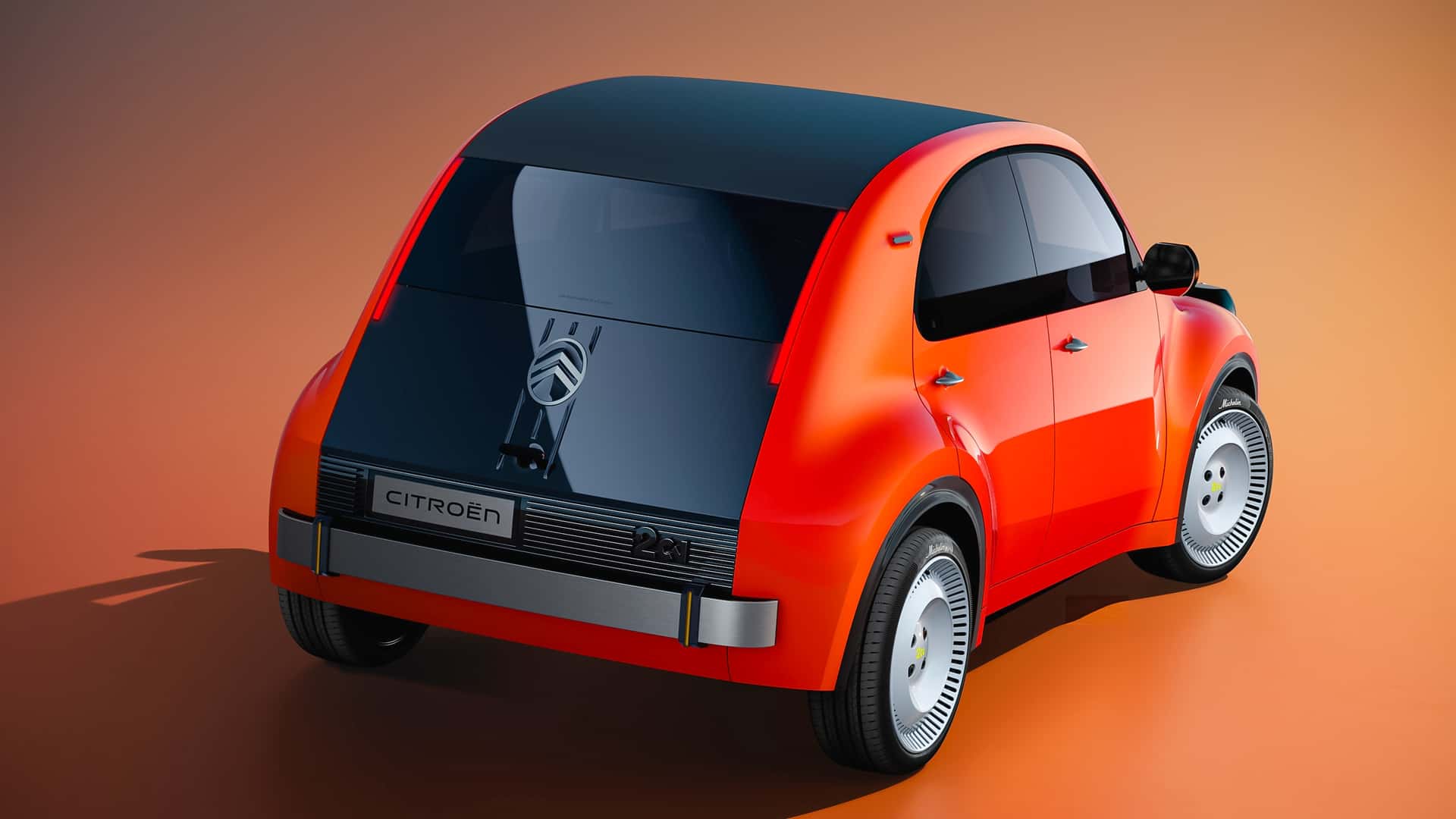
Concepts like the re-interpreted Renault Espace, the revived Citroën 2CV, and the futuristic Alpine A310 Vision were prominent. These displays aimed to evoke nostalgia and a sense of enduring brand loyalty, suggesting a message to consumers: ‘Stick with us, and it will be just like the good old days.’ The emphasis was less on revolutionary new **EV technology** and more on the emotional connection forged over decades of automotive history.
While these heritage-inspired concepts were visually appealing and drew considerable attention, a critical question looms: can European manufacturers successfully translate these captivating designs into production vehicles that integrate competitive **EV technology**? The disparity between conceptual excitement and market-ready innovation highlighted a potential vulnerability for the continent’s automotive industry.
The Charging Speed Disparity
The “charging war” for electric vehicles, a crucial metric for consumer adoption, appears to be heavily skewed in favour of Asian manufacturers. At the Paris Motor Show, a minimum of five production vehicles from non-Western brands demonstrated a 10-80% charging time of under 11 minutes. This benchmark sets a new standard for fast charging, significantly influencing consumer perceptions of EV convenience.
Even Mercedes-Benz’s upcoming AMG GT 4-Door, a high-performance European offering, achieves this feat in exactly 11 minutes, a figure the brand proudly highlights. However, this achievement is eclipsed by competitors like Zeekr, which casually mentioned its updated 7X model now charges from 10-80% in 10.5 minutes. For many Chinese manufacturers, such figures are rapidly becoming standard rather than extraordinary.
Companies like Geely and BYD are already deploying Megawatt charging speeds, enabling a 10-97% charge in less than nine minutes, and even a 10-70% charge in under five minutes. When Li Auto presented its Li 6, a European-market model, with an approximate 10-minute 10-80% charge time, it felt less like a bold claim and more like a baseline expectation within the competitive landscape of advanced **EV technology**.
Advanced Platforms and Iterative Development
This charging speed advantage is indicative of a broader technological gap. While leading Western luxury brands like Mercedes and BMW are only now introducing their first software-defined, 800-volt EVs, many Chinese automakers are already several iterations deep into their software-defined vehicle (SDV) platforms. The Zeekr 9X, for instance, operates on a 900-volt architecture, showcasing a readiness to push voltage boundaries even in plug-in hybrids.
This iterative development cycle allows Chinese manufacturers to bring new **EV technology** to market at an unprecedented pace, quickly refining products based on consumer feedback and technological advancements. This agility enables them to offer features and performance metrics that are difficult for traditional automakers, with their longer development cycles, to match in the short term.
Europe’s Defensive Stance in a Global Market
European automakers are increasingly acknowledging their vulnerable position in the rapidly evolving global automotive market. Unlike their American counterparts, who benefit from protective regulations largely preventing the sale of Chinese EVs in the United States, European manufacturers face immediate and multi-faceted threats.
The challenges are significant and encompass three critical fronts. Firstly, sales for European brands are experiencing a dramatic collapse in China, as robust domestic competitors capture an ever-larger share of their once-lucrative market. Secondly, aggressive tariffs in the American market are eroding profits, making it difficult for European companies to compete effectively. Thirdly, their home market is now under direct threat from an expanding roster of Chinese brands offering compelling **EV technology** at competitive prices.
Compounding these issues are the higher energy, labour, and regulatory costs prevalent in Europe, which further diminish the global competitiveness of their automotive products. This confluence of factors has led to a palpable sense of alarm within the industry, with executives publicly expressing concerns on earnings calls and in discussions with government bodies.
Government Intervention and Tariff Barriers
In response to these pressures, European governments are stepping up to defend a sector that represents one of their highest-value industries. Chinese EVs currently face steep tariffs, with some brands like Li Auto encountering cumulative duties exceeding 40% when entering the European market. Furthermore, Europe is tightening restrictions on hybrid imports, a category previously less affected by such barriers.
Despite these protective measures, the competitive landscape remains challenging. Li Auto, for example, plans to price its Li 6 in line with models like the BMW iX3. This pricing strategy is aggressive, especially considering the Li 6 offers superior interior space and faster charging capabilities, even with the imposed tariffs, albeit with the iX3 potentially offering greater maximum range.
This situation suggests that existing legal and tariff barriers may not be sufficient to curb the influx of competitive Chinese EVs. European automakers are thus compelled to rapidly bridge the technological gap. While models like the iX3 offer impressive range and the Mercedes GLC EV boasts commendable efficiency, these attributes alone may not generate sufficient consumer excitement to counter the innovative appeal and cost advantages of Chinese alternatives.
The Enduring Power of Design and Brand Loyalty
Amidst the technological race, European automakers are increasingly leveraging their strengths in design and brand heritage. The Renault Twingo E-Tech Electric serves as a prime example, demonstrating that combining decent **EV technology** with an outstanding design can effectively win over consumers. Driving the Li 6 in Paris, with its advanced head-up display, rapid interface, plush seating, and superb ride quality, initially reinforced a pessimistic view of Western prospects.
However, the sight of vibrant, clearly staged Renault Twingo EVs circulating near the Eiffel Tower evoked a contrasting sentiment. It highlighted that cars are often an emotional purchase, and a strong, legendary design can hold significant sway over consumer choice, even when faced with more technologically advanced or cost-effective options like the BYD Dolphin Surf.
The reborn Citroën 2CV, envisioned as a concept that maintains the friendly and unique character of the original but with a more refined aesthetic, embodies this strategy. Similarly, while the E-Space concept, featuring swivel seats and a lounge-on-wheels design, is not new to the conceptual realm, the presence of similar production-ready Chinese E-MPVs on the same show floor suggests that Renault could realistically bring such an innovation to market.
Fantastic designs like the Renault 5 and Twingo EVs hold the potential for durable charm, potentially allowing them to carve out market share even as Chinese options offering lower prices and longer ranges become more widespread. The success of this strategy, however, hinges on swift and decisive execution.
The Imperative for Speed and Risk-Taking
For European companies, the path forward demands an unprecedented level of agility and a willingness to embrace risk. Chinese manufacturers are renowned for their rapid product development cycles, quickly bringing concepts to market and readily discarding less successful ideas. This contrasts sharply with the often protracted development timelines of traditional Western automakers.
European brands must adopt a similar ethos: move faster, take more calculated risks, and operate from a position of humility, acknowledging their current competitive disadvantage. In an environment characterized by dwindling profits and intensified global competition, this shift in mindset represents a difficult, yet unavoidable, necessity. While no company wishes to gamble with its core business, the Paris Motor Show suggested a collective resolve among European automakers to bet on their designs, legacies, and loyal customer bases. The hope is that these foundational strengths will sustain them until their **EV technology** can compete head-to-head with Chinese advancements.
The outcome remains uncertain. As the automotive industry continues its rapid evolution towards electrification, one cannot help but ponder the alternatives available to European giants facing such formidable competition. The future of the European automotive sector may well depend on its ability to quickly adapt, innovate, and reclaim its technological edge.
Frequently Asked Questions
What was the main takeaway from the Paris Motor Show regarding EVs?
The primary takeaway was the significant technological lead demonstrated by Chinese EV manufacturers in areas like charging speed and software, contrasting with European automakers who largely focused on heritage-inspired concept vehicles, signaling a strategic shift away from direct tech competition for now.
How do Chinese EV charging speeds compare to European models?
Chinese EVs showcased remarkably faster charging times, with several models achieving 10-80% charge in under 11 minutes, and some even reaching 10-97% in just nine minutes. European models, like Mercedes’ upcoming AMG GT 4-Door, were noted at 11 minutes, indicating a noticeable gap in this critical **EV technology** area.
Why are European automakers struggling in the EV market?
European automakers face a multi-pronged challenge: collapsing sales in China due to domestic competition, profit erosion from aggressive tariffs in the U.S., and a growing threat to their home market share from technologically advanced and competitively priced Chinese EVs. Higher operating costs further compound their difficulties.
What strategy are European brands employing to counter Chinese dominance?
Instead of matching Chinese **EV technology** head-on, European brands are emphasizing their historical legacy, iconic designs, and brand loyalty. They are introducing re-interpreted concept versions of classic models, hoping to appeal to consumers’ emotional connection to their brands and design prowess.
Are government tariffs effectively protecting European automakers?
While Chinese EVs face substantial tariffs (over 40% for some brands like Li Auto), these measures do not appear to fully offset the competitive advantages. Chinese models are still positioned to compete on price and features, suggesting that tariffs alone may not provide a long-term solution.
What is the recommended course of action for European car companies?
European car companies need to accelerate their innovation cycles, take more risks in product development, and adopt a more agile approach akin to Chinese manufacturers. They must strive to quickly bring exciting designs to market with competitive **EV technology** to secure their long-term viability.