
Key Takeaways
- LG Energy Solution reported record quarterly earnings in Q3 2023, with revenue surging 59% year-over-year to $7.21 billion and operating profit growing 25% to $565 million.
- This robust performance was primarily fueled by strong electric vehicle battery sales in the European market and significant demand for energy storage batteries in the United States.
- The company successfully diversified its revenue streams, offsetting slower electric vehicle battery demand in North America with growth in stationary energy storage systems, crucial for AI data centers and grid infrastructure upgrades.
- U.S. policy incentives, including Section 45X Advanced Manufacturing Production tax credits under the Inflation Reduction Act, significantly bolstered LGES’s profitability, along with compensation from automakers for unfulfilled purchase agreements.
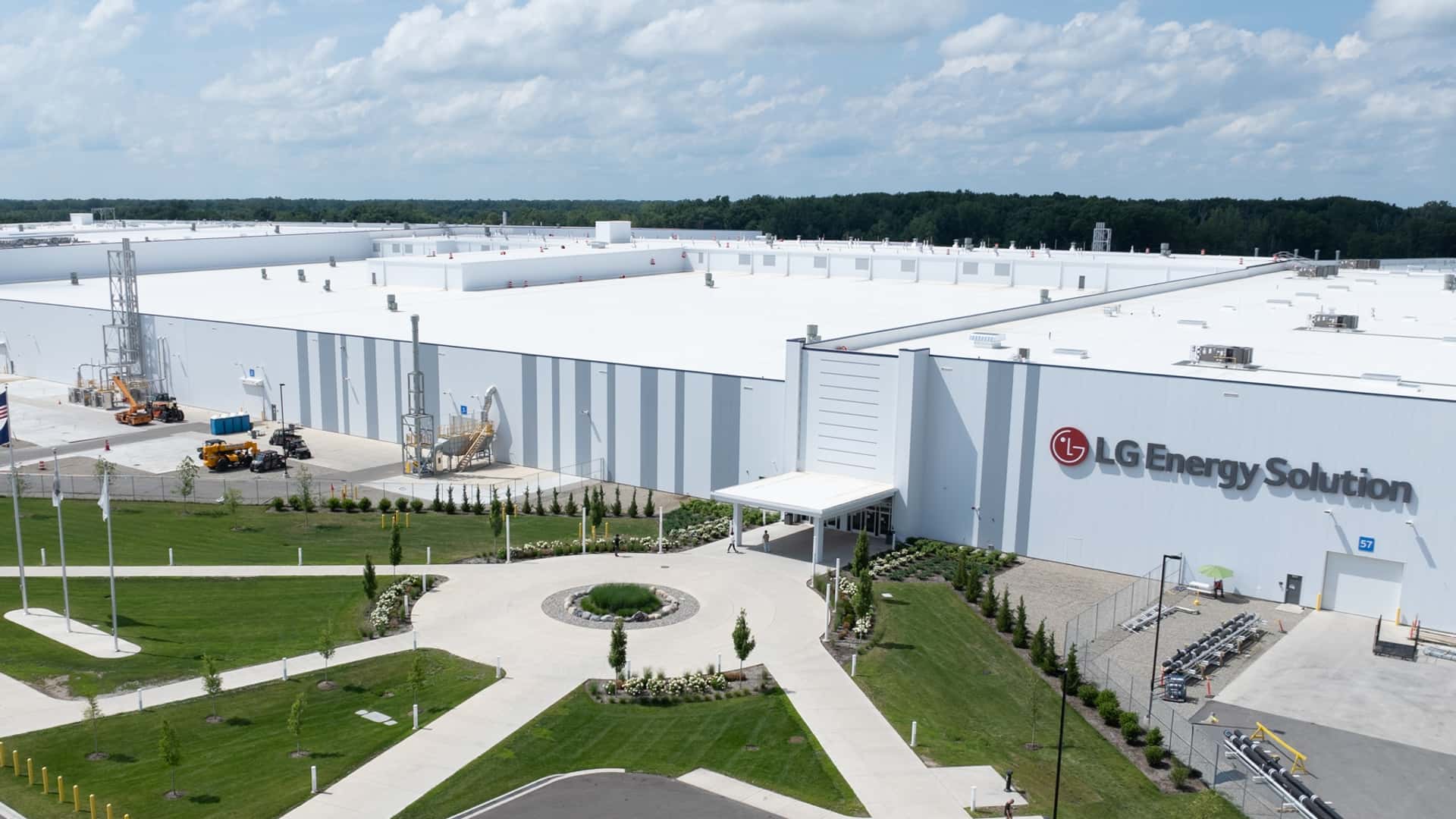
- LGES is strategically expanding its North American presence, securing raw material supplies through a deal with Canada’s Elevra Lithium and commissioning its $2 billion gigafactory in Lansing, Michigan, producing specialized batteries for Tesla and Toyota.
Seoul, South Korea – LG Energy Solution (LGES), a global leader in battery manufacturing and a key Tesla supplier, has announced record-breaking quarterly earnings for the third quarter of 2023. The South Korean battery giant reported a substantial surge in its financial performance, attributing the success primarily to a booming electric vehicle market in Europe and an accelerating demand for energy storage batteries in the United States.
The stellar preliminary results, disclosed in a regulatory filing, underscore LGES’s strategic agility in navigating a dynamic global battery landscape. Despite a period of recalibration for electric vehicle battery production in North America due to evolving market demands, the company has effectively leveraged diversified growth avenues to achieve unprecedented financial milestones.
Strategic Diversification Fuels Record Growth
LG Energy Solution’s preliminary Q3 2023 figures paint a compelling picture of growth and resilience. The company’s revenue soared by an impressive 59% compared to the same period last year, reaching a formidable $7.21 billion. Concurrently, operating profit witnessed a healthy 25% increase, climbing to $565 million.
These record quarterly earnings mark a significant achievement for LGES, demonstrating the efficacy of its diversified business model. The company, which initially slowed its electric vehicle battery production in North America due to anticipated lower demand, successfully mitigated potential losses by strategically focusing on other high-growth segments.
Energy Storage Solutions: A Pivotal Growth Engine in the U.S.
A crucial driver behind LGES’s record performance is the burgeoning demand for stationary energy storage batteries in the U.S. market. This sector has experienced a substantial uptick, primarily fueled by the exponential growth of power-intensive AI data centers and ongoing, critical upgrades to existing electrical grids across the nation.
The company’s foresight in expanding its footprint in this segment has proven highly lucrative. LGES now produces its energy storage system (ESS) batteries locally at multiple plants within the United States, effectively capitalizing on the domestic market’s urgent need for reliable and efficient energy storage solutions. This strategic localization reduces logistical complexities and enhances responsiveness to market demands.
European EV Market Drives Battery Demand
Simultaneously, LGES’s electric vehicle battery business has received a substantial boost from robust sales in the European market. The continent has experienced a sustained boom in electric vehicle adoption, translating into heightened demand for high-performance EV batteries.
According to The Korea Herald, LGES’s manufacturing facility in Poland is experiencing strong order volumes, particularly from major automotive players like Volkswagen and Renault. The increasing popularity of their electric vehicle models across Europe directly contributes to the significant demand for LGES’s battery cells, solidifying the company’s position as a preferred supplier in the region.
U.S. Policy Support and Financial Credits Bolster Profitability
Beyond market demand, various financial incentives and strategic compensations have played a pivotal role in LGES’s enhanced profitability. The company has benefited significantly from battery-manufacturing credits provided through the U.S. Inflation Reduction Act (IRA).
Specifically, the Section 45X Advanced Manufacturing Production tax credits, designed to incentivize domestic battery manufacturing, have provided substantial financial support. These crucial credits are slated to remain available through 2032, offering a long-term benefit for battery producers like LGES that invest in U.S.-based manufacturing.
Furthermore, LGES also received compensation from certain automakers. This compensation was issued for their failure to meet pre-agreed minimum purchase requirements for electric vehicle batteries, adding another layer of financial bolstering to the company’s bottom line, as reported by Reuters.
Strengthening North American Supply Chain and Manufacturing Footprint
In a move to further secure its supply chain and expand its manufacturing capabilities, LGES is strategically deepening its commitment to North America. The company recently solidified a multi-year offtake agreement with Canada’s Electra Lithium.
Under this significant deal, LGES is set to receive 240,000 metric tonnes of raw lithium concentrate from Electra Lithium’s mining operations in Quebec. This partnership ensures a stable and localized supply of critical raw materials, reducing dependency on volatile international markets and aligning with initiatives to strengthen North American battery production ecosystems.
Lansing Gigafactory: A Hub for Diverse Battery Production
Adding to its robust North American presence, LGES inaugurated its $2 billion gigafactory in Lansing, Michigan, in August. This state-of-the-art facility represents a cornerstone of the company’s manufacturing strategy, enabling localized production of advanced battery technologies for diverse applications.
The Lansing plant is currently producing energy storage lithium-iron-phosphate (LFP) batteries specifically for Tesla, supporting the automotive giant’s growing energy storage solutions. Concurrently, the facility is also manufacturing nickel-manganese-cobalt (NMC) electric vehicle batteries, which are supplied to Toyota, showcasing LGES’s versatility and importance to multiple leading automakers.
Market Outlook and Future Prospects
LG Energy Solution’s Q3 performance underscores a successful pivot and expansion strategy. By effectively balancing the demands of the rapidly evolving electric vehicle market with the critical needs of the energy storage sector, the company has positioned itself for sustained growth.
The strong demand for electric vehicle battery technology in Europe, combined with the strategic growth in U.S. energy storage systems, illustrates LGES’s ability to adapt and thrive. The ongoing investment in domestic manufacturing and localized supply chains further solidifies its market leadership and contributes to a more resilient global battery ecosystem.
Frequently Asked Questions (FAQ)
What were LG Energy Solution’s key financial results for Q3 2023?
LG Energy Solution reported record quarterly earnings in Q3 2023. Revenue increased by 59% year-over-year to $7.21 billion, and operating profit rose by 25% to $565 million. These figures reflect strong demand across its key battery segments.
What factors contributed to LGES’s record earnings?
The record earnings were primarily driven by two main factors: robust electric vehicle battery sales in the European market, particularly to automakers like Volkswagen and Renault, and significant growth in demand for stationary energy storage batteries in the United States, supporting data centers and grid upgrades.
How did LGES address slower EV battery demand in North America?
LGES offset slower electric vehicle battery demand in North America by strategically expanding its focus and production capacity for stationary energy storage batteries. This diversification allowed the company to tap into a high-demand market and maintain overall profitability.
What role did U.S. government policies play in LGES’s performance?
The U.S. Inflation Reduction Act (IRA), specifically the Section 45X Advanced Manufacturing Production tax credits, provided substantial financial incentives for LGES’s domestic battery manufacturing operations. These credits significantly bolstered the company’s bottom line and are available through 2032.
What is LGES doing to strengthen its North American supply chain?
LGES is actively localizing its supply chain in North America. This includes a multi-year agreement with Canada’s Electra Lithium to secure 240,000 metric tonnes of raw lithium concentrate from Quebec, ensuring a stable supply of critical raw materials for its battery production.
Which automakers are supplied by LGES’s new Michigan gigafactory?
The $2 billion gigafactory in Lansing, Michigan, produces energy storage lithium-iron-phosphate (LFP) batteries for Tesla. Additionally, it manufactures nickel-manganese-cobalt (NMC) electric vehicle batteries, which are supplied to Toyota, showcasing its versatile production capabilities.