
Key Takeaways (TL;DR):
- LG Energy Solution reported record Q3 2023 earnings, with revenue soaring 59% year-over-year to $7.21 billion and operating profit climbing 25% to $565 million.
- The impressive financial performance was primarily fueled by robust demand for energy storage batteries in the U.S. and a thriving electric vehicle (EV) market in Europe.
- While North American EV battery production saw slowdowns, losses were largely offset by significant growth in stationary energy storage systems, vital for AI data centers and grid upgrades.
- U.S. Inflation Reduction Act production credits and compensation from automakers also contributed to the record bottom line for the prominent Tesla supplier.
- The company is actively expanding its manufacturing footprint and securing raw material supply chains in North America, including a new gigafactory in Michigan and a lithium offtake agreement in Canada.
Seoul, South Korea – LG Energy Solution (LGES), a global leader in advanced battery technologies and a key Tesla supplier, has announced record quarterly earnings, buoyed by a strategic pivot towards energy storage solutions in the United States and surging demand for electric vehicle batteries across Europe. The preliminary results, disclosed in a regulatory filing in South Korea, reveal a robust financial performance for the third quarter of 2023.
The battery giant reported a remarkable 59% year-over-year increase in revenue, reaching $7.21 billion. Concurrently, its operating profit saw a substantial 25% growth, climbing to $565 million. These figures underscore the company’s resilience and adaptability in a dynamic global battery market.
Navigating North American EV Market Dynamics
The past two years have presented a complex landscape for battery manufacturers in North America. Initial high expectations for electric vehicle adoption led to aggressive production expansion, but slower-than-anticipated EV sales prompted some companies, including LG Energy Solution, to moderate their North American EV battery production. This adjustment was made in response to evolving market conditions and demand patterns.
However, LGES has effectively mitigated potential setbacks by strategically leveraging other burgeoning sectors. The firm successfully offset losses associated with the EV market slowdown by tapping into the rapidly expanding demand for stationary energy storage batteries. These systems are becoming indispensable for modernizing power grids and supporting the power-intensive operations of AI data centers across the U.S.
The company’s foresighted investments in stationary storage have begun to yield significant returns, solidifying this segment as a crucial growth driver. This diversification strategy highlights LGES’s commitment to maintaining a strong market position amidst varying regional demands for battery technologies.
European EV Boom Fuels Battery Sales
While the North American EV market experienced a deceleration in some segments, Europe continued its strong trajectory of electric vehicle adoption. This sustained growth has provided a significant boost to LG Energy Solution’s EV battery business. According to The Korea Herald, LGES’s plant in Poland has been operating at high capacity, fulfilling robust demand from major European automakers.
Specifically, strong plug-in vehicle sales from manufacturers like Volkswagen and Renault across the European continent have translated directly into increased orders for LGES batteries. This regional strength demonstrates the variable pace of EV transition globally and LGES’s ability to capitalize on leading markets.
The European market’s embrace of electric mobility, driven by stricter emissions regulations and growing consumer preference, positions it as a vital component of LG Energy Solution’s overall revenue strategy. The company’s established manufacturing presence in the region allows it to serve these customers efficiently and competitively.
Strategic Incentives and Supply Chain Integration
Beyond market demand, several strategic factors have contributed to LG Energy Solution’s record-breaking performance. The company benefited significantly from battery-manufacturing credits provided through the U.S. Inflation Reduction Act (IRA). This landmark legislation, enacted to bolster domestic clean energy manufacturing, offers substantial incentives for companies producing batteries within the United States.
Furthermore, LGES received compensation from certain automakers for failing to meet minimum EV battery purchase requirements, as reported by Reuters. Such agreements often include clauses that protect suppliers in instances of unexpected shifts in manufacturing plans or vehicle production volumes, providing a financial safety net.
The U.S. Inflation Reduction Act’s Section 45X Advanced Manufacturing Production tax credits are particularly noteworthy. These credits, designed to incentivize local battery production, remained largely intact despite recent political shifts. While the Trump administration’s One Big Beautiful Bill Act wiped out many pro-climate policies enacted under the Biden administration, including axing the federal tax credit and rolling back fuel economy rules, it largely preserved the Section 45X Advanced Manufacturing Production tax credits for domestic battery manufacturing. These critical incentives are slated to remain available through 2032, providing long-term support for LGES’s North American operations and its role as a significant Tesla supplier.
Expanding North American Manufacturing and Raw Material Sourcing
In a move to further strengthen its North American presence and ensure a stable supply chain, LG Energy Solution is actively expanding its manufacturing capabilities and securing essential raw materials locally. This strategy aligns with global trends emphasizing regionalized supply chains and reduced reliance on distant sources.
A significant development in this regard is the multi-year offtake agreement signed with Canada’s Elevra Lithium. Under this deal, LGES will receive 240,000 metric tonnes of raw lithium concentrate from Elevra’s mine in Quebec. This agreement is crucial for securing a consistent supply of a vital component for battery production, directly impacting the cost and efficiency of its operations.
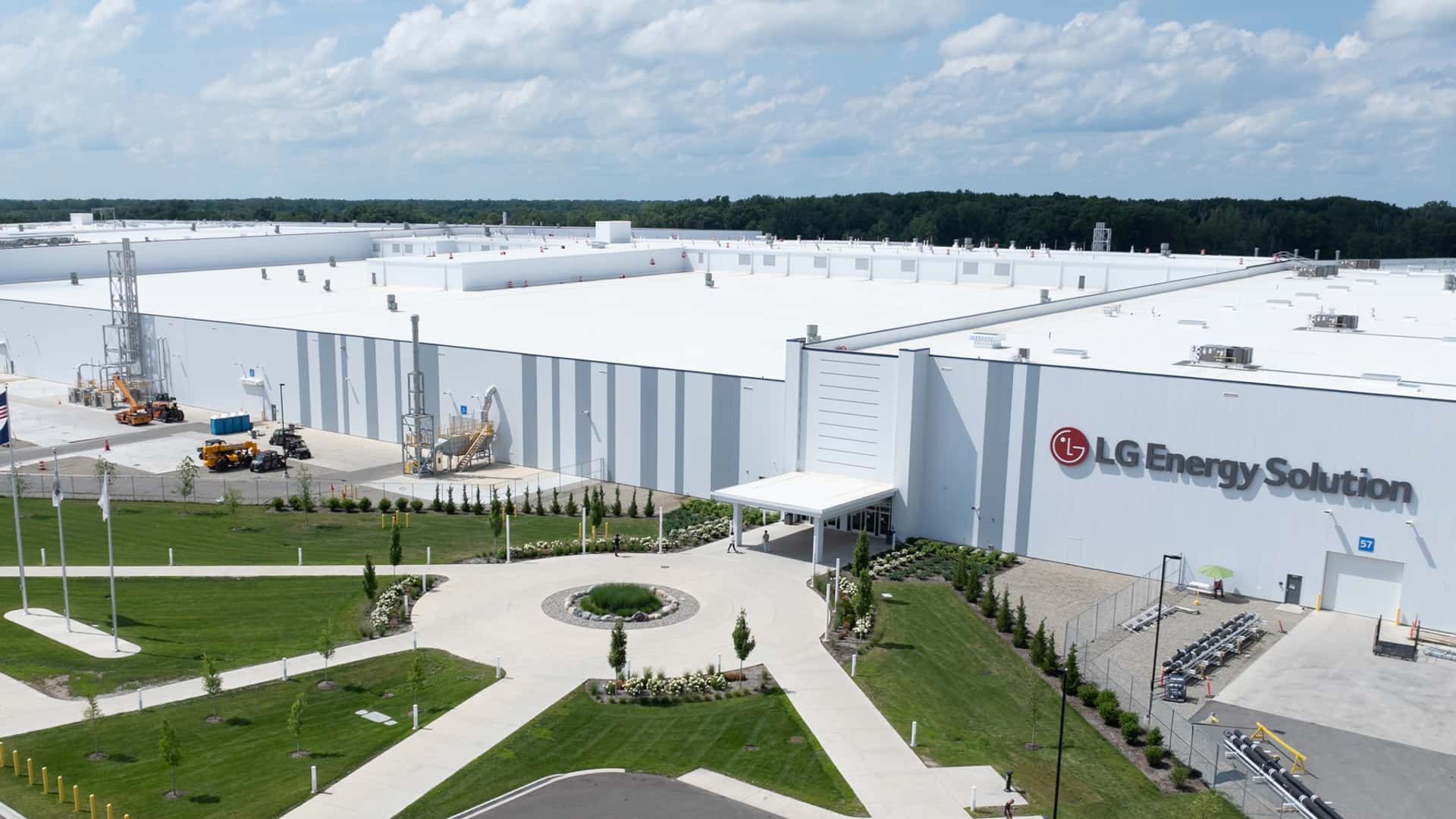
In August, LGES celebrated the opening of its $2 billion gigafactory in Lansing, Michigan. This state-of-the-art facility is dedicated to producing a diverse range of battery cells, including energy storage lithium-iron-phosphate (LFP) batteries for Tesla and nickel-manganese-cobalt (NMC) EV batteries for Toyota. The Michigan plant exemplifies the company’s commitment to localized production and its strategy to cater to multiple major automotive partners and energy storage markets.
Outlook and Market Position
LG Energy Solution’s record Q3 earnings underscore its robust market position and strategic foresight. By balancing its portfolio between the evolving EV market and the rapidly expanding energy storage sector, the company has demonstrated remarkable agility and resilience.
The continued investment in North American manufacturing, coupled with efforts to localize the raw material supply chain, positions LGES favorably for long-term growth. These strategic initiatives, alongside the benefits derived from government incentives and strong demand in key regions, are expected to further solidify LG Energy Solution’s leadership in the global battery industry.
Frequently Asked Questions (FAQs)
What contributed to LG Energy Solution’s record Q3 earnings?
LG Energy Solution’s record Q3 2023 earnings were primarily driven by strong demand for its energy storage batteries in the U.S. and robust electric vehicle (EV) sales in Europe. Additionally, U.S. Inflation Reduction Act manufacturing credits and compensation from automakers for unmet purchase requirements played a significant role.
How did LGES offset slower EV battery demand in North America?
While EV battery production in North America experienced some slowdowns, LG Energy Solution successfully offset these losses through the burgeoning demand for stationary energy storage batteries. These batteries are increasingly vital for supporting power-hungry AI data centers and critical grid upgrades across the United States.
What role did U.S. government policies play in LGES’s performance?
The U.S. Inflation Reduction Act (IRA) provided significant benefits, specifically the Section 45X Advanced Manufacturing Production tax credits for domestic battery manufacturing. These incentives, which remain available through 2032, helped bolster LGES’s financial bottom line and support its U.S. production efforts.
Which car manufacturers are driving demand for LGES batteries in Europe?
In Europe, LG Energy Solution is experiencing strong demand for its electric vehicle batteries from major automotive players like Volkswagen and Renault. Their growing EV sales across the continent have directly contributed to the increased orders and robust performance of LGES’s European manufacturing plants, such as the one in Poland.
What is LG Energy Solution doing to secure its raw material supply chain?
To enhance supply chain stability, LG Energy Solution recently signed a multi-year offtake agreement with Canada’s Elevra Lithium. This deal secures 240,000 metric tonnes of raw lithium concentrate from a Quebec mine, ensuring a crucial supply of this essential battery component for LGES’s North American operations.
What types of batteries are produced at LGES’s Michigan gigafactory?
LG Energy Solution’s $2 billion gigafactory in Lansing, Michigan, is a versatile production hub. It manufactures energy storage lithium-iron-phosphate (LFP) batteries specifically for Tesla. Additionally, the plant produces nickel-manganese-cobalt (NMC) EV batteries, catering to the needs of Toyota, diversifying its output for key clients.