
Key Takeaways:
- Electric sedans frequently present a challenge for rear passenger comfort, primarily due to the integrated floor-mounted battery architecture.
- The ubiquitous ‘skateboard platform,’ while beneficial for vehicle dynamics and overall stability, elevates the cabin floor, often leading to inadequate thigh support and an awkward seating posture for rear occupants.
- This design conundrum is particularly acute in low-slung sedan profiles, where designers must reconcile battery thickness with aerodynamic efficiency and a desirable roofline.
- Leading automotive manufacturers like Porsche, Lucid, and Jaguar are pioneering innovative engineering solutions such as recessed ‘foot garages’ and strategic relocation of battery modules to mitigate these ergonomic issues and enhance rear passenger comfort.
- However, achieving superior rear cabin space often necessitates intricate design compromises, sometimes impacting overall battery pack capacity, underscoring a critical ongoing challenge in electric vehicle development.
The Unseen Challenge in Electric Sedans
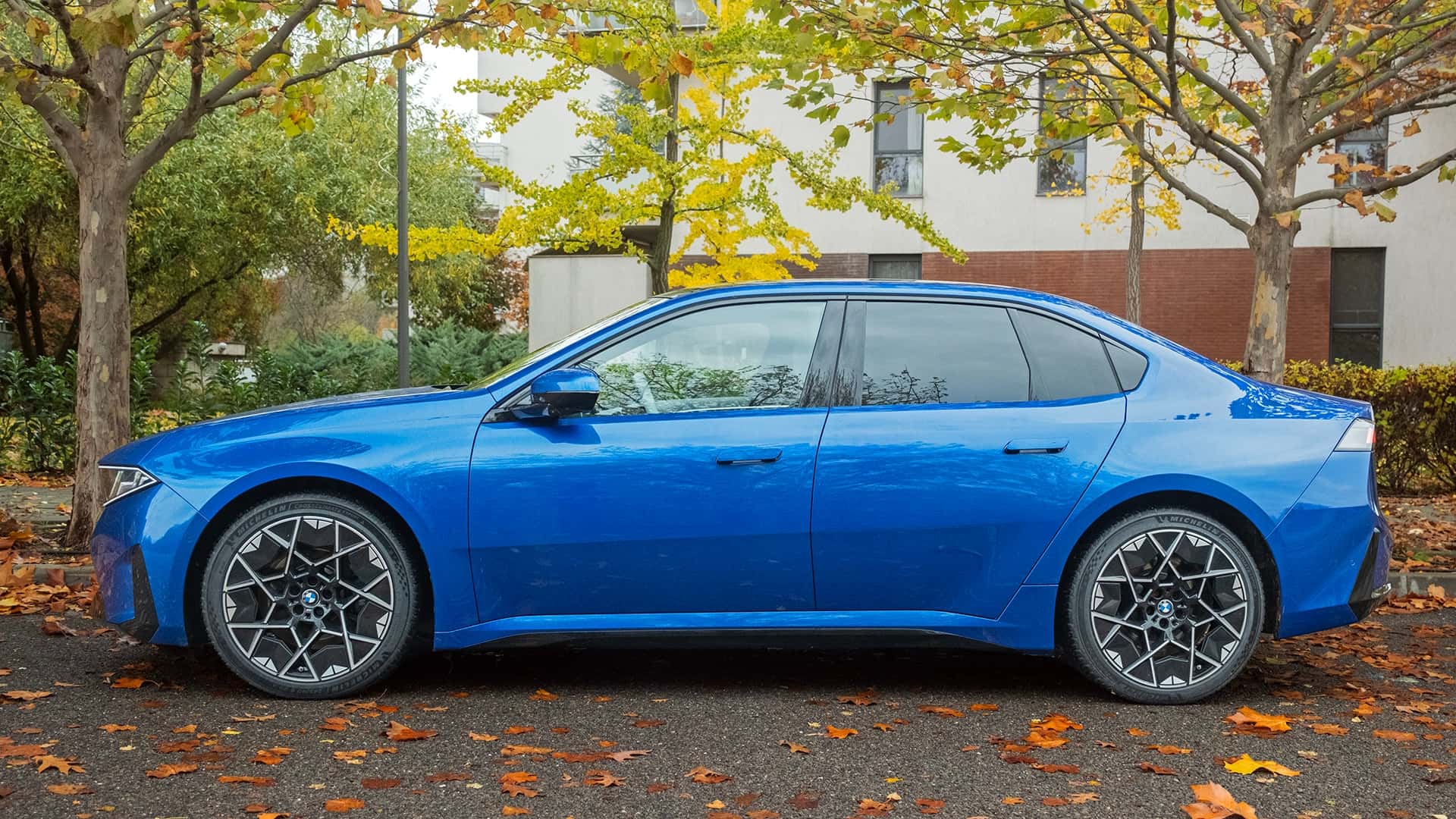
The burgeoning market for electric vehicles (EVs) has seen a significant shift towards sleek, performance-oriented electric sedans. These vehicles are often celebrated for their low, aerodynamic profiles, dynamic handling, and cutting-edge technology. Yet, beneath the surface of innovation and efficiency, a persistent design challenge often compromises the experience for one critical group: rear passengers.

Many electric sedan enthusiasts, while appreciating the driving dynamics, encounter a common ergonomic issue when occupying the back seats: a feeling of being awkwardly folded, with knees pushed uncomfortably high. This discomfort arises even in models that boast generous measurements for distance to the front seat, ample shoulder room, and sufficient headroom.
The core problem extends beyond conventional metrics of legroom; it fundamentally relates to the vertical positioning of a passenger’s feet and, consequently, their thighs. When feet sit too high, the thighs lift off the seat cushion, leaving knees unsupported and dangling mid-air, a position that quickly becomes uncomfortable, especially on longer journeys.
The Root Cause: Skateboard Battery Architecture
At the heart of this ergonomic challenge lies the industry-standard ‘skateboard platform’ or floor-mounted battery layout. This innovative design has become the prevailing architecture for modern electric vehicles for several compelling reasons. By positioning the heaviest component – the battery pack – low within the chassis, it dramatically improves vehicle stability and handling characteristics.

Furthermore, this integrated design efficiently packages a bulky power source, preventing it from encroaching upon vital trunk space or the main passenger compartment. The battery’s cells, along with their intricate enclosure, protective layers, and essential cooling hardware, add substantial vertical thickness beneath the cabin floor. This elevation directly raises the surface where rear passengers place their feet.
While an ingenious solution for vehicle dynamics and packaging large energy sources, this elevated floor becomes a significant ergonomic hurdle in low-slung electric sedans. The space efficiency under the car translates into compromised comfort inside the cabin for those seated in the rear.
The Impact on Passenger Ergonomics and Design
The consequence of this elevated floor is a notable lack of crucial thigh support for rear occupants. Unlike traditional combustion engine vehicles where the floor pan can often be lower, the substantial depth of a modern EV battery pack dictates a higher seating plane in electric sedans. This forces passengers into an uncomfortable, knees-up posture, significantly diminishing the overall rear passenger comfort.
The problem is less pronounced in taller electric crossovers or SUVs. In these vehicle segments, designers have greater vertical latitude to raise the seats, effectively counteracting the elevated floor without impinging on headroom. The increased overall body height provides a natural buffer.
However, applying this solution to a low-profile electric sedan or hatchback presents an immediate design conflict. Raising the rear seats to compensate for the higher floor would inevitably push passengers’ heads uncomfortably close to the headliner. Conversely, raising the roofline to accommodate higher seating would negate many of the aesthetic, design, and crucial aerodynamic benefits that define a sedan shape.
Something invariably has to give in this design equation, and more often than not, it is rear passenger thigh support. This inherent compromise has driven several manufacturers to seek out innovative engineering and packaging solutions to preserve the elegance of an electric sedan while enhancing its practicality for all occupants.
Innovative Solutions Emerge from Leading Manufacturers
Recognizing the significance of this ergonomic challenge, several prominent automakers have begun to engineer creative solutions. These innovations aim to reclaim vital foot and legroom without sacrificing the inherent advantages of the skateboard battery layout or compromising the vehicle’s design integrity.
Porsche’s Pioneering ‘Foot Garages’ in the Taycan
Porsche explicitly identified and addressed this packaging conflict during the development of its acclaimed Taycan electric sports sedan. The luxury performance brand’s solution involved integrating recessed rear footwells, ingeniously dubbed ‘foot garages,’ into the battery pack itself. These sculpted depressions provide a lower resting place for rear passengers’ feet, effectively creating more vertical space.
Michael Mauer, Porsche’s design chief during the Taycan’s development, openly acknowledged the complexity of this task back in 2019. He highlighted the significant challenge of ensuring passenger comfort under a low roofline when a large battery pack occupies the under-cabin space. “We solved this with so-called ‘foot garages’,” he explained, illustrating a commitment to ergonomic design alongside high performance.
This engineering feat was deemed “the greatest challenge” by Mauer, a testament to its critical role in preserving the Taycan’s signature low-slung stance while simultaneously delivering acceptable rear foot room. This innovative design principle is also mirrored in the Taycan’s sister vehicle, the Audi E-Tron GT, which shares an identical approach to optimising rear passenger space.
Lucid Air’s Approach to Maximising Rear Space
Another notable exception to the common compromise in rear room is found in certain variants of the Lucid Air. The Lucid Air Pure and Touring models are lauded for their superior rear passenger space, a distinction achieved through a sophisticated modular battery design. Engineers strategically removed battery modules from the specific area beneath the rear passenger footwell, creating a deeper, more conventional foot space.
Upon entering these variants, the sensation is akin to sitting in a traditional combustion-engine sedan, a stark contrast to many other EVs. This design flexibility, however, reveals the inherent trade-offs; other Lucid Air variants, such as the Grand Touring, which feature larger battery packs for extended range, consequently have a higher floor in the rear, leading to a more elevated knee position for passengers.
Jaguar and Polestar’s Strategic Repositioning
The trend of innovative battery packaging continues with upcoming models. Jaguar is adopting a similar strategy for its forthcoming Type-01 electric vehicle. In this design, a row of battery modules has been relocated from the rear passenger area to the front of the car. This radical repositioning is made feasible by the Type-01’s exceptionally long hood and a generous dash-to-axle ratio.
This architectural choice allows Jaguar to integrate significant battery capacity without compromising the crucial rear passenger comfort. Similarly, the Polestar 5 showcases a comparable setup, enabling it to maintain a body style and height that closely resembles a combustion-powered vehicle, thereby avoiding the taller appearance often associated with EVs integrating floor-mounted batteries.
Another brand within the Geely group, Volvo, has also indicated its intent to pursue similar design philosophies. Volvo’s SPA3 platform is engineered with the flexibility to omit battery cells directly beneath passengers’ feet. This strategic capability opens the door to the potential development of properly low-riding electric wagons, representing an excellent application for this advanced battery packaging technology, though specific production commitments are yet to be announced.
Balancing Design and Practicality: The Trade-offs
While these inventive solutions significantly enhance **electric sedan rear passenger comfort**, they are not without engineering trade-offs. The primary consequence of creating more shoe space by relocating or omitting battery modules in certain areas is often a reduction in overall battery pack capacity.
This presents a delicate balancing act for automotive engineers and designers: optimising cabin ergonomics for human comfort versus maximising the vehicle’s range and energy storage capabilities. The ongoing pursuit of thinner, more energy-dense battery packs also plays a crucial role in mitigating this dilemma, allowing for greater design flexibility.
Ultimately, the objective is to make low-riding EV back seats genuinely comfortable. This push for improved rear passenger experience is vital for encouraging a broader segment of the population to opt for electric sedans over higher-riding SUVs and crossovers, contributing to wider EV adoption.
Why Rear Passenger Comfort Matters
For individuals or families who frequently transport adult passengers, an awkward or uncomfortable rear seating position can quickly become a significant deal-breaker. The practical implications of poor ergonomic design can outweigh the allure of an electric vehicle’s environmental benefits or performance capabilities.
Prospective buyers are strongly advised to perform a crucial test before committing to an electric sedan purchase: sit in the rear seats with the front seats adjusted to their own driving position. This simple yet effective evaluation will quickly reveal whether the seat cushion provides adequate thigh support and ensures a comfortable posture.
As the electric vehicle market matures, the focus is broadening beyond range and charging speeds to encompass the holistic passenger experience. Addressing the nuances of **electric sedan rear passenger comfort** is not merely an aesthetic consideration but a functional imperative that will continue to drive innovation and design evolution in the automotive industry.
Frequently Asked Questions (FAQ)
1. Why are electric sedan rear seats often uncomfortable?
Rear seats in many electric sedans can be uncomfortable due to the floor-mounted battery pack, which raises the cabin floor. This elevation reduces the vertical space for feet, leading to inadequate thigh support and a knees-up posture for rear passengers, especially in low-slung vehicle designs.
2. What is the “skateboard layout” and how does it affect EV design?
The “skateboard layout” is an EV architecture where the battery pack, motors, and other components are integrated into a flat chassis. While it offers benefits like a low center of gravity for better handling and efficient packaging, it adds thickness under the cabin floor, impacting rear passenger foot space in sedans.
3. How do SUVs and crossovers address the battery placement issue differently from sedans?
Taller electric SUVs and crossovers have more vertical body height. This allows designers to raise the seats higher to accommodate the floor-mounted battery without compromising headroom, making it easier to maintain comfortable rear passenger ergonomics compared to lower-profile sedans.
4. What are “foot garages” in electric vehicles?
“Foot garages” are engineered recesses or cutouts within the floor-mounted battery pack, specifically designed to provide additional vertical space for rear passengers’ feet. Pioneered by Porsche in the Taycan, these innovations help to lower the foot position and improve thigh support in electric sedans.
5. Which electric sedans are known for better rear passenger comfort?
Models like the Porsche Taycan (with its ‘foot garages’) and specific variants of the Lucid Air (Pure and Touring, which relocate battery modules from the footwell) are noted for offering superior rear passenger comfort compared to many other electric sedans on the market.
6. Are there any trade-offs when manufacturers improve rear passenger foot space in EVs?
Yes, improving rear passenger foot space by relocating or omitting battery modules in specific areas can sometimes lead to a lower overall battery pack capacity. This creates an engineering challenge, requiring a balance between ergonomic comfort and the vehicle’s total electric range.
7. Why is rear passenger comfort a significant consideration for EV buyers?
For buyers who regularly transport adults or plan to use their EV for longer journeys with multiple passengers, rear comfort is a crucial factor. An uncomfortable rear seating position can be a deal-breaker, influencing purchase decisions and the overall satisfaction with the vehicle.