
Key Takeaways
- Rivian’s Electric Delivery Van (EDV) has emerged as a significant revenue driver, generating $1.6 billion from Amazon this year, a nearly threefold increase.
- Despite the R2 consumer SUV often grabbing headlines, the ‘boring’ commercial van is quietly fueling Rivian’s financial stability and path to profitability.
- Amazon’s increased demand for Rivian commercial vans is attributed to substantial cost advantages, including lower maintenance and reduced fuel expenses compared to diesel counterparts.
- The competitive landscape for medium-duty electric vehicles is narrowing, with traditional automakers like Ford and General Motors facing setbacks in their own commercial EV ventures.
- Rivian is strategically expanding its EDV program beyond Amazon, actively engaging with other potential fleet customers and introducing new variants for diverse operational needs.
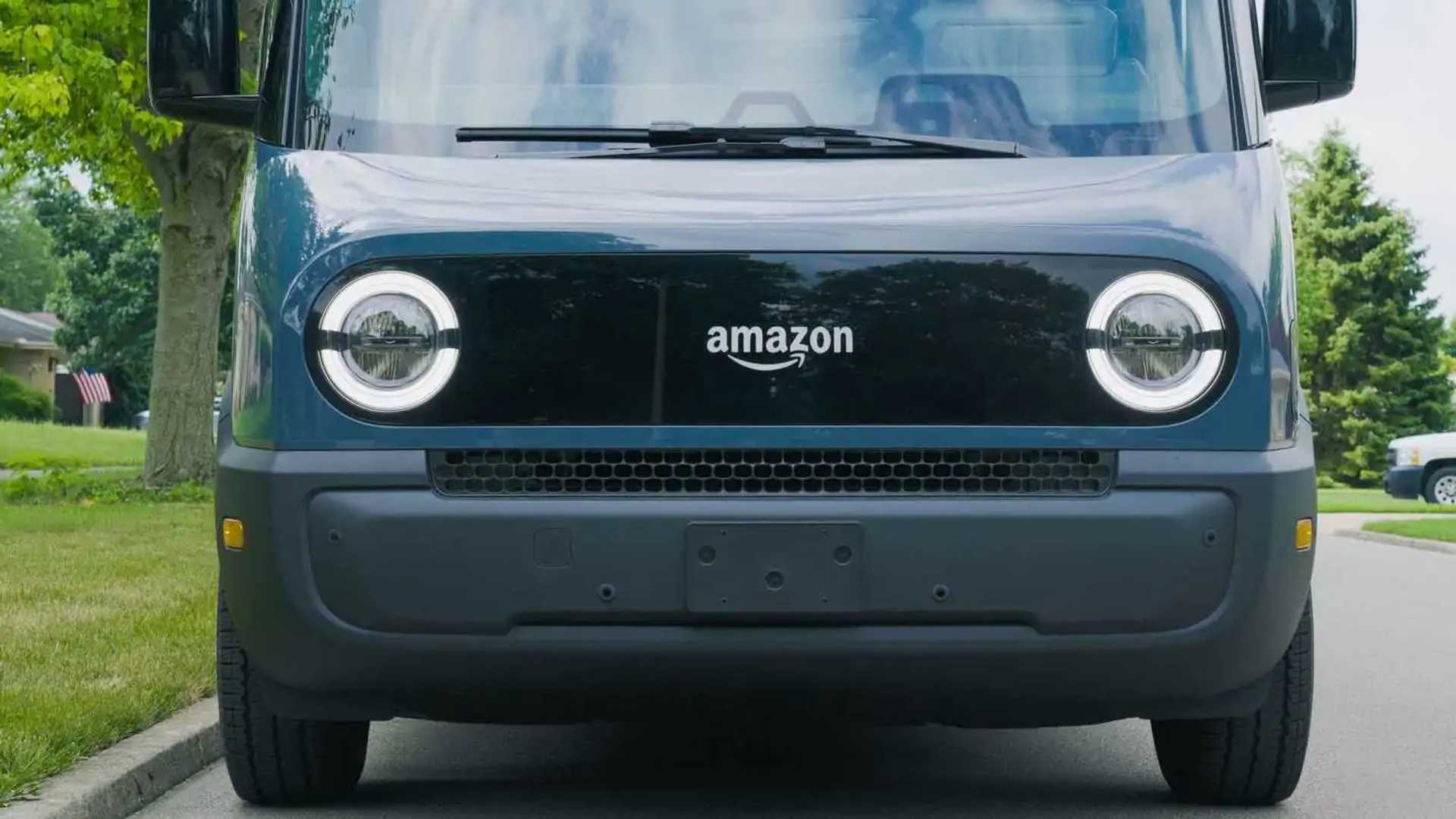
While the electric vehicle (EV) world eagerly anticipates the Rivian R2, a more understated workhorse from the California-based automaker is silently driving substantial financial success. Rivian’s Electric Delivery Van (EDV), often seen traversing neighborhoods delivering Amazon packages, has rapidly become a critical component of the company’s revenue strategy, signaling a powerful, albeit less glamorous, path towards long-term profitability.
Recent financial disclosures reveal the significant impact of the Rivian commercial van. In just the third quarter of this year, Amazon, an early investor in Rivian, contributed a staggering $596 million in revenue—surpassing the total payments made throughout the first three quarters of the preceding year combined. This surge underscores the growing reliance on Rivian’s fleet electrification solutions.
Overall, Rivian has recorded an impressive $1.6 billion in revenue from Amazon this year, predominantly stemming from EDV sales. This figure represents a nearly threefold increase year-over-year, highlighting the accelerating adoption of Rivian’s electric delivery vehicles within one of the world’s largest logistics operations.
Amazon’s Escalating Demand for Rivian Commercial Vans
The pronounced uptick in Amazon’s demand for Rivian EDVs is a testament to the practical and economic advantages offered by these electric delivery vehicles. According to Rivian founder and CEO RJ Scaringe, “This year we have seen a significant step up in the level of demand from Amazon.” This increased interest is not merely a preference but a strategic business decision rooted in operational efficiency.
Scaringe elaborated on the underlying drivers, stating, “It’s creating true and very real structural cost advantages that are leading Amazon to double down to continue to buy more vehicles.” These advantages are multifaceted, primarily revolving around the inherent lower running costs associated with electric vehicles. EVs typically require less maintenance compared to their internal combustion engine counterparts, leading to reduced downtime and service expenses for large fleets.
Moreover, the volatile and often high price of diesel fuel has made the economic case for electric delivery vans even more compelling. Companies engaged in extensive logistics and last-mile delivery operations are increasingly prioritizing electrification to mitigate fuel cost fluctuations and enhance their bottom line. The Rivian EDV directly addresses these critical operational and financial imperatives.
Navigating a Shrinking Competitive Landscape in Commercial EVs
Rivian’s success in the electric delivery vehicle segment is further amplified by a competitive field that appears to be contracting. Several established automotive players have struggled to gain significant traction or have entirely withdrawn from the medium-duty EV space, leaving an opening for specialized EV manufacturers like Rivian.
Ford, for instance, has reported fewer than 700 E-Transit vans sold this year, marking a substantial 85% drop compared to the same period in 2025. In a significant strategic shift, the company also cancelled its plans for a next-generation E-Transit model. Similarly, General Motors made the decision to axe its BrightDrop electric delivery vans entirely late last year, exiting a segment it once aimed to dominate.
This evolving market dynamic has created a void that Rivian, along with other EV-focused startups, is effectively filling. Ray Minjares, who leads the heavy-duty vehicles program at the International Council on Clean Transportation, observes this trend closely. “The dynamics that are playing out now in the U.S. market are basically being led by the EV-only manufacturers,” Minjares stated, emphasizing the pivotal role these innovators play.
Industry Insights: EV-Only Manufacturers Lead the Charge
Minjares’ analysis underscores a broader shift within the commercial vehicle sector. He highlights Rivian’s leadership in the medium-duty electric vehicle segment, a crucial area for urban logistics and package delivery. Beyond this, other EV pioneers are also making significant inroads across different categories of commercial transport.
Tesla’s Semi, for example, is garnering attention for its potential to revolutionize long-haul trucking, showcasing the scalability of electric propulsion in heavier applications. Furthermore, Harbinger Motors, another U.S. startup specializing in electric trucks, recently secured a deal to supply 2,000 electric vehicles to FedEx, indicating a growing trust in new entrants within the commercial fleet market. These developments collectively point to a future where specialized EV manufacturers are at the forefront of electrifying commercial transportation in America.
Strategic Expansion and Future Prospects Beyond Amazon
Building on its successful partnership with Amazon, Rivian is now actively broadening its market reach for the EDV. The company began opening fleet orders to other businesses beyond Amazon last year, with the smaller EDV model starting at a price of $79,900. This strategic move aims to diversify its customer base and establish the Rivian commercial van as a go-to solution for various commercial operators.
Innovation continues within the EDV line as well. This week, Rivian announced the delivery of two new EDV variants to Amazon, specifically designed to address diverse operational challenges, particularly for more rural delivery routes. One new variant features all-wheel drive, enhancing capability in varied terrains and weather conditions, while the other boasts a larger battery, providing a significant 30% increase in range. These enhancements underscore Rivian’s commitment to optimizing its electric delivery vehicles for a wider array of logistics requirements.
Looking ahead, speculation is rife about potential new partnerships. A recent photograph depicting a Rivian EDV on a transporter truck bearing Walmart livery quickly went viral, fueling rumors of a significant expansion. While Rivian executives maintained a cautious stance when questioned about the photo during a recent earnings call, CEO RJ Scaringe acknowledged the company’s ongoing discussions with other potential EDV customers.
Scaringe articulated Rivian’s broader vision, stating, “We do see other commercial operators, as they start to really look at ways to drive more efficiency into the business, starting to look at the EDV.” He further expressed enthusiasm for future collaborations: “And we’re excited for those potential future customers on this program as well.” This indicates a concerted effort to position the Rivian commercial van as a leading solution for businesses seeking greater efficiency and sustainability in their operations.
The narrative of Rivian’s journey often focuses on its consumer-facing R1T pickup and R1S SUV, or the future promise of the R2. However, the consistent performance and growing demand for the Rivian EDV paint a clear picture: this ‘boring’ commercial van is anything but. It is a formidable asset, quietly yet powerfully shaping Rivian’s financial trajectory and solidifying its position as a key player in the global shift towards electric commercial mobility.
Frequently Asked Questions About Rivian’s Commercial Van Strategy
What is the Rivian EDV?
The Rivian EDV stands for Electric Delivery Van, a commercial vehicle designed for logistics and last-mile delivery. It is a purpose-built electric van primarily known for its partnership with Amazon, which uses it extensively for package deliveries. The EDV is a key component of Rivian’s strategy in the fleet electrification market.
How much revenue has Rivian generated from Amazon’s EDV orders?
Rivian has generated substantial revenue from Amazon’s EDV orders. In the third quarter alone, Amazon paid Rivian $596 million. So far this year, Rivian has booked $1.6 billion in revenue from Amazon, which represents a nearly threefold increase compared to the previous year, highlighting the growing scale of the partnership.
Why is Amazon increasing its demand for Rivian EDVs?
Amazon’s increased demand for Rivian EDVs is driven by significant structural cost advantages. Electric vehicles like the EDV typically offer lower maintenance burdens and eliminate the need for costly diesel fuel. These factors contribute to reduced operating expenses and improved efficiency for Amazon’s extensive delivery operations.
How does Rivian’s EDV perform against competitors in the commercial EV market?
Rivian’s EDV is performing strongly in a market where some competitors are struggling. While Ford reported a significant drop in E-Transit sales and General Motors discontinued its BrightDrop vans, Rivian is expanding its EDV offerings. Industry experts note that EV-only manufacturers, including Rivian, are currently leading the electrification of commercial vehicles in the U.S.
Is Rivian planning to sell EDVs to other companies besides Amazon?
Yes, Rivian began opening fleet orders for its EDV to companies beyond Amazon last year. The company is actively in discussions with other potential commercial operators interested in the EDV. This strategy aims to diversify Rivian’s customer base and further solidify its position in the broader commercial electric vehicle market.
What new variants of the EDV have been introduced?
Rivian has introduced two new EDV variants to Amazon, specifically tailored for more challenging delivery routes, such as those in rural areas. One variant features all-wheel drive (AWD) for enhanced traction and capability. The second new variant comes with a larger battery, providing an impressive 30% increase in range, optimizing it for extended operations.