
Key Takeaways:
- The widespread ‘skateboard’ platform, featuring a floor-mounted battery, significantly compromises **electric sedan rear passenger comfort**, particularly regarding thigh support and foot positioning.
- While beneficial for stability and handling, the battery’s thickness raises the floor, creating an awkward seating posture for adult rear occupants in low-slung sedans.
- Taller electric SUVs or crossovers can more easily accommodate the floor-mounted battery by raising seats, a solution not viable for sedans without sacrificing their design aesthetics or aerodynamics.
- Innovative solutions like Porsche Taycan’s ‘foot garages’ and Lucid Air Pure/Touring’s battery module repositioning demonstrate efforts to reclaim rear footwell space.
- These design compromises often involve a trade-off with overall battery pack capacity, highlighting a continuous engineering challenge to balance range with interior ergonomics.
- For potential buyers, assessing rear seat comfort, especially thigh support, is crucial before committing to an electric sedan, particularly if adult passengers are a regular consideration.
The Silent Compromise in Electric Sedans
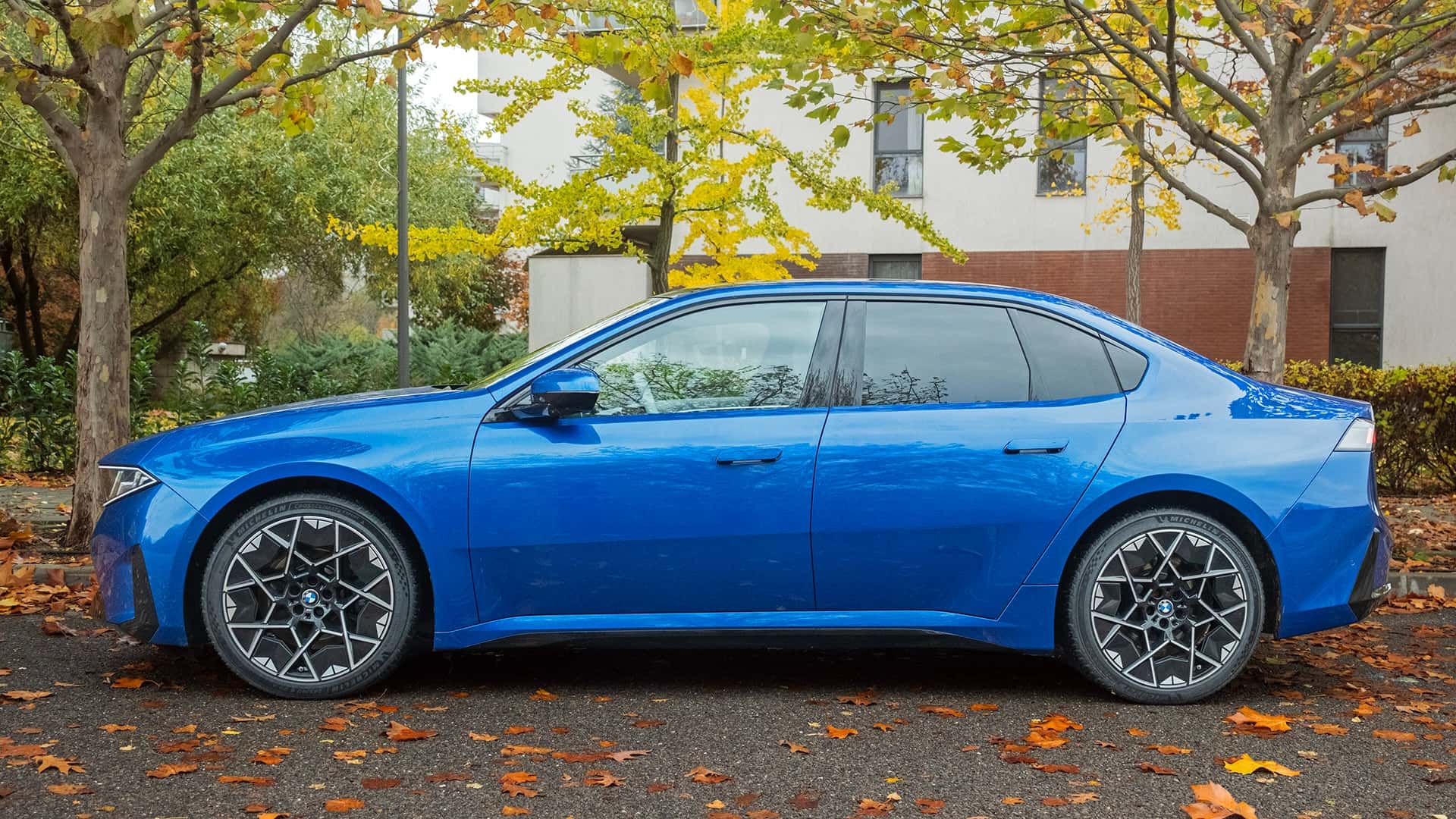
As the automotive landscape rapidly electrifies, the allure of the electric sedan continues to captivate consumers and manufacturers alike. These sleek, low-slung vehicles promise efficiency, dynamic handling, and a forward-thinking driving experience. However, a less-discussed ergonomic challenge is emerging as a critical consideration: the often-compromised **electric sedan rear passenger comfort**. For many, the experience of occupying the rear seats of these modern vehicles can be unexpectedly uncomfortable, despite ample headroom and shoulder room.

The core issue lies beneath the feet of passengers: the floor-mounted battery pack. This fundamental design choice, while offering significant advantages, inadvertently creates an awkward seating posture, leading to knees being uncomfortably high and thighs lacking proper support from the seat cushion.
Understanding the ‘Skateboard’ Platform Dilemma
The industry’s embrace of the ‘skateboard’ chassis design, where the large, flat battery pack is integrated into the vehicle’s floor, is driven by sound engineering principles. This configuration positions the heaviest component low in the vehicle, significantly enhancing stability and improving handling dynamics. It also efficiently packages a bulky battery without encroaching upon precious trunk space or the main passenger compartment.
However, the physical dimensions of the battery cells, their protective enclosure, and the intricate cooling hardware collectively add substantial thickness to the floor. This elevated floor level directly translates to a higher base for rear passengers’ feet, consequently raising their knees and reducing vital thigh support. What appears on paper to be an ingenious use of space can, in practice, detract from the long-term comfort of rear occupants, especially on extended journeys.

Sedans Versus Taller Electric Vehicles: A Design Conundrum
The impact of this floor height varies significantly across different vehicle segments. In taller electric crossovers or SUVs, designers have greater flexibility to raise the entire seating position, effectively mitigating the high floor issue. This allows for a more natural seating posture where the legs are less acutely bent, and thighs receive adequate support.
Conversely, in the design of a low-slung sedan or hatchback, such an adjustment is problematic. Raising the seats in proportion to the elevated floor would inevitably lead to rear passengers sitting too high, potentially causing their heads to brush against the headliner. Alternatively, raising the vehicle’s roof to compensate would undermine the very aerodynamic and aesthetic benefits that define the sedan form factor, making it visually similar to a crossover.
This inherent conflict means that in electric sedans, a compromise is almost always necessary, and it is frequently the rear passenger’s thigh support that is sacrificed.
Pioneering Solutions: ‘Foot Garages’ and Battery Repositioning
Recognising this critical ergonomic challenge, some manufacturers have developed innovative solutions to enhance **electric sedan rear passenger comfort**. Porsche, for instance, explicitly addressed this packaging conflict during the development of its Taycan electric sports sedan. Michael Mauer, Porsche’s design chief of the Taycan’s development, acknowledged back in 2019 the challenge of keeping passengers comfortable beneath a low roof when a large battery sits under the cabin. His team had to find a compromise between those competing demands in a production electric sports sedan. “We solved this with so-called ‘foot garages’,” he explained, referring to recesses in the battery that give rear passengers somewhere lower to put their feet. Mauer concluded that this engineering solution was “the greatest challenge,” but it is arguably very important because it preserves the Taycan’s low-slung stance and still gives you decent foot room. The Taycan’s sister vehicle, the Audi E-Tron GT, is identical in this regard.
These ‘foot garages’ — essentially cut-outs within the battery pack structure — allow rear passengers to place their feet at a lower, more comfortable level, thereby improving thigh support and overall seating ergonomics. This ingenious engineering solution demonstrates a commitment to maintaining the vehicle’s low-slung profile without unduly compromising interior comfort.
Reimagining Vehicle Architecture for Enhanced Comfort
The floor-mounted battery also contributes to why many electric sedans are marginally taller than their internal combustion engine (ICE) counterparts. This additional height accommodates the battery pack within the vehicle’s overall body, influencing the visual stance of models like the Polestar 2, which retains a traditional three-box sedan form but with a subtly increased body height.
While many manufacturers appear to accept this slight increase in height, as seen in models like the new BMW i3 and Mercedes-Benz C-Class Electric, there are notable exceptions pushing the boundaries of EV architecture. The Lucid Air Pure exemplifies a design where superior rear passenger room is achieved by strategically removing battery modules from the rear passenger footwell area. This design choice allows for a seating experience akin to a conventional combustion sedan.
Significantly, observers have noted that Air variants equipped with larger battery packs, such as the Grand Touring, exhibit a higher floor in the rear, resulting in reduced foot space and an elevated knee position. This directly illustrates the trade-off between battery capacity and passenger comfort.
Innovative Battery Placement and Future Prospects
Jaguar is adopting a similar strategy with its forthcoming Type-01 model. Engineers have relocated a row of battery modules from the rear passenger area to the front of the car. This innovative placement is facilitated by the Type-01’s exceptionally long hood and dash-to-axle ratio, providing ample space to integrate significant battery capacity without encroaching on rear passenger ergonomics.
The Polestar 5 also showcases a comparable setup, allowing it to achieve a body style and ride height that closely mirrors a combustion-powered vehicle. Further demonstrating this forward-thinking approach, Volvo, another Geely brand, has indicated that its SPA3 platform is designed with the flexibility to omit battery cells beneath passengers’ feet. This opens the door for the development of properly low electric wagons, promising an exciting future for diverse and comfortable electric vehicle designs, although a production commitment for such a wagon is yet to be made.
The Trade-Off: Capacity Versus Comfort
The ability to create more generous foot space and improve **electric sedan rear passenger comfort** often comes with a direct trade-off: a lower overall battery pack capacity. Engineering a thinner pack or implementing clever cut-outs can certainly help mitigate the issue, but these solutions inherently impact the total energy storage available for range.
For a substantial portion of the market, particularly individuals who frequently transport adult passengers, an awkward or uncomfortable seating position in the rear can be a significant deterrent. This ergonomic oversight could be a deal-breaker, pushing potential buyers towards higher-riding vehicles that offer superior rear passenger accommodation.
Therefore, prospective buyers of electric sedans are advised to meticulously evaluate the rear seating area. Sitting in the vehicle’s back seat, preferably behind their own driving position, is crucial. This practical assessment will reveal whether the seat cushion provides adequate thigh support and if the overall posture is comfortable for extended periods. The automotive industry faces an ongoing challenge to balance the imperatives of battery integration and vehicle dynamics with the fundamental requirement of passenger comfort, striving to ensure that the appeal of the electric sedan extends to every occupant.
Frequently Asked Questions (FAQ)
What causes the discomfort in the rear seats of some electric sedans?
The primary cause is the floor-mounted battery pack, integral to the ‘skateboard’ chassis design. This bulky component raises the floor level, pushing rear passengers’ feet higher. Consequently, their knees are elevated, leading to insufficient thigh support from the seat cushion and an overall awkward, folded seating posture, impacting **electric sedan rear passenger comfort**.
Why is this issue more pronounced in electric sedans compared to SUVs?
Sedans, by design, have a lower profile and roofline. In an SUV, designers have more vertical space to raise the seats, offsetting the higher floor from the battery. In a sedan, raising the seats would compromise headroom or necessitate a taller roof, which goes against the aerodynamic and aesthetic principles of a sedan.
What is a ‘foot garage’ in an electric vehicle?
A ‘foot garage’ refers to engineered recesses or cut-outs within the battery pack located under the rear passenger footwell. Pioneered by Porsche in the Taycan, these depressions allow rear passengers to place their feet at a lower, more natural position, thereby improving thigh support and overall **electric sedan rear passenger comfort** without increasing the vehicle’s overall height.
How do manufacturers like Lucid and Jaguar address rear passenger comfort?
Lucid, in its Air Pure and Touring variants, improves rear passenger room by removing battery modules from the footwell area. Jaguar’s new Type-01 achieves this by relocating battery modules from the rear to the front of the car, leveraging its long hood. These strategies directly aim to create more conventional and comfortable rear seating positions.
Is there a trade-off for better rear passenger comfort in electric sedans?
Yes, often there is a trade-off. Removing battery modules or creating recesses for footwells can lead to a lower overall battery pack capacity. This might result in a slightly reduced driving range compared to a design that prioritises maximum battery volume by extending the pack fully under the cabin, impacting the balance between ergonomics and range.
What should consumers look for when evaluating rear seats in an electric sedan?
Consumers should physically sit in the rear seats, preferably behind their own typical driving position. Pay close attention to thigh support – whether the seat cushion adequately supports the full length of your thighs. Also, assess footwell space, knee room, and overall posture. This practical test is crucial for gauging genuine **electric sedan rear passenger comfort**.