
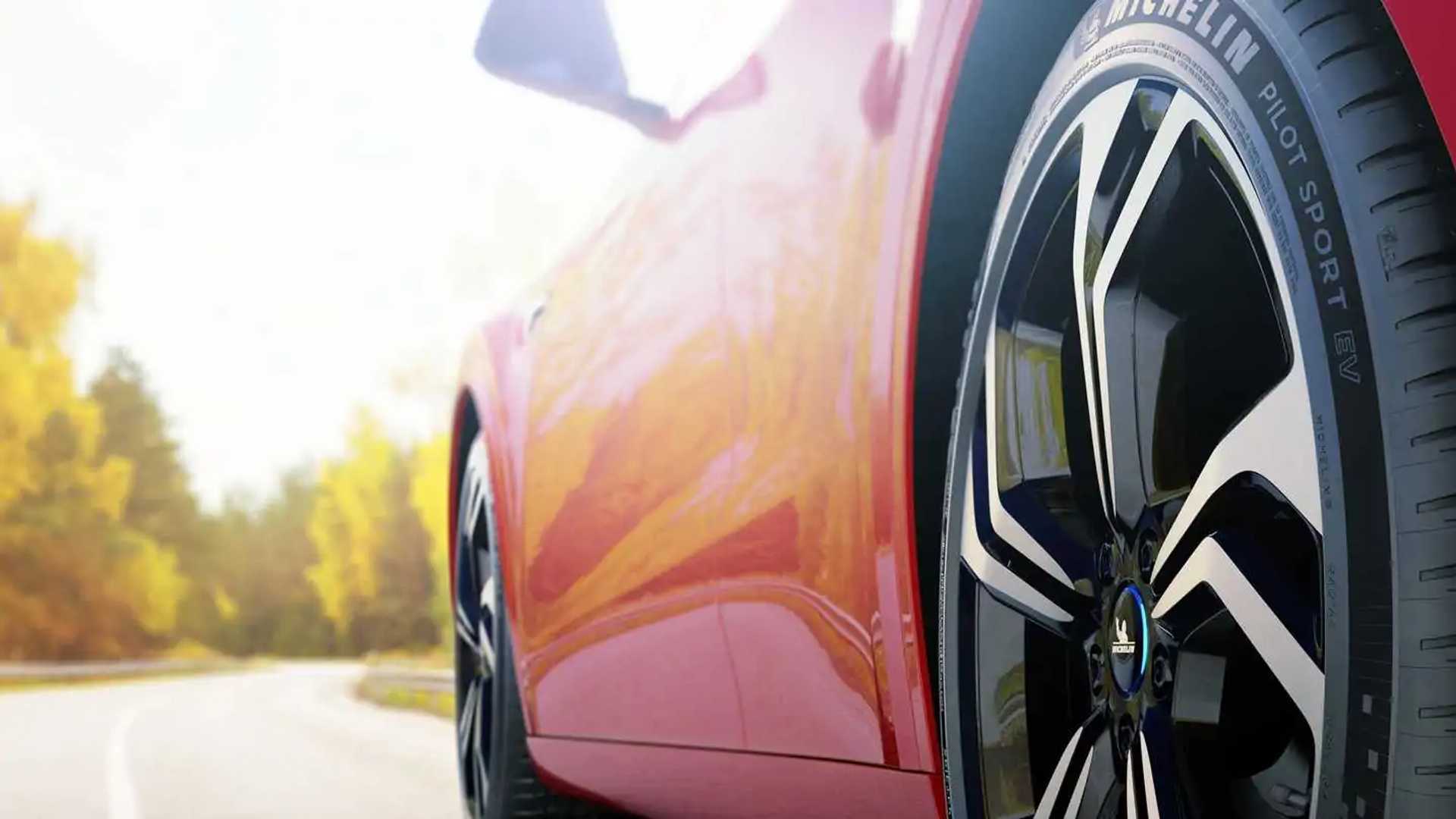
The surging popularity of electric vehicles (EVs) has brought numerous advantages, from reduced emissions to lower fuel costs. However, a frequently discussed topic among EV owners and automotive experts alike is the accelerated rate of EV tire wear. While EVs offer a departure from many traditional internal combustion engine (ICE) vehicle maintenance routines, the lifespan of their tires often presents a notable exception, leading to earlier-than-expected replacement expenses for some.
Key Takeaways on EV Tire Wear
- EVs generally exhibit higher tire wear due to increased vehicle weight and instant torque delivery compared to conventional cars.
- Multiple studies, though varied in scope, consistently indicate that electric vehicles experience greater tread degradation.
- Driving style remains a crucial factor, with aggressive acceleration and braking significantly shortening tire life in any vehicle, especially EVs.
- Specialized EV tires are engineered to mitigate wear, enhance durability, and manage noise, while also maintaining optimal range.
- Proper tire maintenance, including regular pressure checks and rotations, is essential for maximizing the lifespan of EV tires.
The Physics Behind Accelerated EV Tire Wear
The hypothesis that electric vehicles wear out tires faster is rooted firmly in physics. EVs inherently possess characteristics that exert greater stress on their tires:

Increased Vehicle Weight
Electric vehicles, particularly those with larger battery packs, are often significantly heavier than their gasoline or diesel counterparts. This additional mass translates to greater forces acting on the tires during acceleration, braking, and cornering. The tires must contend with this extra weight, which directly contributes to increased friction and, consequently, faster material degradation. For instance, a heavier vehicle requires more grip to maintain traction and dissipate kinetic energy when slowing down, intensifying the work performed by the tire treads.
Instantaneous Torque Delivery
One of the most thrilling aspects of driving an EV is the immediate and powerful surge of torque available from a standstill. Unlike ICE vehicles, which typically build torque progressively, electric motors deliver maximum torque almost instantly. While exhilarating, this rapid power delivery puts considerable strain on the tires, particularly during aggressive acceleration. The sudden application of high torque can cause micro-slippage between the tire and the road surface, accelerating the rate of EV tire wear. Germany’s prominent automobile association, ADAC, has noted that both vehicle weight and driver behaviour are primary contributors to increased tire wear. Interestingly, ADAC posits that while EVs possess immense torque, drivers do not consistently utilise its full potential, suggesting driving style may be a more dominant factor than torque alone.
Driving Style and Regenerative Braking
Beyond the inherent characteristics of EVs, how a vehicle is driven plays a pivotal role in tire longevity. Aggressive driving, characterised by sharp accelerations, hard braking, and fast cornering, will inevitably shorten tire life, regardless of the powertrain. While ADAC highlights this universal truth, EVs introduce an additional dynamic: regenerative braking. This system, which converts kinetic energy back into electricity, can also influence tire wear patterns. Though often smoother than friction braking, sustained regenerative braking or aggressive deceleration can still contribute to tire stress.

Empirical Evidence: What the Studies Show
Several studies and real-world data analyses have sought to quantify the extent of EV tire wear, often yielding results that support the common perception.
Korean Tread Wear Study (2022)
A 2022 study published in the journal *Science of the Total Environment* provided direct comparative evidence. Researchers in Korea meticulously measured the average tread wear rates for different vehicle types. The study found that the tested EV exhibited an average tread wear of 201.7 milligrams per kilometer. In contrast, a comparable gasoline car recorded 158.9 mg/km, and a diesel vehicle showed 167.4 mg/km. This indicates that the EV experienced approximately 27% higher wear than the gasoline car and 20% higher than the diesel vehicle under the controlled conditions of a 550-kilometer (341-mile) route. It is important to note that these findings are specific to the vehicles and conditions tested and may not apply universally across all EVs or driving scenarios.
Fleet Data from Epyx (2025 Reporting)
Real-world fleet management data offers another perspective on EV tire wear. In 2025, fleet management company Epyx reported on tire replacement trends for company cars. Their analysis indicated that electric company vehicles required their first tire replacement significantly earlier than their combustion-engine counterparts. On average, EV tires were replaced after approximately 23,100 kilometers (14,352 miles), while ICE vehicle tires lasted around 29,500 kilometers (18,333 miles). This represents a roughly 22% reduction in mileage between tire changes for EVs. However, Epyx acknowledged a limitation: their EV sample at the time skewed towards larger, heavier electric vehicles, which are inherently prone to faster tire wear than smaller cars, regardless of powertrain. This factor could partially explain the observed disparity.
Environmental Research on Particle Emissions (2026)
A 2026 study published in *Environmental Research* shifted focus to environmental impact, comparing electric and combustion versions of the same car model. The research indicated that, on average, EVs released about 31% more particles from their tires and the road surface. While this points to increased material degradation, it’s crucial to understand that particle emissions are not a direct measure of tire longevity. Higher particle release does not automatically equate to a 31% shorter tire lifespan, as the study measured the quantity of particles, not the functional duration of the tires.
Mechanika Study on Tire Lifespan Estimation (2026)
Another 2026 study, published in *Mechanika*, estimated that EV tires could last 35% to 62% fewer kilometers than tires on comparable combustion cars. However, this study’s methodology presented a challenge for direct comparison. The electric vehicles in the study predominantly engaged in city driving on a different route compared to the ICE vehicles. Stop-and-go urban driving is known to be significantly harder on tires than continuous cruising, making it difficult to isolate whether the observed accelerated wear was primarily due to the EV’s characteristics or the demanding driving conditions. Therefore, this study highlights the influence of driving environment on EV tire wear.
UTAC Testing for Industry Groups (ACEA and OICA)
Independent testing conducted by UTAC for the automotive industry groups ACEA and OICA provided a more controlled comparison. This test involved one electric BMW iX1 and five combustion BMW X1s, all driven together over an identical 15,000-kilometer (9,300-mile) route. The results showed that the iX1 EV indeed lost more rubber per kilometer than its combustion counterparts. However, once researchers adjusted for the iX1’s greater weight, the observed difference in tire wear largely disappeared. This critical finding suggests that in this specific comparison, the primary driver for additional EV tire wear was the vehicle’s mass rather than its electric powertrain characteristics alone.
The Role of EV-Specific Tires in Mitigating Wear
Recognising the unique demands placed on electric vehicle tires, manufacturers have developed specialised EV-specific tires designed to address these challenges holistically.
Engineered for Durability and Performance
These tires are constructed from the ground up to accommodate the inherent characteristics of electric vehicles. They feature reinforced structures and unique rubber compounds capable of handling the increased weight and instantaneous torque. Beyond durability, EV tires are also engineered for low rolling resistance to maximise the vehicle’s range, a critical factor for electric mobility. Tyre manufacturers like Michelin report significant durability improvements in their newer tire lines, specifically designed to withstand the additional weight and torque dynamics of EVs.
Noise Reduction Technology
Another crucial aspect of EV-specific tires is noise suppression. The near-silent operation of electric powertrains makes tire roar far more noticeable inside the cabin. To combat this, many EV tires incorporate advanced acoustic foam or special tread designs to minimise road noise. Michelin notes that while these features enhance comfort, a quieter tire does not automatically equate to a longer-lasting one, as noise reduction and wear resistance address different engineering objectives.
Versatility and Specifications
While EV-specific tires offer tailored solutions, ADAC advises that not all electric vehicles necessarily require them. Tires without an explicit ‘EV’ marking can be suitable, provided they meet the vehicle’s specific requirements for dimensions, speed rating, and crucially, load capacity. It is paramount for owners to ensure any replacement tire fully complies with the vehicle manufacturer’s specifications.
Maximising the Lifespan of Your EV Tires
Despite the propensity for faster EV tire wear, owners can adopt several practical strategies to extend the life of their tires, many of which mirror best practices for any vehicle.
Adopt a Smooth Driving Style
The most impactful factor in EV tire longevity is driving behaviour. Smooth accelerator inputs, gradual braking, and controlled cornering significantly reduce stress on the tires. Minimising aggressive starts and hard stops, especially given an EV’s instant torque, will directly translate to prolonged tire life. As Michelin’s tire care guidance highlights, driving style makes a significant difference.
Maintain Correct Tire Pressure
Proper tire inflation is fundamental to tire health and performance. Under-inflated tires increase rolling resistance, generate more heat, and lead to uneven wear, particularly on the shoulders. Over-inflation can reduce the contact patch, diminishing grip and causing excessive wear in the center of the tread. Regularly checking and maintaining the manufacturer-recommended tire pressure is a simple yet effective way to ensure even wear and optimal performance.
Regular Tire Rotation and Alignment Checks
Tires on different axles and sides of a vehicle wear at varying rates. Regular tire rotation, following the manufacturer’s guidance, helps distribute wear evenly across all four tires, thereby extending the overall lifespan of the set. Additionally, periodic wheel alignment checks are crucial to prevent irregular wear patterns caused by misaligned wheels, which can quickly degrade tires.
Inspect for Uneven Wear
Visually inspecting tires for signs of uneven wear (e.g., feathering, cupping, or excessive wear on one side) can flag potential issues like misalignment, improper inflation, or suspension problems before they lead to premature tire failure. Addressing these issues promptly can save significant replacement costs.
Conclusion
The notion that EVs wear tires faster is not a myth; it is supported by empirical evidence and fundamental physics. The combined effects of increased vehicle weight and instant torque, coupled with driving style, undeniably contribute to accelerated EV tire wear. However, the exact extent of this impact varies considerably based on the specific vehicle model, tire type, and crucial driving habits. While specialized EV tires offer advanced solutions, diligent maintenance and a conscientious driving approach remain the most potent tools for EV owners to maximise their tire longevity. As the electric vehicle market continues to evolve, understanding and managing EV tire wear will remain a key aspect of responsible ownership.
Frequently Asked Questions (FAQ) about EV Tire Wear
Q1: Why do electric vehicles tend to wear out tires faster than petrol cars?
Electric vehicles typically weigh more due to heavy battery packs, and their electric motors deliver instant, high torque. This extra weight and immediate power increase friction and stress on tires during acceleration, braking, and cornering, leading to faster degradation compared to most internal combustion engine vehicles.
Q2: Does regenerative braking contribute to increased EV tire wear?
Regenerative braking primarily uses the electric motor to slow the vehicle, reducing the reliance on traditional friction brakes. While it can reduce wear on brake pads, some aggressive regenerative braking profiles or specific driving styles can still exert significant forces on the tires, potentially influencing wear patterns, though often less harshly than friction braking.
Q3: Are EV-specific tires really necessary for electric vehicles?
EV-specific tires are engineered to address the unique demands of electric vehicles, including heavier loads, instant torque, and the need for lower rolling resistance for range. They also often incorporate noise reduction. While not always strictly necessary if a standard tire meets load and speed specifications, EV-specific tires are designed for optimal performance and potentially longer life in electric vehicles.
Q4: How can I make my EV tires last longer?
To extend EV tire life, adopt a smooth driving style, avoiding aggressive acceleration and hard braking. Regularly check and maintain recommended tire pressures, and adhere to manufacturer guidelines for tire rotation. Periodic wheel alignment checks are also crucial to prevent uneven wear and maximise tire longevity.
Q5: Is vehicle weight the only factor in faster EV tire wear?
No, vehicle weight is a significant factor, but it’s not the only one. Instantaneous torque delivery, aggressive driving style, and the specific design of the tires (e.g., rubber compound, tread pattern) also play crucial roles in determining the rate of EV tire wear. These factors interact to influence the overall lifespan of electric vehicle tires.
Q6: What should I look for when buying new tires for my electric vehicle?
When purchasing new tires for an EV, prioritise those that meet or exceed the vehicle’s load capacity and speed rating. Consider tires with low rolling resistance for better range and durability for longevity. Checking reviews for performance in wet conditions and noise levels is also advisable, especially if you opt for non-EV specific models.
Q7: Do studies consistently show that EVs wear tires faster, or are results mixed?
Most studies and real-world fleet data tend to indicate that EVs experience faster tire wear than comparable ICE vehicles. However, the exact percentage of accelerated wear varies significantly across different studies due to varying methodologies, vehicle types, driving conditions, and measurement techniques. The consensus points towards faster wear, but the magnitude is variable.