
Key Takeaways
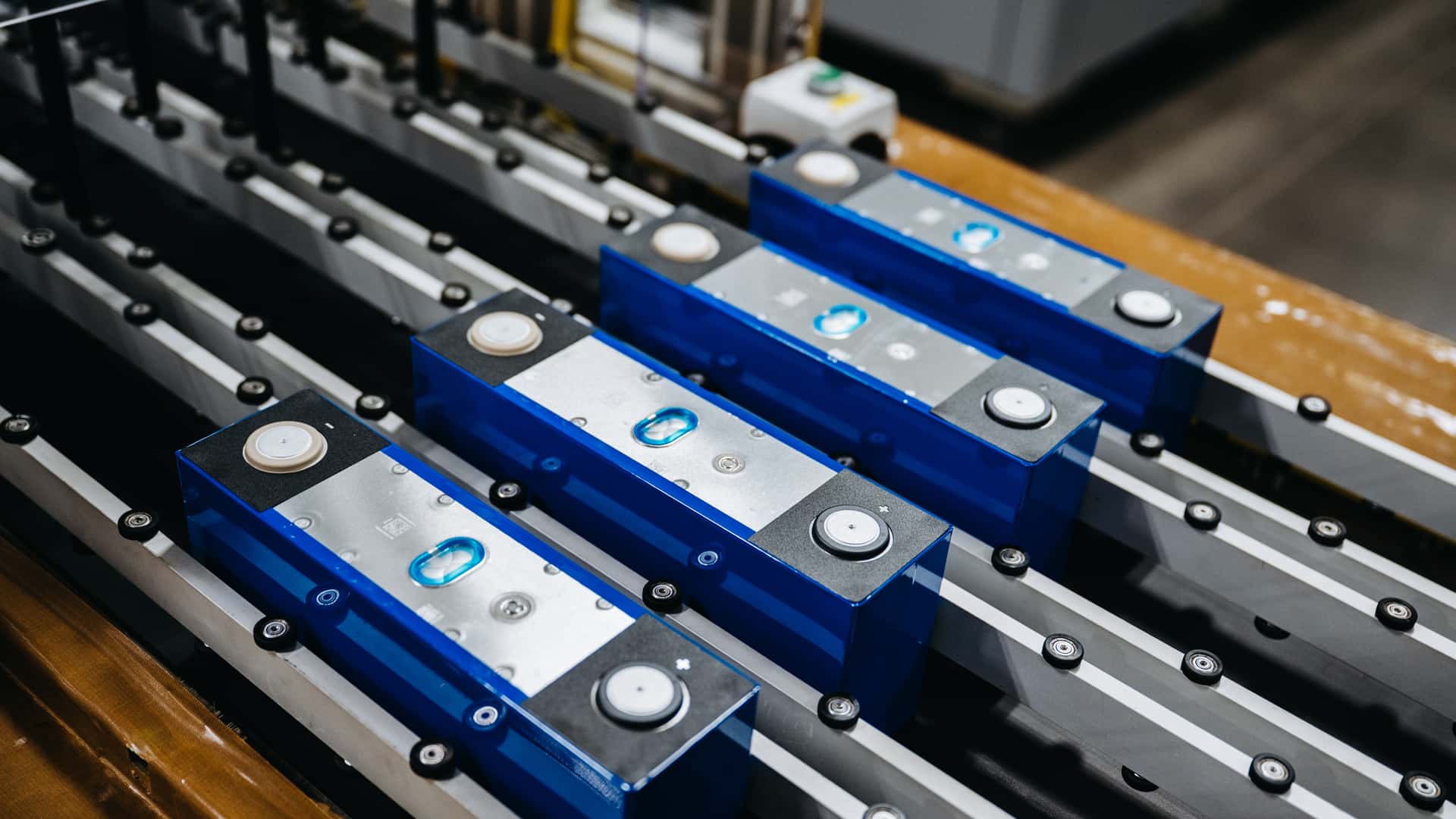
- Ford has commenced production of low-cost lithium-iron-phosphate (LFP) battery packs at its BlueOval Battery Park Michigan.
- This marks the first time LFP batteries for mainstream consumer vehicles are being manufactured domestically in the U.S.
- The 2 million-square-foot facility in Marshall, MI, boasts an annual capacity of 20 gigawatt-hours and is vertically integrated.
- These production-grade LFP batteries will power prototypes of the upcoming Ford Fathom electric truck, with full-scale manufacturing slated for next year.
- The plant operates under a licensing agreement with China’s CATL but is fully Ford-owned and adheres to Inflation Reduction Act (IRA) rules, ensuring materials are not sourced from Foreign Entities of Concern.
- The move is critical for the Ford Fathom’s affordability and for strengthening the U.S. electric vehicle supply chain.
MARSHALL, MICHIGAN – In a significant stride for domestic electric vehicle (EV) manufacturing, Ford Motor Company has officially initiated production of advanced, low-cost lithium-iron-phosphate (LFP) battery packs at its state-of-the-art BlueOval Battery Park Michigan. This pivotal moment, unfolding at the $3 billion facility located just west of Detroit, is set to redefine the supply chain for future EVs, most notably the highly anticipated Ford Fathom electric truck.
The manufacturing commencement signifies a critical milestone, with production-grade LFP batteries now being shipped from the facility for rigorous testing in early Ford Fathom prototypes. This crucial phase precedes the planned full-scale manufacturing of these innovative power units, which is expected to ramp up considerably next year.

A Pivotal Moment for US Battery Production
Ford’s BlueOval Battery Park Michigan stands as a landmark achievement, distinguishing itself as the inaugural plant in the United States dedicated to manufacturing LFP batteries specifically for mainstream consumer vehicle applications. This move represents a strategic pivot towards diversifying battery chemistry and localizing production, aiming to enhance affordability and resilience within the burgeoning EV market.
While other entities, such as LG Energy Solution, do produce LFP batteries in the U.S., their output is primarily directed towards stationary energy storage systems, supplying companies like General Motors and Tesla. Ford’s sprawling 2 million-square-foot facility, however, is exclusively committed to the large-scale production of automotive-grade LFP batteries, a distinction that carries substantial implications for the American automotive industry.
Inside the BlueOval Battery Park Michigan: A Hub of Innovation
The operational capabilities of the Marshall plant underscore Ford’s commitment to advanced manufacturing and efficiency. The facility boasts an impressive annual production capacity of 20 gigawatt-hours, capable of manufacturing approximately 50 battery packs every hour once fully operational. This high-volume output is fundamental to meeting the anticipated demand for vehicles like the Ford Fathom.

A hallmark of the BlueOval Battery Park Michigan is its vertically integrated production process. Raw materials, including lithium and iron-phosphate powder, enter one end of the facility, undergoing a comprehensive transformation. All critical stages of battery production—from anode and cathode manufacturing to various intricate intermediate processes—are meticulously executed within the plant, culminating in fully assembled, ready-to-install battery packs emerging from the other end.
Accelerating the EV Transition: The Ford Fathom’s Core
The establishment of domestic LFP battery production is intricately linked to Ford’s aggressive strategy to accelerate its electric vehicle roadmap. Alan Clarke, Ford’s vice president of advanced development projects, underscored the unprecedented pace of these developments during a recent media roundtable at the BlueOval Battery Park Michigan.
Clarke highlighted the swift progression in bringing the Ford Fathom to market, citing the simultaneous development of an entirely new Universal EV Platform that will underpin future Ford electric vehicles. Concurrently, the company has established a new production system at the Louisville Assembly Plant and successfully initiated domestic LFP battery production.
Reflecting on this rapid progress, Clarke stated, “Not having a team that existed to have a battery factory, a unicasting factory, an entirely new most automated vehicle production facility that Ford’s ever produced in less than five years would be I think faster than China speed.” His extensive experience, including 12 years at Tesla where he contributed to the creation of the Model S and subsequent development work on the Model X, Model Y, Model 3, and Cybertruck, lends weight to his assessment of Ford’s accelerated timeline.
Strategic Partnership with CATL and IRA Compliance
The advanced nature of Ford’s LFP plant is partly attributable to a strategic licensing agreement with China’s Contemporary Amperex Technology Co. Limited (CATL), recognized globally as the largest and most advanced battery manufacturer. This partnership allows Ford to leverage cutting-edge technical expertise, addressing a historical gap where the U.S. has lagged behind countries like China and in Europe in battery technology innovation.
While the technology originates from CATL, Ford officials have confirmed that the new plant is fully compliant with the stringent rules of the U.S. Inflation Reduction Act (IRA). A critical aspect of this compliance is ensuring that raw materials utilized in the battery production process are not sourced from what the U.S. government designates as Foreign Entities of Concern (FEOCs), which include nations like China, Russia, and North Korea. This adherence is vital for accessing federal incentives and bolstering a secure domestic supply chain, despite China’s dominant position in the global critical materials supply chain.
The BlueOval Battery Park Michigan is wholly owned and operated by Ford, maintaining full control over its operations. However, CATL engineers have played an instrumental role in assisting Ford with the intricate setup of thousands of complex production tools. Furthermore, they are actively involved in training the workforce to operate high-tech equipment and implementing rigorous quality control systems, all aimed at delivering the affordable EV promised by Ford.
Significantly, the prismatic LFP cell design produced at the Michigan plant is unique to Ford and does not currently exist within CATL’s global product portfolio. Meng Wang, the director and chief engineer of battery cell industrialization at Ford, articulated the value of the collaboration, saying, “To shorten our time to market, we decided to learn from the best. Throughout the process, CATL passed on critical knowledge to Ford, including the equipment functions, manufacturing process, and also quality controls.”
Looking Ahead: The Ford Fathom’s Market Entry
With the commencement of domestic LFP battery production, Ford is firmly on track to bring the Ford Fathom electric truck to market. Preorders for the innovative vehicle are anticipated to begin in early 2027, with production and customer deliveries projected to commence by the end of next year. This timeline positions the Ford Fathom as a key offering in the evolving electric truck segment.
The successful launch of battery production at the BlueOval Battery Park Michigan represents more than just a new facility; it embodies Ford’s strategic vision for a sustainable, domestically sourced electric future. It underscores a commitment to innovation, supply chain independence, and the mass production of accessible electric vehicles, positioning the company as a formidable player in the global EV landscape.
Frequently Asked Questions (FAQ)
What is the significance of Ford starting LFP battery production in the U.S.?
This initiative marks the first time low-cost lithium-iron-phosphate (LFP) batteries for mainstream consumer vehicles are being manufactured domestically in the U.S. It is crucial for lowering EV costs, diversifying battery supply chains, and reducing reliance on foreign sources, directly impacting the affordability and market availability of the Ford Fathom electric truck.
Where is Ford’s BlueOval Battery Park Michigan located?
The BlueOval Battery Park Michigan is situated in Marshall, Michigan, approximately two hours west of Detroit. This strategic location places the advanced battery manufacturing facility within America’s traditional automotive heartland, leveraging existing industrial infrastructure and skilled labor.
What is the production capacity of the new Ford battery plant?
The facility boasts an impressive annual production capacity of 20 gigawatt-hours (GWh). It is designed for high-efficiency manufacturing, with the capability to produce up to 50 battery packs per hour once it reaches its full operational capacity, ensuring a robust supply for future Ford electric vehicles.
How does Ford ensure compliance with the Inflation Reduction Act (IRA)?
Ford has affirmed that the BlueOval Battery Park Michigan is fully compliant with the IRA regulations. This involves meticulous sourcing of raw materials, ensuring they do not originate from designated Foreign Entities of Concern (FEOCs) such as China, Russia, or North Korea, thereby qualifying for federal incentives and strengthening domestic supply chain integrity.
What role does China’s CATL play in Ford’s LFP battery production?
Ford has a licensing deal with CATL, the world’s largest battery maker, to leverage their technical expertise. CATL engineers have provided critical knowledge, assisted in setting up production tools, and are training workers. However, the plant is fully owned and operated by Ford, and the prismatic LFP cell itself is a unique Ford design.
When is the Ford Fathom electric truck expected to be available?
Preorders for the Ford Fathom electric truck are slated to commence in early 2027. Production and subsequent customer deliveries are anticipated to begin by the end of next year (2024), indicating a rapid transition from prototype testing to full market availability following the domestic battery production kickoff.
Why are LFP batteries considered a ‘big deal’ for Ford?
LFP batteries offer several advantages, including lower cost, enhanced safety, and longer cycle life compared to traditional nickel-cobalt-manganese (NCM) batteries. Their domestic production for the Ford Fathom and other mainstream consumer vehicles will allow Ford to offer more affordable EVs, broadening market appeal and accelerating EV adoption in the U.S. market.