
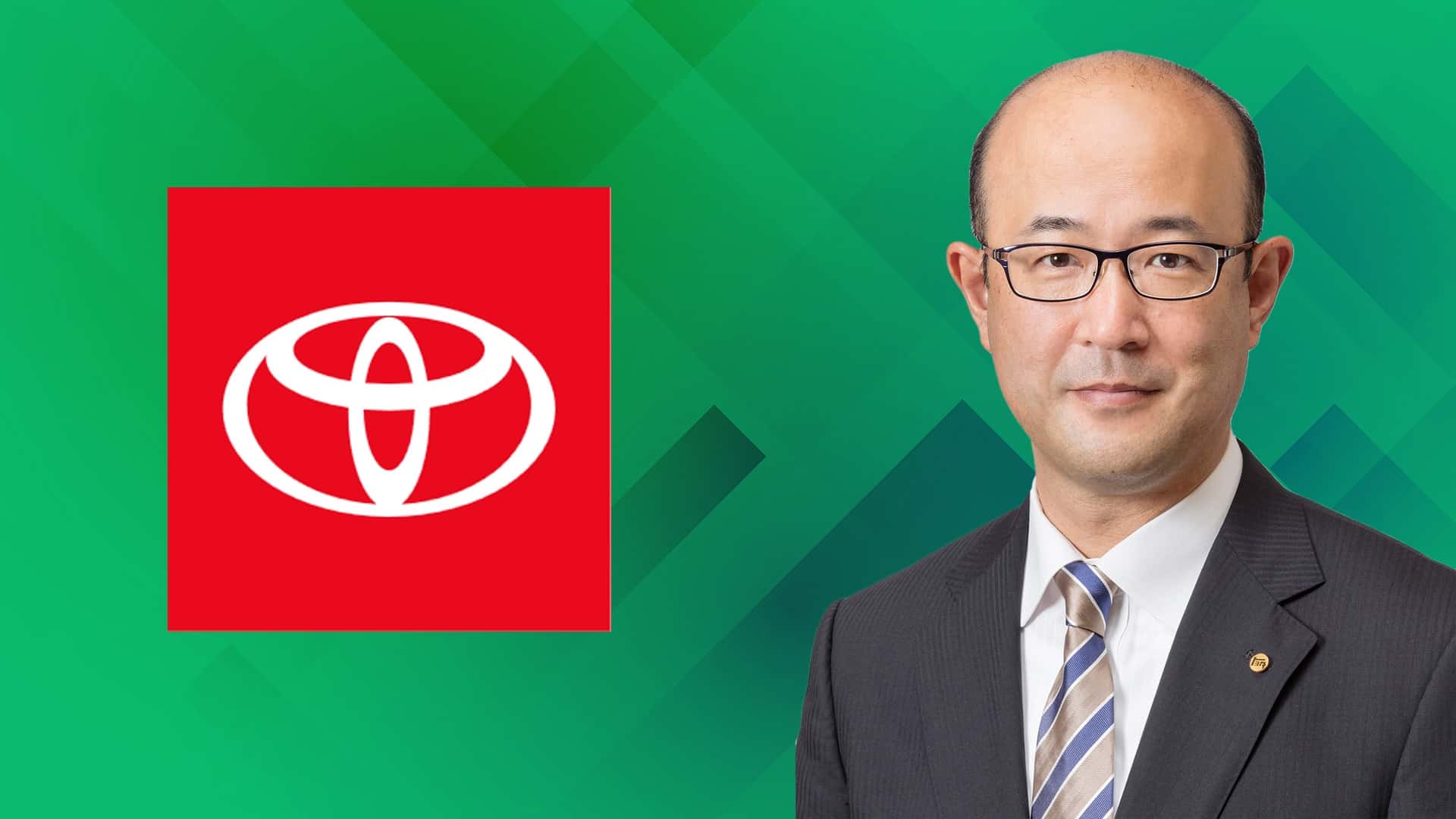
Toyota, the world’s largest automaker, is set to undergo a significant leadership transition with the appointment of Kenta Kon as its new President and Chief Executive Officer, effective April 1. This change marks a departure from the company’s recent leadership, with Koji Sato stepping down after just three years as CEO. Sato, who took over from Akio Toyoda in January 2023, will move to the roles of Vice Chairman and Chief Industry Officer (CIO).
Leadership Shift and Strategic Focus
The appointment of Kon, currently Toyota’s Chief Financial Officer, signals a potential shift in the company’s strategic priorities. Kon is recognized for his significant contributions to Toyota’s profitability. This transition is notable as it places a financial expert at the helm for the first time since 2009, moving away from leaders with deep engineering or racing backgrounds that characterized previous tenures. In his new capacity, Sato will concentrate on broader industry trends, while Kon will focus on internal management and operational execution.

Yoichi Miyazaki, an Operating Officer, will assume Kon’s CFO responsibilities while retaining his current role, also effective April 1.
Addressing Global Competition and EV Landscape
In a press conference addressing the leadership change, Kon acknowledged the intense competition within the automotive industry, particularly from Chinese rivals. “As the automotive industry faces a challenging business environment, there is a growing need to accelerate practical initiatives for industry collaboration to strengthen international competitiveness,” he stated. Kon emphasized his role in fostering an environment where Toyota’s engineers can pursue innovation freely, stating, “My role is to create a robust investment environment where they can freely experiment with various ideas.”
Kon also serves as CFO for Woven by Toyota, the company’s advanced software division. This strategic move is seen by some analysts as a measure to bolster Japan’s automotive sector, which is heavily reliant on Toyota’s performance and extensive supply chain. The company’s proactive stance aims to counter the growing influence of Chinese automakers like BYD.

Performance Under Previous Leadership
During Koji Sato’s tenure, Toyota pursued its ‘multi-pathway’ approach to powertrains, a strategy that saw the company’s shares increase by 111%. While many automakers heavily invested in electric vehicles (EVs), Toyota maintained a diversified approach, which proved resilient amidst shifting policies and trade dynamics. Despite this strategy, Toyota has been steadily expanding its electric vehicle offerings and has plans to further develop its EV portfolio in the coming years.