
Key Takeaways
- Effective battery thermal management is paramount for electric vehicle (EV) safety, performance, and longevity.
- Advanced materials like adhesives, gap fillers, and protective coatings are critical in managing heat and safeguarding battery components.
- Engineers face challenges such as thermal runaway, performance degradation, and design complexities, which innovative material science can address.
- Early integration of smart material choices into the battery design process is crucial for optimizing overall system efficiency and cost-effectiveness.
- A forthcoming webinar by H.B. Fuller will delve into how these specialized materials are transforming battery design for a safer and more reliable EV future.
In the rapidly evolving landscape of electric vehicles, the performance, safety, and longevity of battery systems hinge significantly on one critical factor: battery thermal management. Far from being a mere auxiliary system, the sophisticated control of temperature within battery packs is foundational to unlocking their full potential and mitigating inherent risks.
As EV technology progresses, the demand for higher energy density, faster charging capabilities, and extended lifespans intensifies. These advancements, however, invariably place greater thermal stress on battery components, making intelligent thermal management an indispensable element of modern EV engineering. Without a robust strategy, batteries can suffer from reduced efficiency, accelerated degradation, and, in extreme cases, catastrophic thermal runaway events.

The Imperative of Thermal Management in Electric Vehicles
The operational environment for EV batteries is inherently demanding. Optimal performance for lithium-ion batteries, which dominate the EV market, typically falls within a narrow temperature range. Exceeding or falling below this range can have severe consequences, impacting everything from vehicle range to charging speed and overall battery health.
High temperatures can accelerate degradation reactions within the battery cells, leading to a permanent loss of capacity and power. This significantly shortens the lifespan of the battery pack, a major component cost in an EV. Moreover, uncontrolled heat can trigger thermal runaway, a dangerous chain reaction that can result in fire or explosion, posing serious safety concerns for occupants and emergency responders alike.
Conversely, excessively low temperatures can impede battery performance by increasing internal resistance, reducing available power, and slowing down charging times. An effective battery thermal management system ensures that the battery operates within its ideal temperature window, thereby maximizing energy efficiency, extending cycle life, and guaranteeing consistent power delivery.

Beyond Conventional Cooling: The Role of Advanced Materials
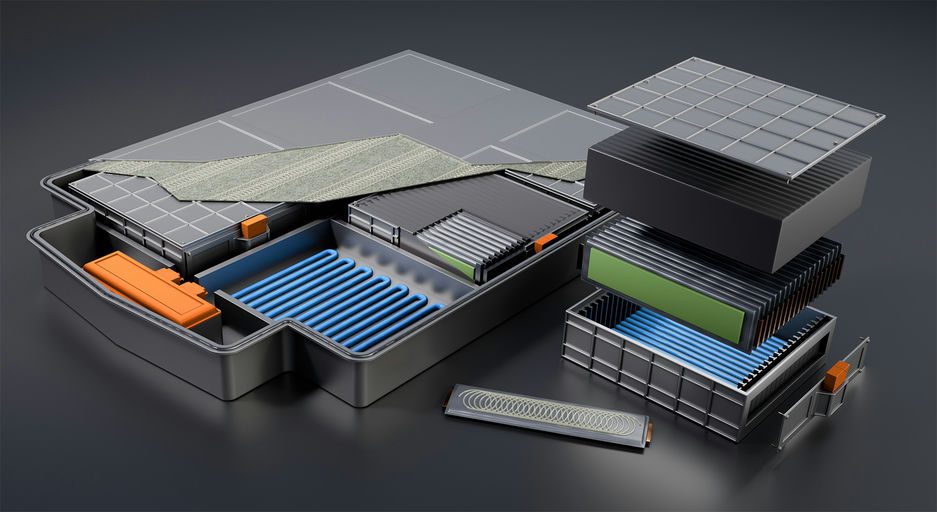
Traditionally, thermal management has often been associated with active cooling systems involving liquid coolants or forced air. However, a parallel revolution is occurring in the realm of material science, where advanced adhesives, gap fillers, and protective coatings are being engineered to integrate thermal management directly into the battery’s structural design.
These specialized materials serve multiple crucial functions. Thermal gap fillers, for instance, are designed to efficiently transfer heat away from individual battery cells to a cooling plate or heat sink. They fill microscopic air gaps between components, which would otherwise act as insulating barriers, thereby improving thermal conductivity across the module.
Adhesives do more than just bond components; modern thermal adhesives can also play a dual role in both structural integrity and heat dissipation. They can provide robust mechanical support while simultaneously facilitating heat transfer, ensuring that critical components remain securely in place even under extreme vibrations and temperature fluctuations.
Protective coatings, on the other hand, can offer electrical insulation and enhance resistance to environmental factors like moisture and dust, all while contributing to the overall thermal stability of the battery pack. By strategically selecting and integrating these materials, engineers can create battery designs that are not only structurally sound but also inherently more thermally efficient and safer.
Navigating Engineering Complexities in Battery Design
Battery engineers face a myriad of challenges when designing packs for electric vehicles. These include strict weight limits, space constraints, cost pressures, and the need for high-volume, repeatable manufacturing processes. Integrating advanced thermal materials early in the design phase can significantly alleviate many of these complexities.
For example, using lightweight thermal interface materials can reduce the overall mass of the battery pack, contributing to better vehicle efficiency and range. Custom-formulated adhesives can simplify assembly processes, reducing manufacturing time and costs, while also providing superior long-term reliability under demanding operating conditions. Addressing issues like thermal expansion and contraction, common in battery packs, requires materials that can withstand repeated stress cycles without losing performance or structural integrity.
Furthermore, the inherent complexity of managing heat generation across thousands of individual cells within a large battery pack necessitates a holistic approach. Innovative material solutions offer granular control over thermal pathways at the cell and module level, preventing localized hot spots that could compromise the entire system.
Custom Solutions: Partnering for Innovation
The diverse range of battery chemistries, cell formats, and vehicle architectures means that a one-size-fits-all approach to battery thermal management is rarely effective. This is where specialized material science companies, like H.B. Fuller, play a pivotal role, collaborating closely with original equipment manufacturers (OEMs) and battery developers.
Through such partnerships, custom-formulated adhesive solutions are developed, precisely tailored to unique battery design and manufacturing needs. This collaborative process involves understanding specific thermal requirements, mechanical stresses, chemical compatibility, and production line constraints. The goal is to co-create materials that not only meet stringent performance criteria but also integrate seamlessly into existing or future manufacturing processes.
This bespoke approach allows for the optimization of material properties—such as thermal conductivity, viscosity, curing time, and adhesion strength—to achieve optimal thermal performance, enhanced safety features, and improved manufacturability for each distinct battery system.
Strategic Design: The Advantage of Early Integration
The importance of making smart design decisions early in the development process cannot be overstated. Proactive material selection for battery thermal management can significantly impact the final product’s performance, safety, and cost-efficiency. Retrofitting thermal solutions into an already established design often leads to compromises in performance, increased complexity, and higher costs.
By considering advanced materials from the initial conceptualization phase, engineers can unlock greater design freedom, optimize packaging, and potentially reduce the reliance on more complex and expensive active cooling systems. Early material integration also allows for comprehensive testing and validation, ensuring that the chosen solutions meet all regulatory and performance benchmarks before mass production.
This strategic foresight ensures that the battery pack is not just a collection of cells but a fully integrated, thermally optimized system engineered for maximum efficiency and reliability throughout its operational life.
The Broader Context: Virtual Conference on EV Engineering
This critical discussion on battery thermal management forms part of a larger, comprehensive event: the Virtual Conference on EV Engineering. Scheduled to be broadcast live from September 14 to 17, 2026, the conference will cover the entire EV engineering supply chain and ecosystem. Attendees can explore a wide array of topics crucial to the advancement of electric mobility.
The conference content will delve into vital areas such as motor and power electronics design and manufacturing, cutting-edge cell development, sophisticated battery systems, rigorous testing methodologies, and advanced powertrains. Further sessions will address specialized topics including thermal management, circuit protection, wire and cable solutions, and electromagnetic interference (EMI/EMC) considerations.
This extensive program underscores the interdisciplinary nature of EV development, highlighting how advancements in one area, such as materials for battery thermal management, often have ripple effects across the entire ecosystem. The conference offers a unique platform for industry professionals to gain insights into the latest innovations and collaborate on future solutions for electric vehicles.
Exclusive Webinar: Battery Thermal Management by Design
Engineers and industry professionals are invited to join Mekiyah Bailey and Jeremy Chang from H.B. Fuller for an engaging introduction to the world of battery thermal management. This insightful session promises to illuminate how advanced adhesives, gap fillers, and protective coatings are fundamentally transforming battery design. Participants will learn how these material innovations are instrumental in managing heat, improving performance, and significantly enhancing battery safety.
This free webinar is scheduled for September 17, 2026, at 10:30 am EDT. It offers an invaluable opportunity for both those new to battery technology and seasoned experts looking to deepen their understanding of how intelligent material choices can profoundly impact the future of safer, more reliable battery technologies. Registration is now open.
The future of electric vehicles is intrinsically linked to the efficacy of their battery systems. By embracing advanced materials and intelligent design principles for battery thermal management, the industry can pave the way for a new generation of EVs that are not only more powerful and efficient but also demonstrably safer and more sustainable.
Frequently Asked Questions (FAQ)
Why is battery thermal management crucial for EVs?
Effective battery thermal management is crucial because it directly impacts battery safety, performance, and lifespan. Maintaining an optimal temperature range prevents thermal runaway, enhances energy efficiency, ensures consistent power delivery, and extends the battery’s overall operational life, which is vital for electric vehicle reliability.
How do advanced materials contribute to battery thermal management?
Advanced materials like thermal gap fillers, adhesives, and protective coatings facilitate heat dissipation and insulation within battery packs. Gap fillers efficiently transfer heat from cells to cooling systems, while thermal adhesives provide structural integrity and aid heat conduction. Protective coatings offer additional insulation and environmental resistance, collectively enhancing thermal stability and safety.
What challenges do battery engineers face with thermal management?
Battery engineers grapple with challenges such as preventing thermal runaway, optimizing performance in varied climates, managing complex heat distribution across numerous cells, and addressing cost and weight constraints. Innovative material solutions are essential for balancing these factors, integrating thermal control seamlessly into compact and efficient battery designs.
What is the benefit of making early design decisions regarding materials?
Making smart design decisions early, particularly concerning advanced thermal materials, is critical. This approach allows for greater optimization of battery pack design, potentially reduces the need for complex cooling systems, lowers overall manufacturing costs, and ensures that the battery system meets stringent safety and performance standards from the outset, avoiding costly retrofits.
Who is H.B. Fuller, and what is their role in battery technology?
H.B. Fuller is a global manufacturer of adhesives, sealants, and specialty chemical products. In the context of battery technology, they partner with EV manufacturers to develop custom-formulated adhesive and material solutions for battery thermal management, structural bonding, and protection, contributing significantly to enhancing the safety, performance, and durability of EV battery packs.