
Key Takeaways
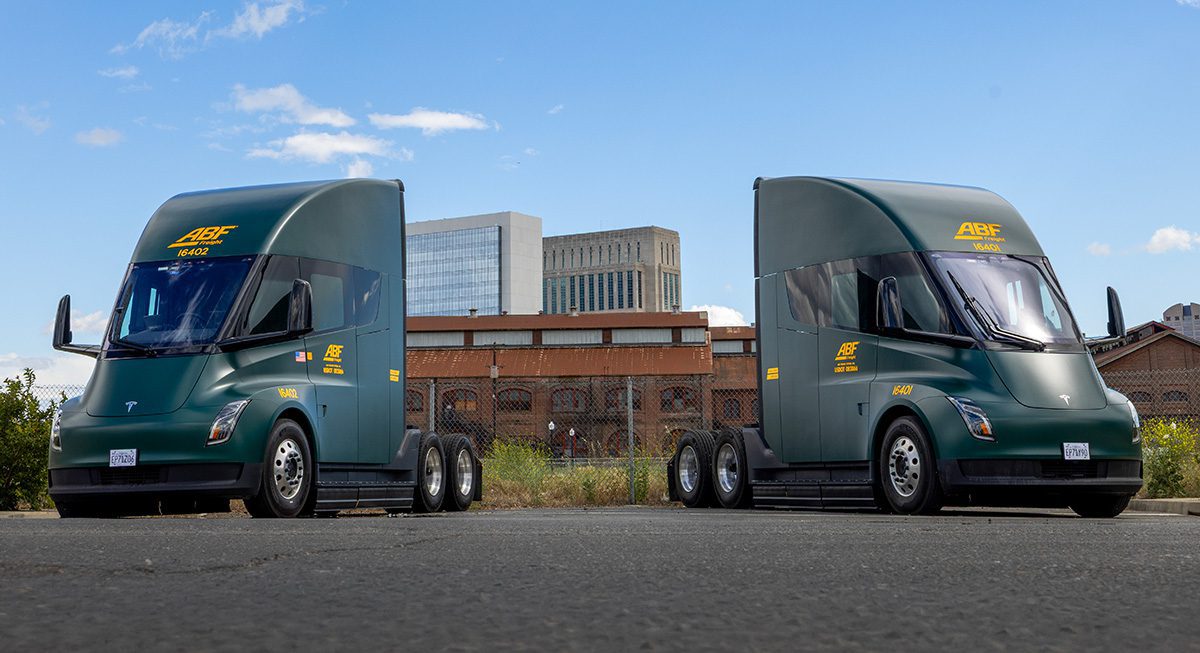
- Integrated logistics firm ArcBest has acquired two Tesla Semi Class 8 electric trucks for its less-than-truckload (LTL) carrier, ABF Freight.
- This acquisition follows a successful 2025 pilot program primarily conducted in the Reno-Sacramento corridor, which yielded positive driver feedback and an average energy efficiency of 1.55 kWh per mile.
- ABF Freight is now expanding its Tesla Semi evaluation to a broader segment of its operational network, aiming to benchmark the electric trucks against its existing diesel fleet.
- The comprehensive evaluation will focus on total cost of ownership, operational efficiency, safety, and employee experience under diverse operating conditions.
- This strategic move by ArcBest underscores the increasing momentum towards electrification within the heavy-duty trucking sector and highlights the industry’s commitment to sustainable and technologically advanced logistics solutions.
Fort Smith, Arkansas — In a significant stride towards sustainable logistics, ArcBest, a prominent integrated logistics company, has announced the acquisition of two Tesla Semi Class 8 electric trucks for its less-than-truckload (LTL) carrier, ABF Freight. This move signals a deliberate expansion of the company’s ongoing Tesla Semi evaluation, positioning ABF Freight at the forefront of exploring heavy-duty electric vehicle capabilities within real-world freight operations.

The decision to procure the electric vehicles comes after a successful pilot program in 2025, which provided valuable insights into the Tesla Semi’s performance. The broader deployment aims to rigorously assess the electric trucks across various operational parameters before committing to further investments in electric heavy-duty trucks.
Initial Pilot Success and Key Findings
The foundational 2025 pilot program was instrumental in demonstrating the initial viability of the Tesla Semi within ABF Freight’s demanding operational environment. Conducted primarily along the high-traffic Reno-Sacramento corridor, this initial Tesla Semi evaluation focused on understanding the electric truck’s foundational capabilities and limitations.
During this critical phase, the Tesla Semi achieved an impressive average energy efficiency of approximately 1.55 kilowatt-hours (kWh) per mile. This metric is crucial for assessing the operational economics of electric heavy-duty vehicles, directly impacting potential energy cost savings and overall fleet efficiency.

Traversing Challenging Terrain: The Donner Pass Feat
A notable highlight from the pilot involved the Tesla Semi’s performance on challenging routes, including the formidable 7,200-foot climb over the Donner Pass. This geographical test provided crucial data on the electric truck’s power, regenerative braking capabilities, and battery management systems under strenuous conditions, areas where electric vehicles sometimes face scrutiny.
The successful navigation of such demanding terrain underscores the Tesla Semi’s engineering prowess and its potential suitability for diverse freight routes that typically challenge traditional diesel counterparts. It suggests that the electric Class 8 truck can handle significant elevation changes without major compromises in performance.
Driver Experience: A Key Metric
Beyond technical specifications, driver feedback emerged as overwhelmingly positive during the pilot. Operators highlighted several key aspects, including superior visibility from the central driving position, enhanced comfort during long hauls, and the overall responsive performance of the vehicle. This positive sentiment from those on the front lines is a critical factor in the adoption of new technologies, directly influencing employee satisfaction and driver retention in a competitive industry.
The emphasis on driver experience, particularly in terms of comfort and operational ease, is vital for long-distance trucking. Positive feedback enhances the appeal of electric heavy-duty vehicles and helps mitigate potential resistance to technological shifts within the workforce, making the Tesla Semi evaluation even more compelling.
Expanding the Evaluation: A Strategic Move
With the promising results from the initial pilot, ABF Freight is now poised to broaden the scope of its Tesla Semi evaluation. The company plans to deploy the electric trucks across a wider segment of its extensive network, encompassing diverse lanes and involving additional driver groups. This strategic expansion is designed to provide a more holistic understanding of the electric trucks’ capabilities under varied real-world operating conditions.
This phase of the Tesla Semi evaluation will be crucial for gathering comprehensive data on factors such as charging infrastructure requirements, route optimization for electric vehicles, and long-term battery degradation. The insights gained will inform future investment decisions and fleet management strategies for ABF Freight.
Comprehensive Benchmarking Against Diesel Counterparts
A core component of this expanded evaluation involves benchmarking the electric trucks against ABF Freight’s established diesel fleet. This comparison will adopt the company’s rigorous approach to assessing total cost of ownership (TCO), operational efficiency, safety protocols, and overall employee experience. TCO, in particular, will consider not just initial purchase price but also fuel/energy costs, maintenance expenses, and potential government incentives or carbon credit benefits.
By applying the same stringent standards used for conventional fleet investments, ArcBest aims to objectively determine whether heavy-duty electric vehicles, specifically the Tesla Semi, can meet or exceed the performance, reliability, and economic benchmarks set by its current operations. This detailed comparison is essential for making informed, data-driven decisions about the future composition of its fleet.
The Broader Context of Fleet Electrification
ArcBest’s intensified Tesla Semi evaluation aligns with a growing global trend towards the decarbonization of the logistics and transportation sectors. The demand for electric heavy-duty vehicles is driven by increasing environmental regulations, corporate sustainability goals, and advancements in battery technology that are making such vehicles more viable for commercial use. Companies like ABF Freight are actively seeking ways to reduce their carbon footprint and improve environmental stewardship across their supply chains.
However, the transition to electric fleets in commercial trucking presents unique challenges. These include the significant upfront capital investment in electric trucks, the development of robust charging infrastructure capable of handling megawatt charging, concerns about vehicle range, and the need for specialized maintenance and driver training. The industry is closely watching pilot programs like ArcBest’s to understand how these hurdles can be overcome effectively.
Economic and Operational Implications
The potential economic benefits of widespread electric truck adoption are substantial. While the initial cost of electric heavy-duty vehicles can be higher than diesel trucks, the operational savings from lower fuel (electricity) costs and reduced maintenance requirements can offset this over the vehicle’s lifecycle. Electric trucks have fewer moving parts than internal combustion engines, leading to fewer breakdowns and lower servicing needs, thereby improving uptime.
For LTL carriers like ABF Freight, the suitability of electric trucks often depends on route predictability and the availability of charging points. LTL operations, which involve multiple stops and shorter to medium-haul routes, might be particularly well-suited for current electric truck capabilities, potentially leveraging overnight charging strategies more effectively than long-haul scenarios. The Tesla Semi evaluation will offer critical insights into these operational aspects.
The Role of Tesla Semi in the EV Truck Market
The Tesla Semi has been one of the most anticipated electric heavy-duty vehicles since its unveiling, promising impressive range, rapid charging capabilities, and advanced driver-assist systems. Its sleek design and projected performance figures have generated considerable interest within the commercial trucking industry. The vehicle’s entry into real-world fleet operations, such as with ABF Freight, provides crucial validation and feedback that can help shape the future development and market acceptance of electric Class 8 trucks.
The Tesla Semi evaluation by a major logistics player like ArcBest lends significant credibility to the vehicle’s potential. It also contributes valuable data to the broader conversation about the practical integration of high-performance electric vehicles into complex supply chain networks.
Looking Ahead: The Future of ABF Freight’s Fleet
The expansion of the Tesla Semi evaluation reflects ArcBest’s cautious yet committed approach to fleet electrification. The company is dedicated to a data-driven process, ensuring that any further investments are based on demonstrable improvements in efficiency, cost-effectiveness, and operational feasibility. This methodical evaluation underscores a commitment to long-term sustainability and technological advancement in the freight sector.
Matt Godfrey, President of ABF Freight, articulated the company’s objective, stating, “Our 2025 pilot gave us valuable insight into how electric Class 8 equipment can perform in real-world LTL operations. Adding Tesla Semis to our lineup allows us to expand that across more lanes and operating conditions to evaluate whether heavy-duty electric vehicles meet the same standards for safety, reliability and performance across our existing fleet.” His statement reinforces the rigorous and comprehensive nature of this critical Tesla Semi evaluation phase.
Ultimately, the success of this expanded evaluation could pave the way for a more substantial integration of electric heavy-duty trucks into ABF Freight’s fleet, marking a pivotal step in the ongoing transformation of the commercial logistics landscape. The insights gleaned will not only benefit ArcBest but also provide valuable lessons for the entire industry navigating the transition to zero-emission transportation.
FAQ Section
What is the primary goal of ArcBest’s Tesla Semi evaluation?
The primary goal is to comprehensively evaluate the Tesla Semi Class 8 electric trucks against ABF Freight’s existing diesel fleet across various operational metrics. This includes assessing total cost of ownership, operational efficiency, safety, and employee experience under diverse real-world conditions to inform future investment decisions in electric heavy-duty trucks.
What were the key findings from the 2025 pilot program?
The 2025 pilot program demonstrated positive results, with the Tesla Semi achieving an average energy efficiency of approximately 1.55 kWh per mile. Drivers reported positive feedback regarding visibility, comfort, and overall performance, including its ability to operate effectively on challenging routes like the 7,200-foot climb over the Donner Pass.
How will the expanded evaluation differ from the initial pilot?
The expanded evaluation will deploy the Tesla Semis across a broader segment of ABF Freight’s network and involve more driver groups. This aims to gather more diverse and comprehensive data on the electric trucks’ performance under varied operating conditions, extending beyond the initial focus of the Reno-Sacramento corridor.
What aspects will ArcBest benchmark the Tesla Semis against its diesel fleet?
ArcBest plans to benchmark the electric trucks using the same rigorous approach applied to all fleet investments. Key areas of comparison include the total cost of ownership (TCO), overall operational efficiency, adherence to safety standards, and the impact on employee experience, ensuring a holistic assessment.
Why is ArcBest investing in electric heavy-duty vehicles?
ArcBest’s investment reflects a strategic move towards sustainability and technological advancement in logistics. The company aims to explore how electric heavy-duty vehicles can meet its high standards for safety, reliability, and performance, aligning with broader industry trends towards decarbonization and environmental responsibility in the supply chain.
What are some challenges associated with electrifying heavy-duty truck fleets?
Key challenges include the significant upfront capital investment in electric trucks and associated charging infrastructure. Other considerations involve ensuring adequate vehicle range for various routes, managing battery charging times, adapting existing maintenance protocols, and providing specialized training for drivers and technicians.
How does the Tesla Semi’s performance on Donner Pass indicate its capabilities?
The Tesla Semi’s successful operation on the 7,200-foot Donner Pass demonstrates its robust power delivery, effective regenerative braking, and efficient thermal management systems under strenuous conditions. This indicates its potential suitability for challenging topographies, addressing common concerns about electric vehicle performance in mountainous or high-grade terrains.