
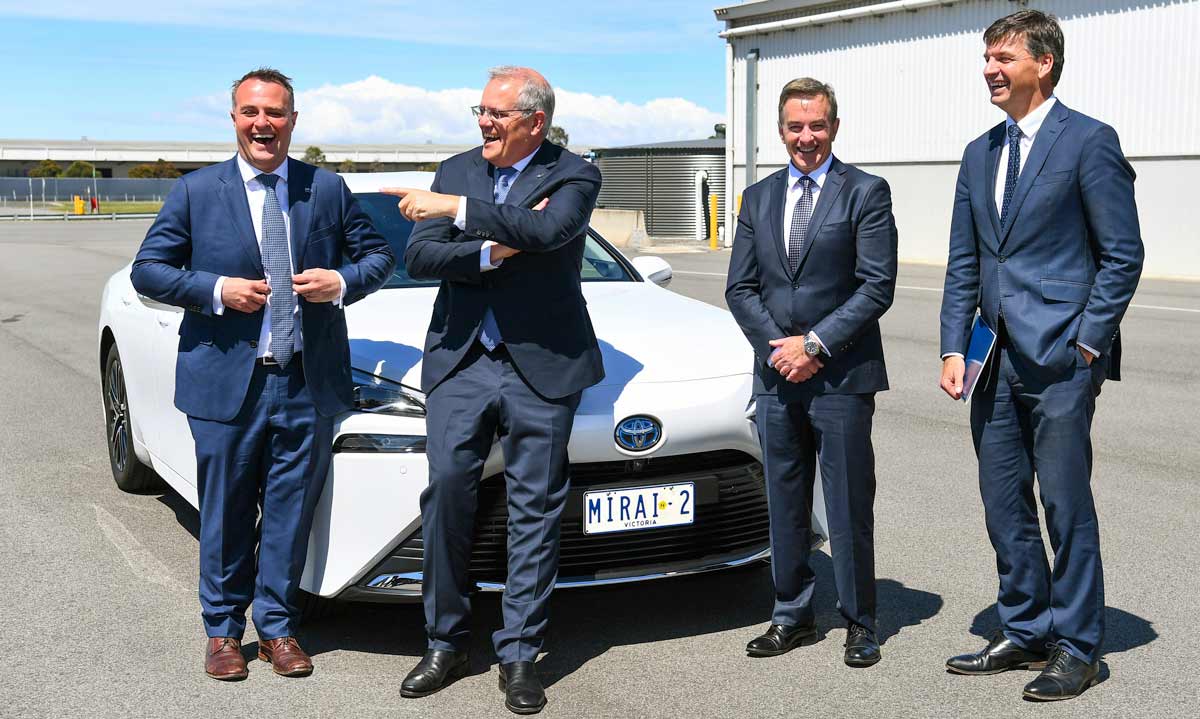
If Australia had prioritized electric vehicles (EVs) as a nation-building initiative in 2019, its current energy landscape would be significantly different, according to analysis. A proactive approach could have resulted in approximately three times the number of EVs on Australian roads today, displacing around 100 million litres of petrol and diesel monthly.
The Cost of Delayed Electrification
This displacement would represent substantial savings on imported fuel. Instead, as global oil markets face volatility, Australia is reportedly increasing the supply of higher-sulphur, less environmentally friendly fuels to meet demand. The volume of this “dirty” fuel being introduced now is reported to be comparable to the potential “clean” fuel savings that could have been achieved through earlier EV adoption.

The current situation draws parallels to the widespread stockpiling of essential goods observed during the COVID-19 pandemic. A reported instance of fuel shortage in regional Australia was attributed less to genuine physical scarcity and more to a surge in demand driven by stockpiling, with deliveries being diverted to fill on-farm tanks amid concerns of potential shortages.
The nation’s heavy reliance on imported fossil fuels makes its economy susceptible to geopolitical events. Any disruption can trigger panic buying and hoarding, as evidenced by the current scramble for fuel.
A Deliberate Political Choice: The 2019 Scare Campaign
In 2019, the federal government, led by then-Prime Minister Scott Morrison, engaged in what is described as a deliberate scare campaign targeting vehicle efficiency standards and electric vehicles. The campaign famously included the phrase “cars that will ruin your weekend.” This strategy is seen as a capitulation to industry interests, including oil and automotive sectors, who advocated for the continued importation of less efficient vehicles.

The consequences of this policy stance are now apparent. The delay in implementing both fuel-efficiency standards and large-scale EV adoption has created a deficit in potential clean fuel savings. At least 70 million litres per month less in clean savings are now being realized than could have been achieved with a more aggressive EV rollout. To bridge this gap, regulators have reportedly eased fuel quality standards, allowing for the use of dirtier, higher-sulphur petrol.
New Zealand’s Parallel Experience
A comparable situation is observed in New Zealand, offering a smaller-scale parallel. In 2022, EV uptake in New Zealand was gaining momentum, with plug-in vehicles capturing a significant share of new vehicle registrations. This growth was supported by a favourable policy environment, including clean-car discounts and exemptions from road-user charges, which effectively encouraged the transition to cleaner vehicles.
However, a subsequent change in government saw the reversal of key incentives. The imposition of full road-user charges on battery electric vehicles (BEVs) and plug-in hybrid electric vehicles (PHEVs), coupled with a policy shift favouring “self-charging” hybrids, led to a significant slowdown in EV sales. Instead of continuing on an upward trajectory, EV adoption stalled. It is estimated that New Zealand may now be short of 100,000 to 120,000 EVs, resulting in an annual deficit of approximately 150 million litres of petrol and diesel that the country continues to import and consume.
Structural Vulnerability Rooted in Policy
The common element in both Australia and New Zealand’s experiences is a manufactured structural vulnerability, stemming from deliberate political decisions. Both nations had clear opportunities to mitigate their exposure to oil price fluctuations by enhancing vehicle efficiency and accelerating the adoption of electric vehicles.
In both instances, short-term political strategies and lobbying efforts reportedly superseded long-term national resilience planning. The outcome is a system where spikes in global oil prices lead to increased costs for consumers at the pump, governments resort to relaxing fuel standards, and the concept of “energy security” is reduced to a reactive search for more fossil fuel supplies.
Global Examples of Proactive Policy
In contrast, countries that have embraced EVs early on demonstrate a different path. Nations such as Norway, the Netherlands, and regions like California serve as examples of what can be achieved with a serious commitment to electrification. These markets show a rapidly increasing proportion of travel powered by domestic electricity, reduced per capita fuel imports, and diminished sensitivity to international oil crises.
Australia and New Zealand had the potential to follow a similar trajectory. However, the analysis suggests that by foregoing the adoption of clean vehicles on their roads, they are now compelled to rely on dirtier fuels.