
Key Takeaways
- Automat Solutions has launched two innovative software platforms, LyteMatch and LyteGuide, designed to significantly accelerate battery electrolyte development.
- LyteMatch acts as an advanced electrolyte selection tool, allowing researchers to filter and compare electrolyte options based on diverse application requirements and performance metrics.
- LyteGuide serves as an AI-powered research assistant, streamlining literature review, material recommendations, and complex data analysis across various battery chemistries.
- These integrated platforms leverage artificial intelligence to navigate the intricate trade-offs inherent in electrolyte formulation, enhancing decision-making and efficiency.
- The introduction of LyteMatch and LyteGuide is expected to expedite the transition from initial electrolyte concepts to validated solutions, marking a significant stride in battery technology.
Pioneering New Horizons in Battery Research
In a significant stride for the energy storage sector, Automat Solutions has officially introduced two groundbreaking software platforms, LyteMatch and LyteGuide. These innovative tools are poised to transform the landscape of battery electrolyte development by offering an integrated, data-driven workspace.
Designed to empower battery researchers, startups, and manufacturers, the platforms aim to streamline the complex processes of electrolyte discovery, formulation evaluation, literature review, and critical decision-making in battery materials science.

The launch, announced on August 4, 2026, signals a new era where artificial intelligence and advanced analytics converge to tackle some of the most persistent challenges in creating next-generation batteries for electric vehicles (EVs) and other applications.
The Intricacies of Battery Electrolyte Development
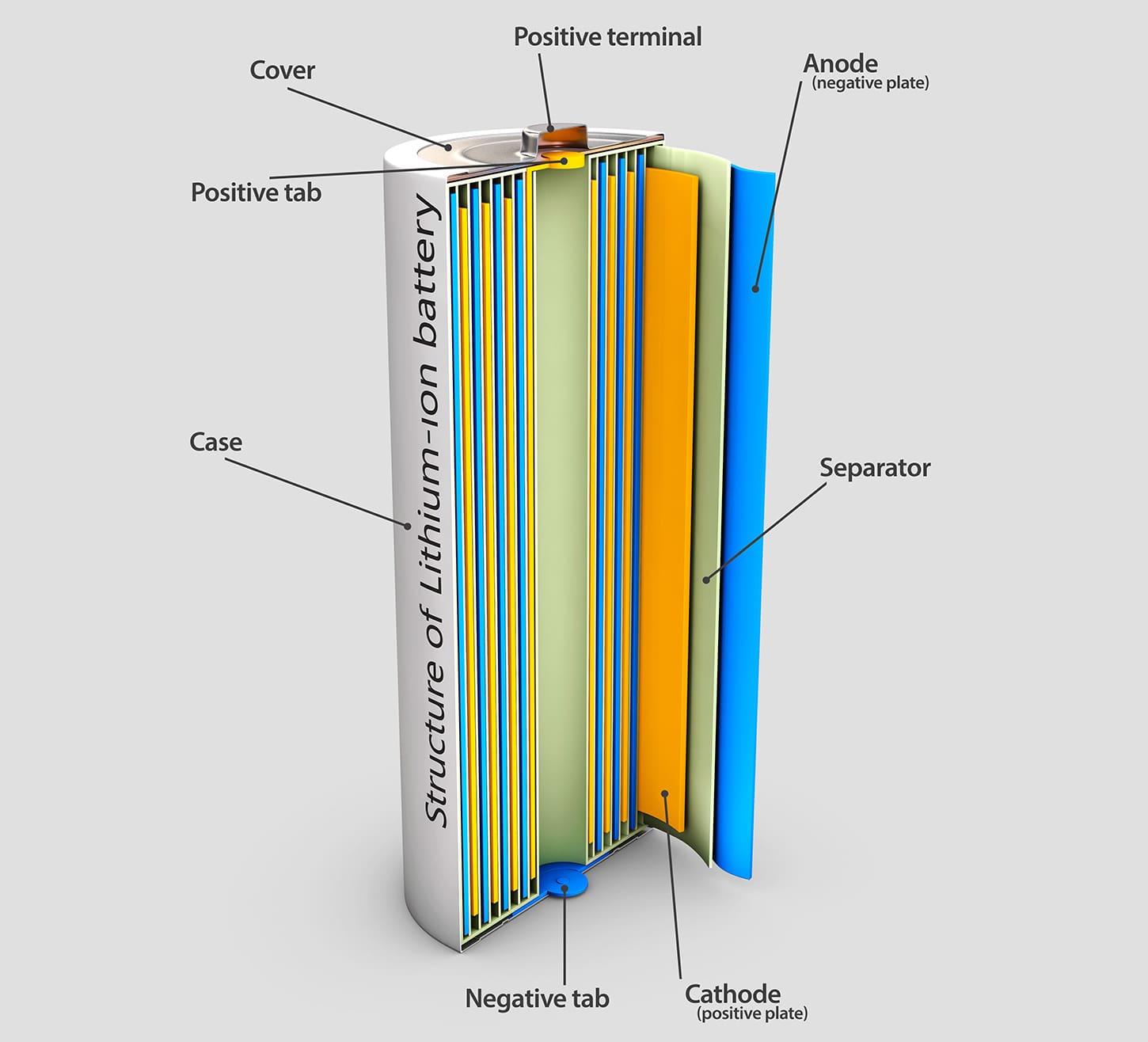
The electrolyte stands as a crucial component in any battery, facilitating the movement of ions between the electrodes. Its properties directly influence a battery’s performance, safety, longevity, and cost-effectiveness. Consequently, efficient battery electrolyte development is paramount for advancing energy storage technologies.
However, the process of identifying and optimising the ideal electrolyte is inherently challenging. Researchers face a labyrinth of chemical compounds, each with unique characteristics and a delicate balance of trade-offs. Traditional methods often involve extensive, time-consuming, and resource-intensive experimental trials.
This complexity underscores the critical need for sophisticated tools that can accelerate discovery and reduce development cycles, a gap Automat Solutions aims to fill with its latest offerings.
LyteMatch: Precision in Electrolyte Selection
The first of Automat Solutions’ new offerings, LyteMatch, functions as an advanced electrolyte selection tool. It is meticulously crafted to assist battery professionals in identifying, comparing, and evaluating various electrolyte options against specific application requirements.
Users can leverage powerful filtering capabilities to narrow down candidates by a range of criteria, including fundamental chemistry, intended application, desired performance advantages, operational temperature window, and specific formulation criteria. This targeted approach significantly reduces the time spent sifting through unsuitable options.
Beyond simple filtering, LyteMatch integrates valuable research insights. It provides direct links and explanations that elucidate the underlying reasons for a given formulation’s performance characteristics, fostering a deeper understanding among researchers.
Comprehensive Comparison Metrics
The platform enables side-by-side comparisons of electrolyte candidates across a multitude of critical factors. These include ionic conductivity, which dictates how quickly ions can move through the electrolyte, and electrochemical stability, crucial for preventing unwanted reactions at the electrodes.
Other vital metrics for comparison encompass viscosity, which affects ion transport rates; thermal stability, critical for battery safety and performance across temperature ranges; overall safety profiles; cost-effectiveness; and even expected delivery timelines for materials.
By presenting these factors in a clear, comparative format, LyteMatch facilitates faster and more evidence-based decisions, ultimately accelerating the pace of battery electrolyte development.
LyteGuide: An Intelligent Research Assistant
Complementing LyteMatch, the LyteGuide platform extends the formulation-search workflow into an interactive, paper-backed technical reasoning environment. Automat Solutions describes LyteGuide as an indispensable research assistant powered by artificial intelligence, designed to navigate the vast and ever-growing body of scientific literature.
Its capabilities span comprehensive literature searches, intelligent material recommendations, sophisticated document analysis, and intuitive technical Q&A functionalities. Furthermore, LyteGuide supports natural-language interaction with complex battery research data, making information more accessible and actionable for scientists.
The platform features domain-specific modules tailored to various battery chemistries, including silicon anode, lithium-ion, sodium-ion, and lithium metal batteries, among others. This specialisation allows users to delve into chemistry-specific challenges with greater precision.
Addressing Specific Chemistry Challenges
With LyteGuide, researchers can explore and address critical challenges unique to different battery types. These include intricate issues such as interface stability between the electrolyte and electrodes, overall electrolyte safety, complex formulation optimisation problems, and the crucial aspect of lithium metal compatibility in advanced battery designs.
By providing targeted insights and analysis, LyteGuide empowers researchers to overcome bottlenecks in these challenging areas, driving more effective and targeted battery electrolyte development efforts.
Navigating Complex Formulation Trade-offs
Developing an effective battery electrolyte often involves intricate trade-offs. An electrolyte formulation is typically a complex blend of various salts, solvents, and additives, each contributing distinct properties that must be carefully balanced.
For instance, an electrolyte blend optimised for high ionic conductivity at room temperature might suffer from increased viscosity and reduced performance in cold conditions, or it could be prone to oxidation at high voltages. Similarly, an additive designed to stabilise the electrode interface at one end of the battery might inadvertently cause degradation at the other electrode.
The viscosity of the solvent blend itself plays a critical role, as a thicker blend can impede ion transport, thereby affecting charge and discharge rates. These inherent complexities necessitate a sophisticated approach to formulation, where every component’s contribution and interaction are thoroughly understood.
Automat Solutions’ platforms are engineered to help researchers navigate these multi-faceted challenges. By providing data-driven insights and comparative analyses, they enable scientists to anticipate and mitigate potential issues early in the battery electrolyte development process, leading to more robust and reliable battery designs.
Accelerating Innovation with AI
The integration of artificial intelligence into the workflow of battery developers marks a pivotal moment for the industry. Automat Solutions’ new platforms exemplify how AI can drastically reduce the experimental iterations typically required in materials science, thereby accelerating discovery.
Jason Wang, COO of Automat Solutions, highlighted the transformative potential of these new tools. “These platforms bring AI directly into the workflow of battery developers and help accelerate the path from concept to validated electrolyte solutions,” Wang stated, underscoring the company’s vision for a more efficient and innovative future.
This acceleration is crucial as the global demand for advanced energy storage solutions continues to surge, driven by the rapid expansion of electric vehicles, grid-scale storage, and portable electronics. Faster battery electrolyte development means quicker market entry for improved battery technologies.
Availability and Future Impact
Both LyteMatch and LyteGuide are currently available for partner evaluation and rollout planning. Interested parties, including battery researchers, manufacturers, and startups, can request demonstrations and access through Automat Solutions’ official website.
The widespread adoption of these platforms could significantly impact the pace of battery innovation. By democratising access to advanced analytical tools and vast research knowledge, Automat Solutions is empowering a broader community of developers to contribute to the next generation of energy storage.
Ultimately, these AI-powered solutions promise to deliver more efficient, safer, and higher-performing batteries to the market at an unprecedented rate, fostering a greener and more electrified future.
Frequently Asked Questions (FAQs)
What are LyteMatch and LyteGuide?
LyteMatch is an electrolyte selection software, and LyteGuide is an AI-powered research assistant. Both platforms from Automat Solutions are designed to accelerate and optimise battery electrolyte development by offering integrated tools for discovery, evaluation, and data analysis.
How does LyteMatch assist in electrolyte selection?
LyteMatch allows users to filter, compare, and evaluate electrolyte candidates based on chemistry, application, performance, temperature, and formulation criteria. It provides research insights and compares factors like ionic conductivity, safety, and price to inform faster, evidence-based decisions.
What functionalities does LyteGuide offer to researchers?
LyteGuide provides interactive tools for literature search, material recommendation, document analysis, and technical Q&A. It facilitates natural-language interaction with battery research data and includes domain-specific modules for various battery chemistries, aiding in complex challenge resolution.
Why is battery electrolyte development so challenging?
Battery electrolyte development is complex due to the intricate trade-offs involved in combining salts, solvents, and additives. Optimising properties like conductivity, stability, and viscosity while ensuring safety and cost-effectiveness requires balancing conflicting characteristics, which traditional methods often struggle with.
How do these platforms improve the battery development workflow?
By integrating AI into the process, LyteMatch and LyteGuide streamline selection, research, and analysis. They reduce manual effort, provide data-driven insights, and accelerate the path from initial concepts to validated electrolyte solutions, thereby shortening development cycles for new battery technologies.
Which battery chemistries do LyteGuide’s modules cover?
LyteGuide features domain-specific modules that cover a range of critical battery chemistries. These include silicon anode, widely used lithium-ion batteries, emerging sodium-ion technologies, and advanced lithium metal battery systems, addressing their unique challenges like interface stability and formulation optimisation.