
Key Takeaways
- The BMW iX3 EV sets new benchmarks in driving dynamics and energy efficiency, largely attributed to its advanced Neue Klasse platform and 800-volt architecture.
- Its ‘Heart of Joy’ supercomputer enables exceptionally smooth powertrain operation, including an impressive ‘limo stop’ function.
- The electric SUV boasts a commendable WLTP range of 505 miles (800 km) and real-world efficiency around 3.7 miles/kWh (17 kWh/100 km).
- Rapid charging capabilities are a highlight, achieving 10% to 80% battery replenishment in just 21 minutes with 400 kW charging.
- Interior design elements like knitted plastic and the uniquely shaped steering wheel, along with a firm ride quality on 21-inch wheels, are noted as areas for refinement.
- The exterior design, particularly the side profile, receives criticism for lacking visual interest despite the overall advanced appeal.
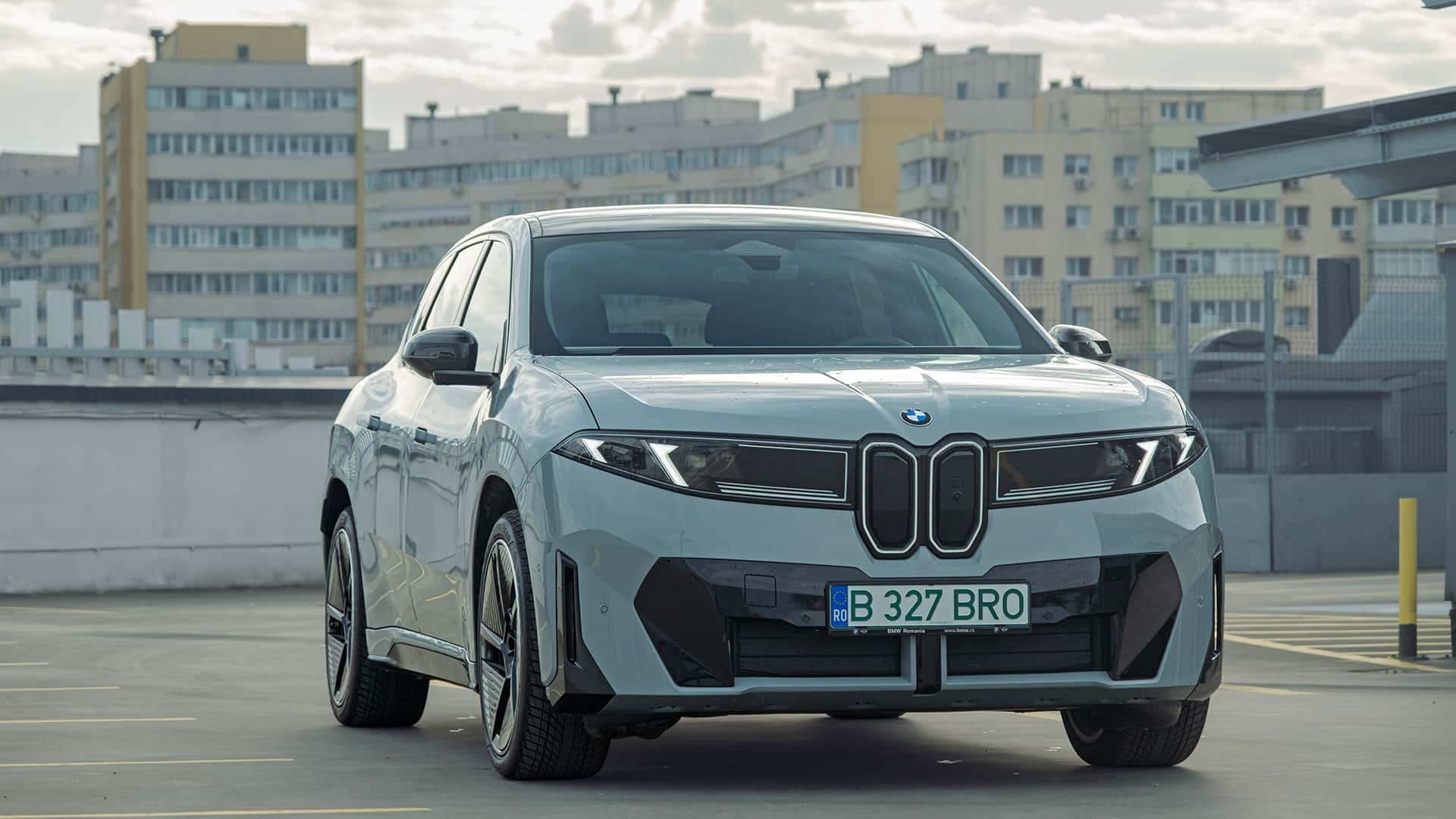
The electric vehicle (EV) market continues to witness rapid innovation, with manufacturers striving to blend cutting-edge technology with the driving experience consumers expect. BMW, a marque synonymous with ‘The Ultimate Driving Machine,’ has introduced the BMW iX3 EV, an electric Sports Activity Vehicle (SAV) that many are hailing as a potential benchmark in the segment. While the vehicle excels in core areas like performance, efficiency, and advanced digital interfaces, it also presents certain design and ergonomic choices that warrant closer examination.
Positioned as a significant evolution in BMW’s electric portfolio, the BMW iX3 EV aims to deliver a radical yet familiar driving experience. Its advanced powertrain, sophisticated battery technology, and integrated ‘superbrains’ are designed to redefine expectations for electric mobility. However, no vehicle is without its imperfections, and the iX3, despite its numerous advancements, reveals certain compromises in its journey towards electric perfection.
Driving Dynamics: A New Benchmark for Electric SUVs
The BMW iX3 EV distinguishes itself significantly in its driving characteristics, reportedly offering the most engaging handling experience among BMW’s SUV offerings to date. Surpassing even the iX in dynamic prowess, the iX3 demonstrates a remarkable aptitude for navigating corners, feeling like a more finely tuned dynamic package. This superior handling is largely attributed to its innovative construction.
Like many contemporary electric vehicles, the iX3 integrates its battery pack across the entire floor of the car. Crucially, this battery also serves as a structural component of the chassis, imparting exceptional stiffness. This rigidity translates directly into enhanced handling precision, allowing for a composed and balanced feel when tackling bends. The vehicle’s cornering poise has drawn comparisons to the Porsche Macan EV, albeit with a slightly less aggressive focus.
Enthusiasts will appreciate the iX3’s predictable rear-end behavior when exiting corners with traction control disengaged, offering a controlled slide that is reportedly easier to manage than in other BMW EVs. This characteristic is a testament to the Neue Klasse platform, which appears to deliver a level of driver engagement that may surprise many. Furthermore, the powertrain’s inherent smoothness is enhanced by the ‘Heart of Joy’ supercomputer, which meticulously manages the car’s driving operations. A standout feature in this regard is the ‘limo stop’ function, which brings the vehicle to a halt with an unparalleled smoothness, surpassing many other vehicles on the market.
Unparalleled Efficiency and Rapid Charging Capabilities
The BMW iX3 EV demonstrates impressive efficiency, challenging previous perceptions of large electric SUVs. It has shown the capability to exceed its already substantial 505-mile (800 km) WLTP range claim under specific, low-speed driving conditions with climate control systems deactivated. In typical driving scenarios, the iX3 consistently maintains an average efficiency of approximately 3.7 miles/kWh (17 kWh/100 km), a robust real-world performance figure for an SUV of its stature.
This commendable efficiency is rooted in its sophisticated 800-volt architecture, which works in conjunction with improved battery cells and advanced drive units. The high-voltage system not only boosts operational efficiency but also facilitates exceptionally fast charging. The BMW iX3 EV is capable of charging at up to 400 kW, allowing its battery to replenish from 10% to 80% in an impressive 21 minutes.
For long-distance travel, this translates into practical advantages, as a mere 10-minute charging session can add 217 miles of range. Such capabilities position the iX3 as a highly suitable electric vehicle for extended road trips, significantly mitigating range anxiety and reducing downtime at charging stations.
Innovative Digital Interface: The iX3’s Screen Experience
The interior of the BMW iX3 EV features a thoughtfully designed digital cockpit, highlighted by a distinctive slanted parallelogram central screen and a panoramic display. BMW has opted for a balanced approach, resisting the current trend of adding excessive screens, such as a third passenger display, which can be seen in some competitor models like the new Mercedes-Benz GLC EV. This restraint results in a digital setup that feels integrated and functional rather than overwhelming.
The uniquely shaped infotainment screen, while unconventional, is reported to be more intuitive to use than traditional rectangular displays. It operates on OS X, the latest iteration of BMW’s iDrive system, delivering a visually appealing and responsive interface. Although physical controls have largely been replaced by touch-based interactions, the system’s execution ensures it remains less cumbersome than many pure-touch alternatives.
However, the panoramic display projected beneath the windshield’s lower edge stands out as a particularly innovative feature. This slim strip of information is positioned directly within the driver’s line of sight, eliminating the need to divert attention downwards. It provides essential driving data and offers six customizable slots, allowing drivers to select from a wide array of widgets to personalize their information display.
Interior Design: Points of Contention
Despite the iX3’s overall impressive interior, certain material and design choices have drawn criticism. A recurring point of contention is the knitted plastic material, which BMW continues to incorporate across its range. While arguably acceptable in smaller, more economically priced vehicles like a Mini, its presence in a premium SUV with a price tag exceeding €82,000 (as tested) can be perceived as a cost-cutting measure rather than a premium design element.
Another peculiar design choice is the steering wheel. Its unusual shape, featuring vertical spokes, is a consequence of the need to provide an unobstructed view of the driver’s display, which is now positioned to be viewed over the wheel. While this design rationale is understandable, the aesthetic remains unconventional and, for some, awkward. Fortunately, a more traditional-looking M Sport steering wheel, as featured in the tested model, offers a slight reprieve from the most unusual aesthetic, though its fundamental design still deviates from conventional expectations. Despite its appearance, it does not reportedly impede usability.
Ride Comfort and Steering Responsiveness: Areas for Improvement
The driving experience of the BMW iX3 EV, while dynamic, is not without its compromises, particularly concerning ride comfort and steering. BMW currently does not offer adaptive dampers on the iX3. The tested M Sport variant, equipped with 21-inch wheels, exhibited a somewhat fidgety ride over certain road imperfections. While generally tolerable for extended periods, significant disturbances are transmitted through the seat and up the spine due to the stiff chassis.
The absence of adaptive dampers means the vehicle’s suspension cannot dynamically adjust to varying road conditions, leading to a noticeable firm edge in the ride, an characteristic exacerbated by the larger wheel size. The potential availability of adaptive dampers in future iterations could address this aspect, providing a more refined and compliant ride.
Furthermore, the steering system of the BMW iX3 EV requires a surprisingly large amount of lock, particularly during low-speed maneuvers. This necessitates more effort and turns of the steering wheel than might be expected in a modern vehicle, creating a perception of an ‘old-fashioned’ steering feel. In an era where steer-by-wire systems and highly responsive steering are becoming more commonplace, this characteristic can be somewhat jarring when performing tasks such as a three-point turn.
Exterior Aesthetics: A Subjective Critique
The exterior design of the BMW iX3 EV, initially striking, presents a mixed perception over time. While the front and rear fascias are generally considered appealing once the initial visual impact subsides, the side profile of the vehicle has been identified as lacking visual interest. The impression of a ‘slab-sided’ appearance, a characteristic also noted in the iX, suggests a missed opportunity for more engaging design elements.
The absence of an additional crease or contour along the side body panels means that the iX3’s muscular haunches and sporty stance are not adequately highlighted. These attributes only become truly apparent when viewing the vehicle from a three-quarter angle; otherwise, the side profile can appear somewhat flat. While aesthetic preferences are inherently subjective and the design may ultimately grow on occupants, this particular aspect is consistently highlighted as an area where the iX3 falls short of optimal SUV design.
Conclusion
The BMW iX3 EV stands as a significant contender in the rapidly expanding electric vehicle market, particularly within the SUV segment. Its exceptional driving dynamics, underpinned by the advanced Neue Klasse platform and sophisticated ‘Heart of Joy’ supercomputer, deliver a truly engaging and smooth driving experience. Coupled with its impressive efficiency, an 800-volt architecture enabling rapid charging, and an innovative, user-centric digital screen interface, the iX3 demonstrates BMW’s profound engineering prowess in electric mobility.
However, the vehicle’s journey to perfection is marked by certain design and comfort compromises. Interior material choices, the unconventional steering wheel, a firm ride quality exacerbated by the lack of adaptive dampers, and a somewhat uninspired side profile in its exterior design, all highlight areas where the BMW iX3 EV could see further refinement. Ultimately, the iX3 represents a compelling package for those prioritising dynamic performance and technological advancement in an electric SUV, while also acknowledging that certain subjective and ergonomic elements might not appeal to every discerning buyer.
FAQ Section
What makes the BMW iX3 EV’s driving experience stand out?
The iX3 features a chassis with integrated battery pack for superior stiffness, contributing to its exceptional handling and ability to attack corners. Its Neue Klasse platform and ‘Heart of Joy’ supercomputer ensure remarkable driver engagement and powertrain smoothness, including a refined ‘limo stop’ function.
How efficient is the BMW iX3 EV in real-world driving?
The BMW iX3 EV boasts a WLTP range of 505 miles (800 km). In typical real-world conditions, it achieves an average efficiency of approximately 3.7 miles/kWh (17 kWh/100 km), which is considered excellent for a large electric SUV, showcasing its energy management capabilities.
What are the charging capabilities of the BMW iX3 EV?
Equipped with an 800-volt architecture, the iX3 supports fast charging up to 400 kW. This allows the battery to charge from 10% to 80% in just 21 minutes, or add 217 miles of range in a quick 10-minute session, making it highly suitable for long road trips.
What are the primary criticisms regarding the iX3’s interior?
Interior criticisms focus on the use of knitted plastic material, which some perceive as a cost-cutting measure incongruous with a premium vehicle. Additionally, the steering wheel’s unconventional design, though functional for visibility, is noted for its awkward aesthetic compared to traditional designs.
Does the BMW iX3 EV offer a comfortable ride?
The iX3 does not currently offer adaptive dampers, and the M Sport version on 21-inch wheels can exhibit a somewhat firm and fidgety ride over road imperfections. The stiff chassis transmits motion, leading to a noticeable firm edge, suggesting potential for improved ride comfort with adaptive suspension.
What are the design issues highlighted for the BMW iX3 EV?
While the front and rear designs are generally well-received, the side profile of the BMW iX3 EV is criticised for lacking visual interest and appearing ‘slab-sided.’ The absence of additional body creases means its muscular haunches and sporty stance are not adequately emphasised from all angles.