
Key Takeaways:
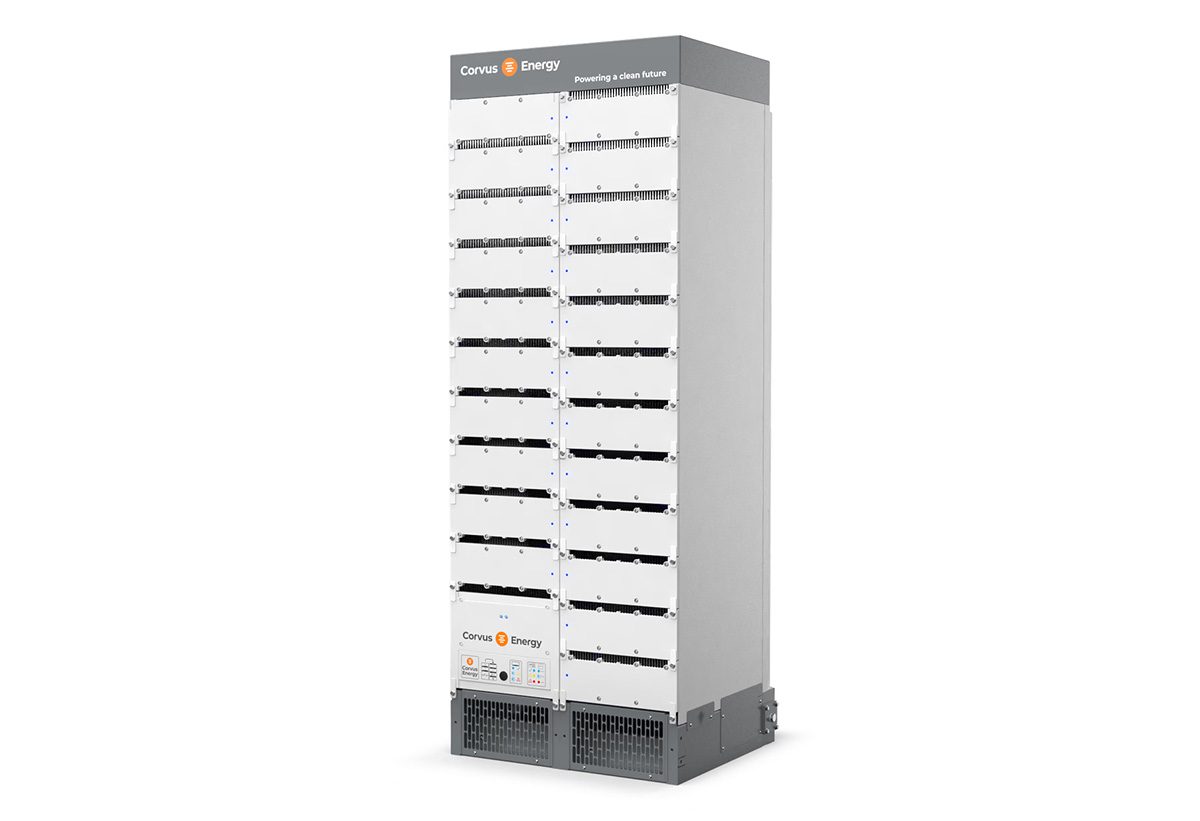
- Corvus Energy will supply its advanced Orca Energy Storage System (ESS) for Scylla Shipping’s two new river cruise vessels, the Riviera Reflection and Harmonie.
- This latest order increases the total number of Scylla vessels utilizing Corvus battery systems to 15, underscoring a growing trend in maritime electrification.
- The Orca ESS facilitates hybrid propulsion, enabling crucial peak shaving functionalities and allowing vessels to operate with a single, efficiently run generator.
- These battery systems are fully approved under ES-TRIN, the stringent European Standard for Technical Requirements for Inland Navigation vessels, ensuring high safety and performance criteria.
- The integration of these systems significantly reduces fuel consumption, lowers emissions, decreases engine wear, and minimizes noise pollution, enhancing both environmental sustainability and passenger comfort.
In a significant stride towards more sustainable inland waterway transport, Corvus Energy has announced it will equip two new river cruise vessels for Scylla Shipping with its state-of-the-art Orca Energy Storage System (ESS). These vessels, named the Riviera Reflection and Harmonie, represent the latest additions to Scylla’s fleet embracing hybrid propulsion technology.

This new agreement further solidifies the partnership between the two companies, bringing the total count of Scylla ships powered by Corvus battery systems to an impressive 15. The collaboration highlights a clear commitment to reducing the environmental footprint of river cruising while enhancing operational efficiency.
Advancing Hybrid Propulsion on Europe’s Inland Waterways
The Riviera Reflection and Harmonie are designed with a sophisticated hybrid propulsion system, integrating conventional power generation with advanced battery technology. At the heart of this system is the Corvus Orca ESS, a modular lithium-ion energy storage solution engineered for demanding maritime applications.
A crucial aspect of this deployment is its compliance with ES-TRIN, the European Standard for Technical Requirements for Inland Navigation vessels. This rigorous standard dictates essential safety, design, and performance criteria specifically tailored for battery systems operating on Europe’s extensive network of inland waterways, ensuring robust and reliable operation.

The Role of the Orca ESS: Efficiency Through Peak Shaving
The primary function of the Corvus Energy to supply Orca battery systems for these new vessels revolves around optimizing power delivery through a process known as peak shaving. In traditional diesel-electric vessels, generators are often oversized to handle intermittent, high-demand peaks, such as those required by hotel loads or bow-thruster operations during maneuvering.
This oversizing often leads to generators running at low, inefficient loads for extended periods, consuming more fuel and increasing emissions. The Orca ESS addresses this inefficiency by absorbing these demand spikes. This allows a single, smaller generator set to operate consistently within its most efficient range, drastically improving fuel economy and reducing operational costs.
Beyond generator optimization, the integrated battery systems provide essential supplemental power. Vessels can utilize stored energy to enter and moor in ports for shorter durations with zero emissions, significantly reducing local air and noise pollution in sensitive urban areas. The batteries also supply additional power during critical maneuvers like lock operations and canal transits, where precise and responsive power is crucial.
Environmental and Operational Benefits of Electrification
The strategic deployment of Corvus Energy to supply Orca battery systems yields a multitude of environmental and operational advantages. By enabling generators to run more steadily and reducing reliance on multiple units, the system minimizes engine starts and stops.
This reduction in cyclical stress directly translates to decreased engine wear, extending the lifespan of the propulsion machinery and lowering maintenance requirements. Fewer operating hours for the diesel engines also contribute to a notable reduction in overall fuel consumption.
Furthermore, the shift towards battery-backed operations substantially lowers harmful emissions, contributing to cleaner air quality along river communities. An often-overlooked benefit is the significant reduction in noise pollution, creating a more tranquil experience for passengers and crew on board, as well as for residents in communities bordering the waterways. Corvus has a proven track record, with similar battery systems already operational aboard other Scylla vessels, including the river cruiser Serene, demonstrating the real-world efficacy of this technology.
Scylla Shipping and Corvus Energy: A Partnership for the Future
Industry leaders from both companies underscored the significance of these developments. Koen Boerdijk, Corvus’s Vice President of Sales for Benelux and the UK, highlighted the immense potential for greening inland waterway transport. “There is enormous potential for reducing emissions from inland waterway transport, and Scylla Shipping is clearly leading the way,” Boerdijk stated, emphasizing the proven efficiency of Corvus battery systems in daily operations.
Bart Vos, Scylla’s Technical Director of Newbuild and Renovation, reiterated his company’s proactive stance on sustainability. “Through further electrification and the use of advanced battery systems, we are taking concrete steps toward emission-free sailing,” Vos remarked. He further elaborated on the strategic advantages, noting that “The combination of generator optimization and battery support makes our ships more efficient, more sustainable and ready for the future.”
The ongoing partnership between Corvus Energy and Scylla Shipping serves as a benchmark for the wider maritime industry, particularly in the river cruise sector. It demonstrates how advanced energy storage solutions can drive significant environmental improvements and operational efficiencies, positioning hybrid-electric vessels as a vital component of future sustainable shipping practices. This continuous adoption of innovative power solutions underscores a clear industry trajectory towards cleaner, quieter, and more economically viable inland navigation.
Source: Corvus Energy
Frequently Asked Questions (FAQ)
What is the Corvus Orca Energy Storage System?
The Corvus Orca Energy Storage System (ESS) is a modular lithium-ion battery solution designed for maritime applications. It provides robust, reliable power for vessels, supporting hybrid propulsion systems by managing energy demands, enabling peak shaving, and facilitating emission-free operations in sensitive areas like ports.
What is hybrid propulsion in river cruisers?
Hybrid propulsion in river cruisers combines traditional diesel-electric power generation with advanced battery technology. This system allows for more flexible and efficient power management, leveraging batteries to absorb peak loads and enabling diesel generators to run at optimal, fuel-efficient levels, thereby reducing emissions and noise.
What is ES-TRIN certification?
ES-TRIN stands for the European Standard for Technical Requirements for Inland Navigation vessels. It is a critical regulatory framework that sets stringent safety, design, and performance criteria for all components, including battery systems, operating on Europe’s inland waterways. Compliance ensures high operational integrity and environmental protection.
How does peak shaving work in maritime applications?
Peak shaving in maritime applications uses battery systems to supply power during brief periods of high demand, such as when bow thrusters are active or hotel loads spike. This prevents the need for oversized generators, allowing primary generators to run at a consistent, efficient output, significantly reducing fuel consumption, engine wear, and emissions.
What are the environmental benefits of these battery systems?
The integration of Corvus Orca battery systems offers multiple environmental benefits, including substantial reductions in fuel consumption and greenhouse gas emissions. It also allows for emission-free operation in ports, minimizes noise pollution for passengers, crew, and surrounding communities, and prolongs the lifespan of engine components.
How many Scylla ships currently use Corvus battery systems?
With the latest orders for the Riviera Reflection and Harmonie, the total number of Scylla Shipping vessels equipped with Corvus Energy’s advanced battery systems now stands at 15. This significant adoption rate highlights Scylla’s commitment to fleet-wide electrification and sustainable maritime operations across its river cruise portfolio.