
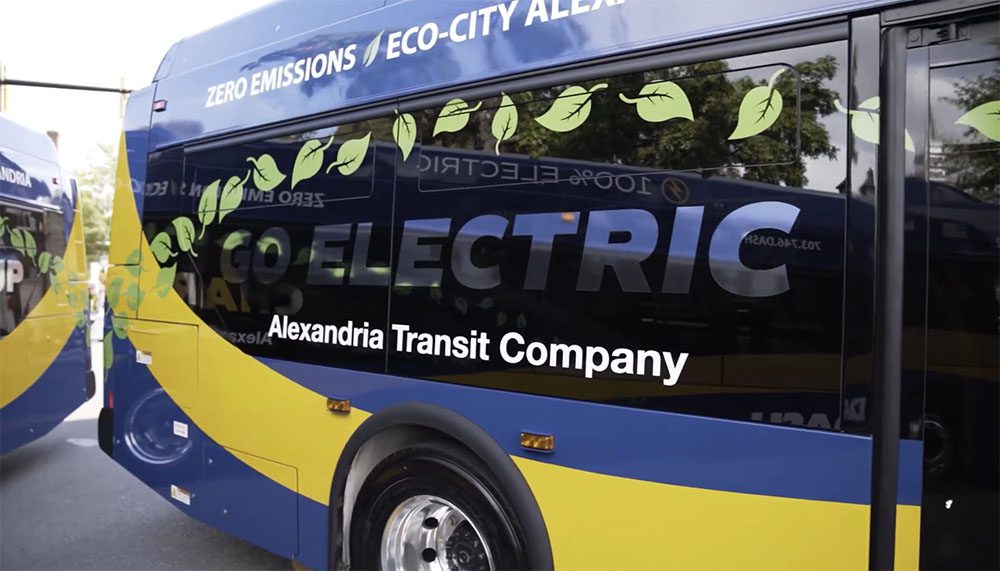
Alexandria, Virginia’s public transit agency, DASH, has commenced construction on what is set to become the Washington DC metropolitan region’s inaugural en-route electric bus charging system. This significant infrastructure development marks a pivotal moment for sustainable public transit, promising enhanced operational efficiency and extended vehicle range for electric bus fleets.
The groundbreaking initiative, announced on July 3, 2026, aims to revolutionize how electric buses are powered, moving beyond traditional overnight depot charging to incorporate dynamic recharges along active routes. This strategic upgrade is anticipated to be fully operational by 2027, setting a new benchmark for transit agencies across Northern Virginia and the broader DC area.

Key Takeaways
- DASH is constructing the first en-route electric bus chargers in the Washington DC metropolitan region.
- These overhead pantograph chargers will deliver up to 360 kilowatts, extending bus range and maximizing fleet utilization.
- The project at West Alexandria Transit Center is a collaborative effort between DASH and the City of Alexandria, supported by $1 million in federal funding.
- ABM, a leading facilities management provider, is supplying the electric charging services.
- The initiative supports DASH’s transition to an all-electric fleet, which currently includes 16 battery-electric buses with an additional 20 in procurement.
- Completion is expected by 2027, marking a significant step towards a cleaner, more efficient public transit system.
Revolutionizing Public Transit with En-Route Charging
The concept of en-route charging is a game-changer for electric public transportation. Unlike conventional charging methods that require buses to return to a central depot for extensive overnight power-ups, en-route chargers allow for rapid, partial charges at strategic stops along a bus’s designated route.
This innovative approach directly addresses several critical challenges associated with large-scale electric bus deployments. By enabling quick top-ups, these electric bus chargers effectively extend the operational range of battery-electric vehicles, reducing concerns about battery depletion during long shifts or demanding routes.
Furthermore, en-route electric bus charging significantly maximizes fleet utilization. Buses can spend more time in service rather than idle at depots, leading to a more efficient deployment of resources and potentially fewer buses required to cover the same service levels. This translates into improved public service and reduced operational costs in the long run.

The deployment of such advanced EV charging infrastructure also plays a crucial role in mitigating service interruptions. By providing opportunities for quick recharges throughout the day, the risk of buses running low on power and disrupting schedules is substantially minimized, ensuring a more reliable and seamless transit experience for commuters.
Technology at the Forefront: Overhead Pantograph Chargers
Central to DASH’s pioneering effort are two state-of-the-art overhead pantograph chargers. These powerful units are designed to deliver charging speeds of up to 360 kilowatts, enabling rapid energy transfer to the electric buses.
Pantograph chargers, often seen as a staple in modern electric heavy-duty transport, operate by extending an arm from the charging station to a contact point on the bus roof. This automated connection allows for high-power charging sessions that can replenish significant battery capacity in a matter of minutes, seamlessly integrating into regular stop times.
The high-power delivery capacity of 360 kilowatts ensures that even a brief stop can provide a substantial boost to the bus’s battery, supporting its continued operation throughout the day. This robust EV charging infrastructure is essential for maintaining the rigorous schedules of a busy public transit system like DASH.
A Collaborative Funding and Implementation Model
The development of this crucial EV charging infrastructure is the result of a strong partnership between DASH and the City of Alexandria. This collaborative spirit underscores a shared commitment to sustainable public transit and environmental stewardship within the region.
A significant portion of the project’s funding, approximately $1 million, has been secured through federal grants. This federal investment highlights the national recognition of the importance of electrifying public fleets and supports local initiatives that pave the way for a cleaner transportation future.
Facilities management provider ABM has been enlisted to provide the specialized electric charging services for DASH’s West Alexandria Transit Center, where the new chargers are being installed. ABM’s expertise in EV charging solutions is instrumental in bringing this complex project to fruition, as detailed in an in-depth interview with Satish Jayaram, ABM’s Senior Vice President of eMobility.
The selection of experienced partners and a multi-tiered funding strategy ensures the project’s robust foundation and timely execution, with completion anticipated in 2027.
DASH’s Commitment to an All-Electric Future
This initiative represents a major stride in DASH’s ambitious transition towards an all-electric fleet. The agency currently operates 16 battery-electric buses, demonstrating an early commitment to reducing its carbon footprint and embracing cleaner energy solutions.
In a further expansion of its sustainable public transit strategy, DASH has an additional 20 battery-electric buses already in procurement. This steady growth of its electric fleet necessitates a robust and adaptive charging infrastructure that can scale to meet future demands.
Crucially, DASH has proactively engaged with bus manufacturers to ensure seamless compatibility between the new en-route electric bus chargers and both its existing electric fleet and upcoming vehicle purchases. This foresight is vital for long-term operational efficiency and avoiding costly retrofits in the future.
Josh Baker, General Manager and CEO of DASH, emphasized the strategic importance of the project, stating, “This project reflects years of planning and collaboration to support our transition to an all-electric fleet. As the first en-route electric bus chargers in Northern Virginia and the DC region, this is a significant step toward a cleaner transit system.”
Broader Impact on the Washington DC Metropolitan Region
The deployment of these pioneering electric bus chargers in Alexandria is poised to have a ripple effect across the entire Washington DC metropolitan region. As the first of their kind, these chargers establish a precedent and provide a tangible model for other transit agencies contemplating similar electrification efforts.
The success of DASH’s project can serve as a catalyst, encouraging neighboring cities and counties to accelerate their own transitions to electric fleets by demonstrating the operational viability and benefits of advanced charging solutions. This regional shift towards sustainable public transit will contribute significantly to improved air quality and reduced emissions across a densely populated area.
Mark Hawkinson, President of Technical Solutions at ABM, underscored this foundational aspect. “Transit agencies like DASH are demonstrating that successful electrification starts with the right infrastructure,” he noted. “By investing in charging solutions, DASH is building the operational foundation needed to support an electrified transit network for years to come.”
The West Alexandria Transit Center will become a crucial node in this evolving sustainable transit network, showcasing how strategic investments in EV charging infrastructure can unlock the full potential of electric buses.
Enhancing Environmental Sustainability and Community Well-being
Beyond operational efficiencies, the core motivation behind DASH’s electrification efforts and the installation of advanced electric bus chargers is a profound commitment to environmental sustainability. Electric buses produce zero tailpipe emissions, contributing directly to cleaner air in Alexandria and the surrounding communities.
Reducing reliance on fossil fuels also aligns with broader climate goals, helping to mitigate the impacts of climate change. For residents, this means a quieter transit experience and a healthier urban environment, particularly in areas frequently traversed by bus routes.
This forward-looking infrastructure project solidifies Alexandria’s position as a leader in adopting green technologies and fosters a better quality of life for its citizens. The transition to an all-electric fleet, powered by efficient EV charging infrastructure, represents a holistic approach to modern urban development that prioritizes both economic and ecological well-being.
Looking Ahead: The Future of Electric Transit
With construction underway and an anticipated completion in 2027, the deployment of DASH’s en-route electric bus chargers represents not just a local achievement but a significant milestone for regional sustainable public transit. This development will play a crucial role in enabling DASH to fully realize its vision of a comprehensive all-electric fleet.
The lessons learned and operational data gathered from this pioneering project in Alexandria will undoubtedly inform future EV charging infrastructure deployments, not only in the DC metro region but potentially across the nation. It exemplifies how strategic planning, collaborative partnerships, and advanced technology can drive the transition to a more sustainable and efficient transportation future.
FAQ Section
What are en-route electric bus chargers?
En-route electric bus chargers are facilities that allow electric buses to receive partial battery charges at stops along their operational routes, in addition to traditional overnight charging at depots. This method helps extend vehicle range and maximize bus uptime.
Where are DASH’s new en-route chargers being built?
The new en-route electric bus chargers are under construction at DASH’s West Alexandria Transit Center in Alexandria, Virginia. This location is strategically chosen to support the agency’s bus routes within the city.
What charging speed can these new chargers deliver?
The two overhead pantograph chargers will be capable of delivering high-speed charging, with capacities of up to 360 kilowatts. This rapid charging capability is essential for quickly replenishing bus batteries during brief stops.
How is this project being funded?
The deployment of these advanced electric bus chargers is a collaborative effort funded through a partnership between DASH and the City of Alexandria, with approximately $1 million secured through federal funding.
When is the construction of the chargers expected to be completed?
Construction of the new en-route electric bus chargers is currently underway and is projected to be completed and fully operational by the year 2027.
How many electric buses does DASH currently operate?
DASH currently operates a fleet of 16 battery-electric buses. Additionally, the agency has an ongoing procurement process for an additional 20 electric buses, expanding its commitment to an all-electric fleet.
Who is providing the charging services for this project?
ABM, a facilities management provider known for its extensive services including EV charging, is responsible for providing the electric charging services for DASH’s West Alexandria Transit Center project.