
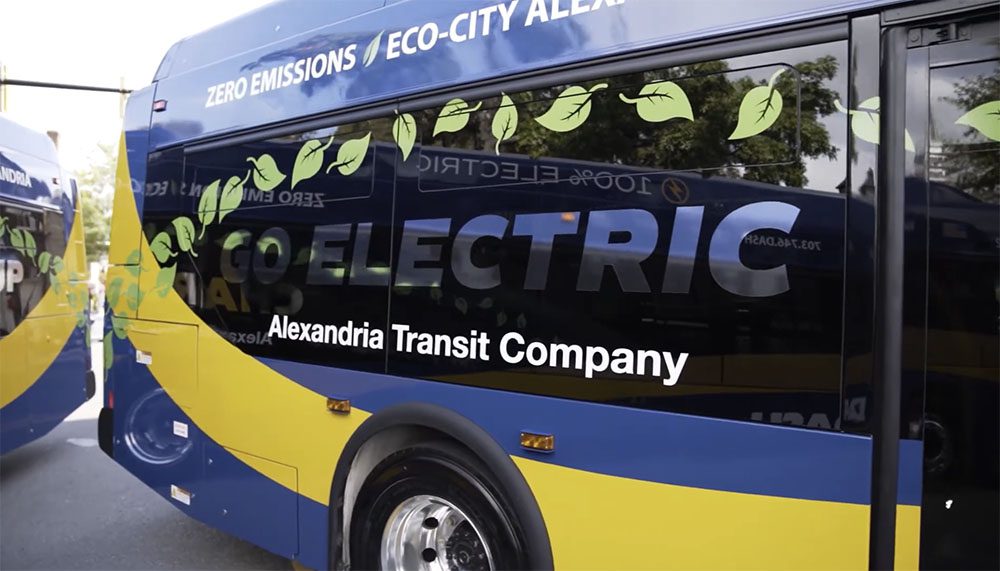
Alexandria, Virginia — In a landmark development set to revolutionize public transportation, DASH, the dedicated public transit agency serving the City of Alexandria, Virginia, has commenced construction on what is poised to become the Washington D.C. metropolitan region’s inaugural en-route electric bus charging infrastructure. This groundbreaking initiative marks a pivotal step towards a more sustainable and efficient urban mobility network, addressing critical operational challenges for electric bus fleets.
Key Takeaways
- DASH is building the first en-route electric bus chargers in the DC metro region in Alexandria, Virginia.
- These overhead pantograph chargers will deliver up to 360 kilowatts, enabling rapid partial charges during routes.
- En-route charging significantly extends vehicle range, maximizes fleet utilization, and minimizes service disruptions.
- The project is a collaborative effort between DASH and the City of Alexandria, bolstered by $1 million in federal funding.
- Construction, managed by ABM, is slated for completion by 2027, supporting DASH’s current 16 electric buses and 20 additional vehicles in procurement.
- This initiative is foundational to DASH’s long-term goal of transitioning to an all-electric fleet, setting a precedent for regional transit agencies.
Revolutionizing Public Transit with En-Route Charging Technology
The core of this transformative project lies in the deployment of en-route chargers, a sophisticated charging solution designed to provide partial battery charges to electric buses while they are operating along their designated routes. Unlike conventional overnight depot charging, en-route systems offer strategic power replenishment at key stops, effectively extending the operational range of electric vehicles and enhancing overall service delivery.

This innovative approach is critical for public transit agencies striving for comprehensive fleet electrification. By enabling buses to recharge intermittently throughout the day, en-route charging infrastructure plays a vital role in maximizing vehicle utilization, reducing downtime, and ensuring seamless service continuity. It mitigates the range anxiety often associated with electric vehicle adoption, allowing for longer routes and more flexible scheduling.
Advanced Charging Infrastructure at West Alexandria Transit Center
The focal point of this development is DASH’s West Alexandria Transit Center, where ABM, a leading facilities management provider with extensive experience in EV charging services, has been entrusted with the provision of electric charging solutions. The collaboration with ABM underscores a commitment to integrating cutting-edge technology and expert implementation into this crucial infrastructure project.
The installation will feature two advanced overhead pantograph chargers, engineered to deliver substantial power at speeds of up to 360 kilowatts. This high-capacity charging capability ensures that buses can receive a significant energy boost in a short timeframe, minimizing delays and maintaining tight schedules. The choice of pantograph technology reflects a forward-thinking approach, offering a robust and efficient method for rapid charging directly from overhead conductors, a design increasingly favored for heavy-duty electric vehicle applications.

Strategic Funding and Collaborative Partnerships
The successful deployment of this state-of-the-art electric bus charging infrastructure is a testament to strong inter-agency cooperation and strategic financial planning. The project has been made possible through a robust partnership between DASH and the City of Alexandria. Furthermore, the initiative received a substantial boost from approximately $1 million in federal funding, highlighting the national priority placed on advancing sustainable transportation solutions and reducing carbon emissions.
Construction efforts are currently underway, marking a significant physical manifestation of years of planning and dedication to a cleaner transit future. The project is projected to reach completion by 2027, at which point the new en-route chargers will become fully operational, integrating seamlessly into DASH’s daily operations.
DASH’s Vision for an All-Electric Fleet
DASH is actively at the forefront of the clean energy transition within the transportation sector. The agency currently operates a fleet of 16 battery-electric buses, demonstrating an early commitment to zero-emission transport. Reinforcing this dedication, an additional 20 electric buses are presently in the procurement phase, signaling a rapid expansion of its green fleet.
A key consideration throughout the planning and implementation of this new charging infrastructure has been ensuring its compatibility with both DASH’s existing electric fleet and all future vehicle acquisitions. This foresight guarantees that the investment in electric bus charging infrastructure remains relevant and effective as the agency systematically transitions towards its ambitious goal of achieving an entirely electric bus fleet.
Leadership Voices on a Pivotal Project
Josh Baker, DASH General Manager and CEO, articulated the profound significance of this development. “This project reflects years of planning and collaboration to support our transition to an all-electric fleet,” Baker stated. He further emphasized the regional impact, adding, “As the first en-route electric bus chargers in Northern Virginia and the DC region, this is a significant step toward a cleaner transit system.” His remarks underscore the agency’s long-term vision and its pioneering role in sustainable urban transportation.
Echoing this sentiment, Mark Hawkinson, President of Technical Solutions at ABM, highlighted the foundational role of infrastructure in successful electrification. “Transit agencies like DASH are demonstrating that successful electrification starts with the right infrastructure,” Hawkinson commented. He concluded by commending DASH’s strategic investment: “By investing in charging solutions, DASH is building the operational foundation needed to support an electrified transit network for years to come.” These statements collectively highlight the strategic importance of robust charging solutions in facilitating widespread electric vehicle adoption in public transport.
Broader Implications for Regional and National Electrification Efforts
The deployment of DASH’s en-route electric bus charging infrastructure in the DC metropolitan area serves as a critical blueprint for other transit agencies across the nation contemplating similar transformations. This project demonstrates practical solutions for overcoming range limitations and optimizing the performance of electric bus fleets, key hurdles in broader fleet electrification strategies.
The successful integration of such advanced charging technology contributes significantly to regional environmental goals, promising cleaner air quality and a reduced carbon footprint for Alexandria and the greater DC area. As public and private sectors increasingly collaborate to accelerate the transition to sustainable energy, DASH’s initiative stands out as an exemplary model of effective public-private partnership and strategic federal investment in green infrastructure.
This project is not merely about installing chargers; it represents a comprehensive approach to building a resilient, efficient, and environmentally responsible public transit system for the future. By proactively addressing the complexities of electric vehicle charging, DASH is not only enhancing its own service but also paving the way for a more sustainable urban landscape across the entire Washington DC metropolitan region.
Source
ABM
FAQ Section
What is en-route electric bus charging?
En-route charging allows electric buses to receive partial battery charges at designated stops along their routes, complementing overnight depot charging. This method helps extend the operational range of buses, maximizes their time in service, and reduces the likelihood of service interruptions due to depleted batteries, enhancing the overall efficiency of an electric fleet.
Where is DASH implementing these new chargers?
DASH is installing the new en-route electric bus chargers at its West Alexandria Transit Center. This strategic location will facilitate efficient charging for buses operating within the City of Alexandria and the wider Washington D.C. metropolitan region, marking a significant upgrade to the area’s sustainable public transit infrastructure.
What type of charging technology is being used?
The project utilizes advanced overhead pantograph chargers. This technology allows for rapid and automatic connection to the bus’s battery system from an overhead power source, delivering high charging speeds of up to 360 kilowatts. Pantograph charging is highly efficient for quick, opportunistic top-ups during route stops.
How is this project being funded?
The development of this critical electric bus charging infrastructure is a collaborative effort, funded through a partnership between DASH and the City of Alexandria. Additionally, the project has secured approximately $1 million in federal funding, underscoring national support for green transportation initiatives and sustainable urban development.
When are the new chargers expected to be operational?
Construction of the new en-route electric bus chargers is currently underway and is anticipated to be completed and fully operational by 2027. This timeline allows for comprehensive integration and testing, ensuring the charging system seamlessly supports DASH’s growing fleet of electric buses.
What are the benefits of en-route charging for public transit?
En-route charging offers numerous benefits, including extended vehicle range, allowing buses to cover longer distances without returning to the depot. It also maximizes fleet utilization by keeping more buses in service throughout the day, reduces operational costs, and contributes significantly to a cleaner environment through zero-emission transport.
How many electric buses does DASH currently operate?
DASH currently operates a fleet of 16 battery-electric buses. The agency is also actively expanding its commitment to electrification, with an additional 20 electric buses presently in the procurement process, demonstrating a clear trajectory towards an all-electric public transit system.
Why is this project significant for the DC metro region?
This project is highly significant as it represents the first en-route electric bus chargers in the entire Washington D.C. metropolitan region. It establishes a pioneering model for sustainable public transportation, offering a tangible pathway for other regional transit agencies to electrify their fleets and contribute to broader environmental and clean energy goals.