
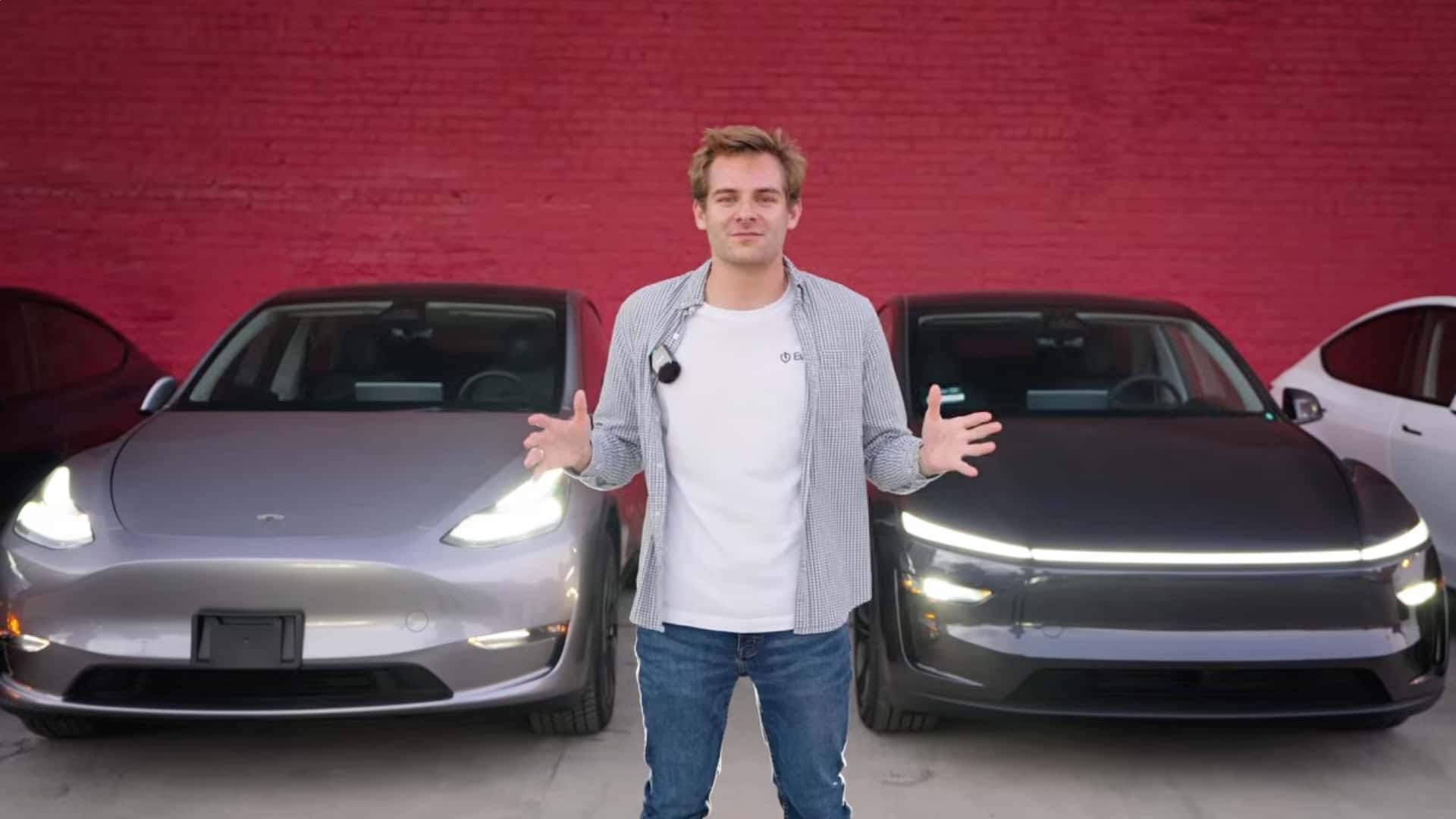
For prospective buyers considering the popular Tesla Model Y, the decision of which model year to acquire is far from straightforward. Unlike traditional automakers that often introduce significant changes with distinct new generations, Tesla frequently implements subtle, iterative updates to its vehicles throughout their production cycles. These continuous modifications mean that each Tesla Model Y model year, from its debut in 2020 to the anticipated ‘Juniper’ refresh, possesses unique characteristics that can significantly influence a purchasing decision.
Key Takeaways for Tesla Model Y Buyers
- The Tesla Model Y has undergone numerous unannounced, subtle changes across its model years, making direct year-to-year comparisons complex.
- Early 2020 models offered a premium interior but lacked a heated steering wheel and featured single-pane windows initially.
- The 2021 model year introduced increased range, a heated steering wheel, and a matte centre console, but saw the discontinuation of passenger lumbar support in later builds.
- The 2022 Tesla Model Y brought the Standard Range All-Wheel Drive with 4680 cells, noted for slower charging, alongside interior updates and optional ‘comfort suspension’.
- 2023 models are significant for integrating Hardware 4, essential for the latest Full Self-Driving (FSD) capabilities, and offering a software-unlockable range option for Standard Range variants.
- Future 2024 and 2025 models are expected to feature minor refinements, while the 2026 ‘Juniper’ refresh promises a more substantial overhaul of design and features.
- Thorough research into specific production dates and feature sets is crucial when considering a used Tesla Model Y, as specifications can vary even within the same model year.
Tesla’s Iterative Approach to Model Y Development
Tesla has carved out a distinct path in the automotive industry, eschewing the conventional annual model changes that typically delineate significant upgrades. Instead, the Palo Alto-based electric vehicle giant often rolls out improvements and modifications to its vehicles continuously, sometimes even on a monthly basis. This practice, while allowing for rapid innovation, creates a unique challenge for consumers seeking to pinpoint the ideal Tesla Model Y for their needs.

The Model Y, a highly successful electric crossover SUV, exemplifies this dynamic evolution. From its initial launch, the vehicle has seen a surprising number of minor adjustments, ranging from interior creature comforts to fundamental battery technology and advanced driver-assistance systems hardware. Understanding these nuances is paramount for anyone navigating the used or new EV market for a Tesla Model Y.
A Deep Dive into Tesla Model Y Annual Changes
Automotive experts, including seasoned EV commentators, have meticulously documented these shifts. A comprehensive analysis, notably featured in a recent video by Andrew Lambrecht on the Ever YouTube channel, provides invaluable insights into the specific alterations made to each Tesla Model Y model year. These detailed breakdowns highlight how seemingly minor adjustments can collectively redefine the ownership experience.
The Inaugural 2020 Tesla Model Y: Setting the Foundation
The debut 2020 Tesla Model Y immediately established its position as a compelling electric SUV. All initial units were equipped with what Tesla termed a ‘premium interior’. This included amenities such as heated seats for both the front and rear passengers, alongside a sophisticated 15-speaker sound system, offering a luxurious feel right from the outset.

However, early production batches of the 2020 Model Y did present some distinct characteristics. Notably, these vehicles did not feature a heated steering wheel, a comfort feature that would become increasingly standard in later models. The center console was finished in a glossy black plastic, a design choice that would also see revisions. Furthermore, an important production change occurred within this year: earlier builds were fitted with single-pane windows, while subsequent production runs transitioned to more acoustically and thermally efficient dual-pane windows, a subtle but significant upgrade for passenger comfort.
Evolution in 2021: Range and Interior Refinements
The 2021 Tesla Model Y saw critical enhancements, particularly in its battery range, offering owners greater freedom and reduced range anxiety. This year also marked the brief appearance of a ‘Standard Range’ version, which was available for only about a month, indicating Tesla’s continuous experimentation with its product lineup and pricing strategies.
Interior updates continued to refine the cabin experience. The glossy black center console of the previous year was replaced with a more contemporary matte finish, which many owners found less prone to fingerprints and scratches. A much-requested heated steering wheel was also introduced, enhancing comfort in colder climates. Conversely, a notable change in later 2021 builds was the removal of passenger lumbar support, a feature that some individuals, particularly those with long commutes or specific ergonomic needs, might consider essential.
The 2022 Tesla Model Y: Battery Innovations and Comfort Adjustments
The 2022 Tesla Model Y introduced significant technological advancements, most notably the ‘Standard Range All-Wheel Drive’ variant featuring Tesla’s new 4680 battery cells. While the 4680 cells promised future benefits in energy density and manufacturing efficiency, their initial implementation in the Model Y garnered specific observations.
According to expert analyses, this particular configuration exhibited unusually slow charging speeds for a Tesla, with rates dipping below 100 kW after reaching approximately a 30% state of charge. This characteristic could impact road trip planning and overall charging convenience. Beyond the battery, later 2022 models incorporated additional interior refinements, such as elegant wood trim integrated into the door cards. Practical updates also included manual backup releases for the rear doors and, for some units, the introduction of a ‘comfort suspension’, addressing a common critique regarding the Model Y’s typically firm ride quality.
Technological Leaps in the 2023 Tesla Model Y
The 2023 Tesla Model Y is distinguished by its integration of Hardware 4 (HW4). This upgrade to the vehicle’s computer system is crucial for running the latest iterations of Tesla’s Full Self-Driving (FSD) software, positioning these models as more future-proof for advanced autonomous driving capabilities. For buyers prioritizing the most current FSD technology, a 2023 Model Y or newer becomes a significant consideration.
Another intriguing development in 2023 was the reintroduction of a ‘Standard Range’ option. Interestingly, these vehicles shared the same battery pack as the longer-range versions but were software-locked to a lower capacity. Tesla offered an option for owners to pay a fee to unlock up to 50 additional miles of range. This presents a unique value proposition for buyers, as these models could potentially offer a cost-effective way to achieve greater range with a simple software upgrade, transforming them into a ‘sleeper deal’ in the used EV market.
Subtle Shifts in 2024 and 2025 Model Years
As per industry observations, the 2024 and 2025 Tesla Model Y iterations have generally featured more incremental updates rather than revolutionary changes. These typically involve minor software enhancements, subtle material adjustments, or slight reconfigurations of standard features. Tesla’s philosophy of continuous improvement means that even without a major refresh, newer models often benefit from accumulated small improvements in manufacturing quality, software optimization, and component efficiency.
Prospective buyers for these specific Tesla Model Y model years should consult the latest official specifications and detailed reviews to understand the precise feature set and any unannounced upgrades. The focus during these years tends to be on refining existing attributes and improving the overall user experience based on real-world data and feedback.
The Anticipated 2026 ‘Juniper’ Refresh: A Comprehensive Overhaul
Looking ahead, the 2026 Tesla Model Y is slated for a more substantial update, widely referred to as the ‘Juniper’ refresh. This is expected to be a comprehensive overhaul, moving beyond the minor tweaks of previous years to encompass significant design and functional changes. Industry leaks and speculation suggest that the ‘Juniper’ will feature new front and rear fascias, potentially incorporating updated light bar designs, aligning with Tesla’s evolving aesthetic language seen in models like the refreshed Model 3.
Furthermore, the ‘Juniper’ Model Y is anticipated to standardize dual-pane windows across all areas of the vehicle, offering superior cabin insulation from noise and temperature extremes. While the full extent of the changes remains to be officially detailed by Tesla, this refresh is expected to bring a ‘whole slew of changes’, making it a significantly distinct offering compared to its predecessors. This makes the 2026 Model Y a critical consideration for buyers who prefer the absolute latest design and technological advancements from the manufacturer.
Making an Informed Decision: Which Tesla Model Y Suits You?
Given the intricate evolution of the Tesla Model Y, selecting the ideal model year requires careful consideration of individual priorities. For buyers seeking the highest level of interior comfort and a strong audio system without necessarily needing the latest FSD hardware, an early 2020 Model Y with its premium interior might be appealing, provided the lack of a heated steering wheel and single-pane windows (in early builds) is not a deterrent.
Those prioritizing a heated steering wheel and an updated interior aesthetic might lean towards a 2021 Model Y, though the absence of passenger lumbar support in later builds should be noted. The 2022 Model Y, despite its 4680 cell charging peculiarities, offers the potential for improved ride comfort with the ‘comfort suspension’ option. Meanwhile, the 2023 Tesla Model Y stands out for its Hardware 4 inclusion and the unique, unlockable range feature, making it a strong contender for tech-savvy buyers or those seeking potential long-term value.
Ultimately, the choice hinges on balancing budget, desired features, and future-proofing. As the market for used EVs continues to grow, a detailed inspection and understanding of the specific production month of a used Tesla Model Y can be as critical as the model year itself. This ensures that the chosen vehicle aligns precisely with a buyer’s expectations and requirements in the dynamic electric vehicle landscape.
Frequently Asked Questions (FAQ) about the Tesla Model Y
What are the main differences between early and late 2020 Tesla Model Y builds?
Early 2020 Tesla Model Y vehicles featured single-pane windows, while later builds transitioned to more insulating dual-pane windows. Both typically included a premium interior with heated front and rear seats and a 15-speaker sound system, but lacked a heated steering wheel and had a glossy black center console.
Did all Tesla Model Ys come with a heated steering wheel from the start?
No, the heated steering wheel was not a standard feature on the initial 2020 Tesla Model Y models. It was introduced as an update in the 2021 model year, becoming a welcome addition for many buyers seeking enhanced comfort in colder climates.
What issues were reported with the 4680 battery cells in the 2022 Tesla Model Y?
The 2022 Standard Range All-Wheel Drive Tesla Model Y, which introduced 4680 cells, was noted by experts for slower charging speeds compared to other Tesla models. Reports indicated that charging rates could drop below 100 kW after the battery reached approximately a 30% state of charge.
Why is Hardware 4 (HW4) important for the 2023 Tesla Model Y?
Hardware 4 is a significant upgrade to the vehicle’s onboard computer system. It is essential for operating the latest and most advanced versions of Tesla’s Full Self-Driving (FSD) software, providing improved processing capabilities for autonomous driving features and sensor data analysis.
Can I unlock additional range on a 2023 Standard Range Tesla Model Y?
Yes, some 2023 Tesla Model Y Standard Range models were produced with the same battery pack as longer-range versions but were software-locked to a lower capacity. Owners have the option to pay Tesla a fee to unlock up to 50 additional miles of range, making these models potentially more versatile.
What is the ‘Juniper’ refresh for the Tesla Model Y?
The ‘Juniper’ refresh refers to an anticipated significant overhaul for the 2026 Tesla Model Y. This update is expected to include new front and rear exterior designs with updated light bars, dual-pane windows all around for improved insulation, and a range of other substantial changes to features and aesthetics.
How does Tesla’s update strategy impact buying a used Model Y?
Tesla’s continuous, iterative updates mean that features can vary significantly even within the same model year or between different production dates. When buying a used Tesla Model Y, it is crucial to research the specific vehicle’s production month and verify its exact feature set to ensure it meets your expectations.