
Key Takeaways
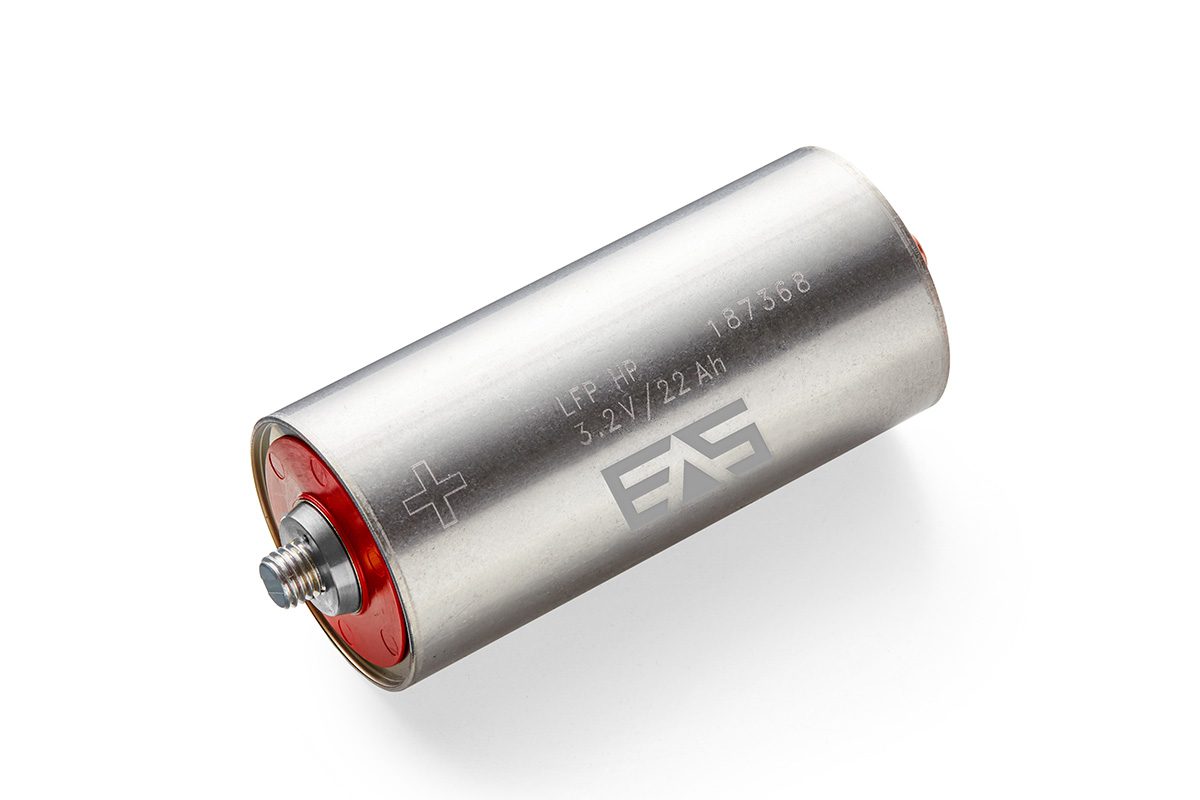
German battery manufacturer EAS Batteries has commenced commercial sales of its groundbreaking UHP601300 LFP 22 cell, a large-format cylindrical lithium iron phosphate (LFP) battery that integrates Asahi Kasei’s innovative Acetolyte—an acetonitrile-based electrolyte. This advancement in advanced LFP battery technology promises significant performance enhancements, including a remarkable 60% increase in continuous power delivery compared to conventional LFP cells. The new electrolyte addresses critical challenges such as temperature stability and internal resistance, making these cells ideal for demanding sectors like motorsport, aerospace, and heavy industrial equipment. Furthermore, both companies are actively exploring the integration of this technology into the popular 46xxx cylindrical format, targeting low-voltage electric vehicle (EV) battery applications and potential global sublicensing opportunities.

In a significant development for the energy storage sector, German battery manufacturer EAS Batteries has officially launched the commercial sale of its UHP601300 LFP 22, a state-of-the-art large-format cylindrical LFP cell. This innovative battery solution incorporates Acetolyte, an acetonitrile-based electrolyte developed by Japanese chemical giant Asahi Kasei, marking a pivotal step forward in advanced LFP battery technology. The collaboration aims to set new benchmarks for performance, particularly in high-demand applications where sustained power and robust temperature resilience are paramount.
According to both companies, the integration of Acetolyte into the LFP cell design delivers a suite of superior characteristics. These include notably higher ionic conductivity, substantially lower internal resistance, and enhanced rate capability across a significantly broader operational temperature range. These attributes represent a considerable improvement over traditional electrolytes that typically rely on conventional carbonate solvents, which often face limitations in extreme conditions.
Unveiling the Innovation: Acetolyte-Powered LFP Cells
The core of this breakthrough lies in Acetolyte, Asahi Kasei’s proprietary acetonitrile-based electrolyte. This chemical formulation is engineered to overcome several long-standing performance bottlenecks associated with conventional lithium-ion batteries. By optimising ion transport within the cell, Acetolyte facilitates a more efficient and powerful energy discharge, directly translating into tangible performance gains for end-users.
The enhanced ionic conductivity ensures that lithium ions move more freely and rapidly between the electrodes, which is crucial for high-rate applications requiring quick bursts or sustained delivery of energy. Simultaneously, the reduction in internal resistance minimises energy loss as heat, improving overall efficiency and thermal management within the battery cell. This combination ultimately leads to a more reliable and durable battery solution, especially under strenuous operating conditions.
Enhanced Performance Metrics
Detailed comparisons provided by EAS Batteries illustrate the profound impact of Acetolyte on the UHP601300 LFP 22 cell’s capabilities. When juxtaposed against EAS cells utilising conventional electrolytes, the new iteration demonstrates significant advancements across critical performance metrics.
The nominal capacity of the UHP601300 LFP 22 (Acetolyte) stands at a robust 22 Ah. More impressively, its continuous discharge capability reaches 2,550 W/kg at 880 A (40C), a substantial increase from the 1,550 W/kg at 550 A (25C) observed in conventional electrolyte cells. This represents an impressive 60% improvement in continuous power delivery, a critical factor for applications demanding prolonged high current output.
While the pulse discharge (2-second) gain is more modest, increasing from 3,420 W/kg to 3,760 W/kg at 1,320 A (60C), it still signifies a meaningful approximately 10% enhancement. Crucially, the cycle life of the Acetolyte-powered cells is rated at an impressive 2,400 cycles under rigorous conditions (5C/5C, 100% Depth of Discharge, with 80% capacity retention), underscoring the durability and longevity of this advanced LFP battery technology.
Addressing Industry Challenges
The implications of these performance improvements are far-reaching. The substantial gain in continuous power is particularly beneficial for high-rate applications where sustained current delivery is more critical than brief peak capability. This includes niche but demanding sectors such as competitive motorsport, where every watt-second counts, advanced aerospace systems requiring reliable, consistent power, and heavy industrial equipment operating under continuous, high-load cycles.
Asahi Kasei further emphasises that Acetolyte significantly improves power output at lower temperatures while simultaneously enhancing durability when subjected to high temperatures. These two aspects have historically been persistent challenges for lithium-ion cells employing conventional carbonate-based electrolytes, often leading to performance degradation and reduced lifespan in extreme environments. The ability of the new cells to maintain performance across a wider temperature spectrum opens up new possibilities for deployment in diverse climatic conditions and demanding operational scenarios, reinforcing the credibility of this advanced LFP battery technology.
Real-World Applications and Market Impact
The practical utility of these high-performance LFP cells is already being recognised across various industries. EAS Batteries has confirmed that samples of the UHP601300 LFP 22 are currently undergoing rigorous customer evaluation in multiple sectors. This early engagement with potential clients underscores the industry’s keen interest in adopting battery solutions that offer superior power, endurance, and thermal stability. The feedback from these evaluations will be crucial in refining the product and tailoring it for specific market needs.
The ability of this advanced LFP battery technology to deliver a 60% improvement in continuous power output is not merely a laboratory achievement; it translates directly into enhanced operational efficiency and performance for industrial machinery, electric racing vehicles, and unmanned aerial vehicles (UAVs). For manufacturers, this means the potential to design more compact, lighter, and more powerful systems without compromising on reliability or safety, further solidifying the position of advanced LFP battery technology in critical applications.
Future Outlook: The 46xxx Cylindrical Format
Looking ahead, EAS Batteries and Asahi Kasei are not resting on their laurels. Both companies are actively exploring the integration of this innovative electrolyte into the widely adopted 46xxx cylindrical format. This move is particularly strategic, as the 46xxx format has gained significant traction in the automotive industry, particularly for electric vehicle (EV) battery packs, due to its favourable balance of energy density, power capability, and manufacturing scalability.
Prototypes of cells in the 46xxx cylindrical format utilising Acetolyte are already available, indicating rapid progress in their development pipeline. The companies harbour ambitions to launch a commercial product in this format within the current year, which would significantly accelerate the deployment of this advanced LFP battery technology across the broader EV market. This development could reshape expectations for battery performance in mainstream electric vehicles.
Strategic Partnerships and Licensing
The primary target application for the 46xxx format versions of these advanced LFP cells is low-voltage EV batteries. This segment is crucial for various electric vehicle architectures, including mild hybrids, plug-in hybrids, and even certain full electric vehicles that utilise a separate low-voltage system for auxiliary functions. By offering superior performance in this segment, EAS and Asahi Kasei aim to provide a competitive edge to automotive manufacturers.
Beyond direct sales, the companies have a strategic vision to sublicense the combined technology – the Acetolyte electrolyte with LFP cell design – to global original equipment manufacturers (OEMs) and other battery manufacturers. This licensing model could rapidly disseminate the advanced LFP battery technology, accelerating its adoption and impact across the global automotive and industrial sectors. It also signifies a collaborative approach to innovation, aiming for widespread benefit rather than exclusive control.
A Testament to Collaboration
The rapid progression from concept to commercialisation highlights the efficacy of the partnership between EAS Batteries and Asahi Kasei. Osamu Matsuzaki, Senior Executive Officer and Head of Corporate R&D and IP at Asahi Kasei, remarked on the swift timeline: “The short time from signing our license agreement in November 2025 to the start of serial production in March 2026 reflects the focused and highly collaborative efforts between EAS Batteries and Asahi Kasei.”
This statement underscores the synergy and dedicated efforts of both organisations in bringing this cutting-edge advanced LFP battery technology to market with remarkable speed. Such efficient collaboration is often a hallmark of successful innovation in the highly competitive battery industry, promising more rapid advancements and commercial deployments in the future. The joint endeavour establishes a strong foundation for continued innovation in high-performance energy storage solutions, driving progress in critical sectors globally.
Frequently Asked Questions (FAQ)
What makes EAS Batteries’ new LFP cell superior to conventional ones?
The UHP601300 LFP 22 cell uses Asahi Kasei’s Acetolyte, an acetonitrile-based electrolyte, which provides higher ionic conductivity and lower internal resistance. This results in a 60% improvement in continuous discharge power, better rate capability, and enhanced performance across a wider temperature range compared to traditional carbonate-based electrolytes.
What is Acetolyte, and how does it improve battery performance?
Acetolyte is an acetonitrile-based electrolyte developed by Asahi Kasei. It improves battery performance by facilitating faster lithium ion movement (higher ionic conductivity) and reducing energy loss as heat (lower internal resistance). This leads to increased power output, better cold-weather performance, and improved durability at high temperatures.
Which applications will benefit most from this advanced LFP battery technology?
This advanced LFP battery technology is particularly suited for high-rate applications that demand sustained power delivery. Key sectors include motorsport, aerospace systems, and heavy industrial equipment where continuous high current is crucial for performance and operational efficiency.
What are the key performance metrics of the UHP601300 LFP 22 cell?
The UHP601300 LFP 22 cell boasts a nominal capacity of 22 Ah. It offers a continuous discharge of 2,550 W/kg (880 A at 40C) and a pulse discharge (2-sec) of 3,760 W/kg (1,320 A at 60C). Its cycle life is rated at 2,400 cycles (5C/5C, 100% DoD, 80% capacity retention).
Is this technology being considered for electric vehicles (EVs)?
Yes, EAS Batteries and Asahi Kasei are actively exploring the 46xxx cylindrical format for this advanced LFP battery technology. This format is primarily designed for low-voltage EV batteries, with prototypes already available and a commercial launch anticipated this year. The companies also plan to sublicense the technology to global OEMs.
When did the collaboration between EAS Batteries and Asahi Kasei begin?
The license agreement between EAS Batteries and Asahi Kasei was signed in November 2025. The rapid transition from this agreement to the start of serial production in March 2026 highlights the intense and collaborative efforts between the two companies to bring this innovative battery technology to market efficiently.